

What are battery tenders for
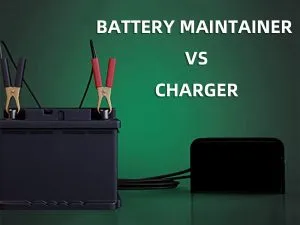
A battery tender is a useful new technology that allows battery to have a long life. It helps in avoiding battery drainage in conditions like cold weather or any such situation with the help of innovative microprocessor technology. It won’t just charge a lithium-ion battery, but it also extends its life in the long run.
The battery maintainer allows a battery to keep its charge stored without losing any of the power. Some types of batteries have high self-discharge rates. This is why battery maintainers allow the battery to keep the charge preserved without wasting any of the power.
What are trickle chargers for
Trickle chargers are useful in recharging batteries without loss of power. This charger type ensures that the battery is charged slowly without losing any power, which can also help extend the life of the battery. In the case of the lithium-ion battery, a direct current or constant voltage is needed.
Generally, RV batteries or lawn mover batteries are kept from losing enough charge to quit functioning thanks to trickle chargers. With a lower chance of overcharging, the low-voltage charge is intended to enhance the longevity of your battery. Devices with a low power drain should be used with trickle charge mode. It is a slow charging process, but it is worth the wait.
Differences between battery tender vs trickle charger
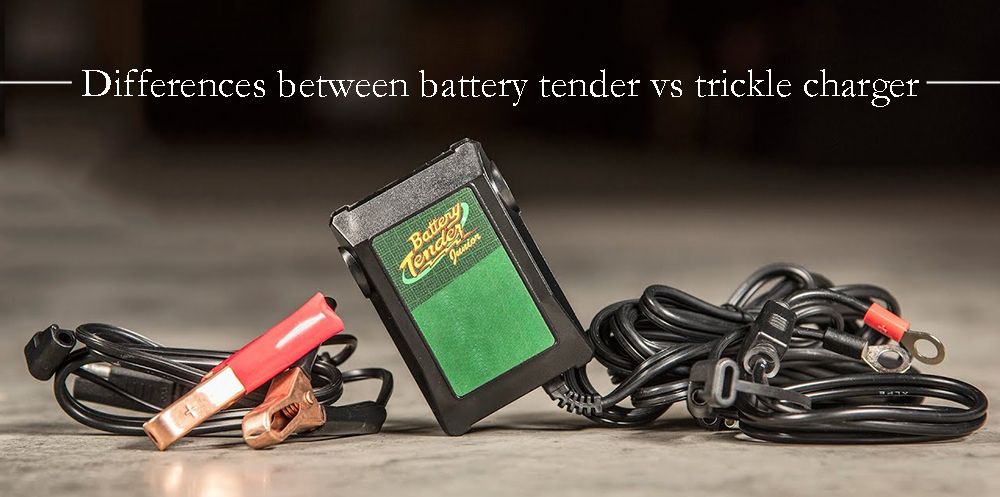
Battery tender vs trickle charger are both beneficial for a battery to extend its life. An important thing about both of them is that they are best used with acid batteries. Not necessarily applicable to lithium-ion batteries. A trickle charger will force a small current into the battery, which may acceptable since the current of a lithium battery changes in stages when it is charged which may acceptable since the current of a lithium battery changes in stages when it is charged.
A smart battery tender will allow you to check when the battery requires charging. It will turn off after charging is complete, and check the condition of the battery. Depending on the tender model, it will charge the battery back up to full and wait once more when it notices the battery has depleted to about 80%. Although more expensive, tenders are superior. The battery is only charged by tenders when necessary, which lessens the battery’s deterioration.
Among the many types of batteries, the self-discharge rate of lead-acid batteries is very high, while the self-discharge rate of lithium-ion batteries is only about 3.5% per month. Trickle chargers are designed to counteract the self-discharge of batteries.
Application of battery tender vs trickle charger
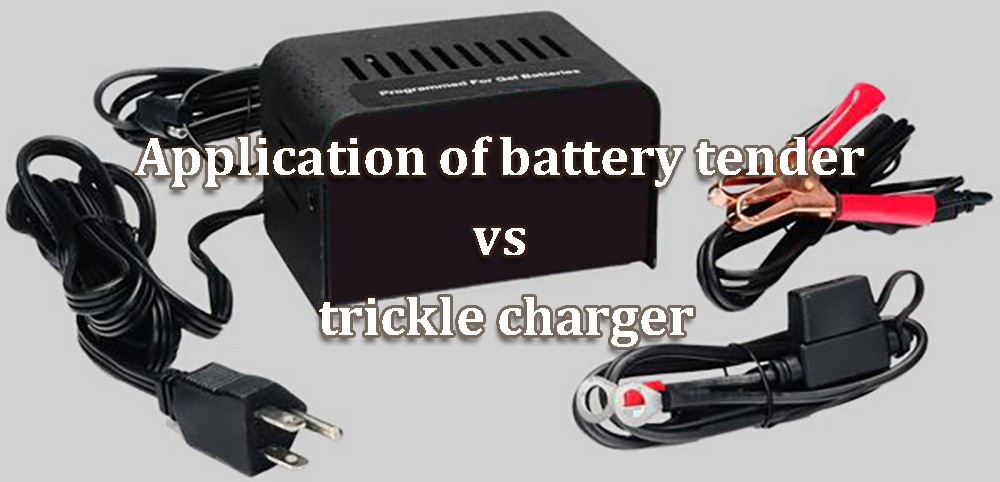
A Battery tender can be used to transfer electricity to 12-volt battery by simply plugging it into any regular AC socket. The best time to use a battery tender is when the lawn mover battery/RV battery needs to be stored for a period of time without being used. It will help to retain the charge of battery as long as you are not using it, and it will also avoid any situation of the over-charging period with the battery.
A trickle charger might be a wise thought if you frequently store batteries for extended periods of time. It helps slowly recharge the batteries without worrying about over-charge or other battery problems. With a lower chance of overcharging, the low-voltage charge is intended to enhance the longevity of your battery, which can be stored easily with the help of a battery tender.
Are battery tender and trickle chargers good for lithium battery
It is not a good idea to use a battery tender with a lithium-ion battery. It is not possible for a battery tender to analyze or determine the SOC. Talking about the trickle charger, the answer is still the same. With a trickle charger, a current is induced at a regular pace which is not acceptable for a lithium-ion battery to charge.
In fact, lithium-ion batteries do not need battery tender vs trickle charger in most cases due to their low self-discharge rate, excellent performance, and built-in smart BMS, but in some application scenarios, lithium-ion batteries can also use trickle chargers, such as UPS lithium battery. Lead acid, NiCad, and NiMH batteries are trickle charged to maintain their capacity.

Which is better – battery tender vs trickle charger
There can be a debate when comparing battery tender vs trickle charger in order to prove which one is better. Both battery tender vs trickle charger have their own use. You cannot simply tell which one is better, but when you talk about facts, although more expensive, the battery tenders are superior. The battery is only charged by tenders when necessary, which lessens the battery’s deterioration. A trickle charger could put the battery under stress than necessary.
While trickle chargers should be unplugged once they have finished charging, battery tenders can be left plugged in. A smart mode on trickle chargers that functions like a battery maintainer are now available with the latest models. When the battery in your trickle charger reaches 100% charge, the gadget will turn off when it is in this mode.
Note that manual trickle chargers cannot be used for extended periods of time since they will continue to produce low-level amps even after being switched off.
We cannot say which one is better than the other as both of them offer several benefits to the users. The battery tenders and trickle chargers can both be used overnight.
Can battery tender or trickle charger charge low battery
The answer is Yes. Almost any battery can be recharged when at a low percentage using a trickle charger. It takes a while to charge a dead battery because the charger operates slowly at only 1 to 2 amps. It will take roughly 16 hours to recharge a 15 Amp-Hour battery to 80% of its initial capacity.
However, you may charge a dead battery to full capacity in 24 to 48 hours if you have one. But depending on the size of the battery, the charging current should not be too low.

Will battery tender vs trickle charger overcharge a battery
When you are using a trickle charge for a battery, it is possible that it may overcharge it. This case is mostly possible with lead-acid batteries. On the other hand, if you are using a battery tender, you need not to worry about the overcharge issue. It stores the charge easily and makes sure that a battery doesn’t overcharge at any point.
A battery maintainer is a special form of “smart” charger that only provides current when the voltage in your battery falls below the optimal range. Unlike traditional chargers and trickle chargers, the battery connector can be left connected to the battery for as long as you want without risking overcharging.