
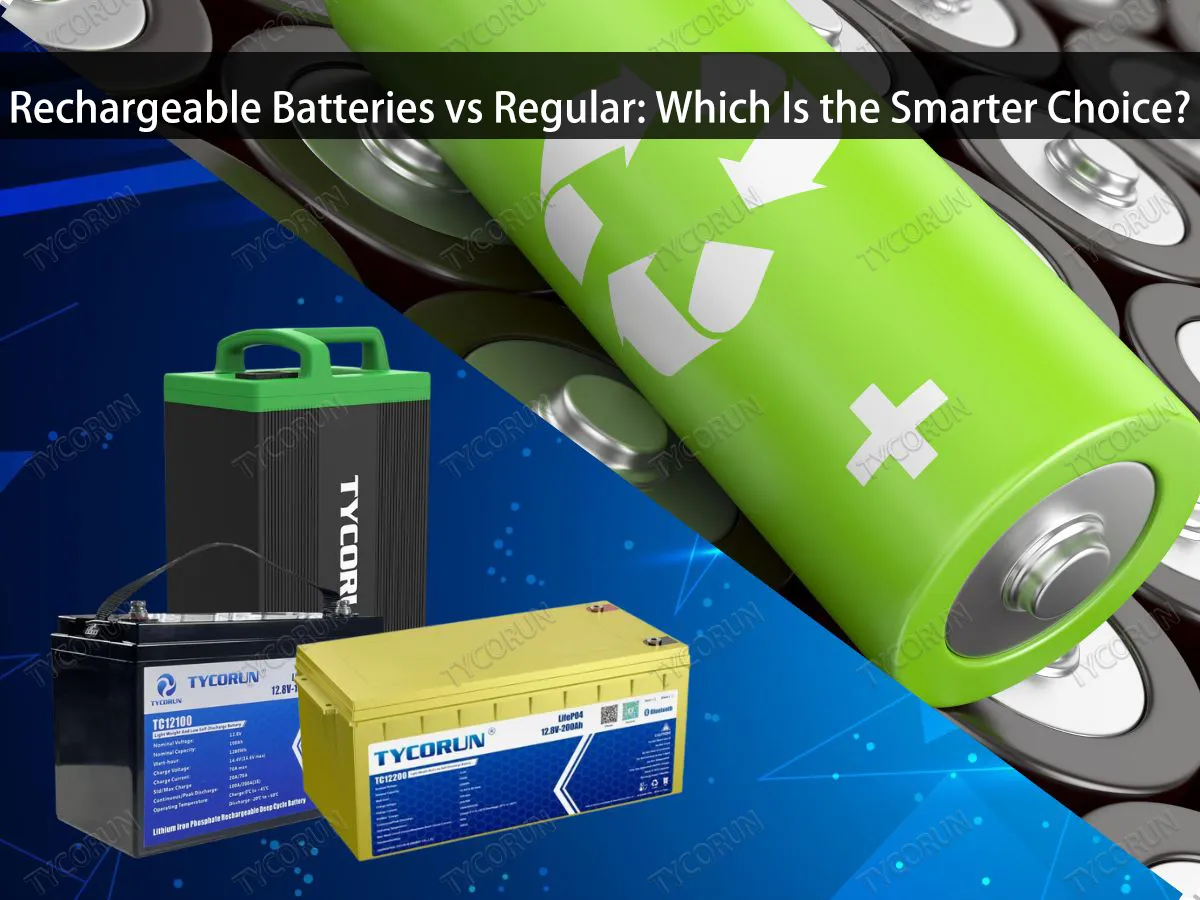
Batteries that have been in use over the course of the last half-century have mainly been alkaline and disposable batteries. These batteries have served a wide range of purposes from flashlight battery to handheld power tool battery and appliances but today there are other alternatives and these are rechargeable batteries.
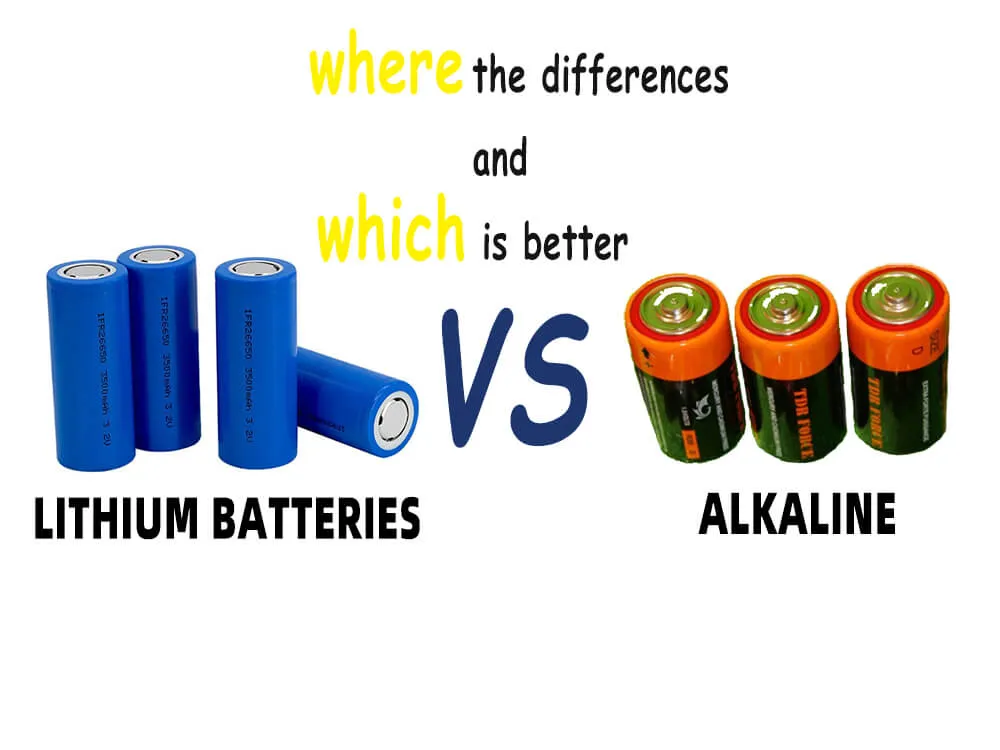
Rechargeable batteries have taken up a place in home use and commercial applications but the real question remains when comparing rechargeable batteries vs alkaline batteries, which is better? In this article, we’ll break down how both battery types compare against each other and come to a conclusion on which is recommended.


What is a rechargeable battery
A rechargeable battery can be described as an electrical battery that can be charged and discharged repeatedly over a number of times. All batteries comprise chemical reactions that enable them to hold and discharged electrical current and in comparing rechargeable batteries vs alkaline batteries, the chemical reactions in rechargeable battery cells are reversible allowing the battery to be recharged over and over again.
The repeated charging ability of rechargeable batteries are referred to as charge cycles and varies between different types of rechargeable batteries. In comparing rechargeable batteries vs alkaline batteries, the capacity of a rechargeable battery is measured in milliamp-hours and tells the amount of electricity the battery will supply over a given time.
What are the different types of rechargeable batteries and which is best
In comparing rechargeable batteries vs alkaline batteries, there are 3 major types of rechargeable batteries available which include Nickel-Cadmium(NiCad), Nickel-Metal Hydride(NiMH) and Lithium-Ion(Li-ion).
- Nickel-Cadmium(NiCad): These are some of the oldest and cheapest rechargeable batteries and although they have a fairly good capacity, they have low voltages, poor memory effect and can only be recharged about 1000 times before they completely die.
- Nickel-Metal Hydride(NiMH): These batteries have a larger capacity but can only be effectively used when partially charged and discharged with almost the same amount of charge cycles as NiCd batteries.
- Lithium Ion(Li-ion): Lithium batteries eliminate the issues of both NiCad and NiMH batteries by having no memory effect, high voltage & capacity, and more than 4000 charge cycles.
The advantages and disadvantages of rechargeable batteries
When considering rechargeable batteries vs alkaline batteries, it’s always good to take into consideration the advantages and disadvantages of each battery type.
Advantages
- Longer cycle life: Rechargeable batteries have a much longer cycle life allowing the battery to be used and reused for longer periods of time as opposed to alkaline batteries that can only be used once, especially when we talk about the lithium rechargeable battery with up to 4000 cycles.
- Re-usable: As the name states, rechargeable batteries can be used many times over making them very convenient and dependable,it saves the hassle and expense of replacement .
- Environmentally friendly: As the most popular rechargeable batteries, lithium ion batteries are commonly made and produced using materials that are a lot less toxic to the environment when compared with alkaline or primary batteries. This also makes them recyclable and reintroduced Into the production chain.
- Cost-effective: Rechargeable batteries are commonly expensive compared to alkaline batteries but in the long run, they are a bit more effective option. Although slightly expensive, they can be used a few thousand times over which makes up to the extra cost.
Disadvantages
- High cost of purchase: Rechargeable batteries are considerably expensive to purchase than alkaline or primary batteries. This is however, mitigated by the fact that they can be used for many years after being purchased.
- Charging/Charger problems: Rechargeable batteries need to be recharged after each use which may be a hassle for some users and sometimes these batteries don’t come along with a charger. The issue of having to pay extra for a charger, as well as making sure it is compatible with the battery is one major disadvantage rechargeable batteries have.
What is alkaline battery
Alkaline batteries are commonly known as disposable batteries or primary batteries. They are made with materials such as Zinc with manganese dioxide electrodes. They are called primary batteries because they can only be used once after which they are discarded or disposed of. Although disposable, in comparing rechargeable batteries vs alkaline batteries, the latter has a relatively steady voltage and energy density.
With a high voltage level, alkaline batteries also have a very low self-discharge, meaning they can remain idle without losing any significant amount of electrical current. But when compared with alkaline batteries and rechargeable batteries with the best performance, lithium-ion batteries have the most stable voltage during discharge, higher energy density and the lowest self-discharge rate, at only 3.5% per month.
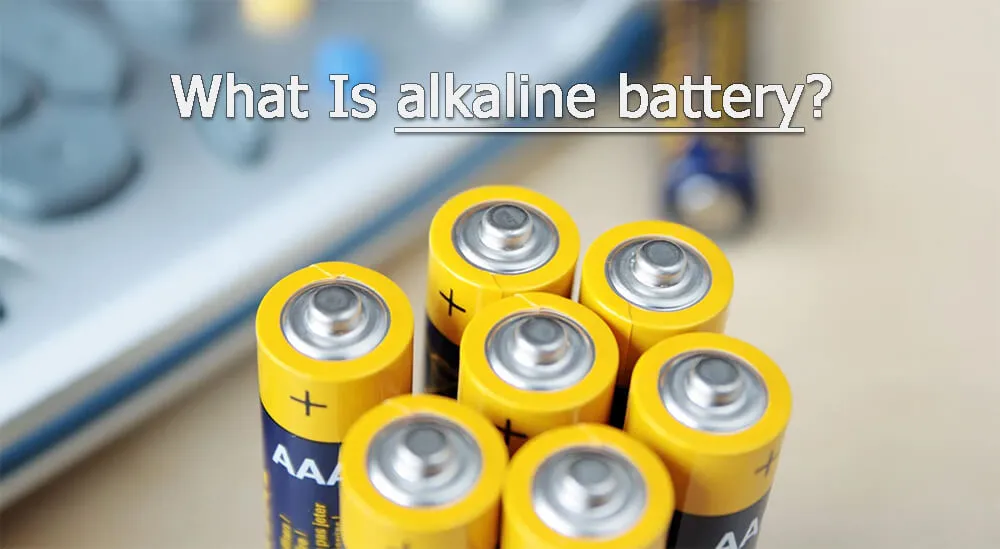
What are different types of alkaline batteries and which is best
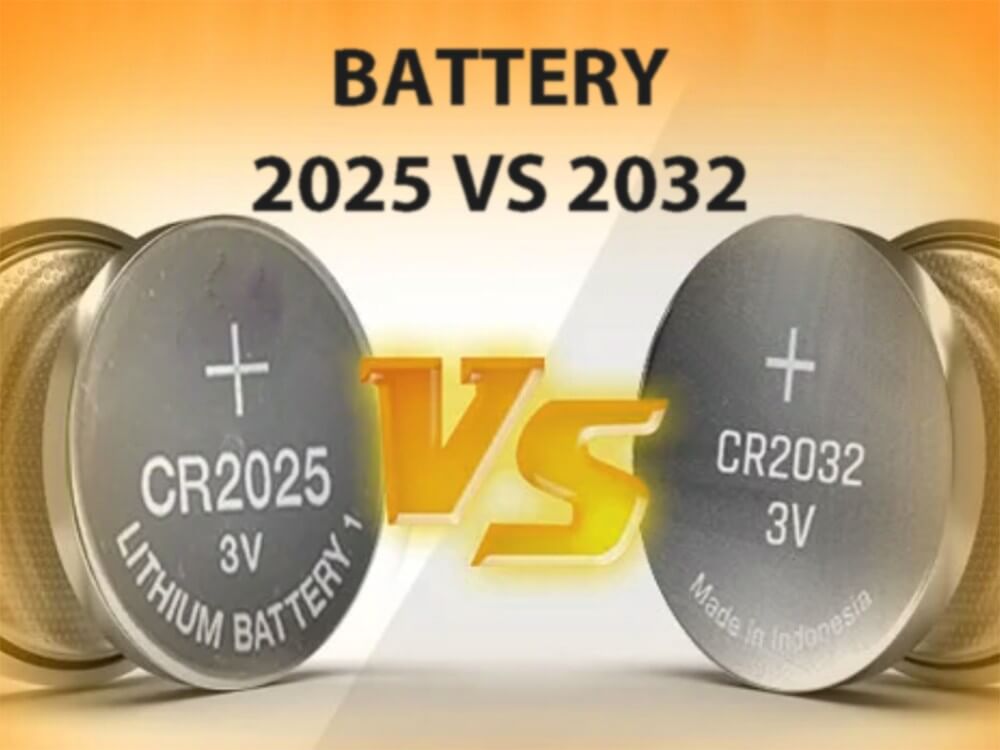
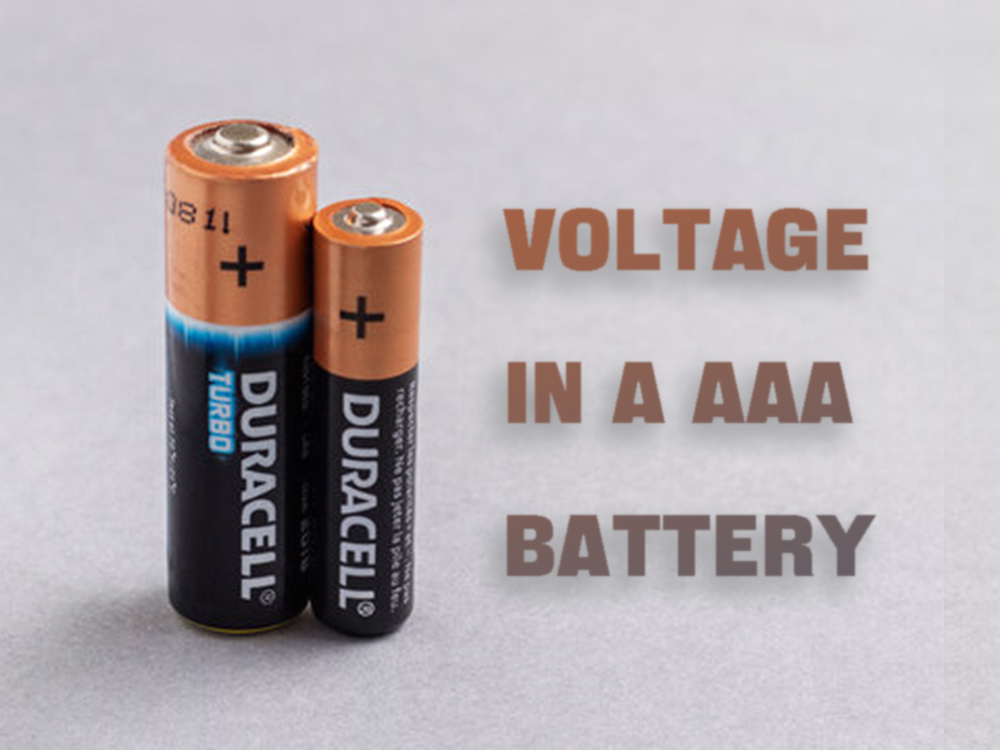
Alkaline batteries come in different voltage ranges and sizes and the best will depend on the application of each. The battery type ranges from AA to AAA, C and D batteries, all of which differ in size but have a nominal voltage of 1.5V. There are also CR123A and CR2032A batteries which have 3V, 9V alkaline batteries with 9V, and 23A with 12V. Each battery has its specific applications and the best will be dependent on that.
The advantages and disadvantages of alkaline batteries
As stated earlier, when comparing rechargeable batteries vs alkaline batteries we need to consider the advantages and disadvantages of both.
Advantages
- High energy density: Alkaline batteries are manufactured with a relatively high energy density and nominal voltage which makes them last a lot longer in storage than most rechargeable batteries, if lithium-ion batteries are not included in the comparison.
- Better resistance: Alkaline batteries have high resistance to high and low temperatures which would otherwise affect the performance of most rechargeable batteries.
- Low self-discharge: Alkaline batteries have very low self-discharge meaning they can retain their initial charge for years before being used. Most alkaline or disposable batteries hold up to 90% of their initial charge even after 2 years post- production.
- Low cost: These batteries are relatively cheaper to purchase compared to rechargeable batteries making them an easy choice for most users.

Disadvantages
- Bulky weight: Alkaline batteries are commonly a lot heavier and bulkier compared to rechargeable batteries of the same size and class.
- Leakages: Disposable batteries that have been mishandled or of poor quality can be prone to leakages of corrosive acids within the battery cell.
- Environmental hazards: Since alkaline batteries are single-use and disposable batteries, they can pose a threat to the environment when disposed of improperly as their corrosive acids can damage plants and adversely affect wildlife.
Difference between rechargeable batteries vs alkaline batteries
When contrasting rechargeable batteries vs alkaline batteries we need to take into the account the major differences each battery type has. These differences include but are not limited to.
Voltage: Comparing rechargeable batteries vs alkaline batteries, there is a slight difference in the voltage rating of each battery type. Alkaline batteries commonly have a powerful starting voltage of 1.5V while rechargeable batteries normally start with a lower voltage of 1.2V, lithium batteries are the exception, with voltages between 3.2 to 3.7v.
Storage: Batteries have a self-discharge rate which affects how well they retain electric charge when in storage. In comparing rechargeable batteries vs alkaline batteries, alkaline batteries have a lower self-discharge meaning they can retain their original energy levels a lot longer than rechargeable batteries.
Price: The prices of batteries differ with type, size, and other factors but when comparing rechargeable batteries vs alkaline batteries there is an obvious difference with alkaline batteries being cheaper than rechargeable batteries.
Performance/Application: Each battery type performs differently with regard to application and energy demand. In comparing rechargeable batteries vs alkaline batteries, rechargeable batteries especially the lithium ion battery have higher energy and are better suited for power tools and other energy-dense applications like solar power storage and EVs of all kinds.
Can rechargeable batteries be used in place of alkaline
It has been found that when comparing rechargeable batteries vs alkaline batteries, rechargeable batteries can substitute for alkaline batteries, as long as the battery voltage is the same, the specifications can be matche, although the energy/current demand of appliances that originally use alkaline batteries may be high for rechargeable batteries.
This is because alkaline batteries have higher energy density than some rechargeable batteries(lead acid, NiCad)But lithium-ion batteries have a higher energy density than alkaline batteries.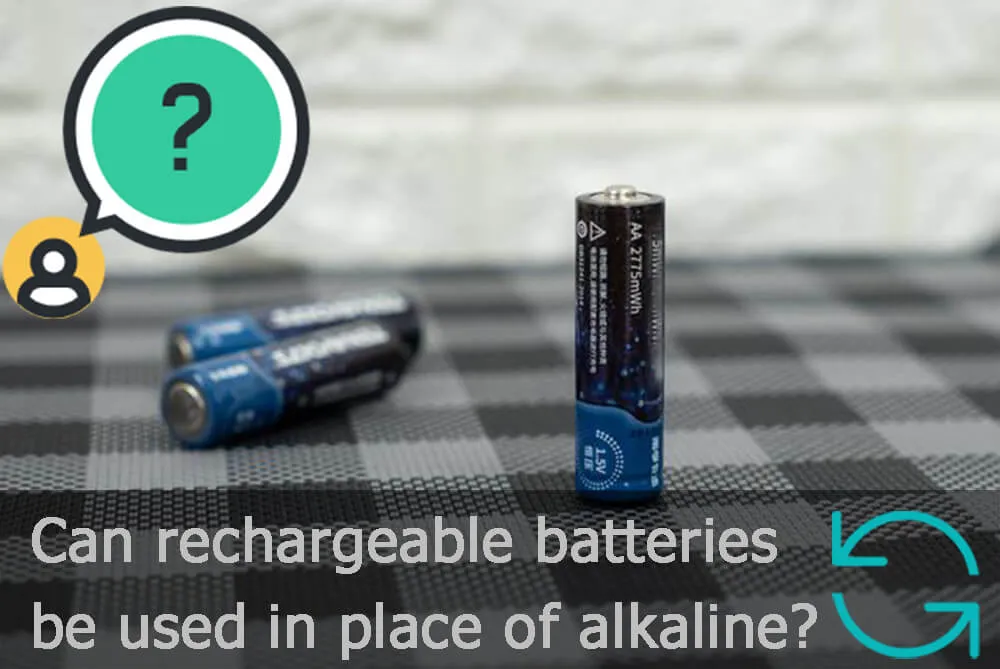
Can I replace nimh with lithium-ion
The energy demand may not be practically suited for a lithium battery. In comparing rechargeable batteries vs alkaline batteries, replacing a NiMH battery with a lithium battery may result in a shorter work time for a lithium battery. But In most cases, it is not possible, because the battery voltages of these two materials are different, and the matched battery packs will also have some gaps. Therefore, it is not recommended to replace them. You can understand their direct difference from li-ion vs ni-mh battery.
Which battery is safer rechargeable batteries vs alkaline
With regards to the materials and acids used in making rechargeable batteries such as lithium-ion, this makes them less prone to fire hazards, have low resistance, and are more stable and safer. In comparing rechargeable batteries vs alkaline batteries, disposable batteries may overheat and sometimes leak corrosive acids when mishandled hence making them the less safe choice.
FAQs









3 thoughts on “Comparing rechargeable batteries vs alkaline pros and cons”
Nice Post,
Your content is very inspiring and appreciating I really like it.
I’m happy to see some great articles on your site. I truly appreciate it, many thanks for sharing
Nice Post,
Your content is very inspiring and appreciating I really like it.
Comments are closed.