Skip to content
Understanding the Difference Between Modified Sine and Pure Sine Inverter
Inverters are essential components of contemporary electrical power systems because they transform direct current (DC) from solar panels or batteries into alternating current (AC), which is then used by a variety of electronic devices. Inverters increase the flexibility and efficiency of energy use, particularly when it comes to meeting the demands of industries, households, and renewable energy-based systems.
However, not every inverter operates in the same manner. One frequently asked question is the difference between modified sine and pure sine inverters, which discusses the crucial differences in terms of output quality and efficiency. Understanding these differences is very important so that users can choose the right inverter to ensure optimal performance and a longer service life.


Definition of an Inverter
An electronic device that changes direct current (DC) into alternating current (AC) is called an inverter. Whereas AC current is the kind of electricity typically found in modern devices and home appliances, DC current typically originates from energy sources like batteries, solar panels, or accumulators. Batteries can be used to power a variety of electrical devices by using an inverter.
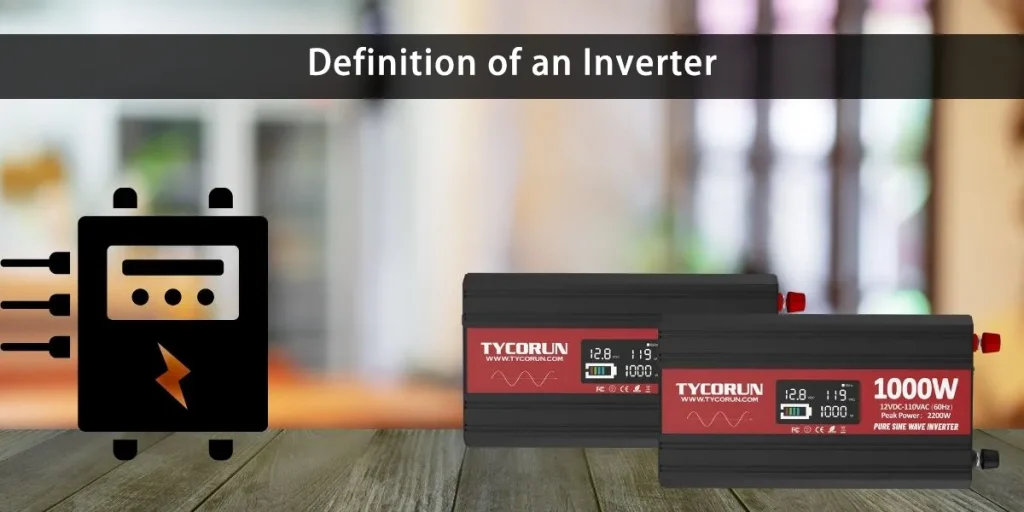
In addition to being a current converter, an inverter also helps maintain the quality of the electricity produced so that it remains stable and suitable for the device’s needs. This makes the inverter a very important component, especially in lithium battery-based and renewable energy electrical systems, which require high efficiency and reliability in power supply.
You can also read these articles for more insight:
What Are Modified Sine and Pure Sine Inverter?
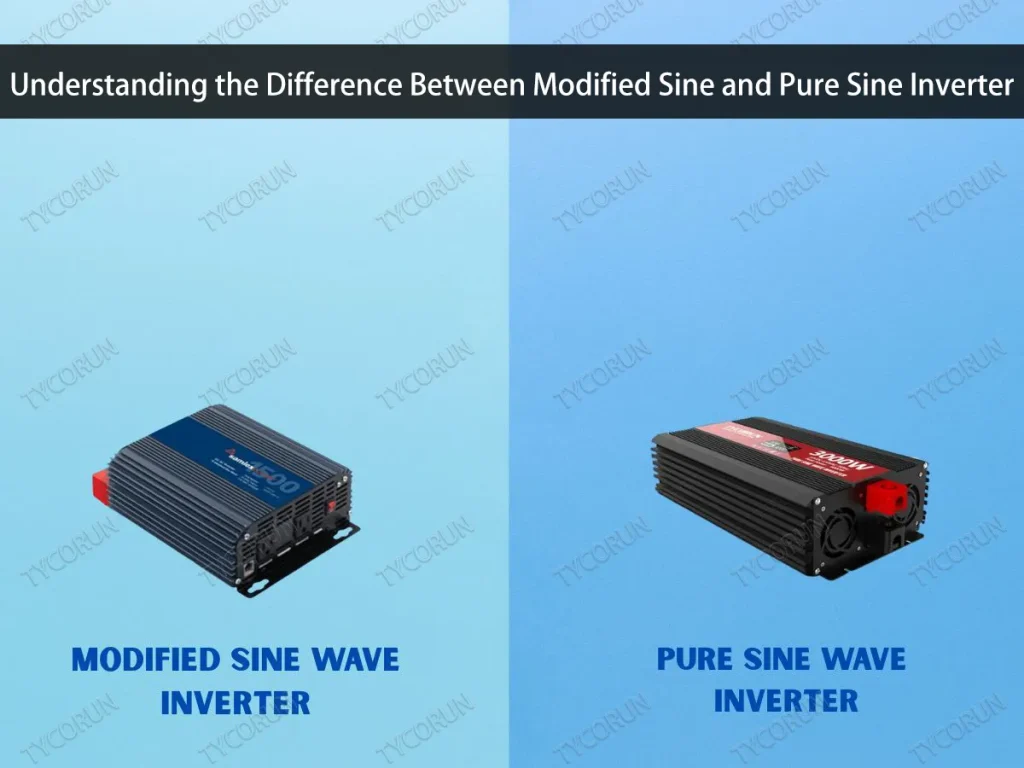
Inverters can be categorized into two types pure sine wave inverters also modified sine wave inverters. Though their output characteristics differ, both types share in a purpose converting direct current (DC) from batteries or solar panels into alternating current (AC). It is of importance to try to understand all of the differences between modified sine and pure sine wave inverters because the electrical signal that they happen to produce affects efficiency, power stability, also compatibility with electronic devices.
Modified sine inverter
A modified sine wave inverter is a type of inverter that produces an electrical waveform resembling a sine wave, but with a simpler shape that is not completely smooth. Due to its simpler design, this inverter is usually cheaper and widely used for basic needs such as lights, fans, or simple chargers.
When talking about the difference between modified sine and pure sine inverters, one of the most notable points is the quality of the power produced. Modified sine often causes a buzzing sound in certain devices and is not always efficient for modern electronics. Sensitive equipment such as televisions, computers, or refrigerators usually does not work optimally with modified sine because the power output is less stable.
However, modified sine wave inverters can still be a viable option if the user’s needs are limited to simple devices and a tight budget.
Pure sine inverter
A pure sine wave inverter is a type of inverter that produces an electrical waveform that is almost identical to the AC current supplied by the utility grid. Because its output is smooth and stable, this inverter is ideal for sensitive electronic devices such as computers, modern televisions, refrigerators, and even medical equipment.
The main advantage of pure sine is its cleaner power quality, as devices powered by pure sine inverters typically operate more efficiently, do not produce noise, and are safer in the long term. This also helps preserve the life of devices and batteries, including lithium batteries.
Key Differences Between Modified Sine and Pure Sine Inverter
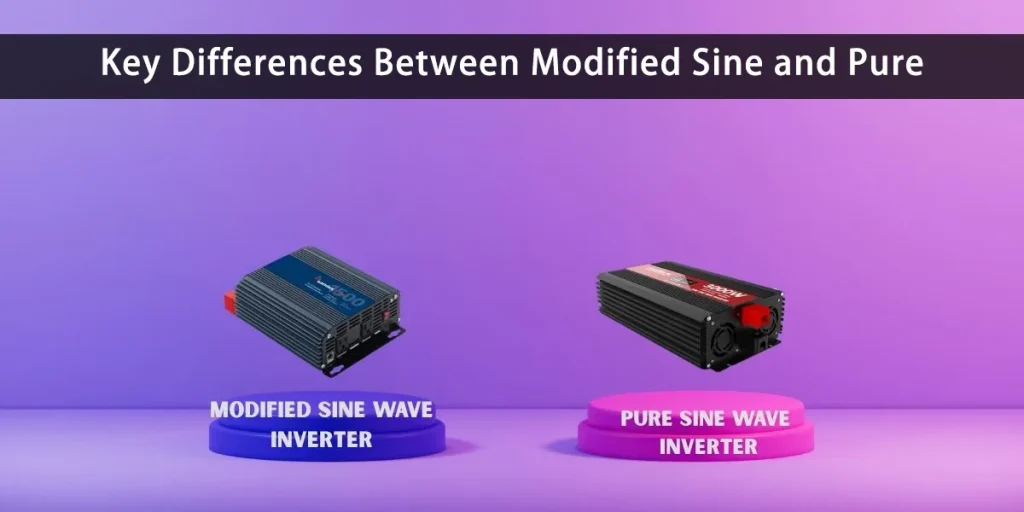
When choosing an inverter, many users are often faced with questions about power quality and compatibility with the devices they use. This is where it is important to understand the difference between modified sine and pure sine inverters. Although both have the same main function, which is to convert direct current (DC) into alternating current (AC), the end results are very different. Here are the main points that explain the difference between modified sine and pure sine inverters:
- Waveform
The most fundamental difference can be seen in the electrical wave output. Modified sine produces a simple wave that is not smooth, while pure sine is capable of producing a smooth and stable wave, almost the same as electricity from the power company. - Energy Efficiency
In terms of efficiency, modified sine inverters tend to be less optimal because they can cause devices to overheat quickly. Conversely, pure sine inverters are more efficient, allowing devices to operate optimally without interference. - Device Compatibility
In terms of usage, modified sine is only suitable for simple devices such as lights, fans, or basic chargers. Meanwhile, pure sine is safer for sensitive devices such as computers, refrigerators, modern televisions, and even medical equipment.
Pros and Cons of Modified Sine Wave Inverter and Pure Sine Inverter
The difference between modified sine and pure sine inverters becomes clearer when we consider the advantages and disadvantages of each type. Here are the main points:
- Modified Sine Wave Inverter
Pros: more affordable and simple design, making it suitable for basic needs such as turning on lights, fans, or simple chargers.
Cons: The uneven wave output can cause noise, make the device less efficient, and even accelerate battery and sensitive device degradation. - Pure Sine Wave Inverter
Pros: Clean, stable, and efficient power quality. Modern electronic devices such as computers, refrigerators, televisions, and even medical equipment will work optimally with pure sine.
Cons: Relatively more expensive than modified sine. However, the additional cost of pure sine is actually comparable to the long-term benefits, both in terms of energy efficiency, device durability, and battery protection.
Suitable Devices for Each Inverter
- Modified Sine Wave Inverter
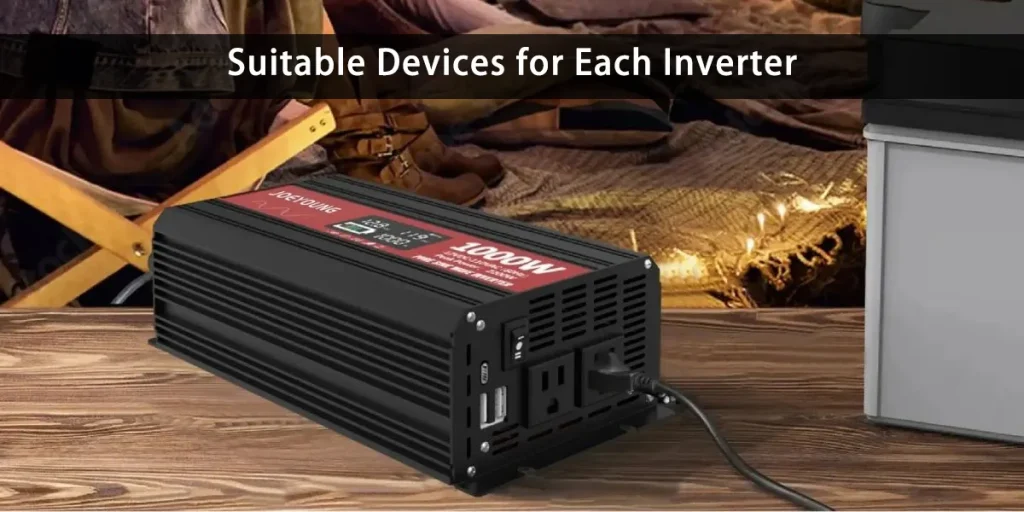
This type of inverter is typically used for simple devices that are not too sensitive to power quality. Examples include incandescent lights, fans, heaters, or standard cell phone chargers. However, using it with modern devices risks causing noise, overheating, or shortening the device’s lifespan. - Pure Sine Wave Inverter
Pure sine wave inverters are more flexible because they can support almost all types of devices, including sensitive electronics such as laptops, refrigerators, televisions, printers, and even medical equipment. Pure sine waves are known to provide smooth and stable currents, making them safe for long-term use.
Which Is Better for lithium batteries?
In modern power systems, lithium batteries increasingly provide power since they strongly endure, highly function, and can store energy for long periods. However, their own optimal performance still requires certain conditions. The inverter type used must suit those people.
Lithium batteries still function using a modified sine wave inverter, but battery degradation may accelerate due to unstable electrical output. Energy efficiency decreases because of this, also long-term losses may result. A smoother and more stable current is conversely provided through pure sine wave inverters for improving system efficiency plus maintaining lithium batteries.
After discussing the difference between modified sine and pure sine inverters above, it is clear that pure sine is the best choice for lithium battery use. The initial investment may be higher, but long-term benefits such as longer battery life, stable performance, and protection of electronic devices make it a more efficient and reliable solution.
Conclusion
Based on the above discussion, it is clear that before making a choice, it is very important to know the difference between modified sine and pure sine inverters. Both of these things do the same thing: they change DC current into AC. However, the quality of the power they produce has a big effect on how well they work, how safe they are, and how long they last.
Modified sine wave inverters are a good choice for basic needs because they are cheaper, but they are not as stable or safe for sensitive devices. On the other hand, pure sine wave inverters provide cleaner and more stable power, which helps modern electronics work better and is better for batteries, especially lithium batteries. Pure sine wave inverters are clearly the better choice for making sure that energy systems work well, safely, and last a long time, given the long-term benefits.
FAQS
What will a 1000W pure sine wave inverter run?
A 1000W pure sine inverter can power laptops, TVs, small refrigerators, lights, and cell phone chargers. Because the power is stable, devices work more efficiently-this is one of the key differences between modified sine and pure sine inverters.
Can I run my TV on a modified sine wave inverter?
Yes, but it is not ideal. Modern TVs are often disrupted by modified sine wave output, such as buzzing noises or decreased image quality. This clearly shows the difference between modified sine and pure sine inverters.
Can I use a 1000W inverter with a 100Ah battery?
Yes, you can. A 100Ah 12V battery stores about 1200Wh, enough to power a 1000W inverter for a limited time. Pure sine is more efficient than modified, according to the difference between modified sine and pure sine inverters