Skip to content
EV Battery Swap vs Charging: Powering the Future of Electric Vehicles
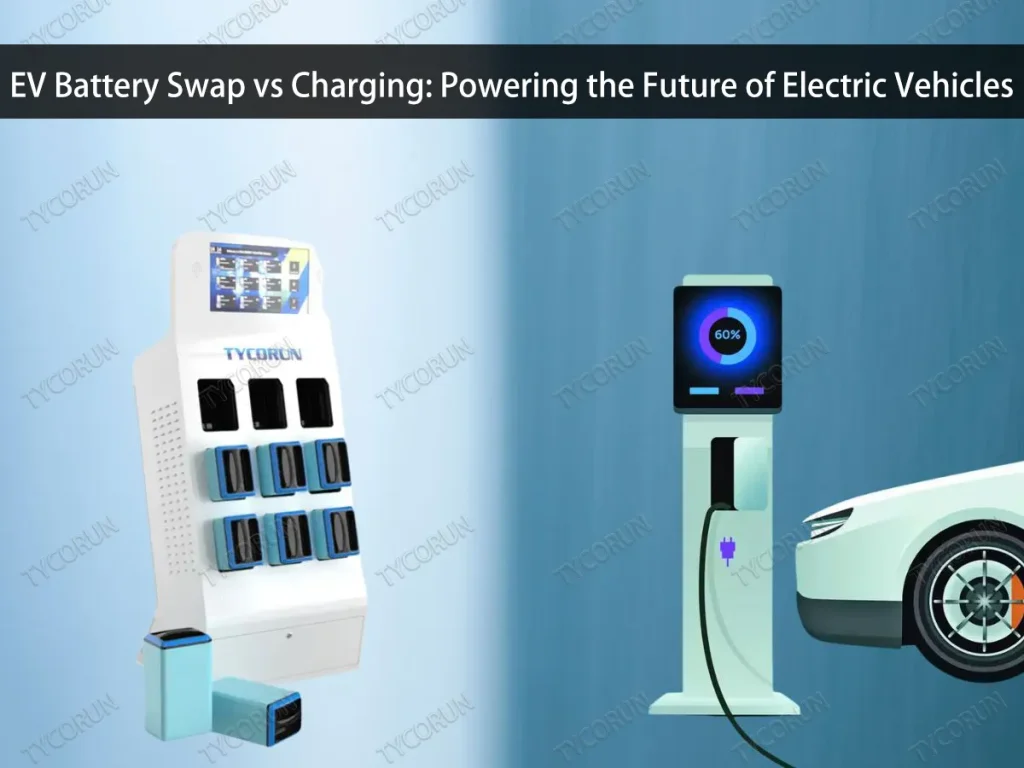
The popularity of electric vehicles continues to grow, leading to significant changes in the global automotive industry. The transition to cleaner and more sustainable modes of transportation has sparked renewed debate about EV battery swap vs charging. Both systems achieve the same goal, but in different ways.
The debate over EV battery swap vs charging focuses on speed, convenience, and usability. In simple terms, the battery swap system allows empty batteries to be replaced with fully charged ones in a matter of minutes, whereas charging stations are versatile because they can be used at home or in public. Both reflect technological innovation while adapting to the increasingly diverse needs of EV users across countries.


What Are EV Battery Swap and Charging Station?
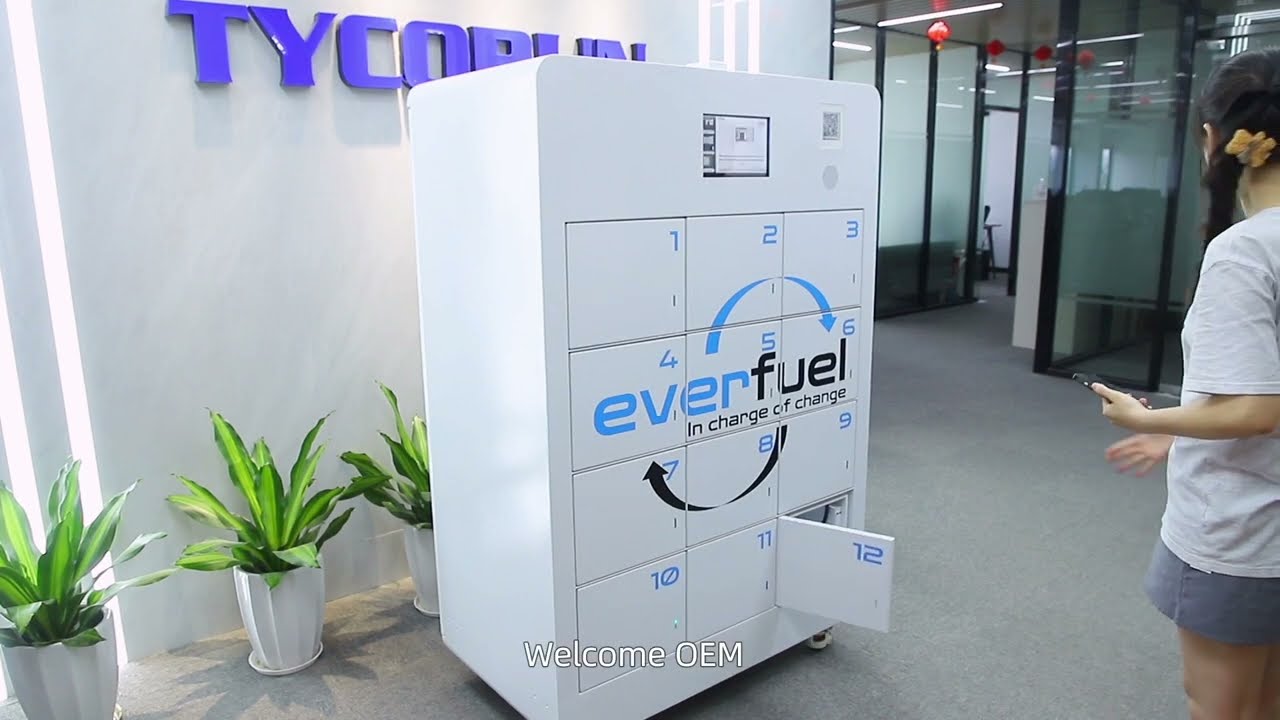
In the world of electric vehicles, energy charging systems are a critical factor determining comfort and efficiency of use. The two most commonly compared methods are EV battery swap vs charging, as both provide different approaches to keeping vehicles running continuously. The choice between these two systems is heavily influenced by user needs, vehicle type, and available infrastructure in the region.
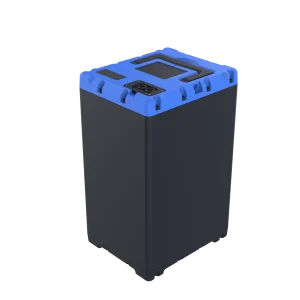
Battery swap
Charging station
The Role of Lithium Batteries in EV Energy Systems
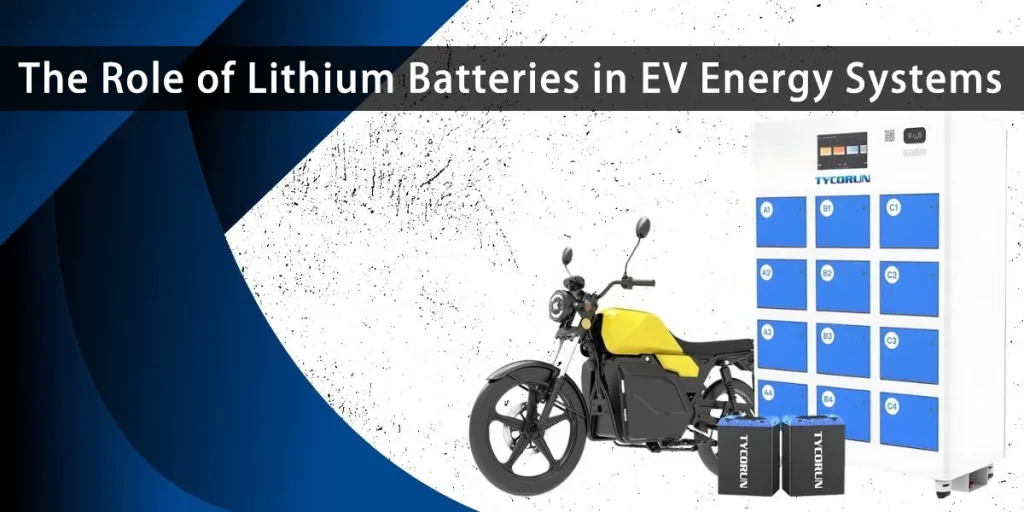
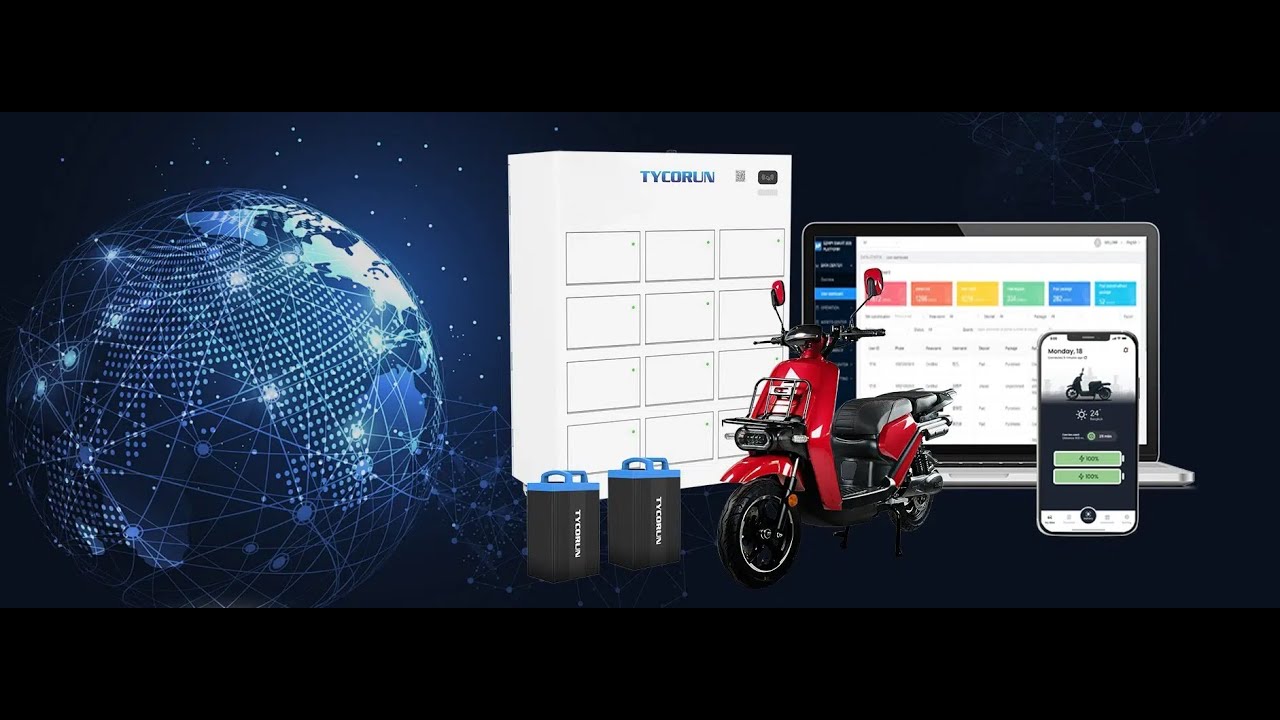
In the EV battery swap vs charging debate, lithium battery properties influence almost every aspect. Centrally managed lithium-ion batteries in battery swap systems allow for faster and safer replacement processes because battery charging is managed consistently. Meanwhile, at charging stations, the performance of lithium batteries determines how quickly vehicles can be fully charged and how frequently users must recharge to ensure optimal battery life.
Furthermore, lithium battery technology is constantly evolving, which will have a direct impact on the future efficiency of EV battery swap vs charging. Solid-state batteries and improved thermal management are examples of innovations that can accelerate charging while reducing degradation, making both systems more reliable and sustainable. Understanding the role of lithium batteries allows EV users and developers to see how EV battery swapping and charging affect not only convenience, but also energy efficiency and vehicle durability.
Comparison: EV Battery Swap vs Charging Station
The comparison of EV battery swap and charging considers several factors, including speed, efficiency, cost, and energy system sustainability. Although both have the same goal, their methods and effects on users and energy infrastructure are vastly different. The differences are as follows:

- Charging speed: in terms of time, battery swapping is far superior because the procedure only takes a few minutes. Meanwhile, charging stations continue to take longer, even though the fact that fast charging technology can now significantly reduce charging times.
- Energy efficiency and battery life: the battery swap system maintains lithium-ion batteries in optimal condition through centralized management, making them more efficient and durable. In contrast, charging at charging stations is dependent on user habits; overcharging or charging too quickly can hasten battery degradation.
- Cost and infrastructure: building battery swap stations requires a significant initial investment, but they are more efficient in the long run due to centralized battery management. Charging stations are less expensive to build, but long charging times and the strain on the electrical grid present challenges.
- Convenience and accessibility: in terms of EV battery swap vs charging, charging stations are more versatile because they can be used at home or in public places. However, battery swapping is more convenient due to its quick and queue-free process, particularly when the infrastructure is widely available.
- Sustainability and operational efficiency: battery swapping is better for the environment because it allows for controlled charging, which reduces energy waste. Meanwhile, charging stations can be more environmentally friendly if powered by renewable energy sources such as solar or wind power.
Environmental Impact
- Energy emissions and consumption
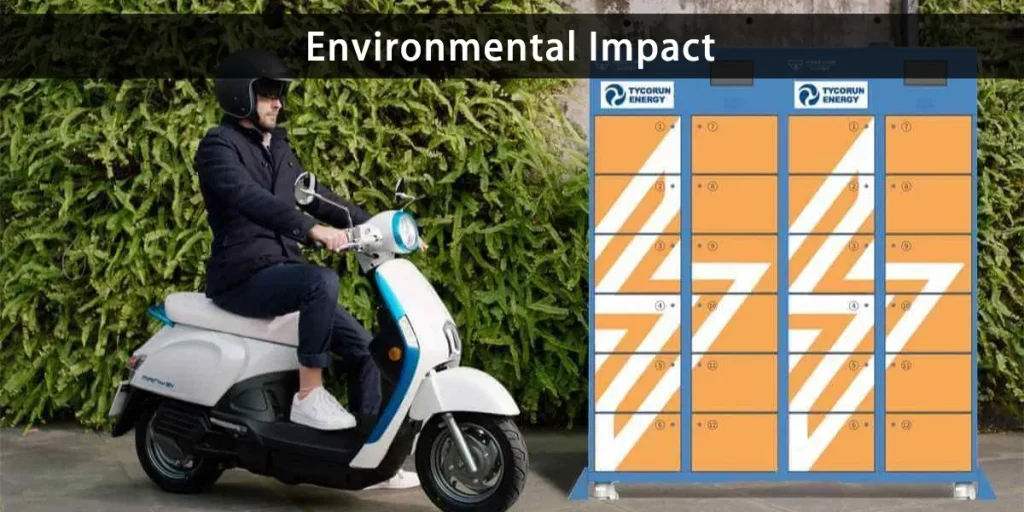
In the context of EV battery swap vs charging, battery swapping systems are generally more efficient because charging occurs at centralized facilities that can make better use of renewable energy. Meanwhile, charging stations rely heavily on local power sources; if they continue to use fossil-based energy, carbon emissions will remain high, even though the vehicles do not emit smoke directly. - Battery management and recycling
Battery swap has advantages for battery management. Because all batteries are managed in a single system, the recycling and replacement of worn-out batteries can be done more efficiently. This helps to reduce electronic waste. In contrast, in charging systems, the user is responsible for battery maintenance and replacement, which can result in inconsistent management of used batteries. - Long-term energy efficiency
When comparing EV battery swap and charging, long-term efficiency is also important. Battery swapping ensures consistent battery performance, allowing batteries to last longer and reducing the need for new production. In contrast, charging stations can continue to function efficiently as long as clean energy-based charging systems and a smart grid are in place. - Impact on energy infrastructure
Charging station systems have the potential to place a significant strain on the power grid, particularly during periods of high demand. In contrast, battery swap can control battery charging times, preventing power consumption spikes. In terms of sustainability, EV battery swap vs charging provides an interesting comparison of individual and systemic efficiency.
Which One Is Better for the Future?
The question of which is better between EV battery swap and charging does not have a clear answer. Both contribute significantly to the support of electric vehicles, albeit in different ways. Battery swapping is a quick and efficient solution that is ideal for vehicles with high mobility, such as electric taxis or logistics fleets. With the help of constantly improving lithium battery technology, this system has the potential to become the new standard for fast charging with no long wait times.
On the other hand, charging stations remain the primary choice in many countries because their infrastructure is more widespread and easily accessible to individual users. Although charging takes longer than battery swapping, advances in fast and ultra-fast charging technology continue to improve charging times, making them more practical for use at home and in public places. In the context of EV battery swap vs charging, the future of both appears to be complementary, depending on the needs and market conditions in each region.
You can also read this battery swapping motorcycle for more insight
Conclusion
It can be concluded that the debate of EV battery swap vs charging is not about determining which is superior, but about how the two can work together to accelerate the transition to sustainable electric mobility. Because the battery swapping system uses centrally controlled lithium-ion batteries, it provides improved energy management and increased time efficiency, making it appropriate for vehicles with high levels of mobility, like public transportation or logistics fleets.
Meanwhile, charging stations remain the most popular solution for individual users due to their flexibility and wider infrastructure availability. With advancements like rapid charging and the incorporation of renewable energy, this system keeps becoming a more effective and sustainable choice.
FAQS
Is battery swapping better than charging?
Battery swapping is superior in terms of speed because the battery replacement process only takes a few minutes. This system is suitable for vehicles that require high mobility, such as logistics fleets. However, charging is still more practical for individual users because it can be done at home without having to go to a swap station.
Does charging reduce battery life?
It can, especially if you frequently use fast charging, which generates high heat. This excess heat can accelerate the deterioration of lithium cells. However, with good power management and not charging to 100% too often, battery life can remain optimal.
Does battery swapping extend battery life?
Yes, because the charging process is carried out centrally with a stable temperature and voltage control system. This helps maintain the quality of lithium-ion batteries and prevents damage from overcharging or extreme temperatures.
How often should I charge my EV to 100%?
Preferably not too often. Ideally, charging should only be done to 80-90% to maintain a long battery life. Full charging can only be done when necessary, such as for long trips or emergencies.