Skip to content
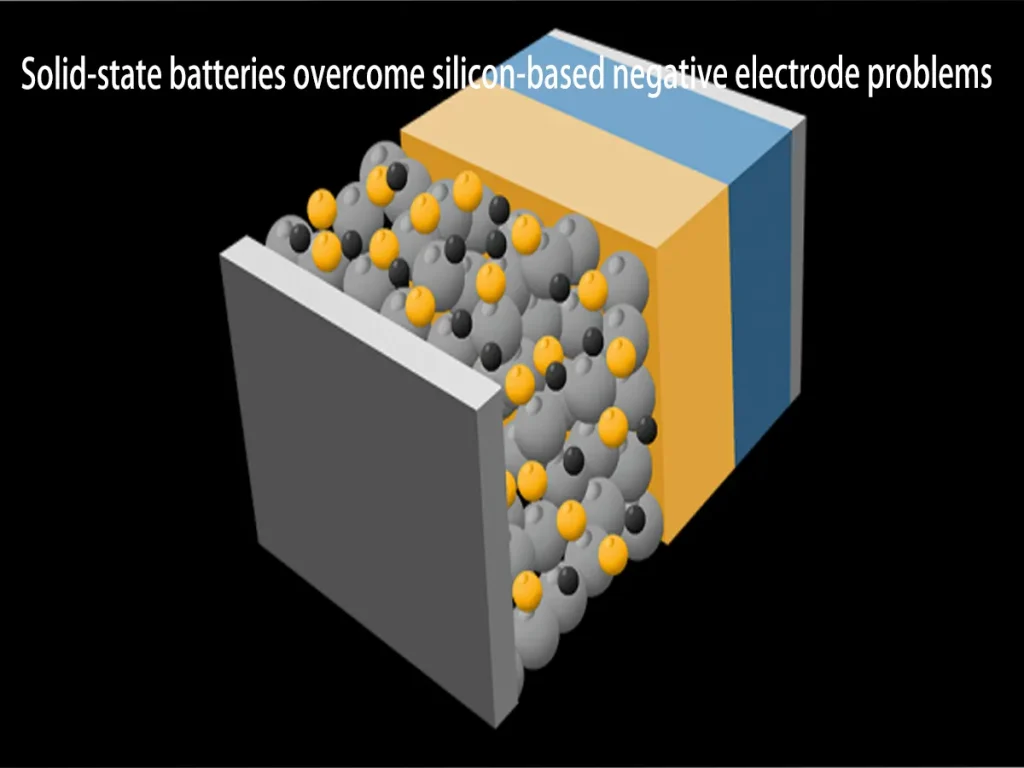

Anode materials play a crucial role in the innovative development of solid-state batteries, especially in improving the energy density of lithium ion battery. Currently, the reversible specific capacity of graphite anode materials has approached its theoretical limit of 372mAh/g. This situation has prompted scientific researchers to actively seek anode materials with higher specific capacities to break through the energy density bottleneck.

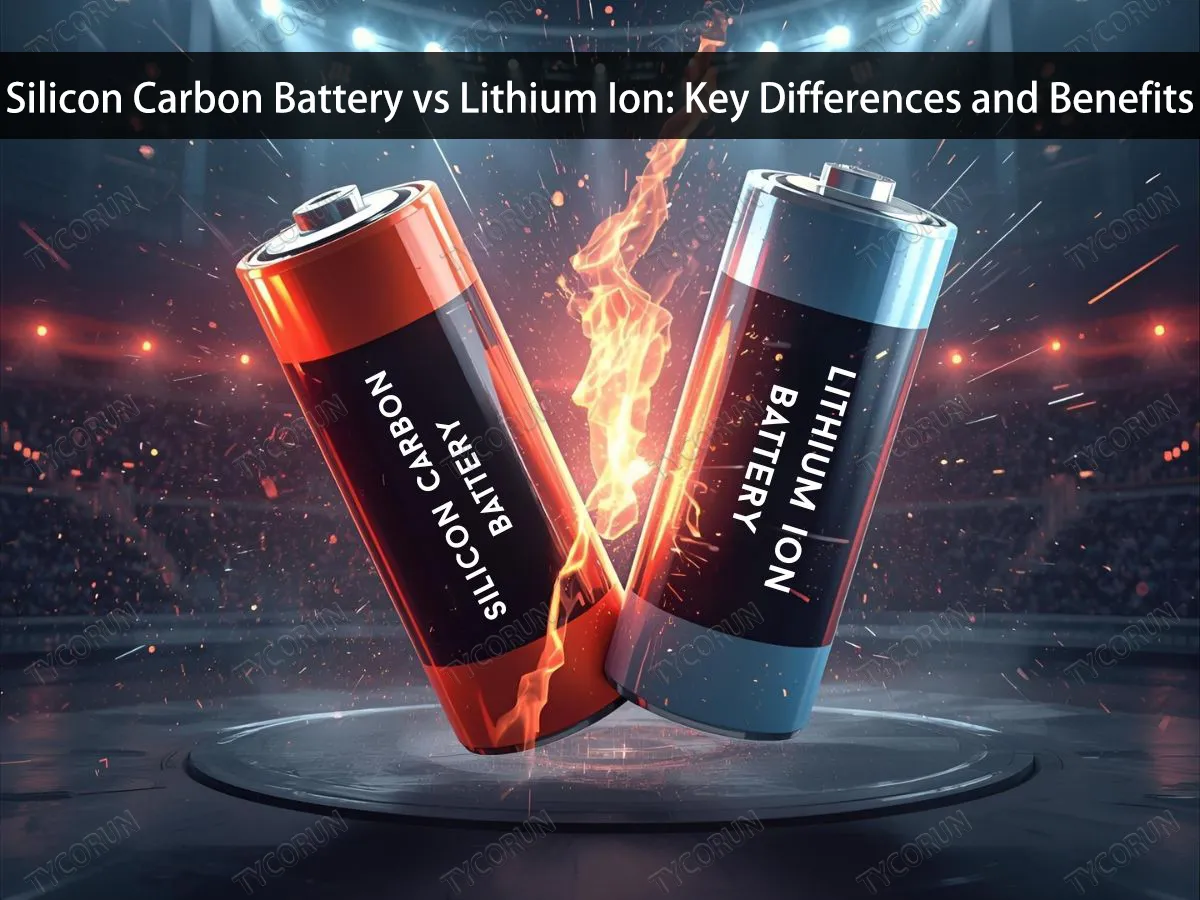
Silicon-based anode materials have become a hot topic in current research due to their excellent theoretical specific capacity. This value is as high as 4200mAh/g, which is ten times that of graphite anode materials, making it the leader in lithium ion battery anode material. The use of silicon-based negative electrode materials can not only significantly increase the mass energy density of lithium batteries by more than 8%, but also effectively reduce the production cost of batteries per kilowatt-hour, by at least 3%.
Therefore, the research and development and application of silicon-based anode materials are of great significance for promoting the innovation and upgrading of lithium battery technology and achieving higher energy density and lower cost battery products.
Recently, solid-state batteries can be said to be one of the hottest topics in the battery circle. In the A-share market, solid-state battery-related stocks have risen sharply. The industrialization of solid-state batteries has been fully implemented, and the material aspect must be overcome first.
Negative electrode materials are also one of the key innovation links of solid-state batteries. At present, the reversible specific capacity of graphite negative electrode materials is close to the theoretical specific capacity of 372mAh/g. Therefore, in order to improve the energy density of lithium batteries, it is necessary to develop negative electrode materials with higher specific capacity.
The theoretical specific capacity of silicon-based negative electrodes is 10 times that of graphite, and it is the negative electrode material of lithium-ion batteries with the highest known specific capacity. The mass energy density of lithium batteries using silicon-based negative electrode materials can be increased by more than 8%, and the cost of each kilowatt-hour battery can be reduced by at least 3%.
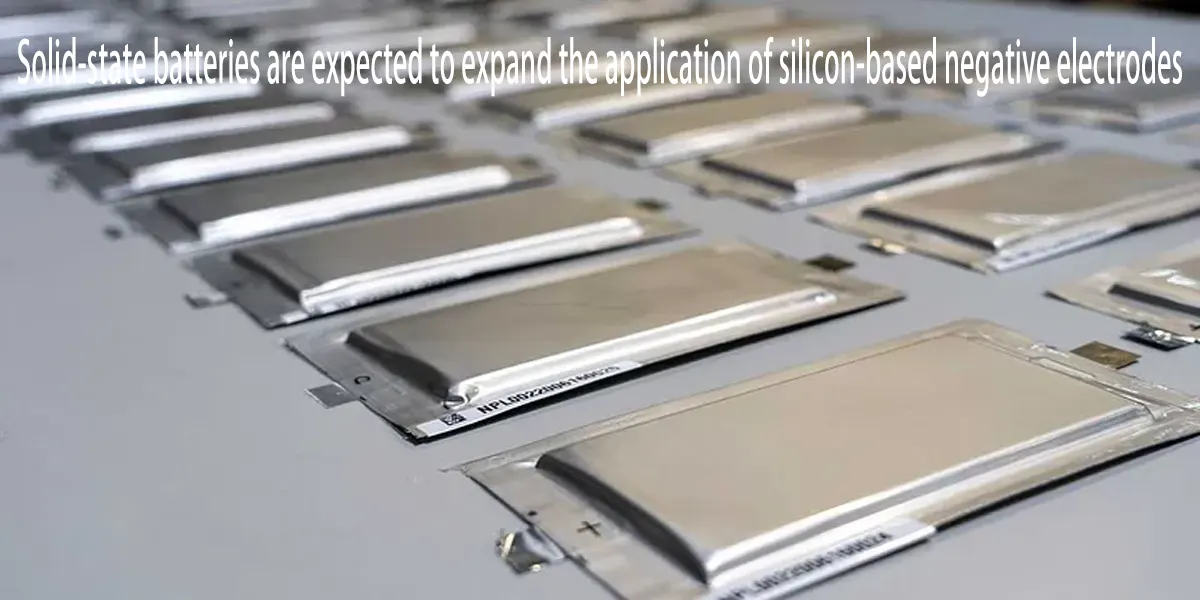
In addition, the solid-state battery system can better suppress the shortcomings of silicon negative electrodes. For example, in the sulfide system, the electrolyte has a high ionic conductivity, which can effectively promote the diffusion of ions in the silicon negative electrode pole piece and buffer the volume change of the silicon negative electrode. As the technology of new negative electrode materials such as silicon-based negative electrodes gradually matures, their shipments and market share are also gradually increasing.
According to the global data report of China Economic Industry Research Institute, the market size of silicon-based negative electrode materials industry has shown a rapid growth trend in recent years, mainly benefiting from the increase in demand for electric vehicles, energy storage equipment and portable electronic devices.
In 2025, the global market size of silicon-based negative electrode materials industry will rise to 29.75 billion yuan, an increase of more than 70% over 2024. Its growth momentum includes the continuous advancement of technology, the reduction of production costs, and the policy support of governments for clean energy and low-carbon economy, which further promoted the development of the industry.
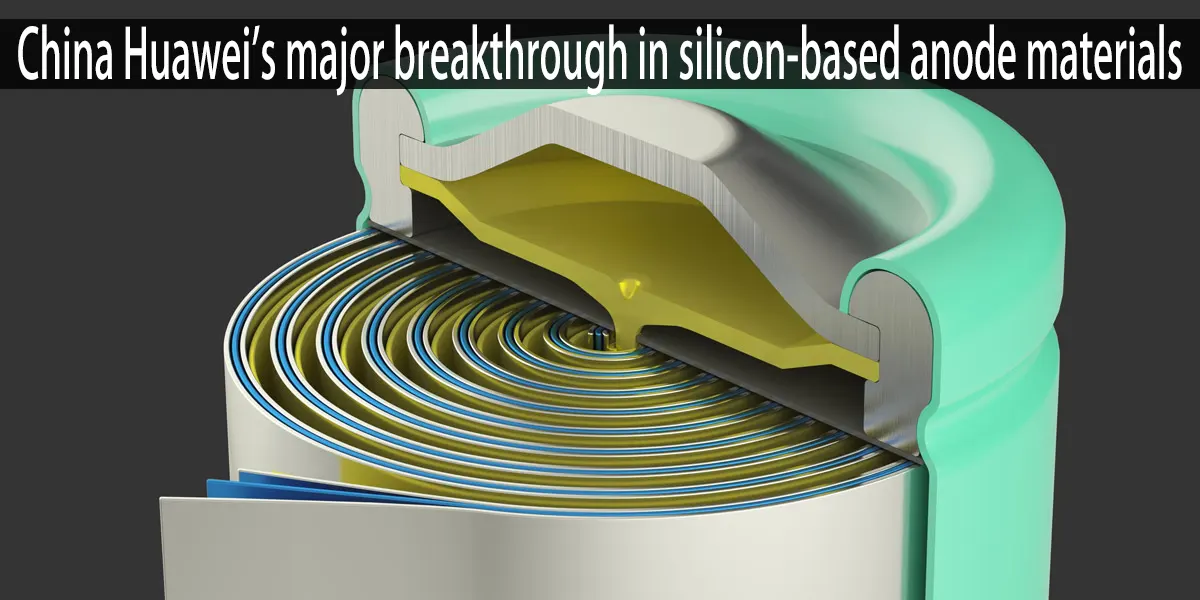
China’s Huawei has successfully overcome the expansion problem of silicon-based anode materials through innovative technical means. Specifically, during the preparation process of silicon-based anode materials, Huawei in China set up a conductive layer on the surface of silicon-based particles with a high silicon-to-oxygen ratio, which improved the conductivity of the particles and effectively reduced the volume caused by the deintercalation of lithium change.
This innovative design not only significantly improves the cycle performance of the battery, but also effectively reduces the expansion rate of the electrode sheet of the silicon-based negative electrode material in the charged state.
Currently, the application of silicon-based negative electrodes is becoming a battleground for battery performance differentiation. Since the second half of 2023, many brands models have been equipped with silicon-based anode power batteries, and the installation of silicon-based anode high-performance power batteries in vehicles continues to heat up. Leading battery companies are taking the lead in laying out silicon-based anode battery production capacity, and mainstream anode material manufacturers are actively building silicon-based anode material production capacity.
In 2023, the shipment volume of silicon-based anode materials will increase significantly, and the penetration rate will further increase. As silicon-based anodes gradually replace graphite as an important material for battery anodes, and silicon-based anode materials make further breakthroughs in technology and cost, silicon-based anodes are gradually moving towards industrialization. According to the China Business Industry Research Institute, it is estimated that the overall market size of global silicon-based anode materials is expected to reach 30 billion yuan in 2025.