Skip to content
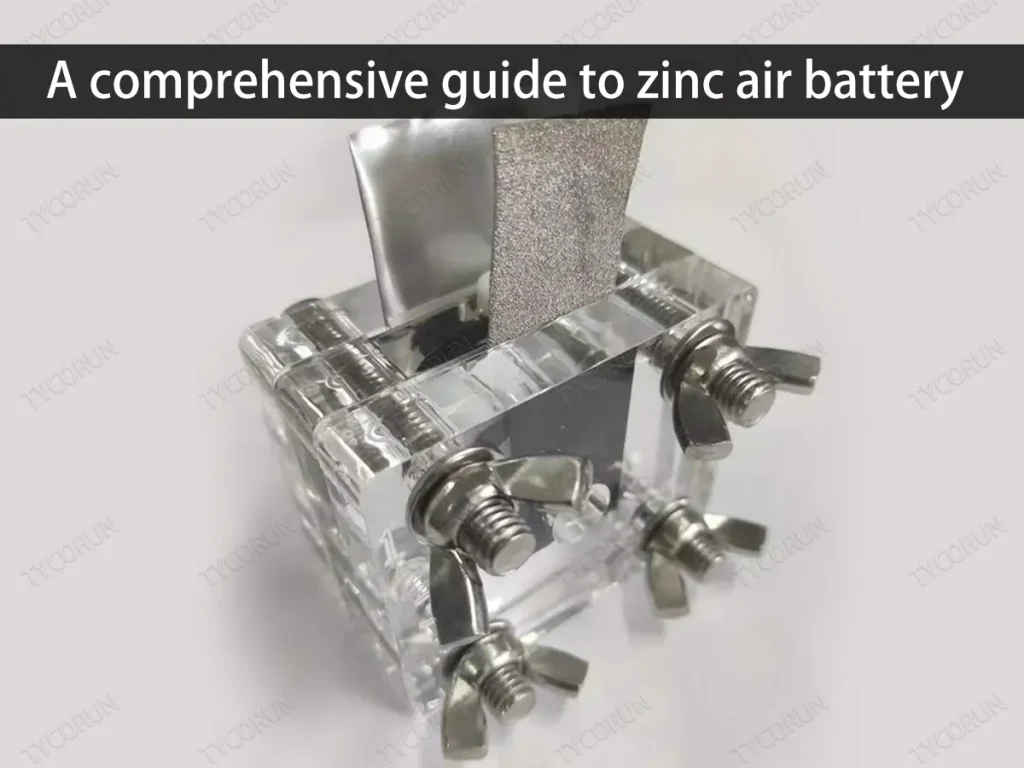

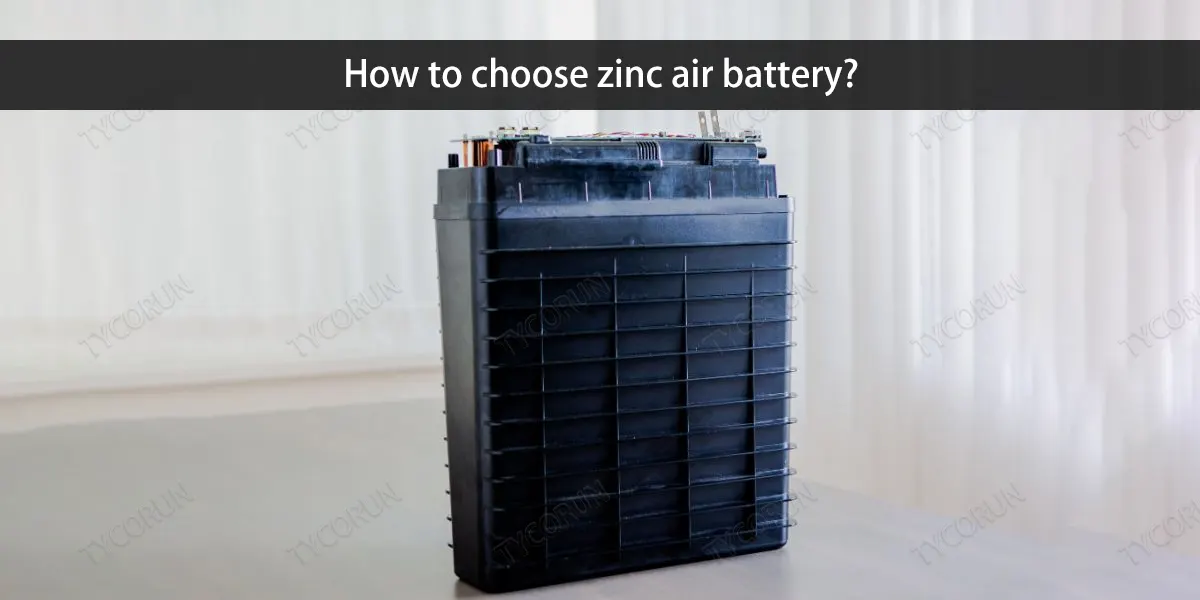
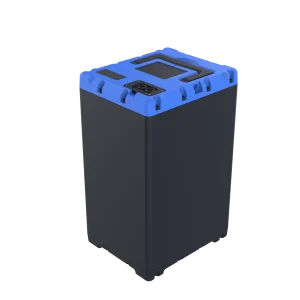
Zinc air battery is also called zinc-oxygen battery. The positive active material is oxygen in the air, the negative active material is active metal zinc, and the electrolyte is a potassium hydroxide aqueous solution containing saturated zinc oxide. It is an alkaline battery that uses zinc and air as electrochemical reaction materials. It is also a high energy density and low-cost battery technology with wide application potential.
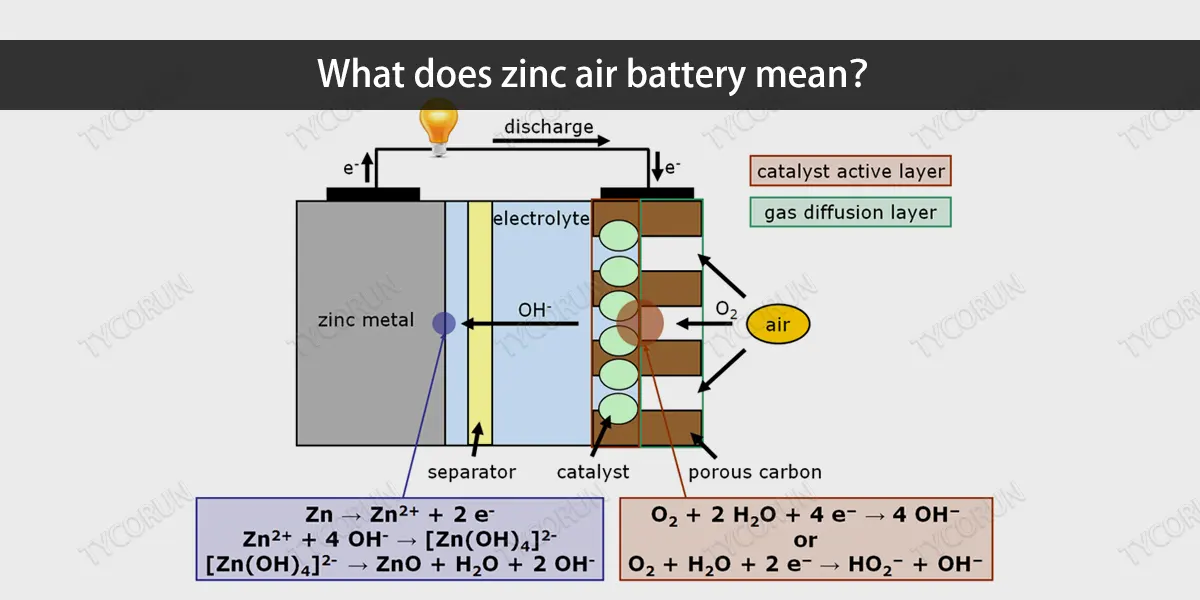
Zinc air battery have high energy density, low zinc anode cost, are environmentally friendly, and the active material of the cathode comes from air, which has good application prospects. However, the zinc electrode has the disadvantages of self-corrosion and low utilization efficiency; the cathode needs to develop a catalyst with lower cost, good catalytic performance, and stable electrochemical performance to promote the marketization of zinc air battery.
- High energy density: Zinc air batteries have a high energy density and can provide a longer life than conventional batteries.
- Environmentally friendly: Zinc is a non-precious metal, and the materials used in zinc air battery is relatively environmentally friendly and do not cause serious environmental pollution.
- Low battery self discharge rate: zinc air battery has a low self-discharge rate, so it can maintain a good charge when not in use for a long time.
- Temperature sensitivity: The performance of zinc air batteries is greatly affected by temperature and may perform poorly under extreme temperatures.
- Stable discharge curve: During the discharge process, the voltage of zinc air battery remains relatively stable, making them suitable for applications that require continuous current.
The working principle of zinc air battery is to convert chemical energy into electrical energy through electrochemical reaction by using zinc metal as the negative electrode material and oxygen in the air as the positive electrode material. During the discharge process, zinc metal is oxidized into zinc ions at the negative electrode, while releasing electrons. These electrons flow to the positive electrode through the external circuit and undergo a reduction reaction with oxygen in the air to generate hydroxide ions. Zinc ions and hydroxide ions recombine in the electrolyte to form zinc hydrate, completing the electrochemical reaction.
Advantages of zinc air battery
- High energy density: Zinc-air batteries have high energy density and can provide long-term continuous power output.
- Low cost: Compared with other battery technologies, zinc-air batteries have a lower cost, mainly because the materials they use, zinc and air, are both widespread and cheap resources.
- Environmental protection: The positive electrode material of zinc-air batteries is oxygen in the air, and no rare metals or toxic substances are required, which is environmentally friendly.
- Rechargeability: Zinc air battery can be charged through reverse electrochemical reactions, making them reusable.
Disadvantages of zinc air battery:
- High self-discharge rate: The zinc electrode is unstable in alkaline solution. After zinc dissolves, self-discharge will release hydrogen, which can consume the stored power in a short time;
- Unable to charge: This is the most fatal disadvantage of zinc-air batteries. This battery is a disposable battery and cannot be charged and recycled;
- Electrolyte is easy to leak: There are many tiny pores on the surface of zinc-air batteries, which are prone to leakage after long-term use. In addition, the electrolyte in the battery is highly corrosive. Once leakage occurs, the consequences are disastrous.
When choosing a zinc-air battery, the following aspects should be considered based on specific needs.
Specific energy and energy density:
Zinc air battery do not use positive electrode materials, but instead use oxygen from the air as the positive electrode. This allows the same volume of zinc air battery to be filled with more negative electrode materials, thereby increasing energy density and specific energy. For example, zinc-air batteries can typically deliver 3 to 10 times the power of other batteries.
Stability and voltage:
Zinc air battery has more stable voltage output and less noise, which makes it more suitable for applications that require high stability, such as medical devices.
Service life:
The service life of a zinc air battery is affected by storage conditions. Under ideal storage conditions, a zinc air battery can maintain its charge for a long time. For example, at room temperature, the charge may drop to 95% after one year, drop to 90% after two years, and still have 85% after four years.