Skip to content



At the same time, it is also found that polymer materials are solving various problems encountered by lithium-ion battery packs in various states, functions, and structures.
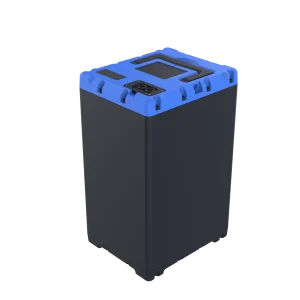
In this article we will focus on the introduction of battery pack materials and explore the mysteries.
Battery pack case
When explaining battery pack material, the battery pack case material will be introduced first. The battery pack case material should have the characteristics of electrical insulation, high heat dissipation and chemical stability.
At present, metal is widely used as the battery case material, and composite materials are gradually being valued due to their excellent specific rigidity.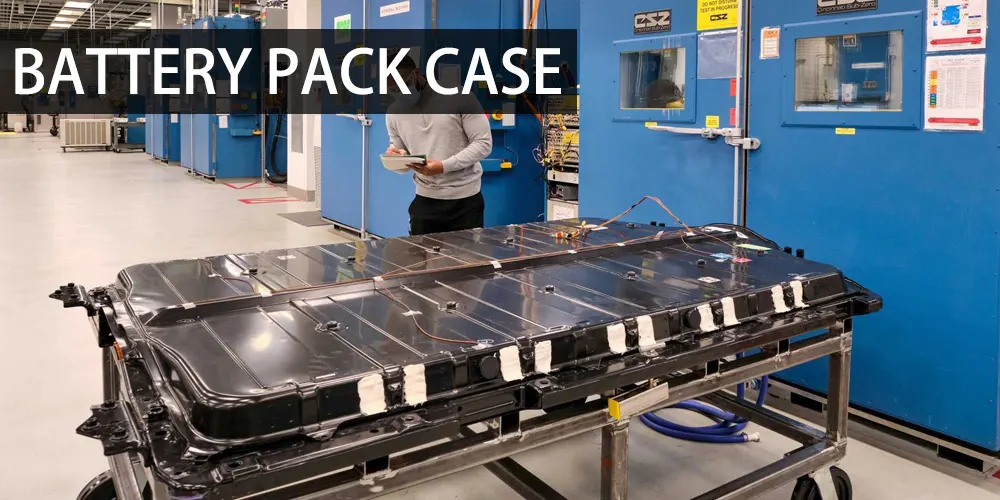
Among the metal materials used in the battery pack case, the steel plate material has a simple manufacturing process, low cost, good thermal conductivity, impact resistance and thermal management capabilities, and is a commonly used material for the case.
With the deepening of automobile lightweight design concepts, aluminum alloy has gradually become the main material selected by top 10 power battery companies in the world due to its advantages such as low density, high rigidity and good die-casting performance.
Some passenger car battery pack case materials:
| Model of the vehicle | Battery pack case material |
| Tesla Roadster | Aluminum plate |
| BMW i3 | Aluminum plate |
| Chevrolet Volt | Steel plate |
| Honda Fit EV | Steel plate |
| Cadillac CT6 | Aluminum alloy |
| Audi Q7 e-tron | Aluminum alloy |
| Nissan Leaf | Steel plate |
High or low voltage connector system
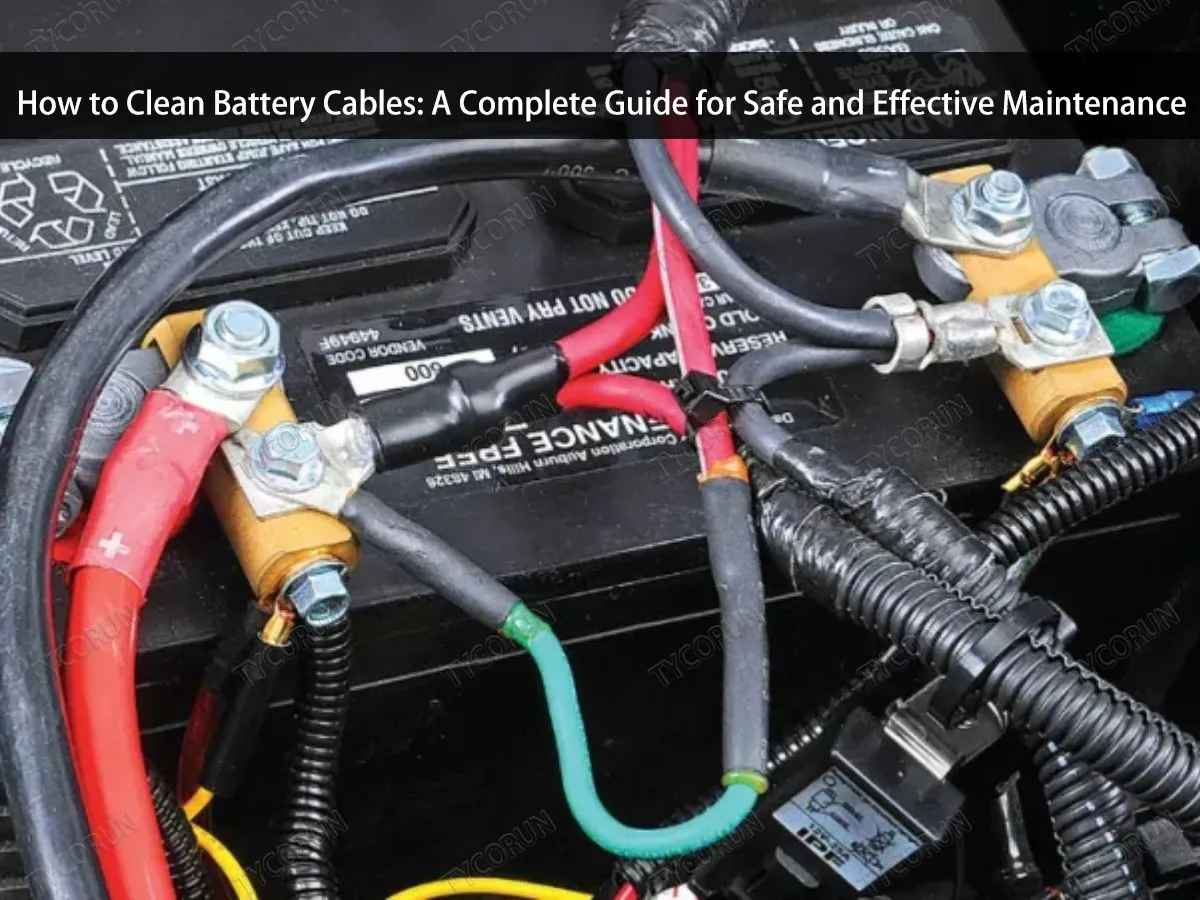
In battery pack material, the high-voltage and low-voltage connections act as the “nerves” of the battery system, effectively outputting power and information to the outside world.
With the increasing market demand for high-voltage batteries, the requirements for high-voltage connectors are also increasing.
Compared with traditional connectors, high-voltage connectors will withstand higher voltage and current. Therefore, higher safety, reliability and weather resistance are required.
The structure of high-voltage connectors is much more complicated. A connector will involve dozens of precision parts, including plastics, terminals, springs, snap buttons, inner shells, etc.
At the same time, the integration of high-voltage connectors is very difficult. During the integration process, product compatibility and magnetic field interference must be considered, followed by heat dissipation and waterproof issues.
Thermal management system and materials
Power battery thermal management is a key technology in the field of lithium-ion batteries. Its main purpose is to ensure that the temperature of the battery is within a safe range during use and charging. The thermal management material in the battery pack material is an indispensable technical support to achieve this goal.
Next, the main materials for power battery thermal management will be introduced:
● Cooling plate: The battery cooling plate is an important terminal device in the battery fluid cooling and heat management system. The heat transferred from the battery case is absorbed by the fluid inside the cold plate.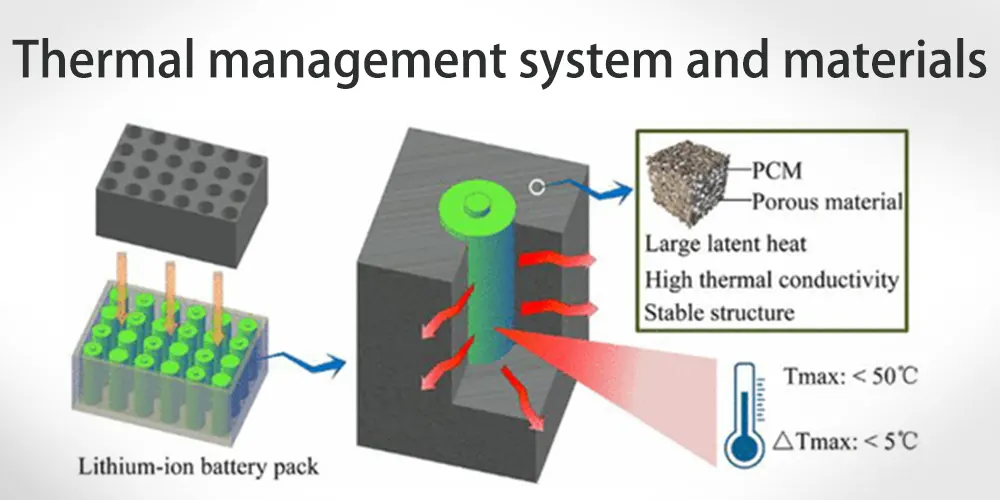
● Cooling pipe: In order to ensure the cooling effect of the battery, the cooling pipe needs to be placed between the battery cells. At present, long carbon chain nylon PA12 is mainly used to extrude straight or corrugated pipes for cooling pipe applications in electric vehicles.
● HCCF two-way condensation control fiber: When the temperature and humidity in a semi-closed or airtight environment change, HCCF can efficiently control the humidity in the environment and suppress the generation of fog and condensation.
● Heat insulation foam: Because heat insulation foam has excellent characteristics such as light weight, softness, impact resistance, heat insulation, and non-toxicity, it has protection and impact resistance for objects.
Therefore, it has become a new type of material for flame retardant, heat insulation and shockproof of battery modules.
Battery protection components and materials
The most important work at the power battery pack level is to build an effective protection system.
The importance of protective components in battery pack material in battery safety cannot be ignored. Battery protection materials can not only provide reliable protection for batteries, but also a prerequisite for batteries to pass battery test.
Next, the main protective materials for batteries will be introduced:
● Flame-retardant foam: At present, the flame-retardant foam is mainly used in the application of silica gel foam, which is mainly used for the sealing of battery packs, and between the modules and batteries of some models.
● Waterproof and breathable membrane: Waterproof and breathable membrane is a new type of polymer waterproof material. The waterproof and breathable membrane has air holes, which can balance the air pressure inside and outside the battery and release heat.
● Heat-conducting silicone sheet: Due to the certain elasticity and viscosity of the heat-conducting silicone sheet, the whole system has a certain buffering effect. The contact thermal resistance between the phase change material and the battery is reduced, and the heat dissipation performance of the whole system is further improved.
● Epoxy board: Epoxy board, also known as glass fiber cloth, is made of epoxy resin and heated under high pressure. The electrical performance is stable under high humidity, and it is used to prevent electrical short circuits caused by battery leakage, and the effect is very significant.
● Protective insulation bracket: The bracket is a fixed bracket for installing the battery, which plays the role of fixing the battery cell and clamping protection. The material of the battery fixing bracket is required to be flame retardant, high strength, high toughness, high CTI value, etc.
● Battery skin: PI film is a thin film insulating material with good performance. PI film has good chemical stability, moisture resistance and heat resistance. PI film can form single-sided or double-sided high temperature resistant tape for electronic packaging protection.
Summary
In short, in the power battery pack, the application of box materials, thermal management materials and other materials can improve the safety, energy density and service life of the battery.
At the same time, the optimization of materials must also consider factors such as cost and sustainability to achieve the best cost performance.