Skip to content
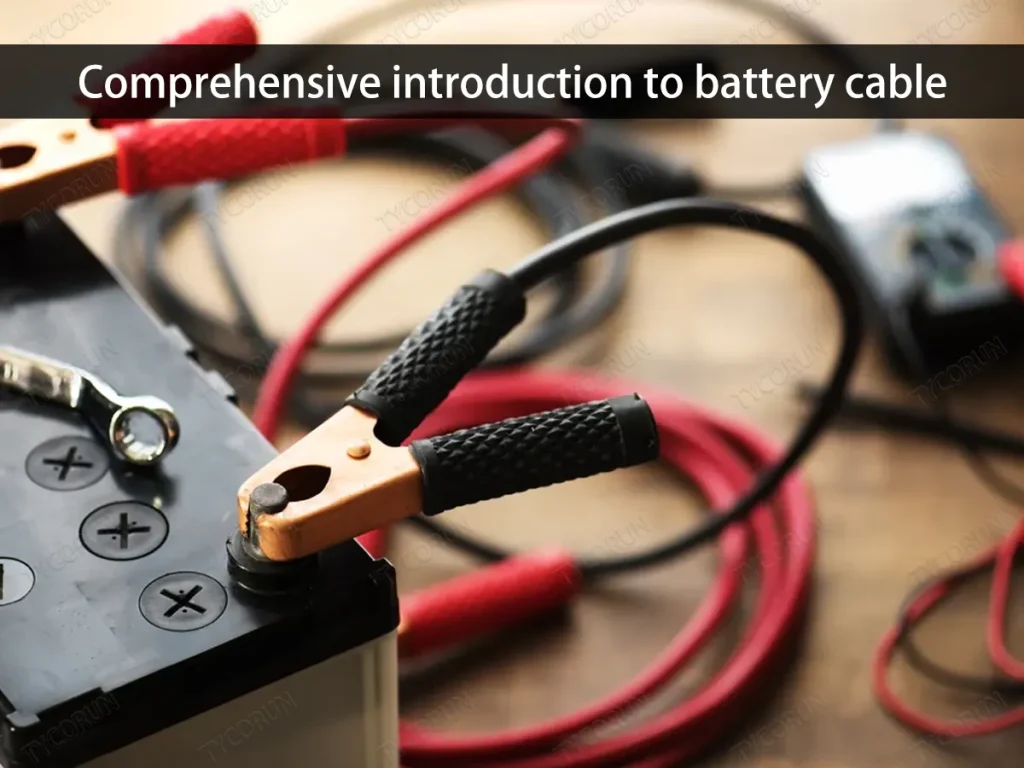

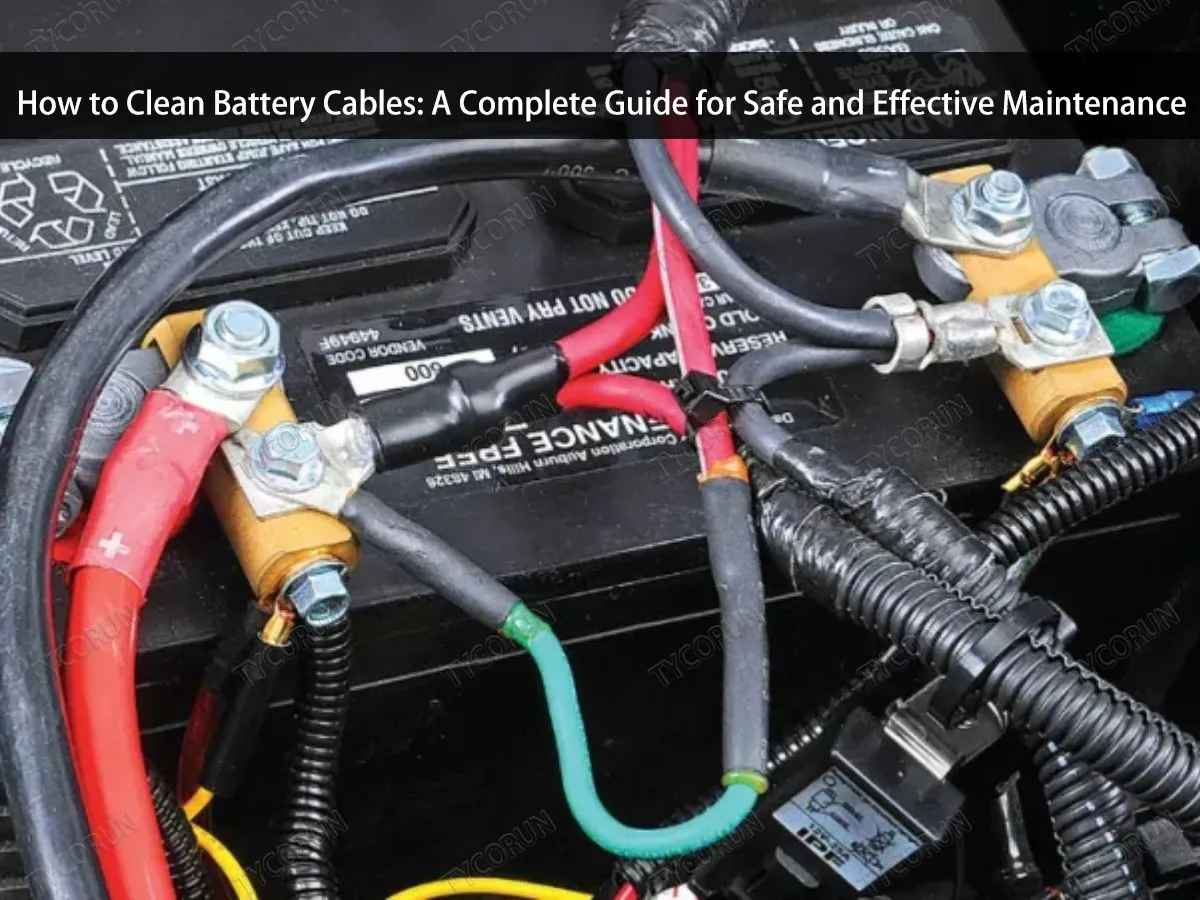
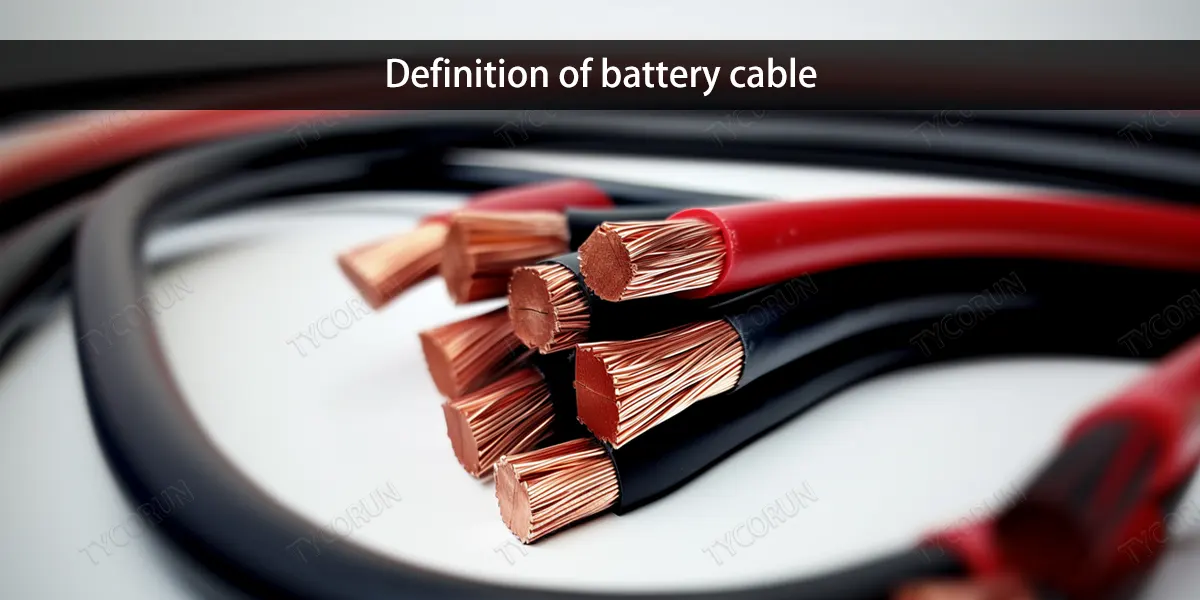
battery cable is a kind of cable specially designed for connecting batteries and charging devices for power transmission. It usually consists of a power supply plug, a control box and a vehicle plug, and is suitable for connecting household chargers and portable charging devices to the charging power source. The design and manufacturing standards of such cables usually follow the relevant national standards to ensure their safety and reliability.
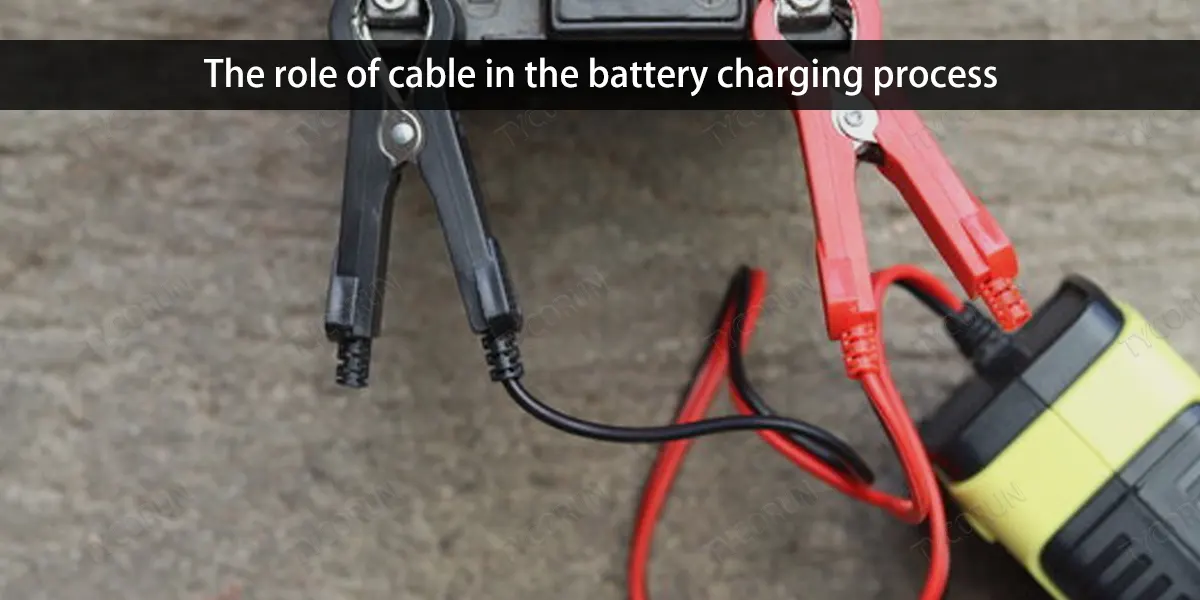
Cables play a vital role in the battery charging process and are the medium for transferring current from the charger to the battery. Cables can transmit electrical energy and cables are an important medium for transmitting electrical energy in the battery charging process. Through the cable, AC or DC power can be transmitted to the battery to realize the battery charging over.
Distribution of electrical energy: in the battery charging system, the cable not only transmits electrical energy, but also plays the role of distributing electrical energy. Through reasonable cable layout and design, it can ensure that the power is evenly distributed to each battery unit to ensure the efficiency and safety of charging.
Protecting the battery: The selection and use of cables is also very important in the battery charging process. For example, using the right type of cable (e.g. BV type wire) can ensure stable current during the charging process, reduce damage to the battery, and prolong the service life of the battery.
Adapt to different charging methods: Different charging methods (e.g. constant current charging, constant voltage charging, pulse charging, etc.) require different types of cables to support them. For example, constant current charging needs to keep the current constant, while constant voltage charging needs to keep the voltage constant, which requires cables with stable conductivity and voltage resistance. In short, high-quality cables are essential for reliable energy transfer and help to achieve efficient and safe battery charging.
High voltage and temperature resistance: High rate battery cables need to be able to withstand high voltages and temperatures. During the charging process, the cable may be exposed to high temperatures, so it must have good high temperature resistance characteristics.At the same time, the insulation layer of the cable should have good insulation properties to prevent current battery leakage.
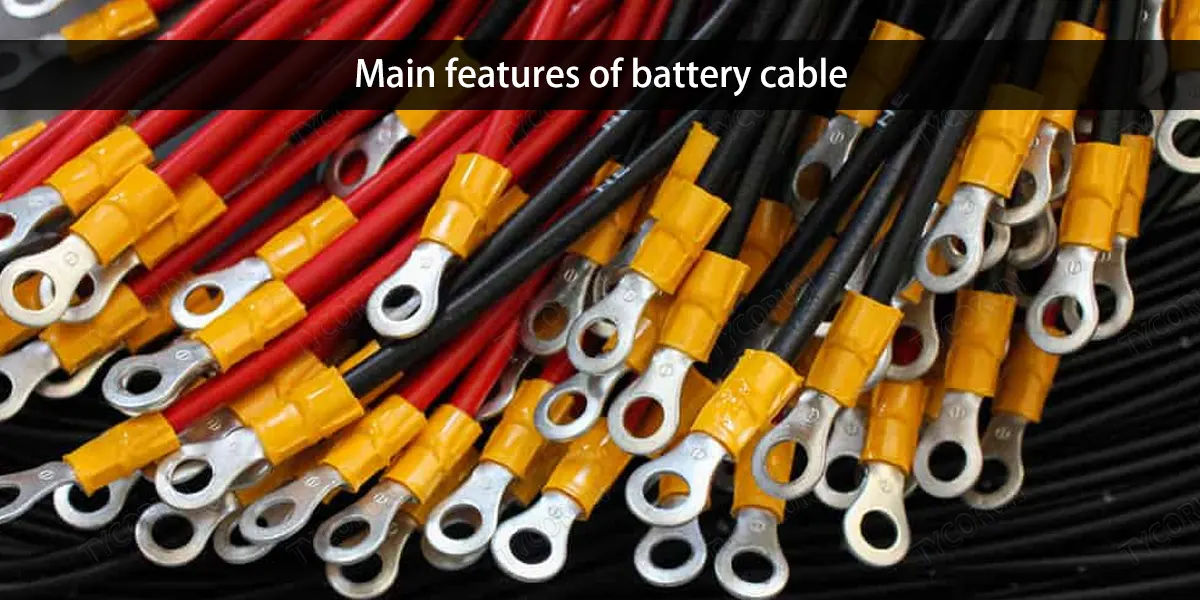
Conductivity and current carrying capacity: battery cables need to have excellent conductivity and sufficient cross-sectional area to ensure the stability and safety of current transmission. High current carrying capacity is key to meeting the demand for fast charging of electric vehicles.
Abrasion and aging resistance: Since battery cables are frequently bent, stretched and twisted during use, they must have good resistance to abrasion. In addition, the cables should be resistant to aging in order to cope with the harsh environments they may face during long-term outdoor use.
Waterproof and anti-electromagnetic interference: battery cables need to have good waterproof performance to prevent short-circuit problems caused by moisture. At the same time, the cable should have anti-electromagnetic interference characteristics to ensure the stability and accuracy of signal transmission.
Environmental protection and safety performance: cable materials should meet the environmental requirements, does not contain harmful substances. In addition, the cable should have flame retardant, fire-resistant and other safety properties to prevent the rapid spread of fire and other accidents.
High flexibility and ease of wiring: battery cables should have high flexibility characteristics to facilitate the use of corner wiring in a small space. At the same time, the minimum bending radius of the cable should be moderate, so as to facilitate the use of on-board wiring.
Functions:
Power transmission: The main function of battery cables is to convert AC power to DC power and transmit it to the battery to complete the charging process.
Protection function: Some high-end charger cables also have over-voltage, over-current, overheating and other protection functions to ensure the safety of the charging process.
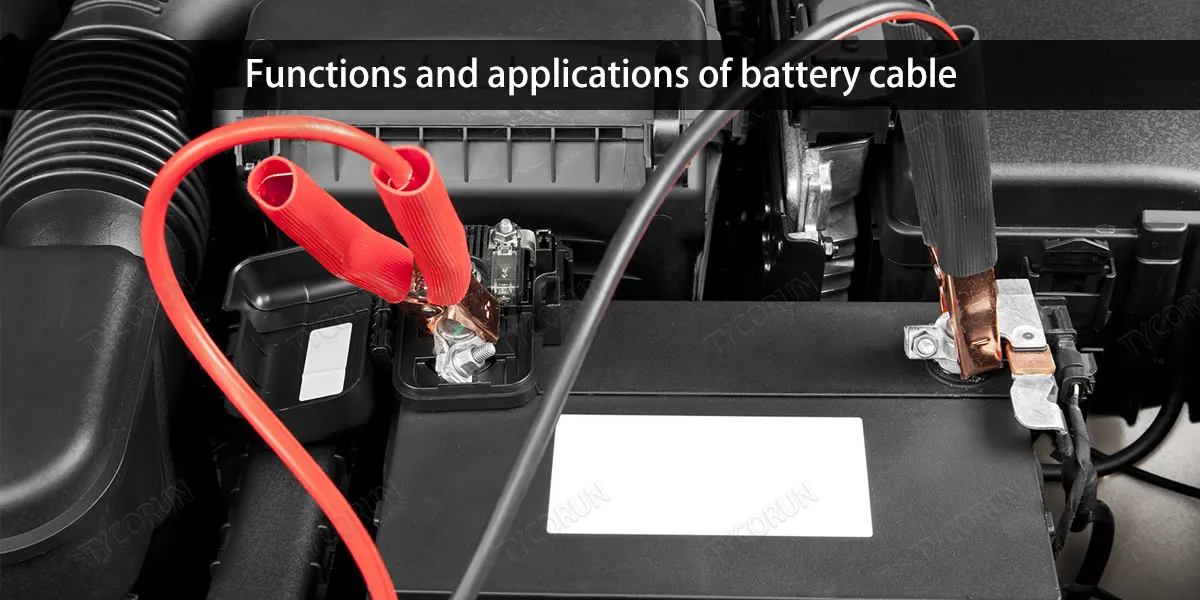
Application Scenarios:
Electric vehicle charging: battery cables are widely used in electric vehicle charging stations, electric vehicle fast charging stations, electric vehicle on board charger and other places to meet the demand for fast charging of electric vehicles.
Household appliances: Electric vehicles, power tools, laptops, digital devices and other household appliances also use battery cables for fast charging battery.
Industrial applications: In the industrial field, battery cables are used for charging all kinds of electric equipment to ensure the normal operation of the equipment.
In the battery cable system, the battery provides electrical energy as a power source, and the cable is used as a transmission medium to transmit the electrical energy to the electrical equipment. The specific working process is as follows.
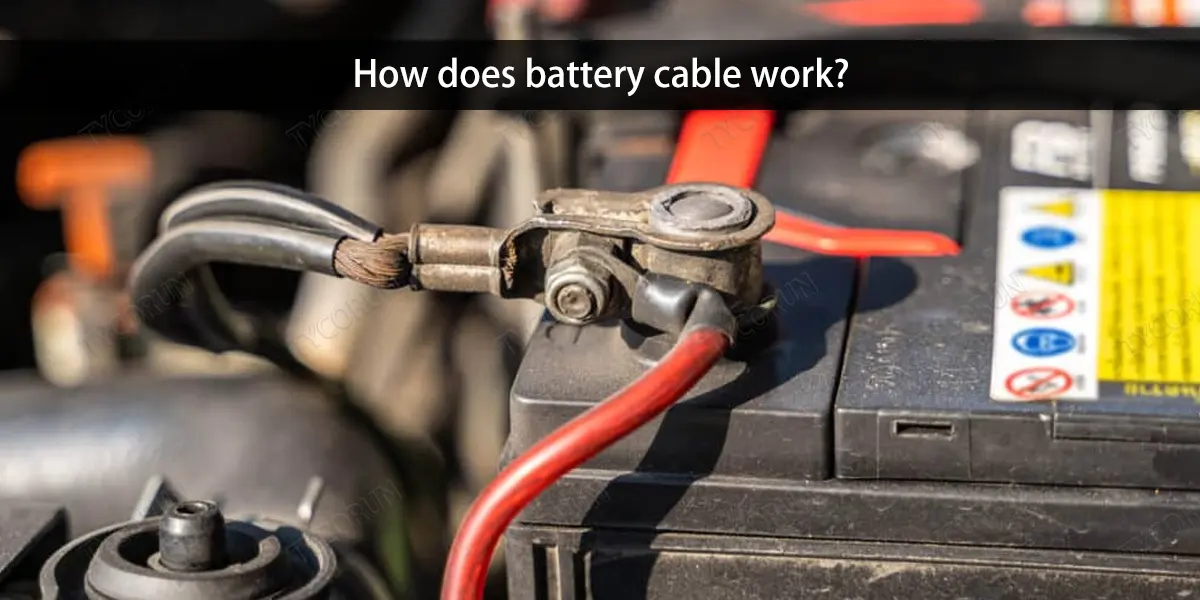
Electric energy generation: A chemical reaction occurs inside the battery, generating a potential difference, driving electrons to flow from the negative electrode to the positive electrode.
Electric energy transmission: Electrons are transmitted to the electrical equipment through the conductor part of the cable. Since the cable is protected by an insulation layer and a sheath, the electrical energy can be transmitted safely and stably to the destination.
Electric energy utilization: The electrical equipment receives the electrical energy transmitted by the cable and converts it into other forms of energy (such as mechanical energy, heat energy, light energy, etc.) for use.
In order to ensure the long-term stable operation of the battery cable, regular maintenance and repair is required.
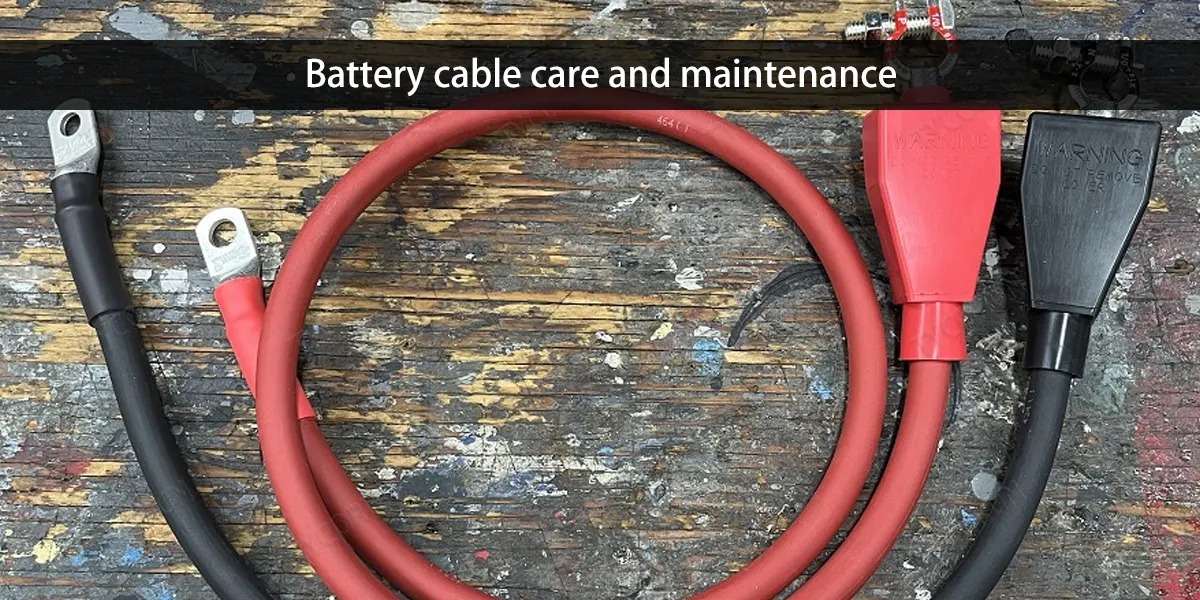
Check the appearance: check whether the cable is broken, aging and other phenomena.
Test performance: test the insulation resistance and conductivity of the cable to see if it meets the requirements.
Clean the surface: Clean the surface of the cable of dirt and oil, etc., to avoid affecting the conductive properties.
Avoid excessive bending: stretching and twisting: pay attention to avoid excessive bending, stretching and twisting of the cable during use to extend its service life