Skip to content
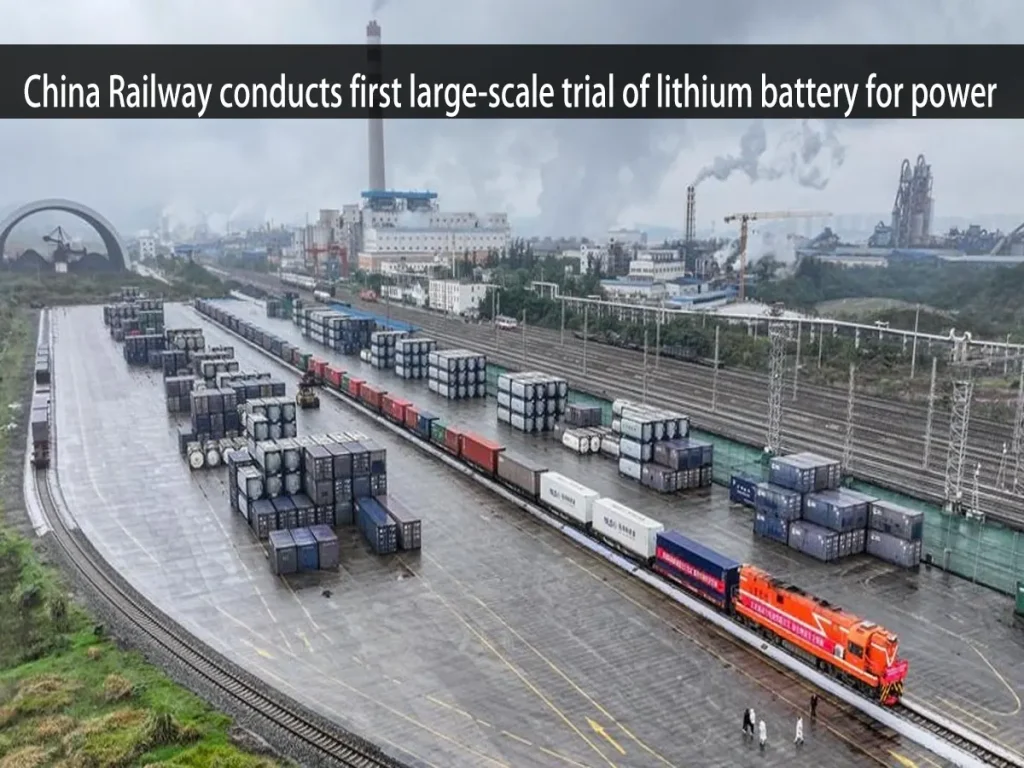

China is one of the major producers of power lithium batteries in the world. With a sophisticated lithium battery manufacturing process, power lithium batteries serve as the “heart” of electric vehicles and are the key to supporting the high-quality development of the new energy vehicle industry. At present, power lithium batteries rely mostly on sea and road transportation, which is difficult to meet the growing transportation demand. This trial operation of power lithium batteries is a further recognition of the safety performance of China’s power lithium batteries and has opened up a new path for its efficient transportation. It will further reduce logistics costs, improve logistics efficiency, and help China’s power lithium batteries “go global.”
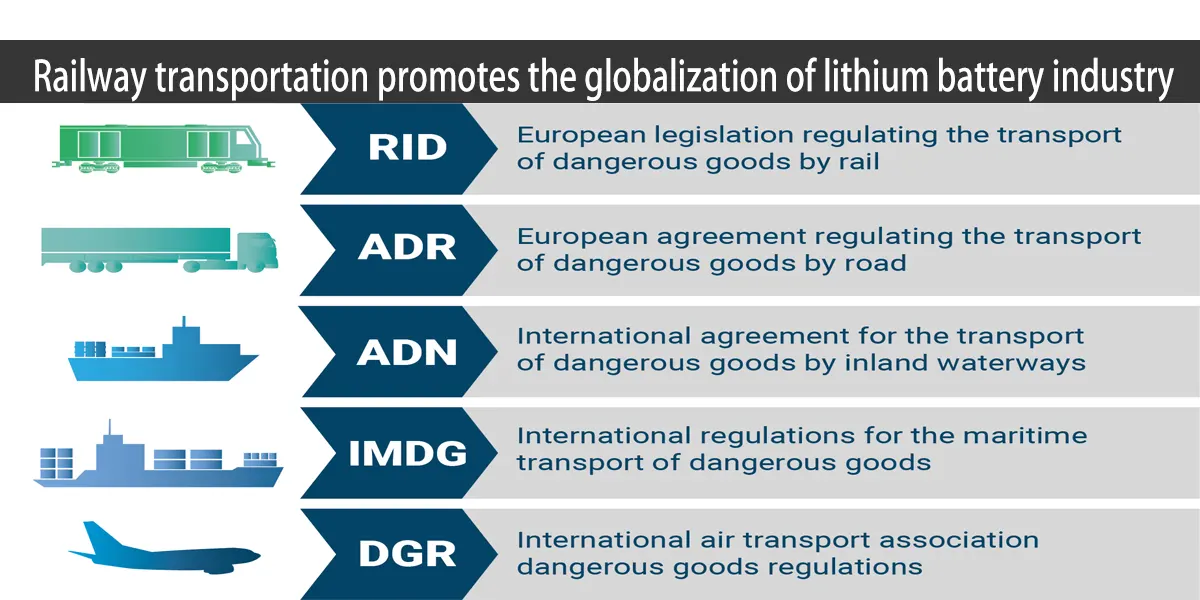
Railway transportation, with its large capacity, moderate cost, and minimal weather impact, offers an efficient solution for bulk and medium to long-distance goods. The opening of power lithium battery railway transportation, including 20Ah lithium battery, promotes the “road to rail” shift, reducing emissions, costs, and improving efficiency. In the future, connecting with the China-Europe Express will further enhance the global competitiveness of China’s lithium battery industry.
The efficiency and safety of power lithium battery transportation are crucial to the development of the industry. In order to further reduce transportation costs and improve the resilience of the new energy power battery supply chain, CATL actively participated in the lithium battery railway transportation pilot project of China National Railway Group Co., Ltd. On June 5 and 15 this year, it completed a number of tests such as “thermal runaway” and “rail impact” for lithium battery railway containers. With its advanced lithium-ion battery capacity, it performed well in terms of product safety, stability, packaging methods, and box fixing methods, and was unanimously recognized by the experts attending the meeting。
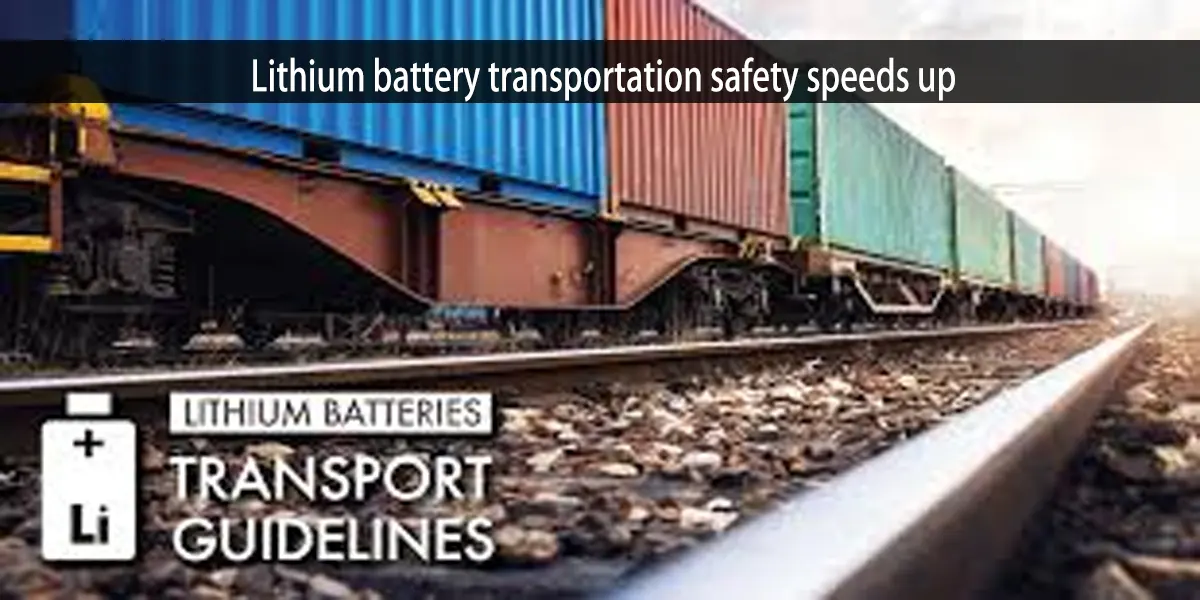
It is worth mentioning that industry leaders such as CATL and BYD have actively participated in the lithium battery railway transportation pilot project organized by China National Railway Group. Previously, CATL has taken the lead in carrying out a series of rigorous testing projects for lithium battery railway containers, including the highly anticipated “thermal runaway” simulation experiment and the “rail impact” test simulating the actual transportation scenario.
Through comprehensive and detailed tests, it has fully verified the excellent safety and stability of its products in the railway transportation environment. At the same time, the China Railway Corporation has formed a professional team with the help of various parties, and has devoted itself to the research and development and innovation of special containers and the scientific formulation of trial operation specifications, laying a solid technical foundation and a complete institutional guarantee system for the railway transportation of power lithium batteries.
China has begun piloting the transportation of high power battery by rail and plans to promote it to China-Europe trains to expand export transportation methods. The success of this pilot marks China’s “zero breakthrough” in power lithium battery railway transportation, which is expected to further reduce logistics costs and improve the stability and resilience of the supply chain.
The complete success of this large-scale trial operation, including lithium battery shipping, has multi-dimensional positive significance for promoting the sustained and steady development of China’s new energy industry.
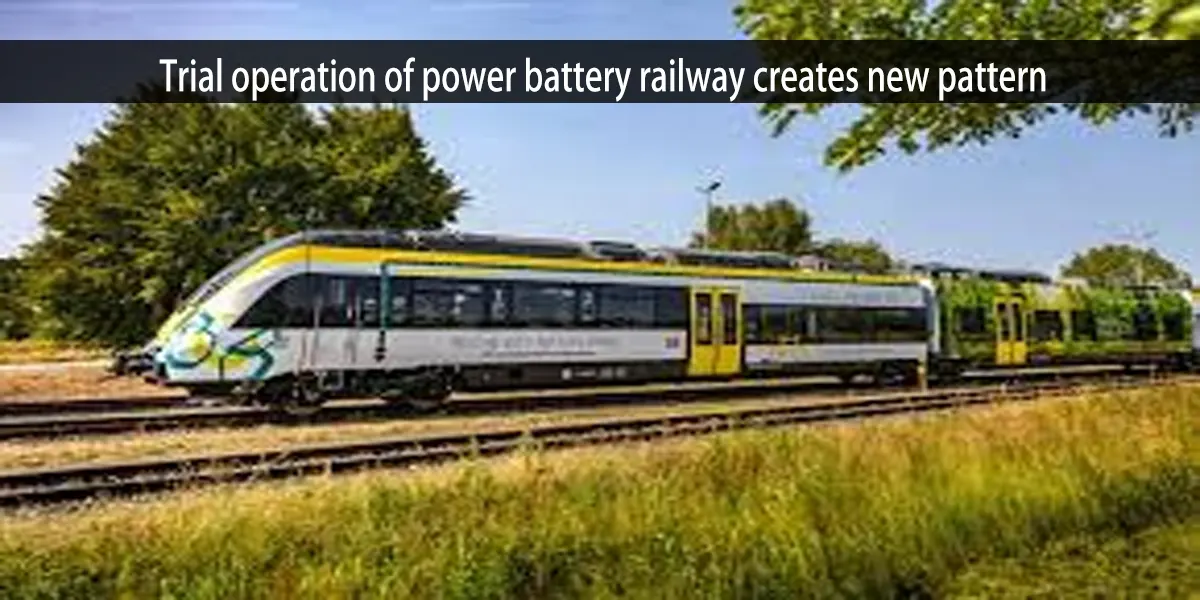
First, it will help further optimize China’s transportation structure, vigorously promote the strategic shift of bulk cargo and medium- and long-distance cargo transportation from traditional road transportation to railway transportation, play a strong voice in the era of “road to rail”, and reduce carbon emissions in the transportation process. emissions, and contribute to China’s ambitious goal of reaching carbon peak and becoming carbon neutral.
Secondly, the stability and efficiency of railway transportation will significantly improve the supply efficiency of power lithium batteries, effectively reduce transportation costs, further enhance the overall resilience of the new energy power battery supply chain, and pave the way for the vigorous development of China’s new energy automobile industry. Provide solid and powerful support to help them seize opportunities in global market competition. With the seamless connection between railway transportation and China-Europe trains, the influence and competitiveness of China’s lithium battery industry in the global market can achieve a qualitative leap, further consolidating China’s leading position in the global new energy field.
At present, the logistics and transportation of power batteries in China mainly rely on road transportation. According to statistics, in 2023, the number of power batteries transported by road in China will reach about 9.4 million tons, accounting for more than 90%, which highlights the dominant position of road transportation in power battery logistics. However, compared with Europe and North America, China lags behind in the railway transportation of power batteries. In Europe and North America, the proportion of lithium batteries transported by rail has reached 20%, which shows their active exploration and effective practice in diversified transportation methods.

Previously, because the transportation of power batteries failed to meet the strict safety standards of China National Railway Group, railway transportation has not been widely used in the field of power battery logistics. However, with the continuous breakthroughs and innovations in technology by leading enterprises in the industry, the railway transportation of power batteries has finally ushered in a breakthrough, providing new possibilities for the transformation of the logistics and transportation mode of power batteries.
The promotion of battery rail transportation is inseparable from the strong support of technological innovation. In order to meet the special needs of battery transportation, China Railway Department cooperated with relevant enterprises to develop a series of special transportation equipment and technical standards, including special carriages that are shockproof, collision-proof, and leak-proof, as well as intelligent monitoring and management systems to ensure the safety and stability of batteries during long-distance transportation. In addition, through big data analysis and cloud computing technology, the transportation process has been visualized and traceable, further improving logistics efficiency and service quality.