Skip to content

Car Battery Protectors: Do You Really Need Them and How to Pick the Best?
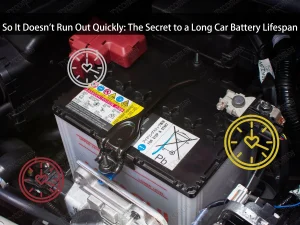
Have you ever noticed that your car’s battery drains quickly or seen rust on the terminals? The battery’s lack of protection is one of the main causes of this. After all, the battery is the core of your cars electrical system which if it fails, it can impact every system in the vehicle.
Car battery protectors are useful in this situation. Although this little device is often ignored, it can help your battery live longer, remain stable, and avoid premature damage. A protector can be a lifesaver, especially if you prefer installing extra equipment like a big music system or often use your car in bad weather.
Everything you need to know about car battery protectors will be discussed in this article, including their definition, operation, if lithium batteries also require protectors, and advice on how to pick the best one.

What Are Car Battery Protectors?
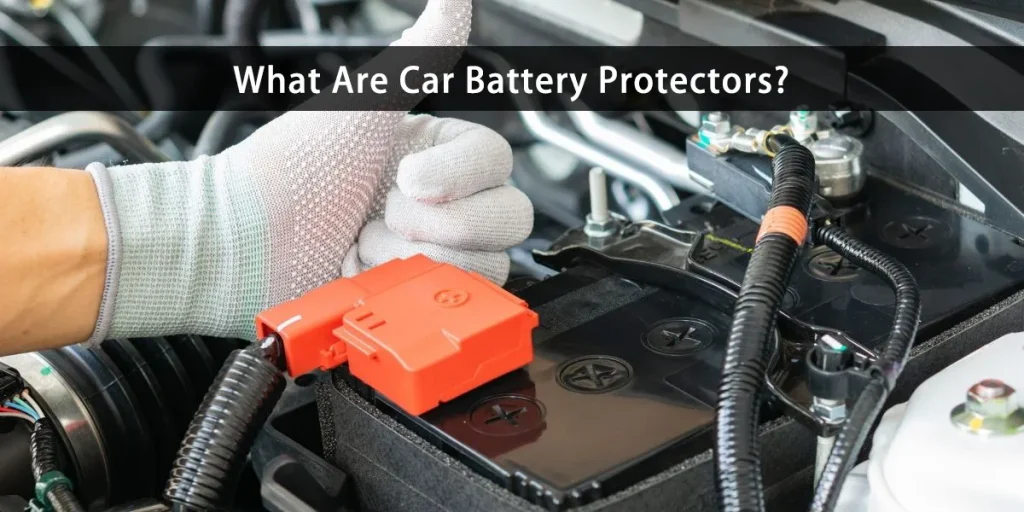
How Car Battery Protectors Work
In short, car battery protectors work by keeping out minor issues that might speed up the battery’s degradation. Several kinds of mechanisms are used often:
- Reduced battery terminal corrosion
Because of a chemical reaction between the acid vapor from the battery and the air, battery terminals frequently corrode. Oil, spray, or coverings are examples of protectors that create a protective barrier to avoid this reaction from happening easily. - Maintaining stable battery temperature
Extreme cold can make it harder for the battery to supply power, while excessive heat may speed up the loss of the electrolyte fluid inside the battery. Some types of external protection or battery wraps work as a “jacket,” controlling the battery’s temperature to maintain its ideal level. - Protecting from power outages
Sometimes, little electrical currents might “leak” through battery contacts that are wet or dirty. By preventing this power loss, protectors make sure the battery is always fully charged as needed.
Lithium Car Battery Protectors: Do You Need Them?
- For terminals: despite the rarity of significant corrosion, terminals on lithium batteries may nevertheless get wet or unclean. Strong and clean electrical connections are maintained with the help of a protector.
- In terms of temperature, lithium batteries are more sensitive to extreme heat. Using a battery wrap or heat shield may help maintain battery performance and lifespan in tropical regions.
- Some lithium battery protectors come with a battery management system that protects from overcharging and overdischarging for further security. This is important since it keeps the battery from being easily damaged.
In short, although lithium batteries are more powerful, they are not unbeatable. You may acquire additional safety to make sure your lithium battery investment lasts as long as possible by adding a car battery protector. You can also read this article for more info about EV battery life.
Benefits of Using Car Battery Protectors
Although it might seem unimportant, using car battery protectors may significantly impact your vehicle’s battery. In addition to extending your battery life, this device gives comfort and peace of mind when driving. Here are a few of its main advantages:
First, a long battery life. Your battery will live longer with protection from corrosion, high temperatures, and power leaks than it would without one.
Second, more consistent car performance. A good battery ensures that all of the car’s electronic devices operate normally, makes starting easier, and avoids lights from dimming.
Third, maintenance cost savings. It might be costly to replace a battery. By delaying the need for battery replacement, a protector can help you save money.
Fourth, avoids unexpected problems while driving. A dead or malfunctioning battery can be very annoying. A protector lowers this risk by maintaining the battery’s ideal state.
Fifth, extra protection from extreme weather. A battery protector helps in maintaining an even battery temperature, guaranteeing reliable performance whether in severely hot or cold climates.
Choosing the Right Car Battery Protectors
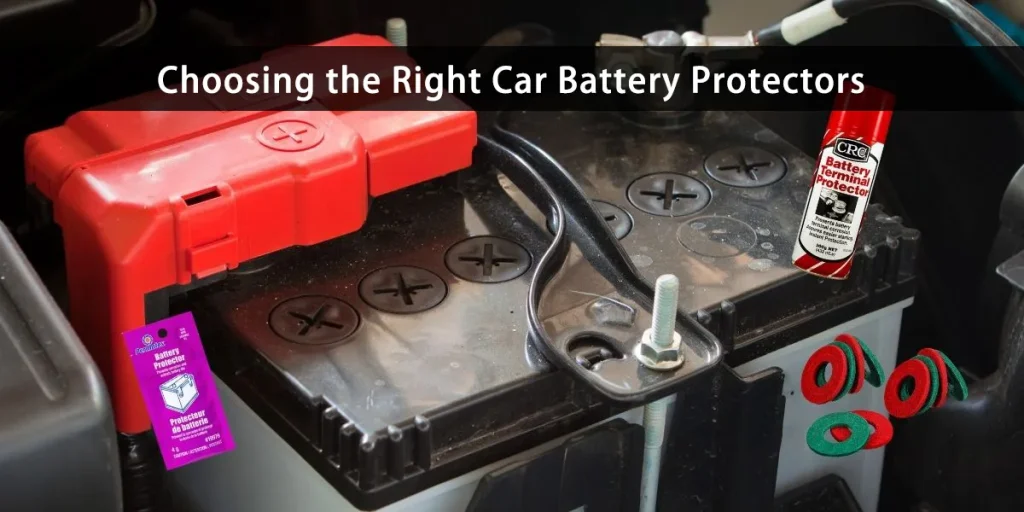
- Complement the type of battery
Make that the protector works with the lead-acid, AGM, or lithium batteries in your car. Maximum protection will be offered by the appropriate product. - Take quality and materials into account
Choose a protection composed of long-lasting, heat-resistant materials. How well the device protects the battery will depend on the quality of the materials used. - Extra features
Certain car battery protection contain unique features, such heat coatings to keep the battery at a consistent temperature or condition indications to make monitoring simpler. - Installation simplicity
To avoid the stress of having to take your car to a workshop just for installation, pick a product that is simple to install. - Reputation of the brand
Give preference to protectors from well-known, high-quality companies that provide dependability and security.
Select car battery protectors that will actually maintain performance and prolong the battery’s life by considering the factors listed above.
Conclusion
Car battery protectors may look like a modest and easy item, but their role in maintaining your vehicle’s electrical system is important. By decreasing corrosion, maintaining battery temperature, and avoiding needless power loss, they help lengthen battery life, enhance overall car performance, and save you from costly repairs.
Even though lithium batteries are normally more robust, they might still benefit from additional protection-especially from severe heat, dirt, or overcharging. Choosing the correct protector that suits your battery type, built from excellent materials, and easy to install will ensure that your battery remains reliable for longer.
In short, investing in a car battery protector is a smart step to assure consistent performance and peace of mind every time you drive.
FAQS
Do you need a terminal protector for a car battery?
Yes, it's highly recommended to use battery terminal protectors to prevent corrosion and short circuits.
Do car battery wraps work?
Yes, car battery wraps - also known as battery blankets or covers - insulate the battery from extreme temperatures. This improves performance and longevity, especially in cold weather, where they prevent a discharged battery from freezing and reduce starting strain
Can I wrap my car battery in a blanket?
No, you should not wrap a car battery in a regular blanket. Cotton blankets are unsuitable and may deteriorate from acid exposure. Instead, use a specialized battery blanket, insulation wrap, or rigid foam designed for temperature protection in extreme cold or heat. This prevents issues like reduced capacity or freezing