Skip to content
What Does an Inverter Do? Understanding How a Power Inverter Works in Everyday Life
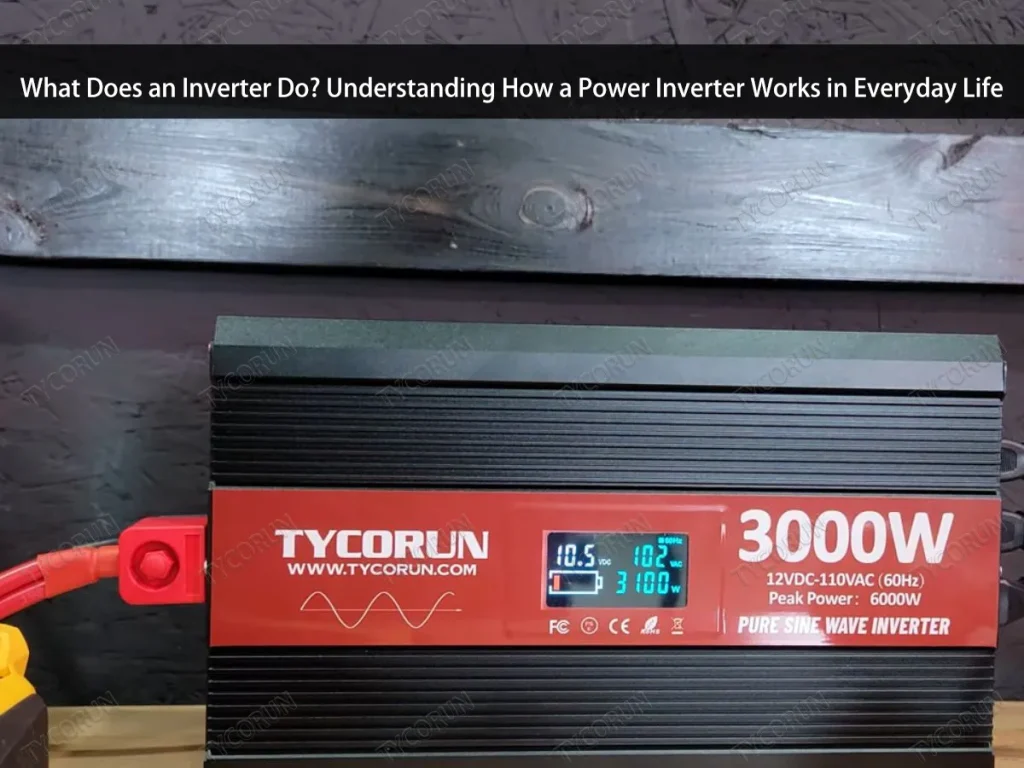
In this era of increasing modern energy demands, inverters have emerged as one of the most important devices that are frequently used without many people fully understanding their function. The most frequently asked question is, “What does an inverter do?” in simple term, an inverter transforms direct current (DC) into alternating current (AC) so that commonplace devices can be powered by electricity from solar panels or batteries. Although this function may appear straightforward, it is essential to maintaining a steady and secure electrical supply.
In addition, many people are curious about how a power inverter works. A number of electronic circuits control and transform the electrical flow to meet the requirements of the device in an inverter. In addition to converting power, this procedure guarantees energy efficiency and equipment protection. Therefore, this article will explain how an inverter works so that users can make more informed decisions about the type and capacity of inverter that best meets their needs.

What Does an Inverter Do?
This is a common question when discussing inverters. In simple terms, an inverter converts direct current (DC), which is typically generated by batteries or solar panels, into alternating current (AC), which is used by most electronic devices. Without this device, daily needs cannot be directly met by energy from alternative sources like solar power systems or lithium batteries.
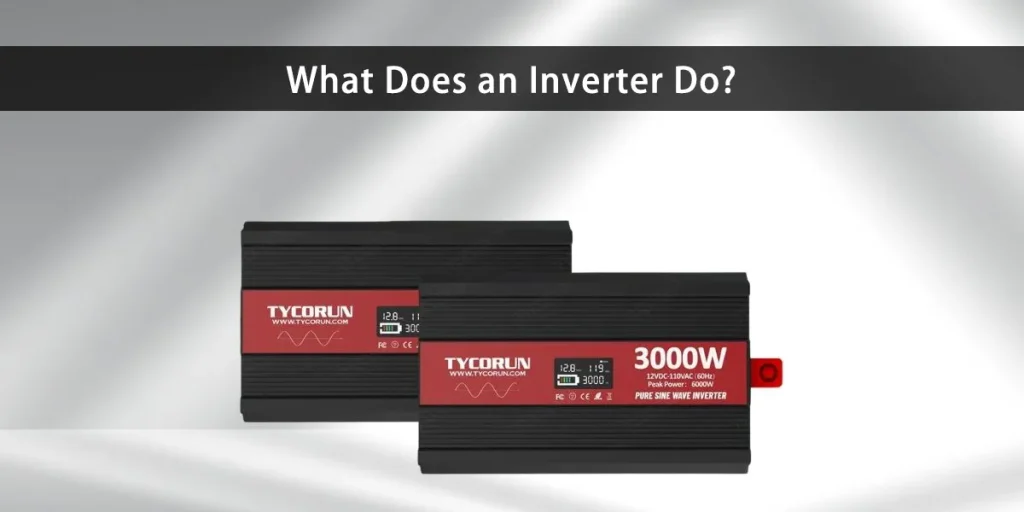
However, an inverter serves more than just that purpose. Inverters ensure that the current flowing into devices stays steady, safe, and smooth. Therefore, ensuring that our electronic devices are long-lasting and operating at their best requires more than just converting DC to AC; it also involves supplying the proper power quality.
In other words, when people ask what does an inverter do? the answer is: it acts as an important bridge that makes energy from various sources usable safely and efficiently in everyday life.
You can read inverter battery for more detail
Types of Power Inverters
After you’ve determined what an inverter does, the next step is to learn about the various types of inverters available. We can more readily see how a power inverter functions in different applications if we are aware of the differences.
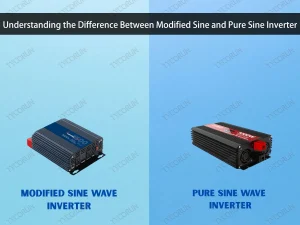
In general, there are two main types that are most commonly used: modified sine wave and pure sine wave.
- Modified sine wave: simpler and suitable for basic devices such as lights or fans.
- Pure sine wave: capable of producing smoother and more stable electric current, making it safer for sensitive devices such as computers, refrigerators, televisions, or medical equipment.
From these differences, we can see that inverters do more than just convert electrical current; they also ensure the quality of power is suitable for the devices being used. This allows users to choose the type of inverter that best suits their energy needs.
You can also read these articles for more insight:
How Does a Power Inverter Work?
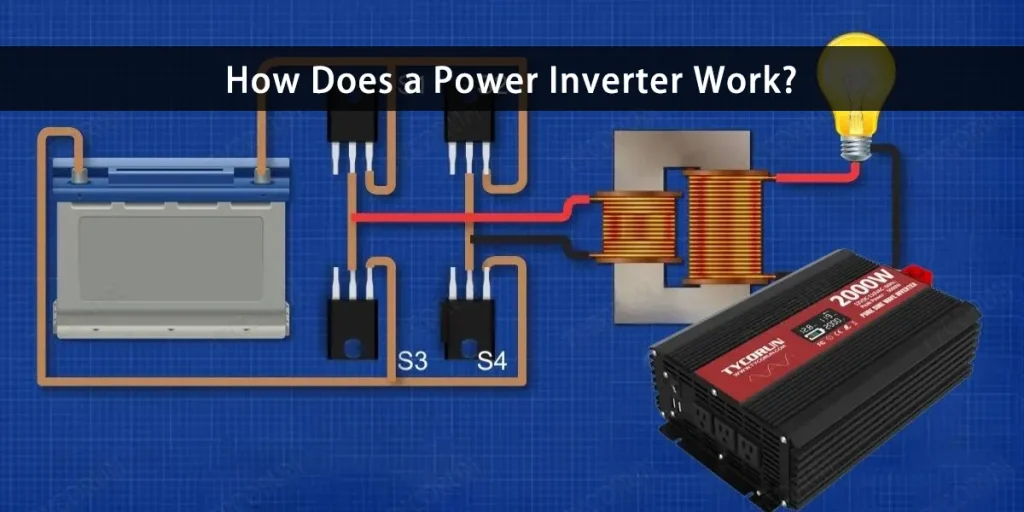
Inside the inverter, there are electronic components that regulate the electric current very quickly, creating a stable AC wave. In certain types, this wave even resembles electricity from the main grid, making it safe to use for sensitive devices such as computers or medical equipment. From this, we can see that understanding how a power inverter works is not just a matter of current conversion, but also about the quality and safety of the power produced.
In other words, the explanation above provides a detailed overview of the mechanism that enables electricity to be used safely and efficiently.
Key Components Inside a Power Inverter
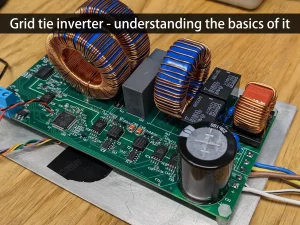
To truly comprehend how a power inverter works, we must examine its main components. Each of these elements describes the practical functions of an inverter. The key components inside a power inverter are as follows:
- The transformer is a crucial part that modifies the electrical voltage to guarantee device safety.
- Transistors and MOSFETs are examples of switching devices that can quickly change direct current (DC) patterns into alternating current (AC) patterns.
- Control circuits preserve stability, manage the flow of electricity, and guard against device damage.
- Capacitors and filters regulate the flow of electricity by smoothing out alternating current (AC) waves. This increases the electricity supply’s stability and consistency, increasing its dependability for a range of uses.
- Cooling systems, such as fans or heatsinks, prevent inverter overheating.
From these components, we can see that the answer to what does an inverter do? is not only to convert electrical current, but also to ensure that the power produced is safe and efficient. This is the simplest way to understand how does a power inverter work from the inside.
Applications of Power Inverters
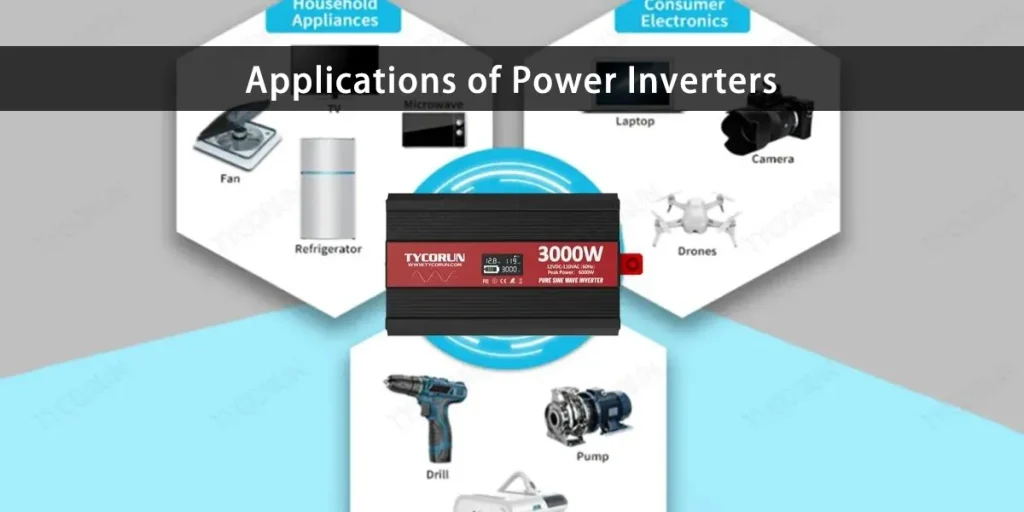
The following are some examples of its applications:
- Households: use these systems to power electronic devices during power outages or as part of a solar power system.
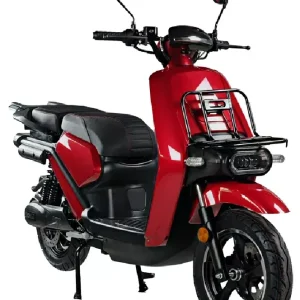
- Vehicles: inverters are used in cars, Recreational Vehicles, boats, and even electric vehicles to convert battery energy into power that can be used by various equipment.
- Industry: a significant number of contemporary machines are dependent on inverters to ensure a consistent electrical current for their operation.
- Renewable energy systems, such as solar panel installations and wind turbines, require inverters to effectively convert direct current (DC) to alternating current (AC), enabling direct utilization of the energy.
From these various examples, we can see that an inverter’s function is not only to convert power, but also to ensure that energy is used safely, consistently, and efficiently wherever it is required.
Inverters and Lithium Batteries
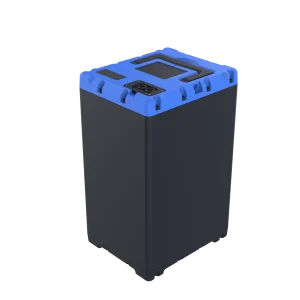
It would be remiss not to discuss the relationship between inverters and lithium battery. When used with lithium batteries, some people wonder what does an inverter do? in simple term, inverters ensure that connected devices receive a steady power supply while maximizing the lifespan and efficiency of lithium batteries.
Lithium batteries are well-known for their large capacity and rapid charging capabilities; however, effective power management is also required. In this process, inverters are crucial parts. With the right technology, inverters guarantee the safe delivery of battery energy, avoiding voltage spikes and preserving the best possible performance of electronic devices. Thus, knowing how an inverter functions in relation to lithium batteries enables us to appreciate the wider range of applications for inverters. Inverters are used for intelligent energy management in addition to electricity conversion.
Furthermore, the combination of inverters and lithium batteries is commonly used in homes, vehicles, and modern solar power systems. With the correct configuration, we can get dependable and effective backup power while preserving battery health for extended lifespan.
Common Misconceptions About Inverters
Even though inverters are commonly used on a daily basis, many people are still unsure of their function. As a result, inverters are frequently misunderstood to have a sole function of converting electrical current.
Some common misconceptions are:
- Inverters provide backup power, but they also have other applications. They are also used in many contemporary electronic devices, automobiles, and solar power systems.
- Inverters are essentially the same. However, the stability of the electrical current depends on the type and quality of the inverter. Consequently, the type and quality of an inverter can affect the response to the question, what does an inverter do?
- All devices can be used with inverters. It is crucial to remember that not every device works with every kind of inverter, particularly those that are sensitive to the quality of AC waves.
Understanding these common misconceptions will help us gain a better understanding of inverters in real life. Inverters are more than just electrical conversion devices; they also protect devices, maintain power stability, and improve energy efficiency.
Conclusion
It can be concluded that the question “what does an inverter do” cannot be answered simply with “it converts DC to AC.” More than that, an inverter is an important bridge that makes energy from batteries, solar panels, and other renewable sources safe, stable, and efficient for everyday and industrial use.
It is essential to understand how a power inverter functions to realize that the process involves various electronic components. These components ensure power quality is maintained, devices are protected, and energy is used as optimally as possible. Inverters are essential components in modern electricity needs, whether used with lithium batteries, renewable energy systems, vehicles, or household appliances.
FAQS
Can inverters damage my devices?
No, inverters will not damage your devices as long as the type and capacity are suitable. In fact, inverters help maintain a stable power supply so that your devices are safer to use.
Are there risks using the wrong inverter?
Yes, using the wrong inverter can be risky. For example, sensitive devices such as computers or medical equipment require a pure sine wave inverter. If installed with an inappropriate inverter, the device may not work optimally or may even be damaged.
Can I use a lithium battery with any inverter?
Not all inverters are compatible with lithium batteries. It is best to choose an inverter that is specifically designed to work with lithium batteries for more efficient performance and longer battery life.