Skip to content



Research and development purpose
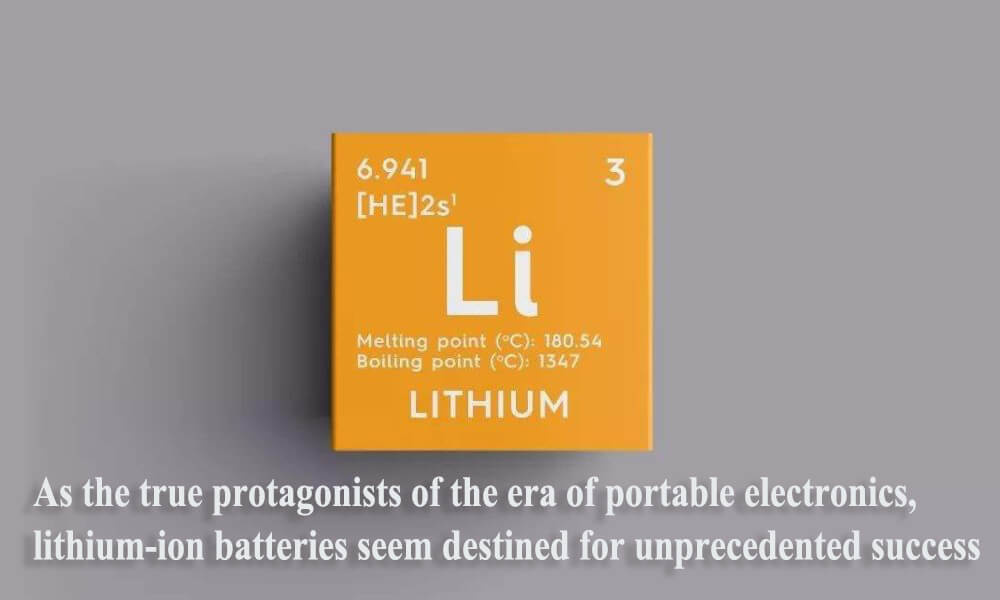
As the true protagonists of the era of portable electronic devices, lithium-ion batteries seem destined for unprecedented success. Lithium is expensive to extract and dangerous to handle, making it difficult to process and recycle.
Demand for lithium exceeds available resources. Lithium resources are characterized by geographical isolation (found in places such as Australian wilderness), which adds to the complexity of the lithium supply chain.
EU figures show that by 2050 the EU will need 60 times as much lithium as it currently supplies to meet battery demand for electric vehicles and store the renewable energy needed to meet carbon emissions targets set by the EU Green Deal.
Based on this premise, the researchers are trying to use the more abundant elements available in Europe to create batteries with similar properties. Prototype batteries based on calcium have been developed.
Calcium and lithium
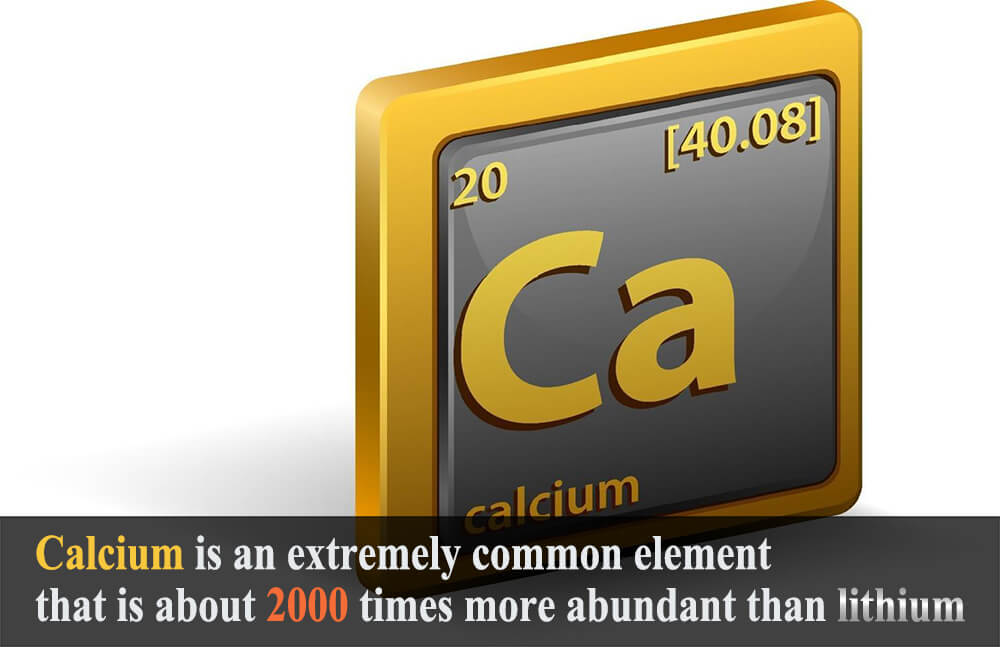
Calcium is placed next to lithium in the periodic table. The programme is funded by a fund belonging to the European Innovation Council and is named the CARBAT project.
Calcium is an extremely common element, about 2,000 times more abundant than lithium, and is found in bone, clay, and many other substances. Calcium, one of the most abundant elements in the Earth’s crust, is not as concentrated in specific geographic areas as lithium. And if the cost of raw materials is low, batteries made with them can also have such advantages.
Compared to lithium-ion batteries using graphite as the negative electrode, the use of calcium as the negative electrode is more advantageous because of its higher energy density, i.e. the ability to store energy per kilogram.
With this configuration, we can theoretically achieve very high energy densities using a metal as one of the electrodes.
Energy density of lithium ion battery cannot achieve this level because they cannot use the highly active metal lithium as an electrode. Doing so often creates tiny rigid tree-like structures called dendrites that can short-circuit or even explode the battery after repeated use.
Screening new electrolytes
In the case of electric vehicles using the same size battery, if you can find the right positive electrode, it will be able to extend the range.
However, the process of choosing the other components needed to build the prototype battery, such as the electrolyte through which the ions flow, is complicated.
Many interactions between calcium ions and solvent molecules occur in the electrolyte, which reduces calcium mobility. The excellent conductivity of the electrolyte will help the ions move faster, increasing the power of the battery.
To overcome this hurdle, the researchers developed models of various salts and solvents in order to find an electrolyte that would form a passivation layer on calcium electrodes to facilitate ion movement. “It seems that all the electrolytes that work have boron in them,” Palacin said.
The development of calcium-conducting electrolytes is the key to realizing functional rechargeable calcium batteries.

In view of this, Patrik Johansson et al. adopted the combined screening method of density functional theory + conductor-like screening model for real solvents (DFT + COSMO-RS).
Electrolyte solvents and calcium salts were rationally selected according to their solvating ability, electrochemical stability windows (ESWs), viscosity, flash point, and boiling point.