Skip to content


Cobalt
From January to June 2022, the total output of cobalt sulfate in China was 35,600 metal tons, a year-on-year increase of 21% and an increase of 5% from the second half of 2021. The leading cobalt sulfate manufacturers use cobalt intermediate products as raw materials. At the same time, in the first half of the year, with the rising popularity of lithium recycling, the production of cobalt sulfate in recycling smelters generally increased. The CR5 of the cobalt sulfate market is 48%, and the concentration is lower than the same period last year.
From January to June 2022, the total output of cobalt chloride in China was 21,700 metal tons, a year-on-year decrease of 17% and a decrease of 17% from the second half of 2021. In the first quarter, affected by the continuous increase in the price of tetracobalt, the profit of cobalt chloride was better, and smelters generally increased the output of cobalt chloride. The second quarter is the off-season of digital consumption, the demand for cobalt has weakened, and the spread of the epidemic has made the digital consumer market even worse, resulting in a sharp decline in the production of cobalt in the second quarter.
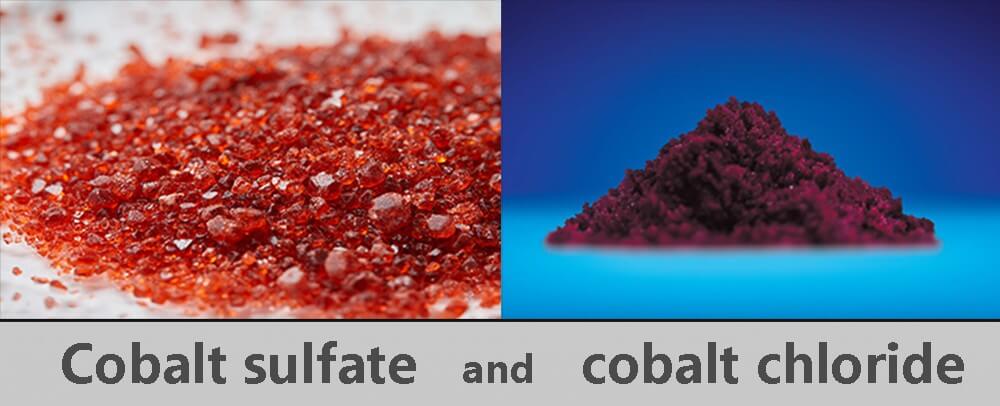
As the cobalt sulfate market was hot in the first quarter, all manufacturers except the major manufacturers switched production lines to produce cobalt sulfate. The CR5 of the cobalt chloride market was 63%, and the concentration was further strengthened compared with previous years.
Cobalt tetroxide
From January to June, China’s total output of cobalt tetroxide was 39,800 tons, a year-on-year decrease of 5% and a month-on-month decrease of 4% from the second half of 2021; China’s total output of lithium cobalt oxide in the first half of the year was 38,200 tons, a year-on-year decrease of 15% and a month-on-month decrease of 10% from the second half of 2021.
From January to February, it was the period of downstream year-end impulse and Chinese Spring Festival stocking period. Cobalt tetroxide manufacturers generally had a relatively high operating rate. The monthly output of cobalt tetroxide was above 7,000 tons, which was the highest in the first half of the year. In March, affected by the national epidemic and about to enter the off-season of digital consumption in the second quarter, the price of lithium carbonate, another raw material of lithium cobalt oxide, has been at a high level since the beginning of the year.
Affected by cost and demand, lithium cobalt oxide companies reduced production in March, and the demand for cobalt tetroxide weakened, which indirectly led to production reduction of cobalt tetroxide companies.
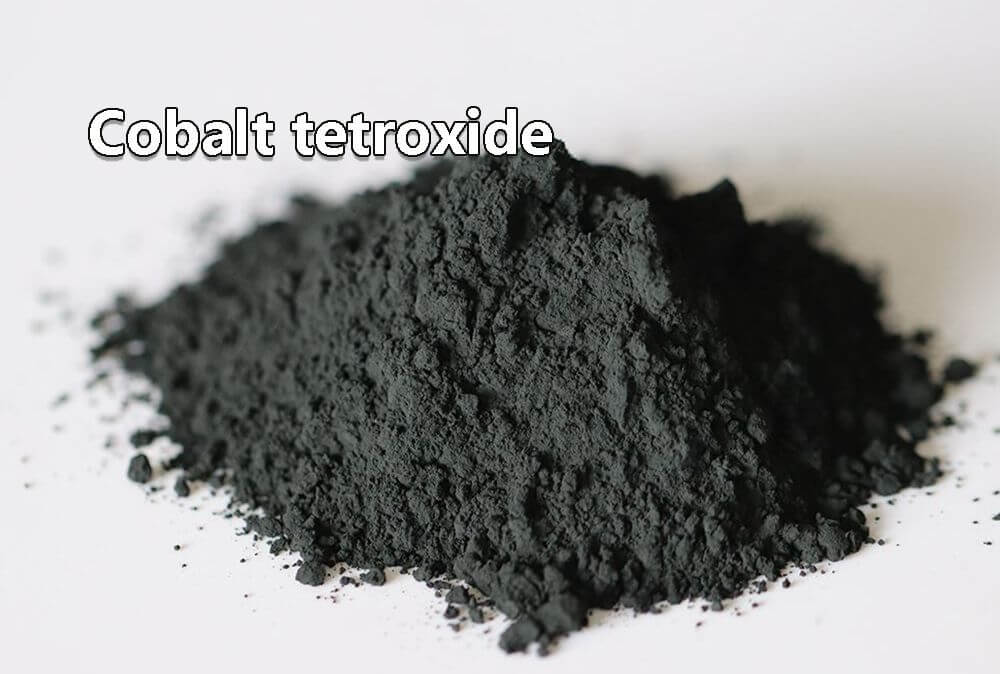
From April to May, due to the digital off-season in the second quarter and the long-term closure and control of the Shanghai epidemic, the demand for cobalt tetroxide continued to weaken. Cobalt tetroxide manufacturers have significantly reduced their production in May, with a reduction of 21% compared with the same period last year. The weak demand for cobalt tetroxide continued in June, and the situation in the digital off-season in the second quarter did not improve.
Some tetracobalt companies reduced production or even stopped production in June. There was a large backlog of finished product inventory, and the imbalance between supply and demand led to a decline in the price of cobalt, and the increase in demand for cobalt in the future was unclear. The willingness to consume in the digital market has always been weak.
Lithium salt
In the first half of 2022, China’s lithium carbonate production totaled 157,000 tons, a year-on-year increase of 45%. This is a 31% increase from the second half of 2021. In the first half of 2022, China’s lithium carbonate production capacity increase mainly comes from: Yongxing New Energy, Zhicun Lithium, Jiuling Lithium, and Yongshan Lithium. Since entering 2022, the mainstream lithium salt factories in Sichuan and Jiangxi regions of China have had productive alternate maintenance from January to February. During the Spring Festival holiday, the operating rate is insufficient, and the production of companies is limited.
At the same time, due to the lack of minerals, some smelters have stopped production due to insufficient supply of raw materials, and the supply of different raw materials has reduced production. The production reduction in Qinghai is due to the fact that due to regional seasonal factors from October to December and January to March each year, the difficulty of producing raw materials in freezing increases, and the yield of lithium extraction from salt lakes decreases.
In March, it gradually returned to normal with the maintenance, superimposing the equipment replacement of some manufacturers and the climbing of new production capacity, and the overall output increased significantly.
From April to May, due to the epidemic in Shanghai, the import of lithium carbonate in other countries was mainly affected. The backlog of lithium carbonate in Shanghai port led to a decrease in the import supply. However, the production of Chinese smelters is concentrated in Jiangxi and Sichuan regions, and the impact of the epidemic is weak, and the overall Chinese output still increased slightly.
In June, with the salt lake system in Qinghai maintained at the peak of annual output, superimposed the new production line climbing, the overall output continued to grow. China’s lithium hydroxide production totaled 107,000 tons, up 32% year-on-year and 11% higher than the second half of 2022. In the first half of 2022, China’s lithium hydroxide production capacity increase mainly comes from: Tianyi Lithium Industry, Rongjie Lithium Industry, and Zhiyuan Lithium Industry. In the first half of the year, close to the Chinese Spring Festival, major smelters in Jiangxi and Sichuan stopped production for maintenance, and some major lithium hydroxide plants halved their output in February due to maintenance;
After the Spring Festival, major companies have resumed work and production smoothly, especially in Sichuan, where the output growth rate is relatively fast, and the superimposed part of the production capacity is still in the climbing stage, and the overall output has risen significantly compared with February. From April to May, smelting manufacturers continued to climb, but due to the falling price of lithium carbonate, some manufacturers purchased lithium carbonate more frequently, and processing output increased.
In June, as China’s large-scale smelters entered the annual maintenance phase, some manufacturers began to perform alternate maintenance. Due to the stable supply of concentrate raw materials in other countries, the output of lithium hydroxide increased slightly.
Iron phosphate
In the first half of 2022, China’s iron phosphate production totaled 242,000 tons, a year-on-year increase of 112%. Judging from the historical data in the first half of the year, except for the severe decline in terminal demand in March due to the repeated epidemics in many parts of the country. At the same time, some iron phosphate companies have experienced a positive month-on-month growth in the rest of the first half of the year, with the impact of the epidemic gradually fading, except for the difficulty in purchasing raw materials or obstacles in equipment transportation and maintenance due to the epidemic.
By June 2022, the output of China’s iron phosphate market exceeded the 50,000-ton mark for the first time, hitting a record high of 52,194 tons, a month-on-month increase of 16.8%. At the same time, June is also the month with the highest production in the first half of the year.
Ternary cathode material
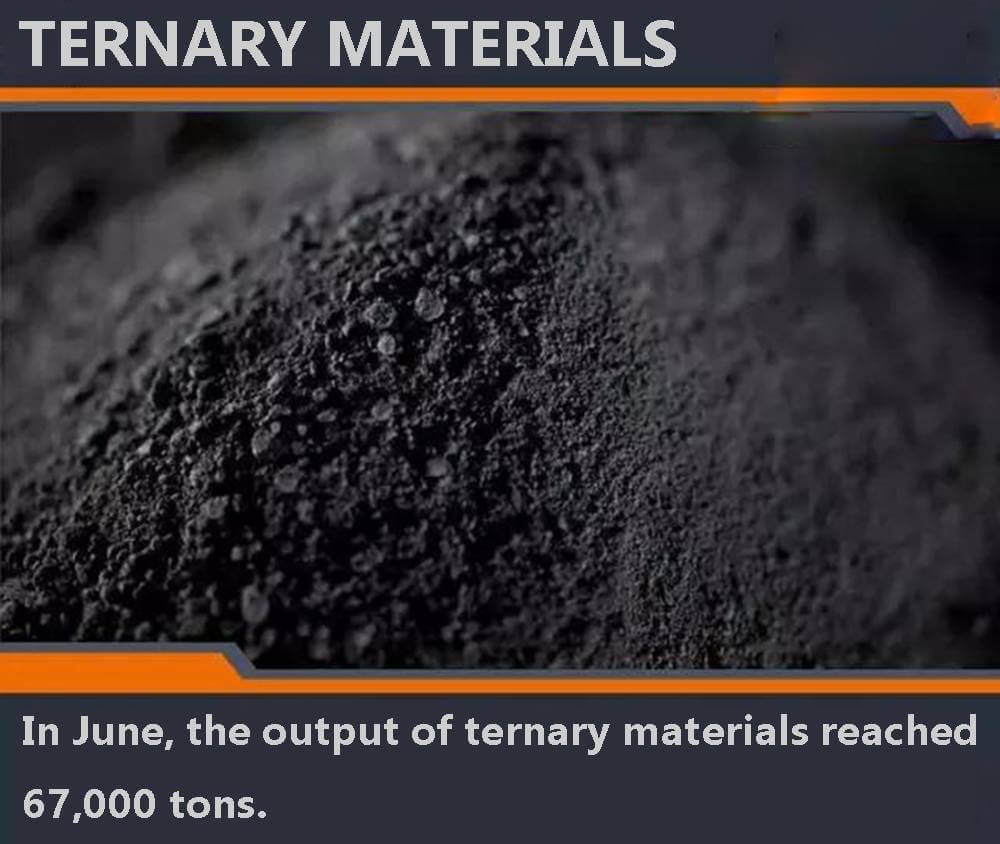
In the first half of 2022, China’s total output of ternary cathode materials was 285,000 tons, up 45% from the first half of last year and 17% from the second half of last year. Throughout the first half of 2022, in January, due to the end of the year-end impulse of the battery cell factory and the completion of stocking before the year, the purchase demand for ternary positive electrodes decreased, and the output of ternary companies fell slightly.
In February, due to the Spring Festival holiday, rising prices of lithium raw materials and insufficient supply, the operating rate of small and medium-sized factories decreased, resulting in a lower output than in January. In March, on the one hand, the price of new energy car companies was generally adjusted, and the uncertainty of terminal sales was relatively high. The epidemic from March to May, especially the closed management in Shanghai, affected the supply chain and production of some car companies, and superimposed other countries’ markets. Due to the increase in energy prices due to the Russian-Ukrainian war, the demand in many countries has declined, and the European car sales situation is unclear. The ternary material companies are affected by the terminal demand.
On the other hand, the price of nickel has risen wildly. Since the battery cell factory has stockpiled the ternary positive electrode a year ago, the battery cell factory mostly focuses on destocking at this stage. Two reasons have led to a decline in the demand for the ternary positive electrode. The volume in April and May was lower than that in March.
The epidemic was lifted in June, and car companies gradually resumed work. There is an increase in demand for ternary lithium battery. In addition, the cell factory went to the warehouse in the early stage. At this time, the demand for ternary materials recovered. In June, ternary materials became the month with the highest production in the first half of the year. , the output in June reached 67,000 tons.
Ternary precursor
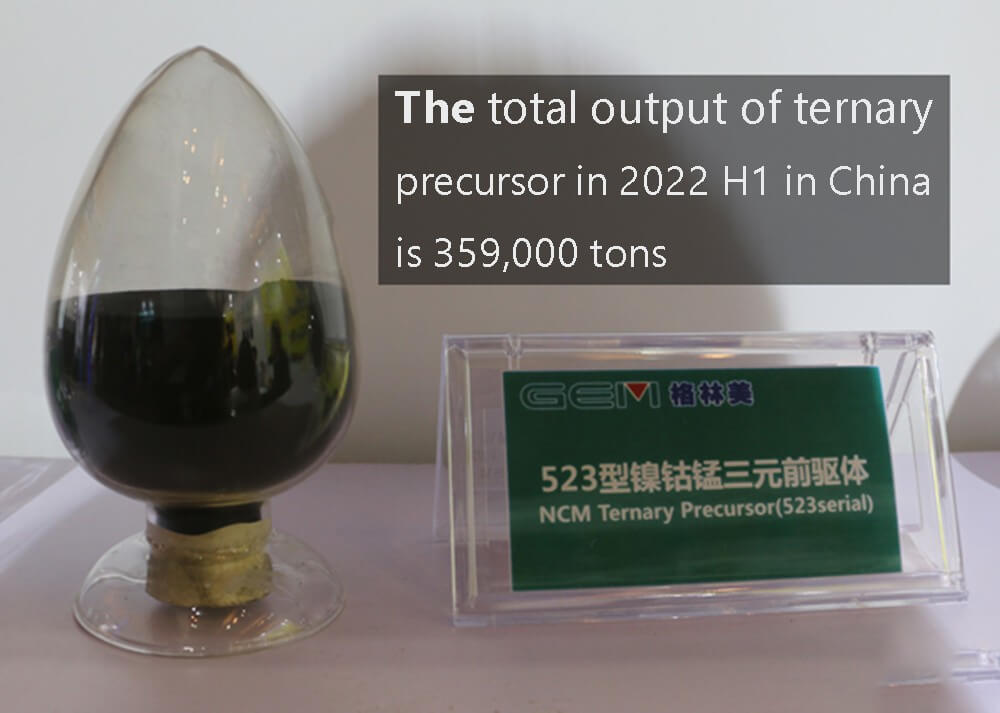
From January to June 2022, the total output of ternary precursors in China was 359,000 tons, a year-on-year increase of 97%, and an increase of only 8% from the second half of 2021. As the ternary market is affected by the backlog of iron and lithium and the epidemic this year, the output growth rate is lower than expected, and the year-on-year growth rate is expected to be around 35%.
However, the production capacity of precursor companies is released faster, especially the head precursor companies are increasing their volume much faster than before, and the problem of overcapacity in the market has been revealed. The top precursor companies are deeply bound to customers, the upstream nickel and cobalt resources are locked in a large amount, and the capacity utilization rate is high to reduce costs. It is expected that the market concentration of the top companies will further increase in the future.
On the contrary, small and medium-sized precursor companies may become foundries or gradually withdraw from the precursor market in the long run due to the lack of large customer binding, basically no upstream nickel-cobalt resources, and lack of funds to expand production.
Anode material
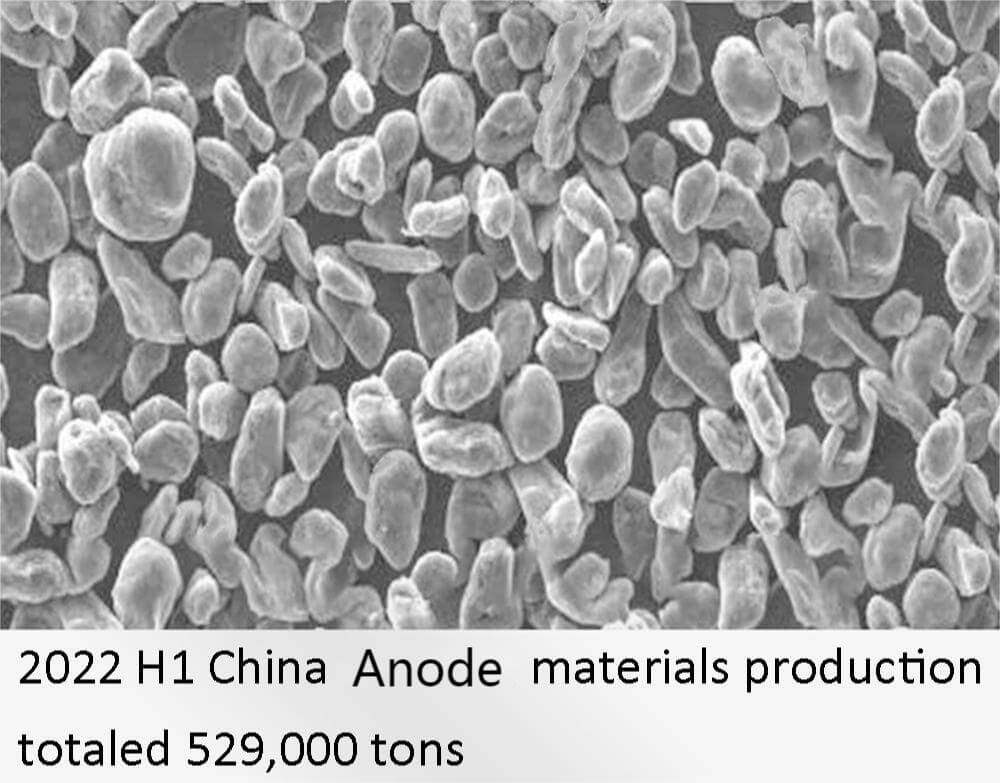
In the first half of 2022, China’s anode material production totaled 529,000 tons, a year-on-year increase of 53%. Judging from the calendar data of the first half of the year, except for the Spring Festival holiday in February and the impact of the limited production capacity of some northern factories during the Winter Olympics, the output fell by 4% month-on-month, and the rest of the months achieved double growth month-on-month and year-on-year.
In the first half of 2022, the market concentration of anode materials in China is still relatively high, with CR5 reaching 72% and CR3 exceeding 50%. The status of BTR, Shanshan Technology, and Jiangxi Zichen as the traditional three leaders in top 10 anode material manufacturers in China has not changed. Jinxin Energy and Shangtai Technology have formed a relatively stable second echelon.
In addition, some negative electrode companies have signed strategic cooperation agreements with downstream cell factories, and the volume is relatively fast, which is expected to have an impact on the negative electrode market structure. Overall, there will be no significant changes in the market structure in the first half of 2022.
At present, various capitals are actively deployed in the negative electrode industry. With the new production capacity of various companies being put into production, the structural surplus of negative electrode materials has gradually been reflected, and medium and high-end negative electrode products need to undergo secondary granulation and coating carbonization. , there are certain technical barriers, and the supply is tight.
The low-end products have low technical thresholds, and there are already signs of excess. In the long run, the market share of leading companies with high-quality production capacity and excellent customer structure is expected to further increase; while some small and medium-sized companies lacking technological competitiveness and binding large customers may be gradually eliminated by the negative market.
Electrolyte
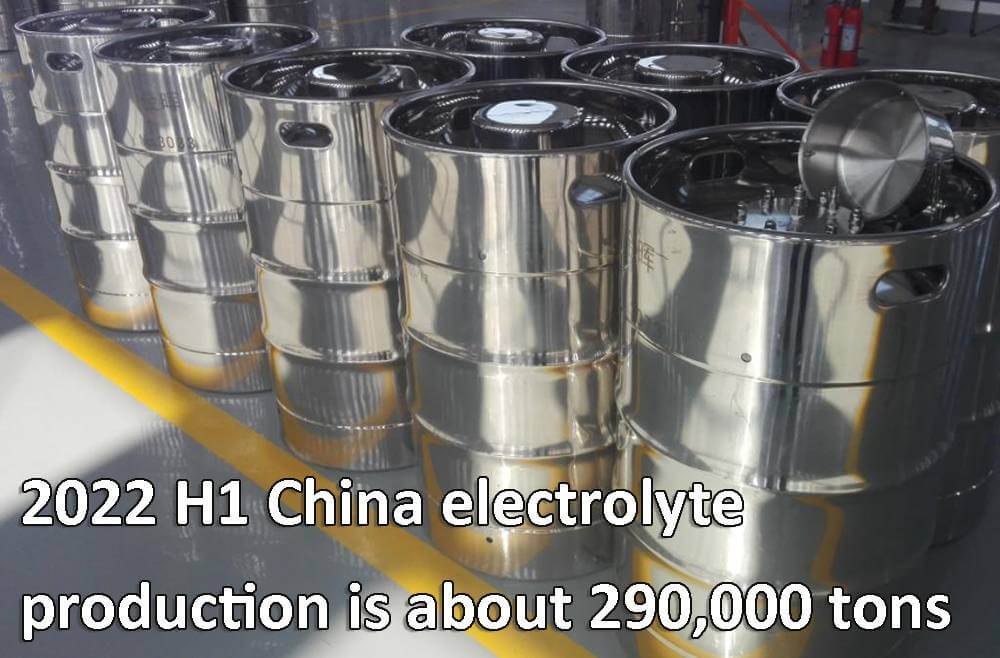
From January to June 2022, China’s total electrolyte production is about 290,000 tons, an increase of 58% compared to the first half of last year. In the first half of the year, the competition pattern of leading electrolyte companies was relatively stable. Electrolyte head companies were established earlier, developed together with battery customers, and have high viscosity, so the competition pattern of electrolyte head companies is relatively stable. At present, the expansion increment of electrolyte companies is basically dominated by leading companies.
In the second half of this year, new production capacity will be released for lithium hexafluoro salts and electrolytes, and the supply is no longer tight. If the pace of production capacity release in the second half of the year is too fast, there may even be a situation of oversupply.
The price of electrolyte basically fluctuates with the fluctuation of raw materials. From last year to February this year, the price of hexafluoride has been rising steadily, once reaching close to 600,000 RMB/ton. Superimposed on the tight supply of VC, the price of electrolyte has also risen. However, as the supply of hexafluoro and VC is no longer tight, the supply of electrolyte is no longer tight, the price has fallen, and the price of electrolyte has gradually dropped to the normal level since March this year.
At present, the price of lithium carbonate, the raw material for the production of lithium hexafluoro salt, has risen, and its price has also increased slightly, as well as the price of solvents and additives.
Seperator
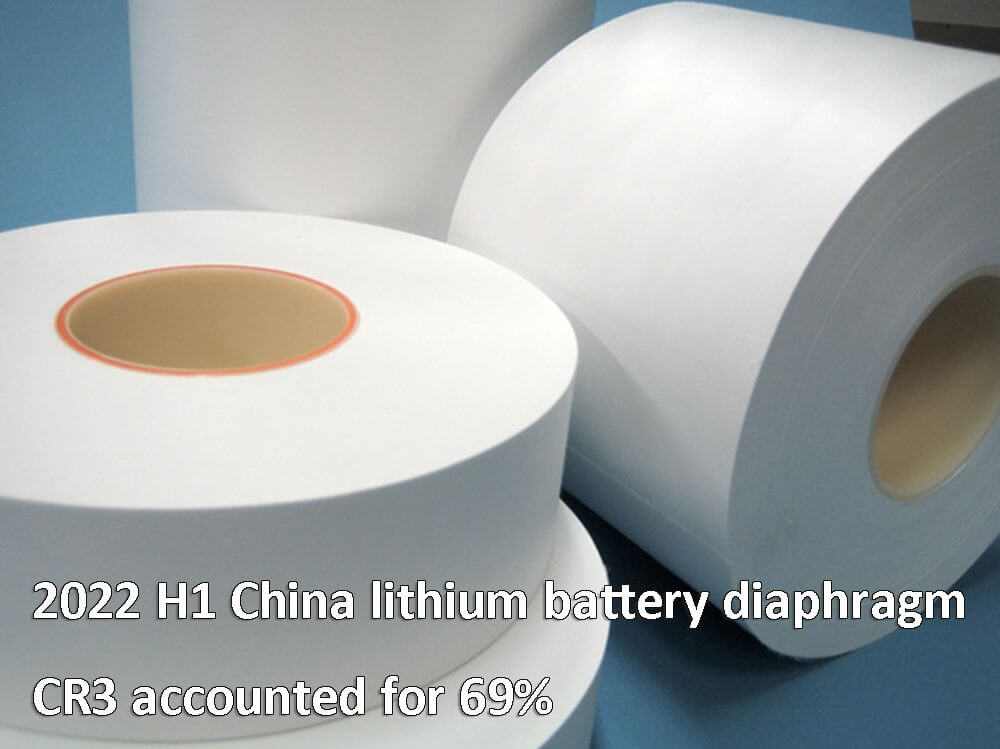
In the first half of 2022, China’s lithium battery seperator production totaled 5.12 billion square meters, a year-on-year increase of 54%. China’s lithium battery seperator CR3 accounts for 69%, and Enjie, Xingyuan Materials, and Sinoma Technology rank the top three, and the head pattern is relatively stable.
Since seperator is a capital and technology-intensive industry, it is difficult for new entrants to lock in core equipment production capacity and undertake equipment delivery and commissioning cycles of more than 2 years. It is also difficult to quickly compete with leading companies.
Relying on the advantages of scale, cost and response speed, China’s major manufacturers of seperators have continued to speed up their overseas expansion. At the same time, the coating film has been successfully introduced into the head battery factory. The high-end proportion will continue to increase, and the shipment structure is expected to be significantly optimized.
In the long run, high-quality production capacity and customer resources will still be concentrated on first- and second-tier players. With the improvement of process and product yields of third-tier and new entrants, it is expected to launch a new round of “price war” in China to occupy the middle and low-end market share.
Waste lithium battery recycling
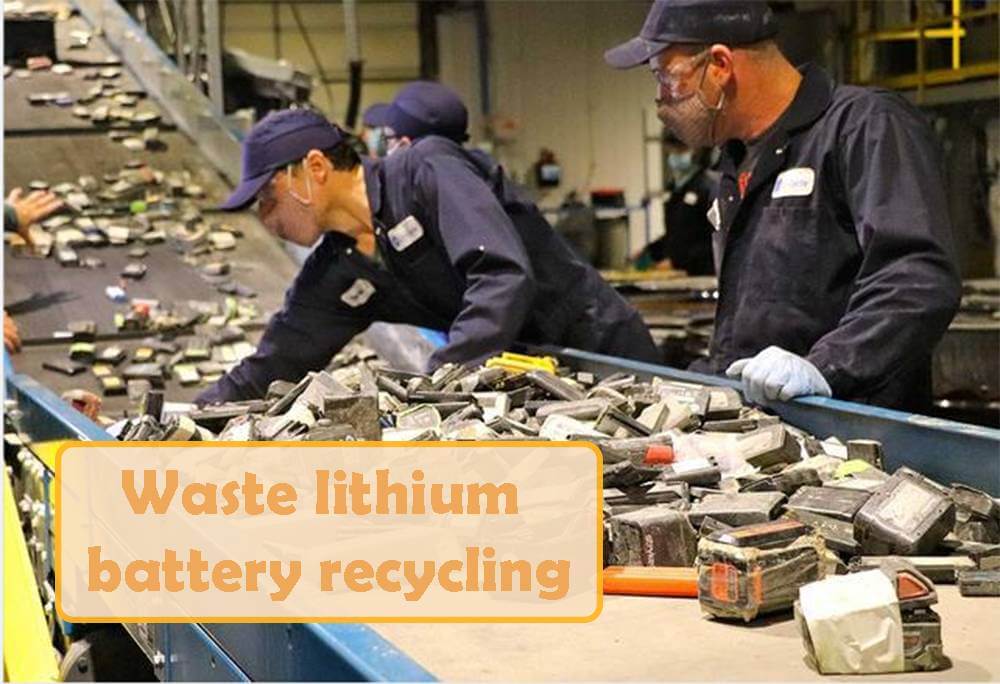
From January to June 2022, China recovered a total of 131,446 tons of waste lithium batteries (including recycling waste in the form of batteries, pole pieces and black powder). According to the statistics of recycling volume data, from January to June 2022, a total of 82,963 tons of waste ternary, 38,290 tons of waste lithium iron phosphate, and 10,192 tons of waste lithium cobalt oxide were recovered.
Ternary waste accounts for as high as 63%, lithium iron phosphate waste accounts for 29%, and lithium cobalt oxide waste accounts for only 8%. Because the waste ternary contains nickel, cobalt, and lithium metal elements, it can be recycled and extracted to make battery raw materials such as nickel sulfate, cobalt sulfate, and lithium carbonate. The comprehensive income is higher than that of lithium iron and lithium cobalt oxide.
Therefore, ternary-based battery powder and pole piece powder are the hottest raw material categories in the recycling market, and ternary occupies most of the recycling industry. The recycling volume is expected to reach 172,782 tons in the second half of 2022, an increase of 31% month-on-month. In the second half of 2022, the recycling volume of the recycling market will increase compared with the first half of the year.
In the second half of the year, with the increase in the scrap of power batteries and the expansion of cathode and battery companies, the supply of waste materials will increase, and the new production capacity of recycling companies will gradually be released. As demand grows, the recycling volume will increase compared to the first half of the year.
As another important source of lithium battery raw material supply, scrap will continue to attract market attention, and the value of lithium will be more clearly reflected. If the recovery rate of lithium is further improved, higher profits will be obtained, and the competition in the recycling market will be more intense. In order to seize the opportunity of waste raw materials, the integration of dismantling and smelting in the recycling industry chain has gradually become a trend.
Lithium iron phosphate
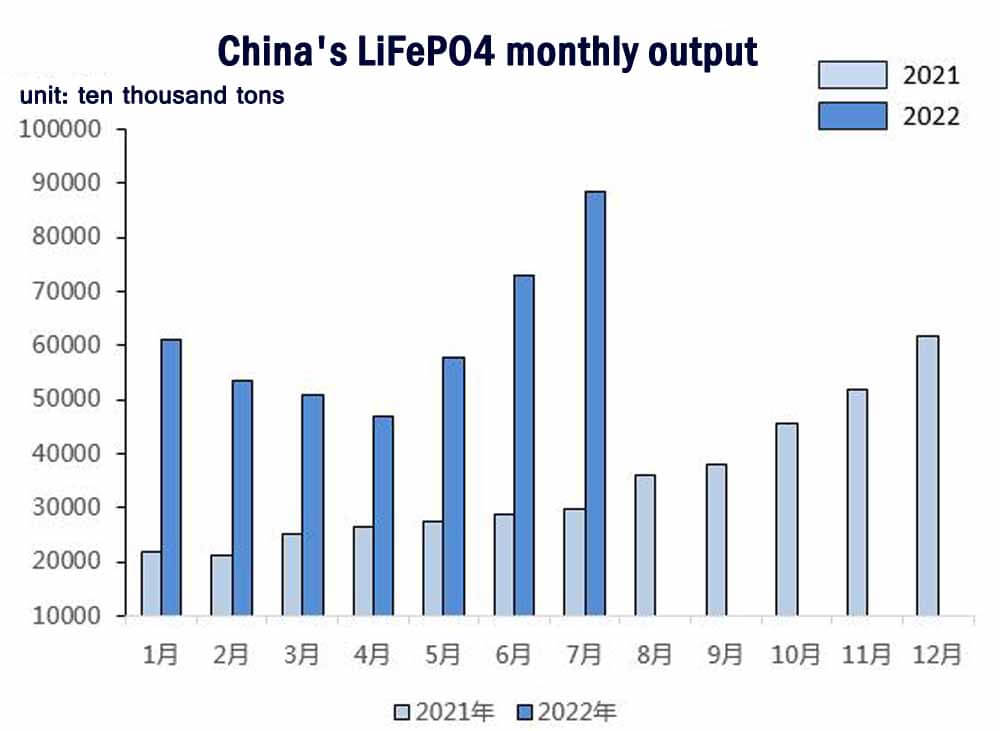
In the first half of 2022, the production of lithium iron phosphate will increase by 122%. Will the supply be officially surplus in the second half of the year? From January to June 2022, the total output of lithium iron phosphate in China is 340,000 tons, an increase of 122% compared with the same period last year, and an increase of 31% compared with the second half of 2021.
In the first half of 2022, China’s lithium iron phosphate production showed a significant growth stage. The current output reached 340,000 tons, which is about 83% of the annual output in 2021. In the first half of the year, the lithium iron phosphate industry was connected through many unfavorable factors such as the shortage of the main material lithium carbonate, the sharp rise in the price of raw materials, the downstream production reduction caused by the epidemic control, and the continuous destocking of battery cell factories.
In the first half of the year, except for April, which was the most severely affected by the epidemic, the output in the rest of the months was more than 50,000 tons. Among them, in July after the impact of the epidemic completely subsided, the output of the lithium iron phosphate industry broke a record high, standing at the 70,000-ton mark.
At the beginning of the year, the demand for the downstream power side was still at a high level, and most manufacturers were still in the rhythm of stocking up before the year. However, at that time, the inventory of the lithium salt industry was at an absolute low level, the market supply was tight, and the supply of lithium salt in some material factories was insufficient, and the volume was limited.
At the same time, during the Spring Festival, some lithium iron phosphates were on holiday for maintenance, and the output declined. From March to April, due to the surge at the beginning of the year and the end of the year, more production and less sales, the lithium iron phosphate industry and the finished product inventory at the battery end were high. Since mid-March, epidemics have occurred frequently in many parts of China, and terminal demand has plummeted. Some leading car companies and It happens when battery companies stop production and reduce production.
The head battery factory took the initiative to destock finished batteries and materials, and the demand for iron-lithium materials was seriously reduced. At the same time, the price of lithium salts fluctuated violently. Under the undetermined market outlook, most enterprises on the iron-lithium material side are preparing for the procurement of raw materials, and the production and sales of materials are trending. Due to caution, the launch of new production lines has been postponed. Except for just-needed purchases, the market has a strong wait-and-see mood, and the industry’s output has continued to decline.
From May to June, the impact of the epidemic in many parts of the country gradually subsided, and the terminal market demand gradually warmed up and returned to the upward channel. The market is expected to be generally positive, and the purchase of iron-lithium materials at the battery cell side has also increased significantly, and some iron-lithium enterprises are superimposed. Such as Yuneng, Anda, Jintang Times and other new production capacity continued to put on the market, the industry output showed a clear and rapid upward trend.
As of June, it reached a record of 73,800 tons/month. Overall, with the accelerated expansion of downstream battery cells and materials, the output of the iron-lithium industry still has further room for improvement. In terms of market structure, the lithium iron phosphate enterprises with lithium iron phosphate production exceeding 25,000 tons in the first half of 2022 are Hunan Yuneng, Defang Nano, Changzhou Liyuan, Hubei Wanrun and Rongtong Hi-Tech.
The above-mentioned manufacturers produced a total of nearly 230,000 tons of lithium iron phosphate in the first half of the year, with a CR5 of 68%, an increase of 5 percentage points compared with the previous 63%, and the industry concentration has increased.
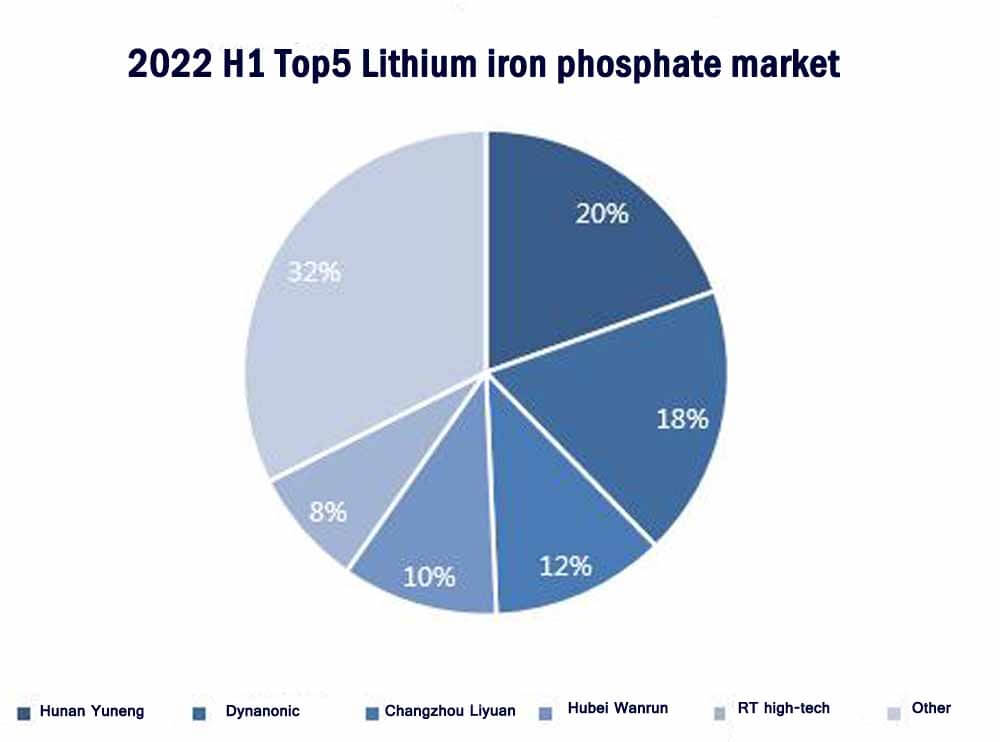
On the whole, the current lithium iron phosphate industry is still in a period of concentrated production capacity. About top 5 lithium iron phosphate cathode material companies such as Hunan Yuneng are expanding rapidly and are mostly deeply bound with leading downstream battery cell companies. The supply volume has grown rapidly, and the nominal production capacity of Hunan Yuneng has increased to more than 400,000 tons, forming a fault-type lead over other lithium iron phosphate enterprises.
And German Nano, Changzhou Liyuan and other companies still have several 100,000-150,000-ton production lines to be released in the future. In contrast, the second echelon of lithium iron phosphate enterprises has also expanded rapidly in production capacity. However, the overall expansion speed and scale are not as good as those of the leading companies, the market share is diluted to a certain extent, and the market share is further concentrated to the leading manufacturers.
In addition, considering that it is still in the concentrated release period of lithium iron phosphate production capacity, there are still many 50,000-100,000-ton production lines still to be put into operation. Upstream lithium salt prices will remain high, the profits of subsequent lithium iron phosphate enterprises may be further compressed, and the living space of small and medium-sized lithium iron phosphate may further deteriorate.