Skip to content


HIFICHEM and Malion invested 2.5 billion to build sodium ion battery project
On the evening of November 16, 2022, HIFICHEM announced that the company and Malion planned to jointly invest in the establishment of Meikai New Material, and invested 2.5 billion RMB to build a battery grade Prussian blue (white) project with an annual output of 180000 tons with the target company as the implementation subject.
It is disclosed that Malion has a registered capital of 500 million RMB, of which HIFICHEM plans to contribute 245 million RMB in currency and/or in kind, accounting for 49% of the target Meicai New Material capital;
Malion plans to contribute RMB 255 million in currency, accounting for 51% of the registered capital of Meicai New Material. The monetary capital of both parties will be self owned or self raised. After the completion of this transaction, Meicai New Material became a joint-stock company of the listed company.
According to the plan, the investment project company plans to construct in three phases, of which the total planned investment of the first phase is 300 million RMB. It plans to construct 10,000 tons of production plant, which is expected to be completed and put into operation by the end of 2023.
The total planned investment of the second phase of the project is 800 million RMB. A 50000 ton production plant is planned to be built and put into operation in 2024; The total planned investment of the third phase of the project is 1.4 billion RMB. A 120000 ton production plant is planned to be built and put into operation in 2026.
Fengshan Group and Zoolnasm promote sodium ion battery commercial application
Also on November 16, Fengshan Group announced that its holding subsidiary Fengshan Quannuo had signed a cooperation agreement with Zoolnasm, and the two sides planned to jointly promote the commercial application of sodium ion secondary batteries.
Fengshan Quannuo, founded in August 2022, has obtained the project filing certificate for the 100000 t/a secondary battery electrolyte project, and will be committed to the R&D, production and sales of new energy battery electrolyte.
Zoolnasm is a sodium battery research and development company. Its core patented technology is the preparation method of high-performance cathode materials. Its cathode is polyanionic iron based materials and carbon based composite materials.
Its product is sodium ferric sulfate battery. Its application scenarios include large-scale energy storage, low-speed electric tools and other fields.
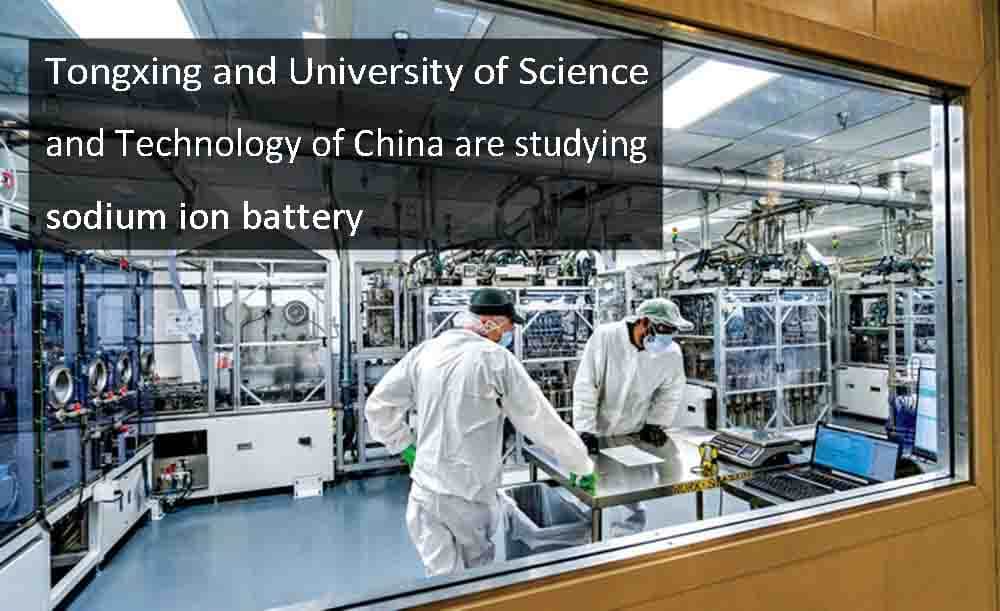
Tongxing and University of Science and Technology of China are studying sodium ion battery
Tongxing Environmental Protection also released information on November 16, 2022 that after signing the cooperation agreement with the University of Science and Technology of China, the company has paid 15 million RMB for the first annual agreement as agreed in the agreement.
The joint laboratory is carrying out pilot scale up experiments on sodium ion battery cathode materials and battery products. The pilot production line has entered the procurement stage, and the relevant supporting talents required for the experiment have been partially in place.
The mass production of the company’s sodium battery related products is now in the planning stage. In September of this year, Tongxing Environmental Protection and the University of Science and Technology of China signed a cooperation agreement to jointly establish a joint laboratory for energy storage battery materials and devices.
According to the overall research objective of the joint laboratory, the cycle life of Tongxing Environmental Protection high-performance sodium ion battery should be no less than 5000 times in two years and 10000 times in five years.
The market space of sodium ion battery in 2026 can reach 369.5GWh
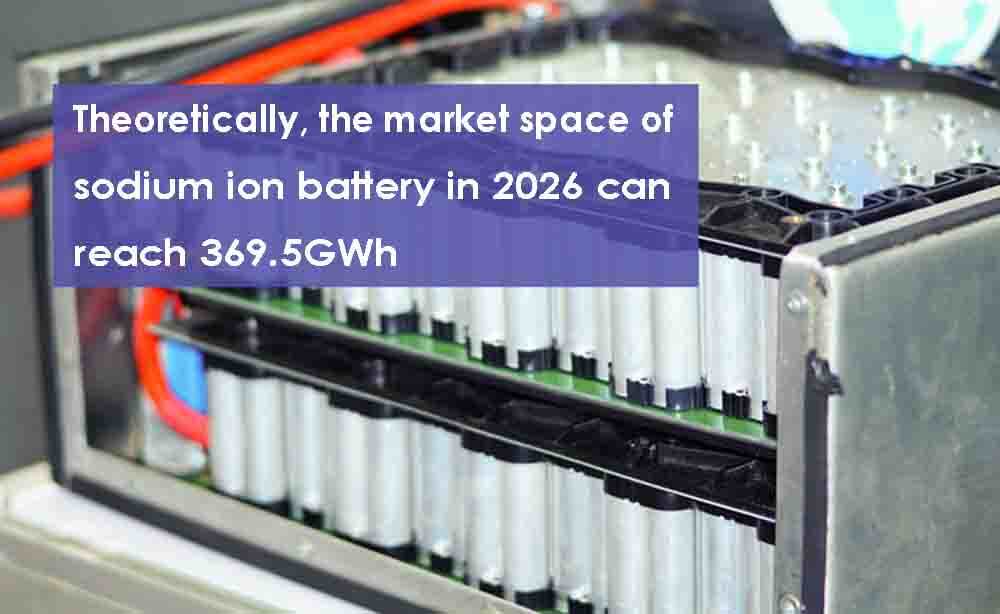
Compared with lithium ion battery, sodium ion battery has more advantages in safety, cost, etc. It is estimated that, considering the demand of sodium ion batteries in various potential application scenarios.
Under the condition of 100% penetration, the market space of sodium ion batteries in 2026 can reach 369.5GWh, and the market scale may reach 150 billion RMB.
It is estimated that the demand for potential application scenarios of sodium ion batteries in China in 2025 will be 123GWh, which corresponds to a market space of about 53.7 billion RMB based on the price of lithium iron phosphate batteries.
The sodium ion battery is mainly composed of cathode pole, anode pole, separator, electrolyte and collector. In terms of technical route, there are three main positive electrodes, namely:
● Layered oxide
● Prussian blue/white compound
● Polyanion compounds
The layered oxide is the main direction. From the perspective of companies, the first generation of CATL sodium ion battery adopts Prussian white material, HiNa Battery adopts layered oxide route, and Transgene Technology combines layered oxide and polyanion.
According to the prediction of the industrial development trend, 2023 will be the first year of sodium ion battery industrialization.
With the industrialization of the battery, due to the advantages of Prussian blue (white) cathode material such as high capacity, lowest cost and good multiplying performance, this route will develop into the main technical route of sodium battery, and its market demand is expected to grow significantly.
It is understood that HIFICHEM has the advantages of Prussian blue (white) industrialization technology, cost and environmental protection treatment. At present, the 50 ton pilot production line of Prussian blue cathode materials has been put into production, and relevant products have passed the test of some battery manufacturers.
In addition, the negative pole of sodium ion battery can be divided into:
● Hard carbon
● Soft carbon
● Hard and soft composite carbon
The current mainstream route of hard carbon; The electrolyte of sodium ion battery is similar to that of lithium ion battery, which is mainly composed of solvent, solute and additive; The collector of sodium battery adopts aluminum foil, because sodium and aluminum will not react to produce alloy.
Problems to be solved in the industrialization of sodium ion battery
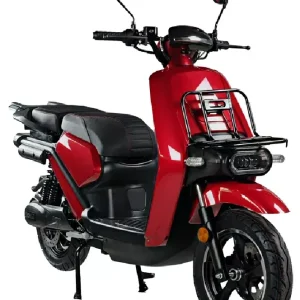
Driven by the demand for energy storage economy, the mass production of sodium ion batteries has accelerated. Under the expectation of tight balance between supply and demand of lithium carbonate, sodium ion batteries are expected to gradually penetrate into price sensitive fields such as two wheel electric vehicles and A00 class electric vehicles with low mileage by virtue of cost advantages.
At present, the sodium ion battery has moved from the laboratory to the commercial application stage. It is expected that the sodium battery is expected to form an initial industrial chain by the end of 2022.
The large-scale application will be started in 2023. The demand in China will reach 58.0 GWh in 2025, corresponding to the demand of 75000 tons of sodium ion battery cathode materials.
It is expected that the sodium battery technology and material system will be basically finalized by the end of this year. In 2023, sodium battery is expected to be delivered in small batches, and in 2024, it will be mass produced, with the scale expected to reach 30GWh.
As for when the sodium ion battery will be industrialized, some insiders believe that it still needs to solve three problems:
● High temperature circulating gas production
● Low temperature cycle charging
● High pressure cycle life
At present, the technical route of cathode materials has not been determined, which is not suitable for large-scale mass production. It is expected that industrialization will be realized in 2024 or even later. In short, sodium ion batteries cannot completely replace lithium ion batteries in the short term.
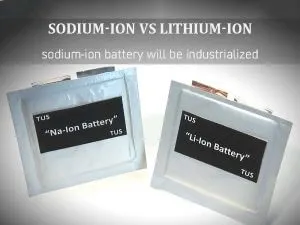
Compared lithium vs sodium battery, in the future, sodium ion batteries and lithium ion batteries will coexist for a long time. But it is certain that the development direction of batteries is always high energy density, low cost, and more safe. No matter sodium ion batteries, lithium ion batteries, solid state batteries, etc., each has its advantages and disadvantages.