CR123 Lithium Battery: Specs, Advantages, and Safety Tips
A CR123 lithium battery may be recognizable to you if you often use home security equipment, tactical flashlights, or cameras. Especially for devices that need a lot of power in a compact package, these tiny batteries are renowned for their extended lifespan, stable voltage, and reliability.
The CR123 is the best option for both daily usage and professional equipment since it has a higher energy capacity and is more durable in extreme conditions than conventional batteries like AA or AAA.
This article will provide you a comprehensive overview of the CR123 lithium battery’s main features, definition, and selection recommendations.

What is CR123 Lithium Battery?
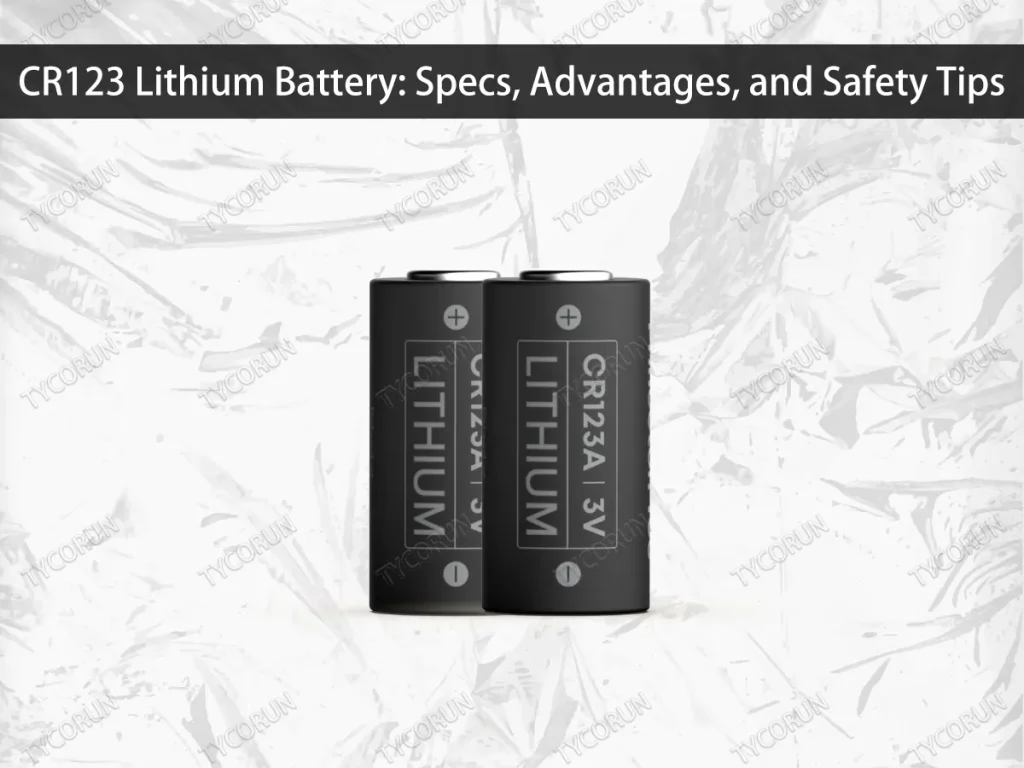
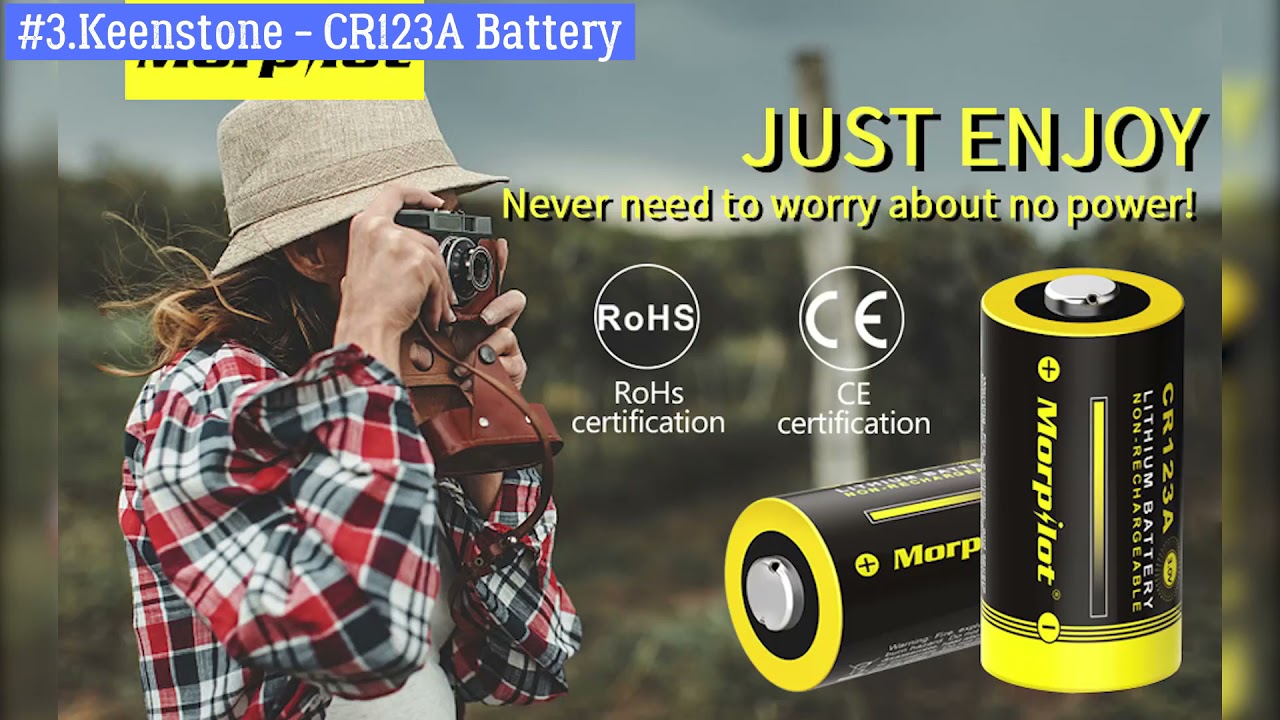
A tiny cylindrical battery with a usual voltage of 3 volts is the CR123 lithium battery. Though shorter and somewhat thicker, it seems like an AA battery in shape. This battery is usually used in electrical equipment that require high power because of its small size and significant power.
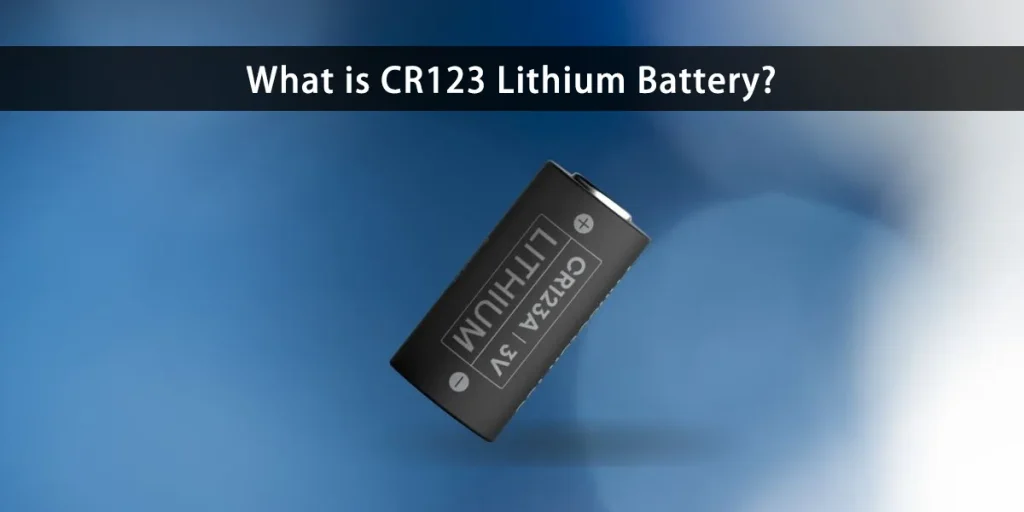
There are mostly two kinds:
- CR123 (primary) = disposable, often used in security devices, flashlights, and cameras.
- RCR123 (rechargeable/16340) = rechargeable version, more cost-effective and eco-friendly for long-term use.
Its main strengths are more consistent power and a lengthy shelf life, which can approach ten years if stored properly. Because of this, the CR123 lithium battery is a well-liked option for both home and business equipment.
Specifications and Characteristics
The unique characteristics of the CR123 lithium battery make it stand out from other batteries. It is somewhat shorter than an AA battery but thicker, measuring around 34 mm in length and 17 mm in diameter. Depending on the brand and kind, its energy capacity ranges from 1,500 to 2,000 mAh, with a typical voltage of 3 volts.
It is also dependable in terms of durability. With a shelf life of up to ten years, this battery is known to maintain consistent performance even after extended storage. Furthermore, the CR123 lithium battery is made to function effectively in a variety of environments, including extremely hot or cold ones like -20°C to 60°C.
Because of these characteristics, CR123 batteries are the recommended option for devices that need a lot of power but still require compact, light batteries.
Common Applications of CR123 Lithium Battery
The CR123 lithium battery is often used in electrical equipment that demand high performance because of its compact size and potent performance.
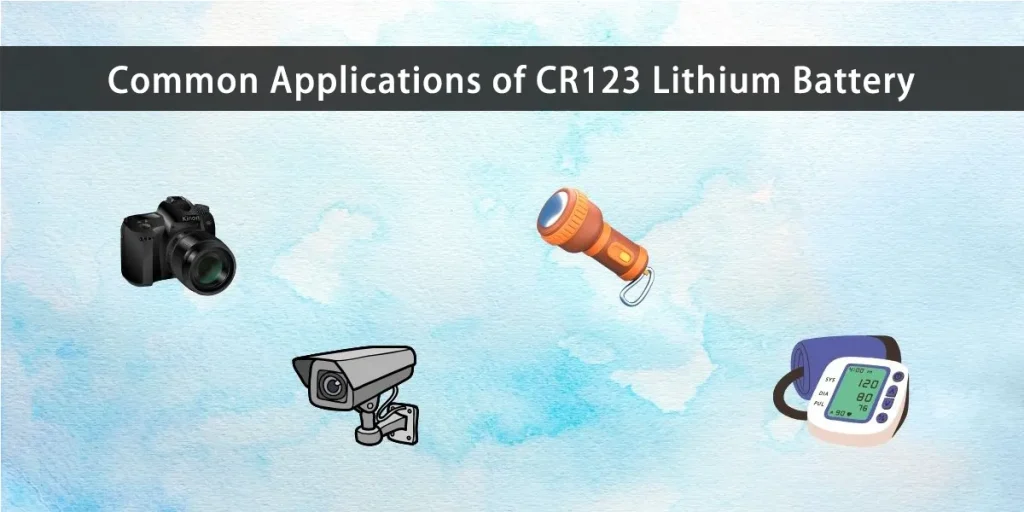
Among the most popular applications are:
- Digital cameras and security cameras (CCTV) need steady electricity to prevent interruptions in recordings.
- Because they need a lot of power, tactical flashlights are often used by security guards, outdoor enthusiasts, and emergency circumstances.
- Smart locks, motion sensors, and alarms are examples of home security equipment that must be kept operational without quickly loosing power.
- Portable medical equipment, such as glucometers or specific high-reliability diagnostic devices.
- Industrial devices, sensors and measurement tools used in the field that are often subjected to extreme situations.
Key Features and Advantages
Many advantages make the CR123 lithium battery in contrast to other types of batteries. Here are a few of its primary attributes and advantages:
- Longer lifespan: large capacity, allowing for further use before replacement.
- Long shelf life: It can be used as backup stock and, with careful storage, last up to 10 years.
- Stable performance: Devices operate at their best without unexpected drops because to a consistent 3-volt voltage.
- Extreme temperature resistance: it can operate in temperatures as low as -20°C and as high as 60°C.
- Compact and lightweight: It is useful for portable devices because it is small in size yet has a high energy content.
With these characteristics, it’s easy to see why the CR123 lithium battery is a popular choice enough for devices that need to be very dependable for both home and business use.
CR123 Lithium Battery vs CR2 battery
Since both CR123 and CR2 batteries are lithium-based and have a voltage of 3 volts, they seem to be comparable at first glance. Their sizes differ: CR2 is smaller, measuring about (27 mm) in length and (±15 mm) in diameter, while CR123 is slightly thicker (±17 mm) and longer (±34 mm). Because of their different sizes, both of them cannot be used in place of one another unless a device is made especially for it.
CR123 often has a larger capacity (about 1,500–2,000 mAh), but CR2 typically has a slightly smaller capacity (around 800–1,000 mAh). For this reason, CR2 is usually found in analog cameras or small cameras that need small batteries, but CR123 is more usually found in tactical spotlights, security equipment, and portable medical devices. As a result, the ideal option will differ based on the device and power needs: CR2 for small devices that prioritize compact size, CR123 for longer performance.
You can read these articles for more insight:
cylinder battery vs square battery
lithium battery vs other batteries
Safety Guidelines and Proper Storage
While CR123 lithium battery is generally safe, incorrect handling and storage can quickly reduce their performance or possibly cause the device to malfunction. There are a few important things to consider, for ensuring that Its last longer and continue to be safe to use:
- Avoid mixing different brands and types of batteries, as well as using new batteries with used ones.
- Keep out of direct heat, sunshine, and high humidity. Store in a cool, dry area.
- Stay clear of metal, batteries should not be placed close to coins, keys, or other metal things that could short circuit.
- To reduce the chance of leaks and device damage, remove batteries that haven’t been used in a long time.
- Follow to the manufacturer’s instructions, only use rechargeable batteries (RCR123) with a specific charger and avoid attempting to recharge disposable batteries.
Batteries will last longer, devices will be safer, and damage risk can be reduced by taking these safety measures.
How to Choose the Right CR123 Lithium Battery
- Determine your needs
Disposable batteries are suitable if you use the device rarely. However, rechargeable batteries (RCR123) are more cost-effective and eco-friendly if you use them often. - Check the device specifications
To confirm compatibility, especially with regard to voltage and size, see the device handbook. Using batteries that are too comparable might damage the device. - Choose a trusted brand
Ensure the use batteries from reputable companies. Usually, imitation products drain quickly and have capacities that do not match their claims. - Consider shelf life
Select backup batteries with a 10-year shelf life if you need them for emergencies.
You may more easily choose the best CR123 lithium battery for your requirements by taking seriously the features mentioned above.
Conclusion
In conclusion, the CR123 lithium battery is the best option for devices that need a lot of power in a compact package, such as cameras, home security systems, and tactical and medical equipment. This battery works noticeably better than more traditional varieties like AA or AAA due to its huge capacity, steady performance, long shelf life, and tolerance for extreme environments.
The most important aspects are the device’s specifications and how often you use, regardless of whether you go with the disposable or rechargeable (RCR123) version. For both daily and professional use, the CR123 lithium battery can be a useful and dependable option as long as it is maintained and stored appropriately.
FAQS
Why is CR123 so expensive?
CR123 batteries are expensive because their advanced lithium chemistry provides high energy density and a long shelf life, resulting in higher material and manufacturing costs.
Are all CR123 batteries lithium?
Yes, a "CR123" battery is a specific type of non-rechargeable lithium battery.
Are CR123 batteries allowed on airplanes?
Yes, CR123A lithium batteries are generally allowed on airplanes because they are classified as consumer-sized lithium metal batteries, with a lithium content of 2 grams or less.