Skip to content
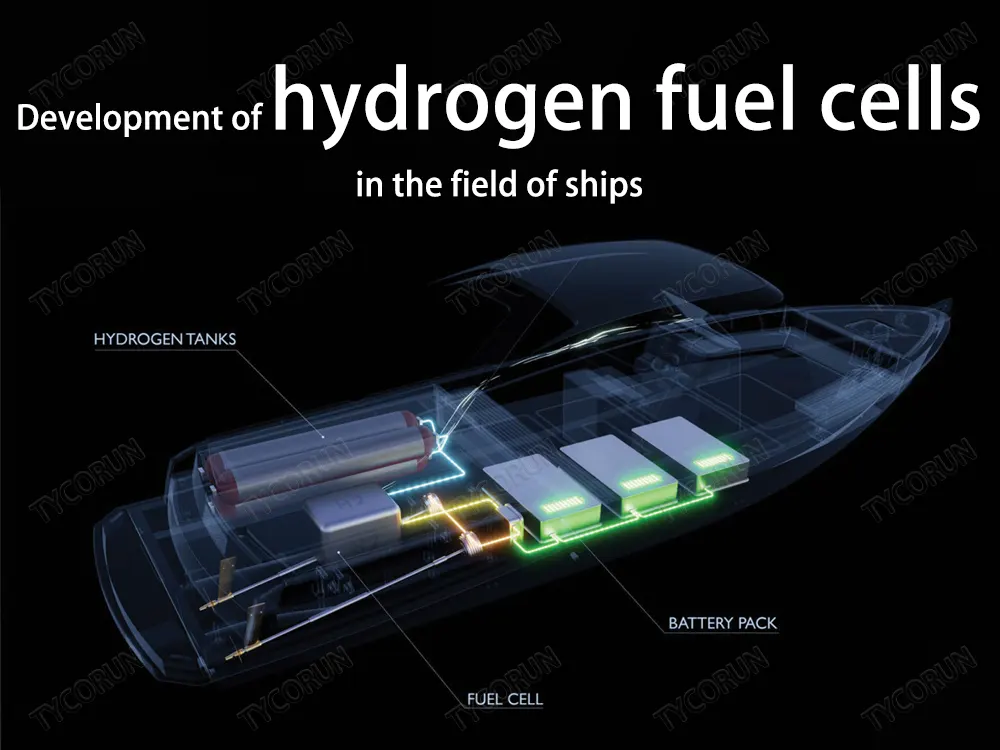
As the world moves towards a greener future, the shipping industry is also exploring new ways to reduce its carbon footprint.
One promising solution is the use of hydrogen fuel cells for ship propulsion. While the use of hydrogen fuel cells in ships lags behind that of vehicles, major countries around the world are focusing on promoting the transformation of ship power.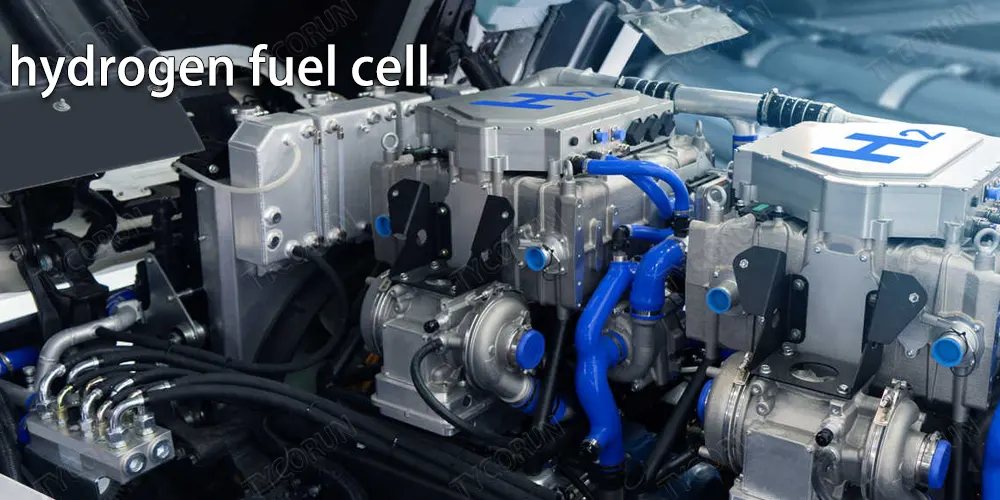
In this article, we will explore the current state of hydrogen fuel cell technology in the shipping industry, the challenges facing its development, and its prospects for the future.

In addition, hydrogen is a renewable energy source, which can be obtained by producing hydrogen from green energy such as solar energy, wind energy, water potential energy, and biomass energy.
The application of hydrogen fuel cell propulsion technology on ships can achieve energy efficiency, zero emissions and improved ship comfort.
Like lithium trolling motor battery, hydrogen fuel cells are also ideal power propulsion devices for green ships, and at the same time meet the needs of the green and environmentally friendly ship market.
Marine hydrogen fuel cell application
Advanced countries and regions such as the European Union, Germany, the United States, Norway, and Japan are in a leading position in the field of marine hydrogen fuel cell propulsion technology.
They have realized the demonstration and application of marine hydrogen fuel cell power propulsion devices, and entered the stage of promotion and application.
European Union: Funded the world’s first commercial passenger ship ZEMships project in 2007. The ship adopts a hybrid propulsion method, integrates two hydrogen fuel cells with a peak power of 48k W and a 560V lead battery, and can transport 100 passengers.
Germany: In 2008, the 100-passenger “Alsterwasser” hydrogen fuel cell cruise ship was developed. It uses a hydrogen fuel cell power propulsion device as the main propulsion power, with a power of 100kW and a maximum speed of 14km/h. Currently, it can carry more than 14,000 passengers name.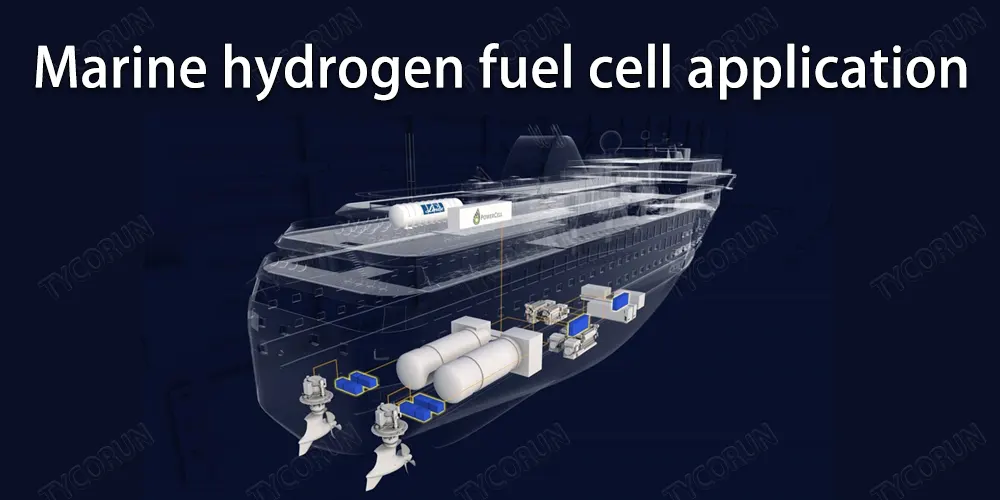
France: The hydrogen-wind-light powered ship “Energy Observer” was built in 2017. The ship is 30m long, weighs 20t, and uses a hydrogen fuel cell system of 22kW.
Netherlands: In 2009, a 100-passenger “FuelCellBoatAmsterdam” was built for canal tourism. The ship is equipped with a 60-70kW hydrogen fuel cell system, uses high-pressure hydrogen to provide hydrogen fuel, and can sail at a speed of 7 knots (1 knot = 1nmile/h) for 9 hours .
United States: Announced on June 25, 2018, that the first hydrogen fuel cell ferry will be built in the Gulf region. The ferry carries 84 passengers, with an electric propulsion power of 2×300kW, a length of 21m, an aluminum hull, and a speed of 22 knots.
Norway: In 2009, in cooperation with Wartsila Group and MTU Classification Society, it developed the famous hydrogen fuel cell sea surface supply ship “VikingLady”.
The power of the hydrogen fuel cell system is 320kW, its output efficiency is no less than that of the ternary lithium battery. It is the world’s first hydrogen fuel cell engineering ship put into operation.
Japan: In 2015, the first hydrogen fuel cell fishing boat was launched for sea trials. The fishing boat has a total length of 12.5m, can accommodate 12 people, can carry 450L hydrogen fuel, and has a maximum speed of 37km/h.
Problems faced by hydrogen fuel cell ship development
● Marine hydrogen storage technology needs a breakthrough
The amount of hydrogen carried by the hydrogen storage system determines the endurance of the hydrogen fuel cell ship.
For ocean-going ships, the requirements for the hydrogen storage system are higher, and higher hydrogen energy density is required.
At present, hydrogen storage methods mainly include high-pressure gaseous hydrogen storage, low-temperature liquefied hydrogen storage, metal hydride hydrogen storage and liquid organic compound hydrogen storage.
The high-pressure hydrogen storage tank is mainly made of metal, and long-term contact with hydrogen increases the risk of hydrogen embrittlement of the material.
In terms of hydrogen refueling, there are currently few ports dedicated to hydrogen refueling for ships worldwide, and the supporting facilities for hydrogen refueling need to be further improved.
● Fuel cell stacks are expensive
Similar to lithium ion marine battery, the cost of batteries has always existed. The electric stack is the core component that converts chemical energy into electrical energy, and its cost accounts for about 60% of the total cost of hydrogen fuel cells.
In the stack, the catalyst and the proton exchange membrane are the most expensive, and the cost of the two accounts for as much as 50%. Among them, platinum is an essential catalyst in hydrogen fuel cells, and its status as a hydrogen fuel cell catalyst is irreplaceable in the short term.
Due to the scarcity and high price of platinum resources, the cost of the stack is relatively high. Judging from the current situation, it is difficult for catalysts to achieve cost reduction through mass production.
Although there are new catalysts coming out, most of them are in the laboratory stage and are still far from large-scale application.
● The safety and management technology of hydrogen fuel cell ships lags behind
Hydrogen is flammable, explosive, and prone to hydrogen embrittlement in long-term contact with metals.
These characteristics are one of the key factors affecting its commercial application in the marine field. At present, although hydrogen energy has been initially applied in transportation, industry and other fields, hydrogen safety is still a major issue that cannot be ignored.
Although there are special institutions to carry out hydrogen safety research, the existing regulations or standards are limited to the technical level and local management scope, and lack sufficient systematization.
Prospects for hydrogen fuel cell ships
Now, major countries in the world are focusing on promoting the transformation of ship power in different directions such as internal combustion engines and fuel cells.
Simultaneously carry out research on the application of different energy sources such as hydrogen fuel, ammonia fuel, biofuel, and LNG in the field of ships.
Compared with other battery solutions, hydrogen fuel cells have the characteristics of high energy conversion efficiency, zero emissions, and no pollution, and have rich application experience in the automotive field. They are an important solution for the green transformation of ships.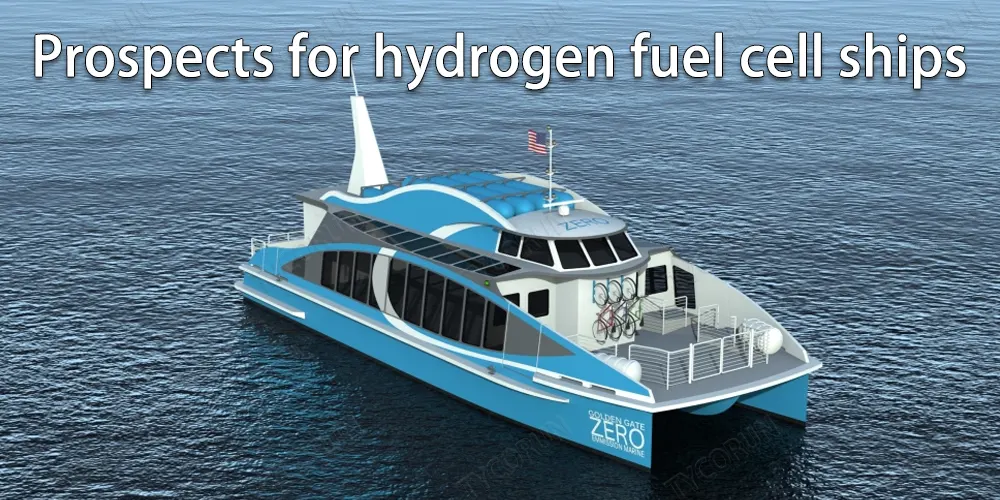
Although the exploration of hydrogen fuel cells in the field of ships lags behind that in the field of vehicles. At present, it can only be used as an auxiliary power system, and its power density and economy cannot support the application on large ships and ocean-going ships.
But in the future, with the rapid development of hydrogen fuel cell technology, the reduction of battery cost and the gradual improvement of environmental protection requirements, its large-scale application in the field of ships has broad prospects.
It is predicted that the global market capacity of marine fuel cells is about 160 GW. Judging from the investment and research and development efforts of major countries in the world on hydrogen fuel cells, its development will be more rapid in the future, and it is expected to lead the revolution in the replacement of ship power systems.