Skip to content
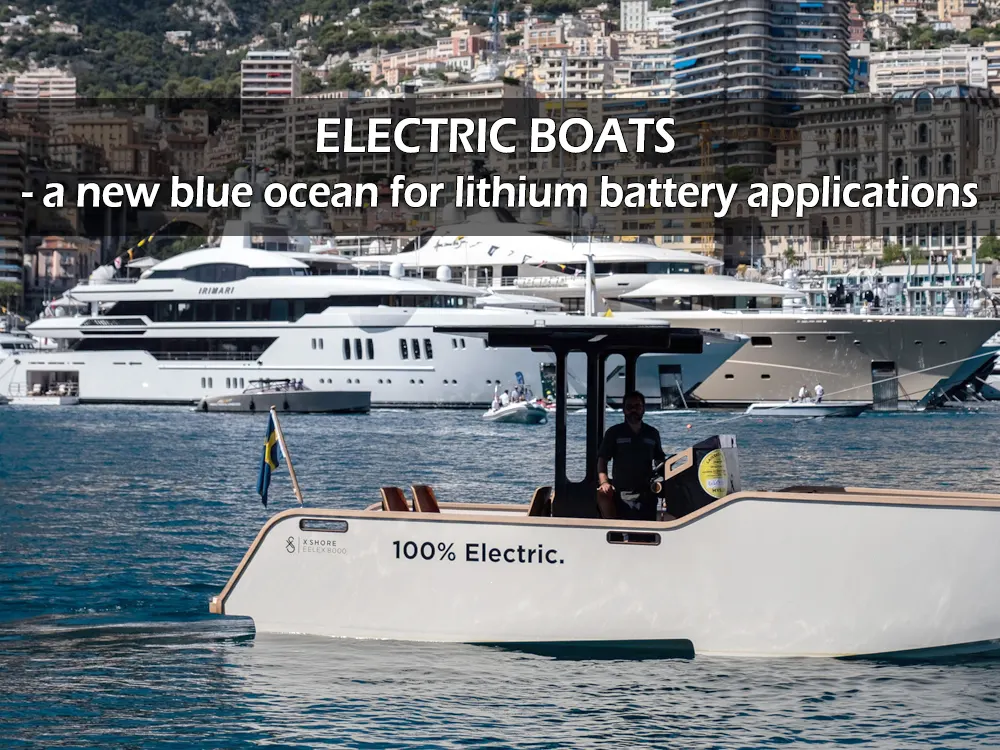


Recently, China’s first pure electric offshore catamaran – Far East Eado 42C new energy catamaran was released. The boat is equipped with CALB lithium iron phosphate power battery products, achieving a maximum speed of 8kt, a maximum battery life of 20h, and a range of 100 nautical miles. In addition, many battery manufacturers in China such as top 10 lithium marine battery manufacturers are also increasing the layout of marine power batteries.
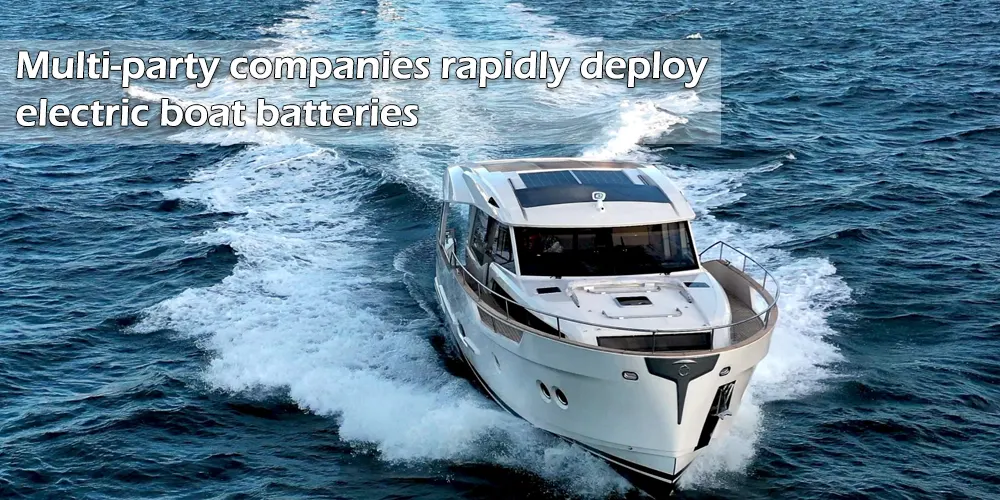
Multi-party companies rapidly deploy electric boat batteries
According to the information disclosed on the official website of China Classification Society (CCS), CCS has issued type approval certificates for lithium battery-related products to the top 10 lithium ion battery manufacturers in China, including CATL, CALB, EVE, GOTION HIGH-TECH, Ganfeng Lithium, and Lishen. Covering batteries, modules, BMS and battery packs.
Among them, EVE is the first battery manufacturer to enter the field of electric boats. As early as 2016, EVE’s marine power battery was certified by China Classification Society. As a leading power battery company, CATL also has an early layout.
At the end of last year, CATL also registered and established a wholly-owned subsidiary whose main business direction is marine power battery system related technology, product development and application.
Electric boats are the general trend
Although the demand for power batteries for electric boats is not as high as that of electric vehicles, it is still a pure incremental market that cannot be underestimated. According to industry forecasts, the global electric boat market will reach US$10.82 billion by 2027. The current installed boat types are mainly concentrated in inner lakes, inland rivers and offshore ports, mainly passenger boats, cargo boats, port tugboats, harbor boats and offshore engineering boats.
With breakthroughs in boat power system networking technology, boat electric propulsion technology, and high-power grid-connected technology, the electrification of large, long-distance boatping is expected to start.
In terms of policy, since more than 90% of the world’s international trade volume is completed by sea, the world is increasing support for boatping decarbonization, and electrification is an important way. China has promulgated relevant policies to actively and steadily develop LNG-powered boats and accelerate the development of battery-powered boats.

Last month, the Singapore government announced that from 2030, new port boats operating in the port of Singapore must be fully electrified or driven by net-zero emission fuels.
As the country that operates the most large electric boats in the world, Norway has also set the goal of making the Port of Oslo the world’s first zero-emission port by 2030. It is worth noting that the current electric boats in Norway and other European and American countries are equipped with ternary lithium battery. However, in terms of safety, life, cost and other factors, lithium iron phosphate batteries are still the best choice for marine power batteries at this stage.
The integration of battery swap and energy storage has become an innovation point
Although electric boats have the advantages of environmental protection, high reliability, and low operating costs, their large-scale commercialization is hindered by high initial investment costs and imperfect charging facilities. Unlike the 10-year lifespan of an electric car, a boat typically has a 30-year lifespan. That is, the battery needs to be replaced two to three times during a complete usage cycle.
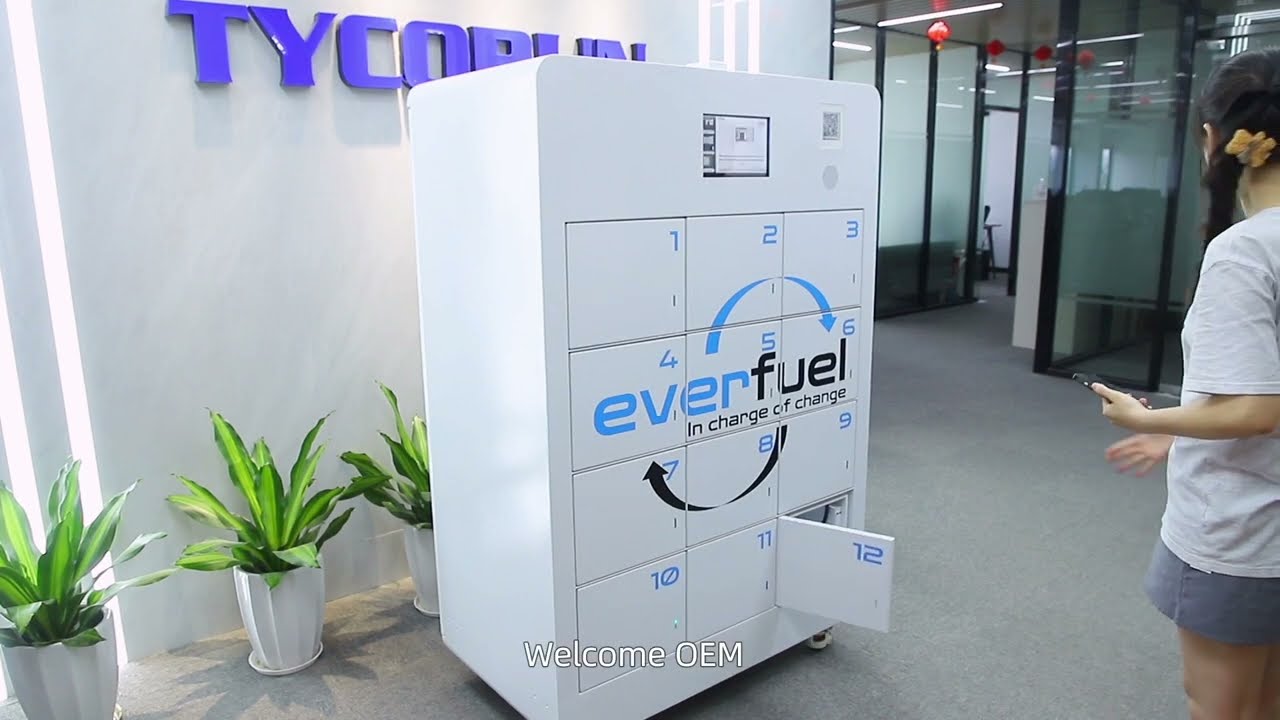
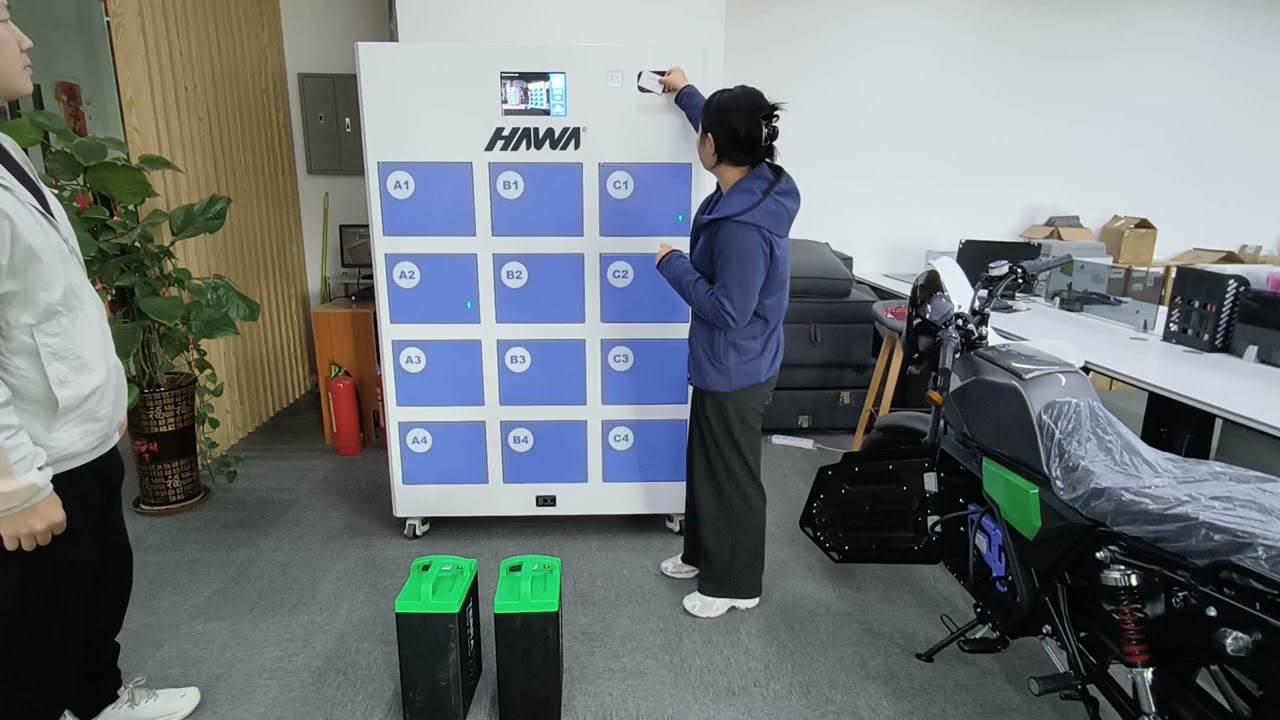
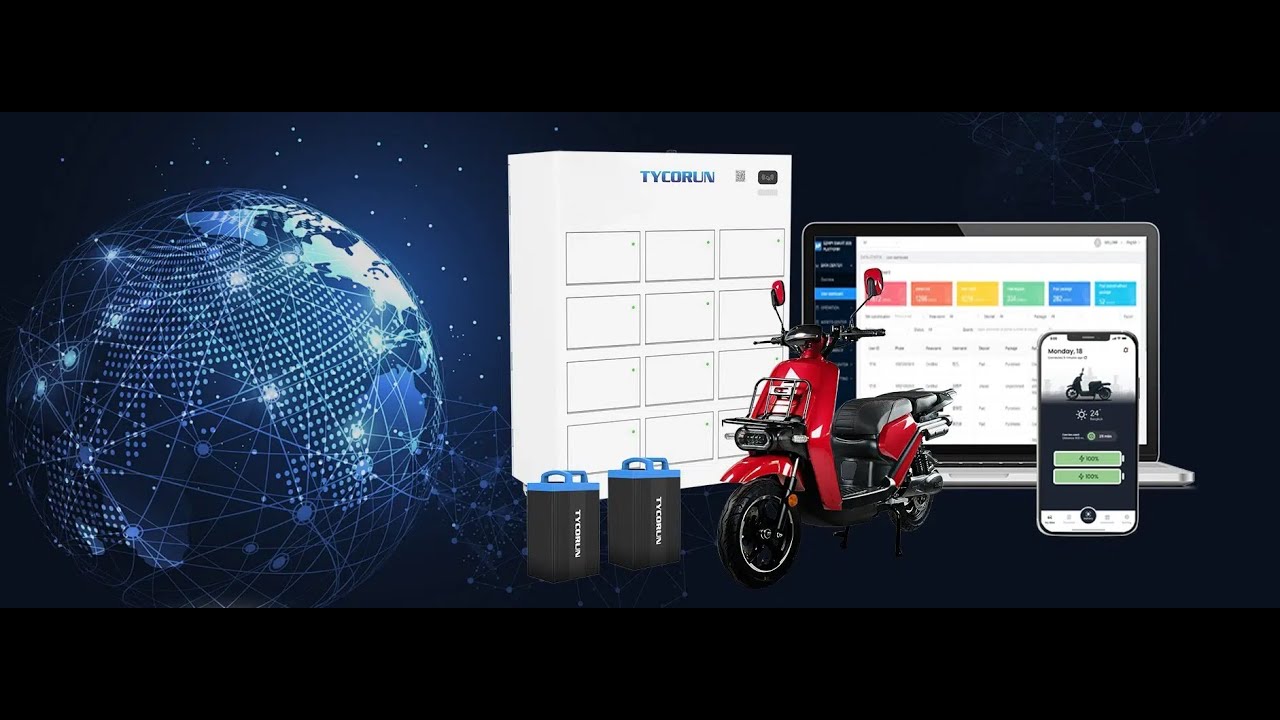
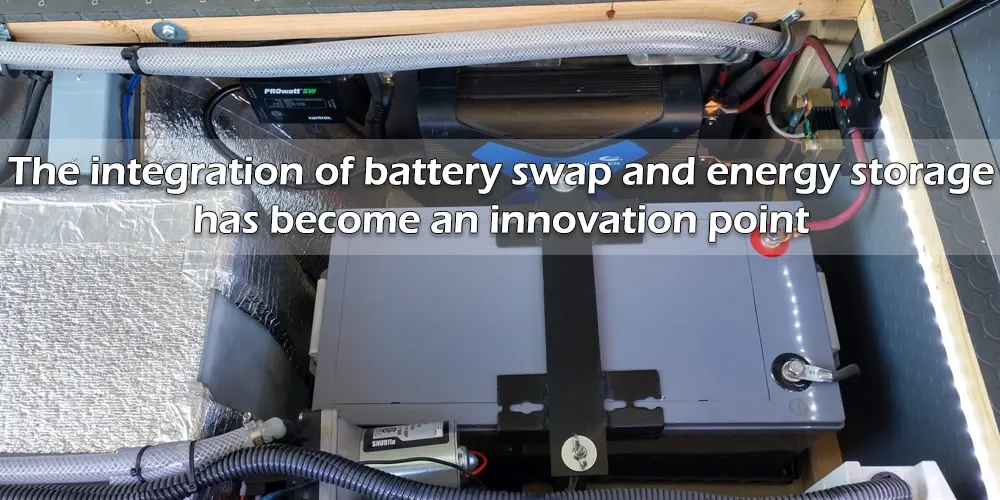
In the view of some industry insiders, introducing the concept of “battery bank” in the form of battery swap and adopting the form of leasing is a way to solve the high initial cost. The battery swap mode can increase the boat’s voyage and reduce the charging time of the boat in port, which is an important means to solve the anxiety of cruising range. In addition, the “plug-and-pull” container-type battery can use the difference in peak and valley electricity to store energy, which can further enhance the economy of electric boats during operation.
At present, the shore power system is still the mainstream energy supplement solution, but there are still problems such as limited coverage, insufficient capacity, different power systems, slow charging speed, and equipment compatibility. In the future, the construction of the shore power system is expected to increase the integration of energy storage facilities, forming an independent track parallel to the “light storage charging and inspection” of electric vehicles.
In March 2022, COSCO boatPING Group announced the construction of two 700TEU-class Yangtze River mainline electric container boats, which will be delivered by the end of 2023. The boat adopts the boat-electricity separation mode design, and the container-type power battery is used as the power source in the loading and swapping mode. The maiden voyage is from Wuhan to Shanghai, and the whole journey will be pure electric.
Hybrid boats may be the best choice
It is worth noting that, similar to the development route of electric vehicles, hybrid power may be the best choice for the current transitional stage.
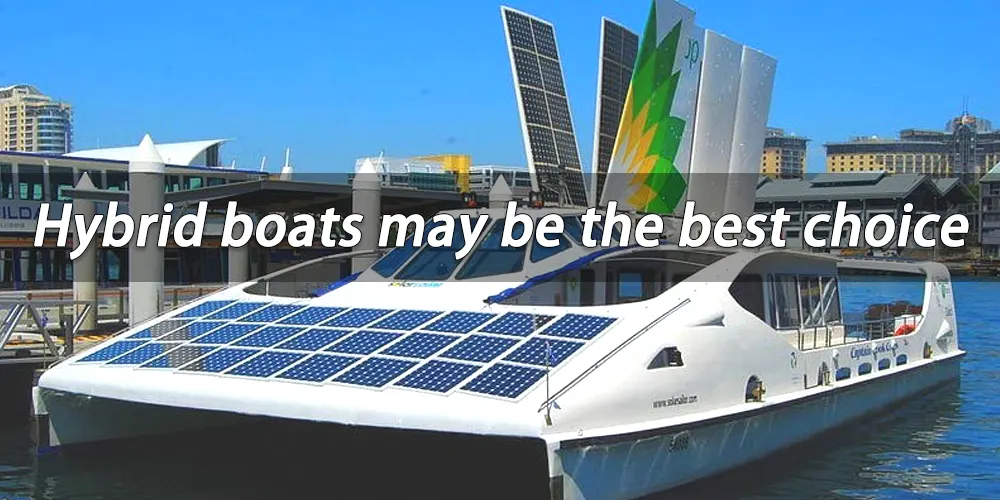
Electric boats are also divided into pure electric and hybrid. According to the application tonnage, electric boats can be divided into less than 500 tons, 500-2000 tons, 2000-5000 tons, and more than 5000 tons. At this stage, it is difficult to completely replace lithium-ion batteries for medium and large boats with a capacity of more than 5,000 tons, mainly hybrid type.
In February this year, the world’s first large-capacity battery hybrid ro-ro passenger boat was completed and delivered in Nansha, Guangzhou. The boat is equipped with 1,160 large-capacity batteries with a total capacity of 8.8MWh, which is equivalent to the combined battery capacity of 150 passenger electric vehicles.
Generally speaking, lithium ion marine battery is still in the initial stage of introduction, but they have broad prospects and increasingly fierce competition. Behind it is the unstoppable electrification trend in large transportation fields such as automobiles, boats, and airplanes. The story of power batteries is far from reaching its climax.