Skip to content



Swedish battery manufacturer begins shipping
The above lithium ion battery company is star company in the European battery industry. Although it has only been established for 6 years, Northvolt has received investments from BMW, Volkswagen, Goldman Sachs, Spotify and other companies. In June last year, a private equity investment amounted to 2.75 billion US dollars.
Established by Northvolt and Hydro, Hydrovolt is Europe’s largest recycling plant for electric vehicle batteries, processing around 25,000 used batteries a year.
The construction of local battery companies in Europe has begun to smoothly put into production, which can alleviate the upstream supply problems of new energy vehicles and accelerate the development of new energy vehicles in the region.
Some European battery companies are good at supply chain management, coupled with the commercialization of battery recycling technology, which is expected to help battery companies to avoid raw material supply problems to some extent.
Europe builds a local battery industry chain
Northvolt said that due to the shortage of upstream raw materials and high prices, the company’s increased battery shipments can help carmakers increase production capacity. For European carmakers, Northvolt could also change its reliance on external suppliers in Europe and improve the security of battery supply.
At present, the sales of new energy vehicles in Europe account for nearly 34% of the global share, making it the second largest market in the world. However, in the new energy vehicle industry chain, it has no advantage in battery supply and mineral resources.
In the first quarter of this year, the top ten companies in the global power battery installations were all Asian companies, and their overall market share was over 90%. Especially TOP 10 lithium iron phosphate power battery manufacturers in China. The data shows that the upstream raw materials required for power batteries are mostly in Latin America, Africa and Australia.
Most of Northvolt’s customers are local European car companies. The company said it has secured more than $50 billion in orders from automakers including BMW, Volkswagen and Volvo, and will expand production for the rest of the year. Volkswagen, one of Northvolt’s biggest investors, has unveiled plans to build battery factories locally and hopes to build six large battery factories in Europe by 2030.
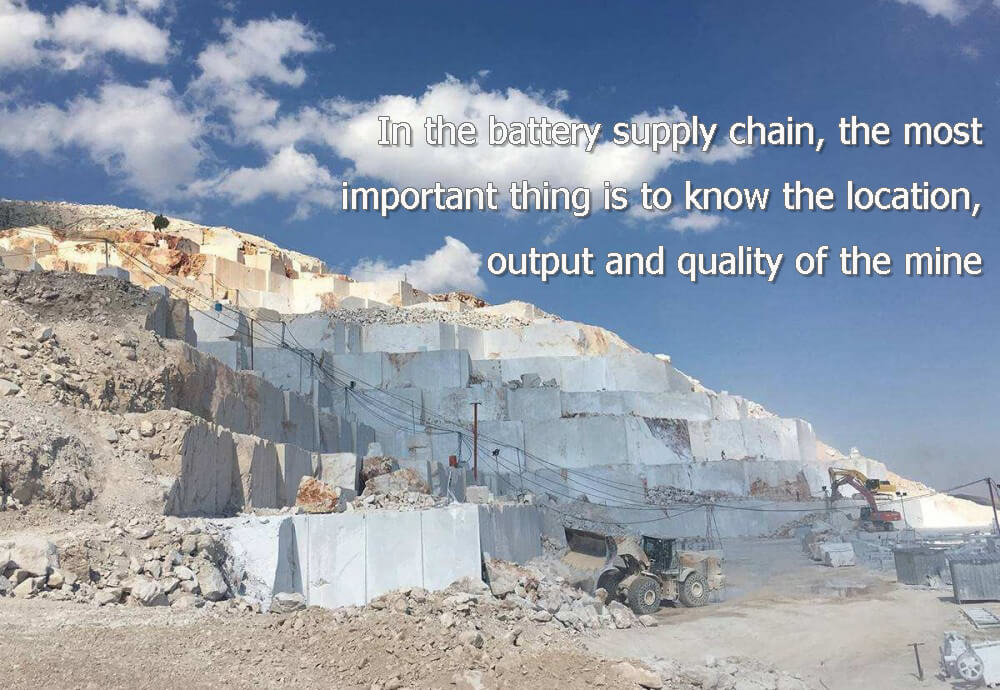
The core competitive advantage of Northvolt and its joint venture subsidiary Hydrovolt is the understanding and control of all links in the supply chain. In the battery supply chain, the most important thing is to know the location, output and quality of the mine.
In addition, the company places great emphasis on data collection, modeling, traceability, and more. From raw materials, to batteries, to packaging, and ultimately recycling, data is collected along the way to create the best possible model.
To reduce transportation costs and carbon emissions during transportation, Northvolt generally chooses to build refineries near mines. Most other battery companies do so by transporting spodumene, the raw material from which lithium is extracted, to distant refineries (even across borders) to operate.
Before founding the company, Northvolt founder Peter Carlsson had many years of experience in supplier sourcing and management. He has served as Tesla’s supply chain executive and chief manufacturing officer (CPO). Before that, he was in charge of procurement and supplier sourcing at NXP Semiconductors.
Northvolt’s chief environmental officer said the company had taken a major step forward in recycling battery technology and commercialization. Due to the better sales of new energy vehicles in Europe, this provides more resources for the battery recycling business. And because the price of upstream raw materials is too high, this business also sees greater economic benefits.
The battery recycling project Northvolt started is called Revolt. Its technology uses a nickel-manganese-cobalt (NMC) cathode, which allows the metal to be recovered from battery waste through a low-energy hydrometallurgical process.
Each of Northvolt’s factories has a Revolt recycling program and expects to use 50% recycled material in its battery production by 2030. By 2035, the global scale of decommissioned batteries available for recycling will reach about 5 million tons, enough to meet the needs of 15% to 30% of the main metals used in battery production.

International battery industry competition intensifies
In addition to Europe, many countries around the world are also stepping up the layout of the battery industry chain. Not long ago, Argentina, Chile, and Bolivia, which are rich in lithium ore resources, are also seeking to build electric vehicle supply chains.
“We are working together to develop new technologies to go further in the battery value chain,” said Argentina’s Deputy Mines Minister. Last year, the United States also released a national blueprint for lithium batteries.
The battery industry is a three-intensive industry with capital, technology, and manpower. Whether countries can stand out in the battery industry competition in the future depends on industrial policies and financial support.
Since the beginning of this year, global power battery companies have welcomed the market trend. Among them, LG New Energy as one of the Top 10 power battery companies in the world, the world’s second-largest electric vehicle battery manufacturer, made the largest initial public offering (IPO) in South Korea’s history in January, raising about $10.6 billion.
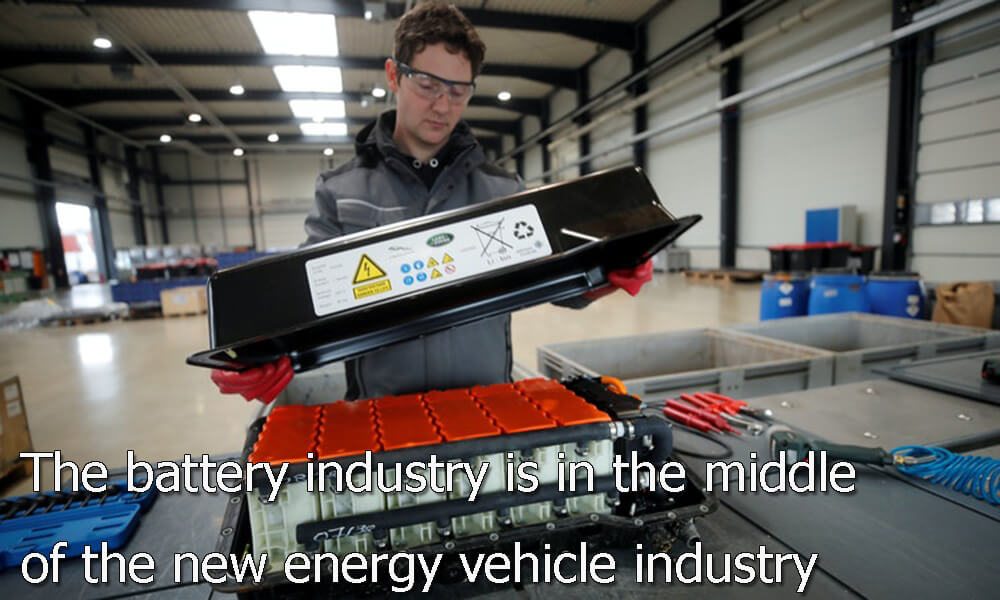
The battery industry is in the middle of the new energy vehicle industry, and its development is not only related to the reserve of upstream raw materials (the quantity of mines and the quality of the materials produced), but also depends on the downstream demand for lithium-ion batteries with new energy vehicles as the main application scenarios. Regions with policies, funds, mines and markets at the same time will undoubtedly have a great competitive advantage in the future.
As for how to reduce the supply risk of upstream raw materials in the battery industry, from a technical perspective, it is possible to promote the research and development and application of new battery packs.
First, the reduction of resources, aiming at the cobalt resources with the highest risk, promote the research and development and application of low-cobalt and cobalt-free batteries.
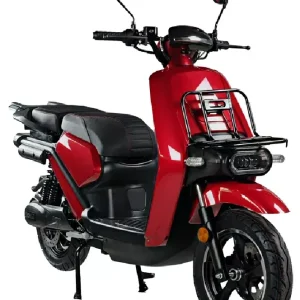
Second, the substitution of resources, explore the use of sodium-ion batteries in different scenarios, and use sodium-ion batteries in electric bicycles, low-speed vehicles and commercial vehicles operating in the city without long-life requirements to replace part of the market share of lithium-ion batteries.
Third, rationalize resource usage scenarios, explore the application of hybrid battery packs, and rationally deploy the application scenarios of lithium iron phosphate and ternary lithium batteries.
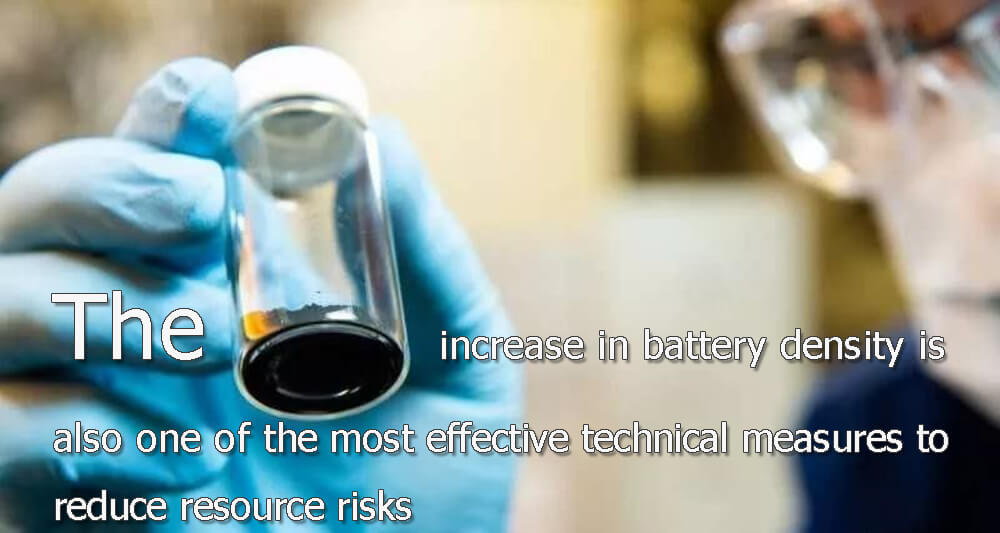
The increase in battery density is also one of the most effective technical measures to reduce resource risks. In addition, carry out the ecological design of power batteries, explore and improve the ecological product value of power batteries, and open up the closed-loop cycle of resources, so as to further improve the resource efficiency of the whole life cycle from raw materials to battery production, use and recycling.