Skip to content
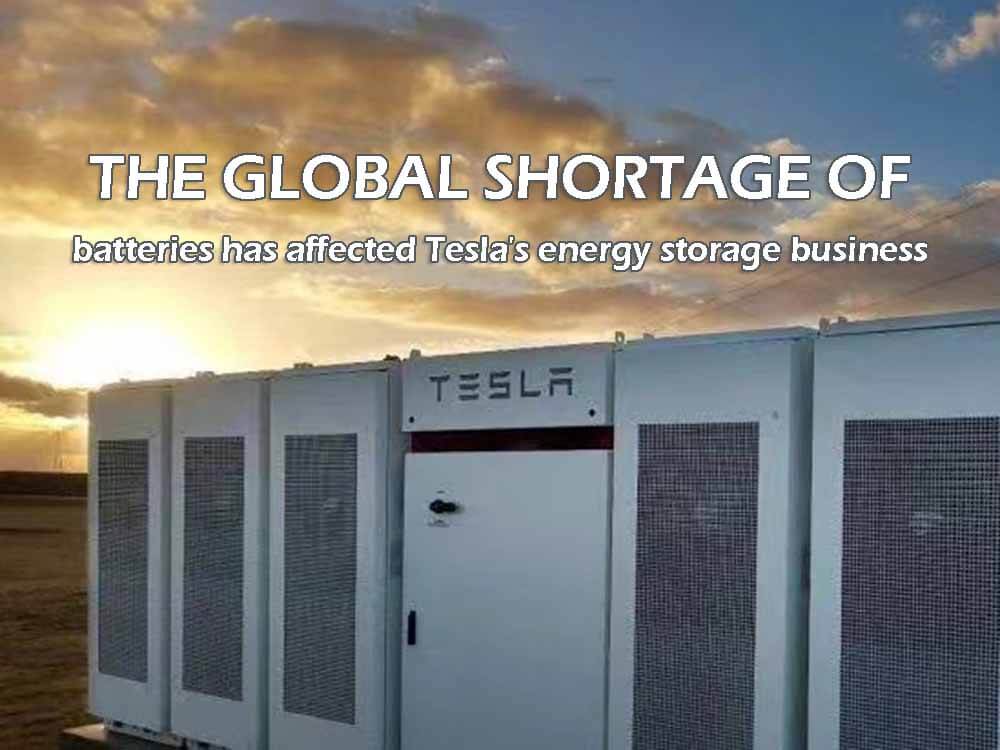


Tesla’s battery storage growth falls short of expectations
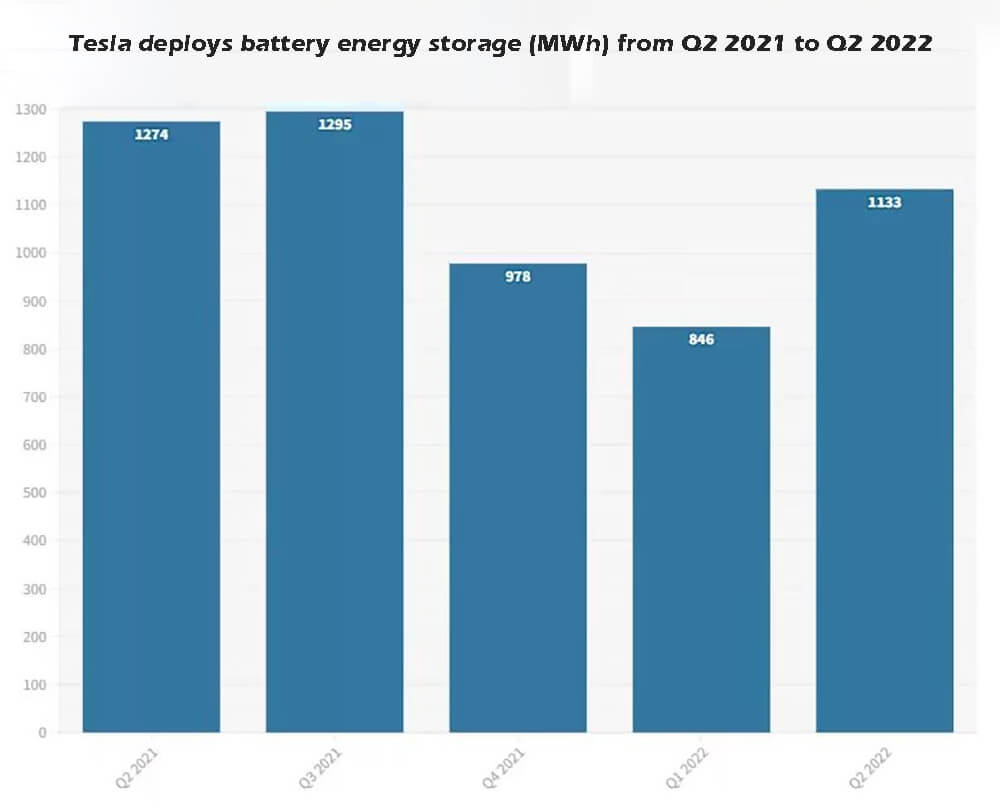
In terms of installed capacity, in the second quarter, Tesla’s energy storage deployment fell by 11% year-on-year to 1.1 GWh. Tesla as top 5 energy storage battery companies has deployed 1,133MWh of battery storage systems in the second quarter of 2022, compared to 1,274MWh in the second quarter of 2021 and 1,295MWh in the third quarter of 2021. However, this figure has increased compared to the fourth quarter of 2021 (978MWh) and the first quarter of 2022 (846MWh).
In the second quarter of 2022, Tesla Inc.’s revenue from power generation and storage was $866 million, while the unaudited cost of revenue was $769 million. The company reported revenue of $801 million in the second quarter of 2021, while cost of revenue was $781 million, and its margins improved compared to the same period last year.
After reporting its first-quarter 2022 results in April, the company had said that market demand far outstripped its production, but activity reported in the quarter was also limited in part by shipping and other logistical delays caused by the pandemic.
Tesla seeks to build its own lithium refining capacity
While chips may be the biggest obstacle to energy storage production this time around, the company’s CEO Elon Musk noted on the call that prices for other commodities have also been volatile, especially lithium, which is growing rapidly.
Musk pointed out that lithium is relatively easy to mine and that lithium metal itself is an abundant natural resource. But refining lithium into high-purity lithium carbonate and hydroxide is much more difficult. Energy storage remains one of the three pillars of a sustainable energy future, along with wind and solar power facilities, as well as electric vehicles (EVs).
In fact, the company noted back in October that it had achieved a compound annual growth rate (CAGR) of 96% in battery deployments over four years following its third-quarter 2021 results report.
In terms of battery technology, Tesla continues to develop its own lithium 4680 battery, which will use dry electrode technology. However, the main source of its battery products will still be its supplier partners, including Panasonic and LG. Tesla also said the company is not looking to replace external suppliers, but rather to increase capacity through in-house production.
Given the critical role batteries play in sustainable transportation and energy storage systems, the rate at which battery production is growing is a fundamental limiting factor in the global transition to sustainability, Musk said. As they have done before, they expect that most stationary battery energy storage systems will use lithium iron phosphate (LFP) batteries, while ternary lithium battery will be mainly used in vehicles. Tesla is also looking to build its own lithium refining capacity.
Obstacles to energy storage production
At present, the market demand for Tesla’s energy storage products still exceeds its own supply capacity. To ease the demand for orders, the Megapack manufacturing plant is increasing production capacity to meet the growing market demand. On the other hand, Tesla’s CFO said production of Tesla’s residential Powerwall battery cells and Megapack 3MWh utility-scale system “remains component-constrained.”
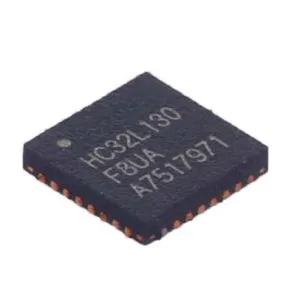
In the field of energy storage, chips are widely used in BMS, PCS, EMS and other fields. It is mainly reflected in power devices represented by MOSFET and IGBT, lithium battery management chips, efficient power conversion control chips, and highly reliable embedded processors (MCUs).
Taking BMS as an example, the battery management chip is a power management subdivision track. The main product forms include three types of chips: battery metering, battery safety, and charging management. And the BMS system is built on the basis of battery management IC, and the chip technology is the core of the BMS industry chain.
The performance of the battery management chip itself is mainly reflected in the measurement accuracy of voltage, current and temperature signals. On the one hand, the entire battery protection process can be made more secure, reliable and stable; on the other hand, the battery energy can be more fully utilized.
A battery management chip with high system integration and reliability should integrate input channel protection devices and actively balance the drive circuit, which can greatly simplify the design of peripheral circuits and the number of devices, and improve reliability.

Since the beginning of 2021, many companies have responded that the supply of IGBTs is relatively tight. For example, international manufacturers such as Infineon and ON Semiconductor have carried out fundraising and production expansion plans to varying degrees. degree of extension.
While semiconductors may be the biggest obstacle to energy storage production this time around, CEO Elon Musk noted on the conference call that prices for other commodities have been volatile, especially lithium prices.
Musk noted that lithium is relatively easy to mine and that the metal itself is abundant as a natural resource. Refining lithium into high-purity lithium carbonate and hydroxide is much more difficult, but refiners can make as much profit as the software business, the CEO said.
Conclusion
Musk reiterated previous calls for entrepreneurs to get involved in lithium refining, suggesting they would grant themselves a license to print money, claiming it would be profitable in a world where battery demand accelerates. In the end, Musk said that energy storage remains one of the three pillars of a sustainable energy future, along with wind and solar for power generation and electric vehicles for transportation.