Battery Backup Lifespan Explained: How Long Do Battery Backups Last in Real Use?
In the current digital era, practically every device in the home and workplace requires electricity. From computers and routers to security systems, our reliance on a consistent power supply is growing. Because of this, a lot of people are thinking about utilizing battery backups to keep their devices operational during blackouts.
However, the most common question before purchasing or setting up a battery backup is: how long do battery backups last? It is critical to understand this in order to make replacement plans, extend battery life, and prevent unintended events during power outages. Sadly, the answer to the question of how long battery backups last varies depending on the device. The longevity of your battery backup can be impacted by a number of variables, including usage patterns and battery type.
Selecting the appropriate battery type can be helped by knowing how long battery backups last. Given its propensity for durability, is lithium ion a better option? With this knowledge, you can make better investments and achieve peak performance.


How Long Do Battery Backups Last?
Many people purchase battery backups in the hopes that their devices will remain operational for hours during a power outage. But the truth is more complicated than that. When discussing how long do battery backups last? we must consider two factors: how long the battery can provide power while in use and how long the battery will last before needing to be replaced.

Depending on the battery type, usage frequency, and storage conditions, battery backups typically last three to five years. The backup’s endurance in a single use (during a power outage) can range from a few minutes to more than an hour, depending on battery capacity and connected device load. Because every system has different performance and power needs, there is no one clear answer to the question of how long battery backups last.
Furthermore, environmental factors are also significant. Temperatures that are too hot or cold can reduce battery life. If the battery backup is frequently used or not maintained, its service life may be shorter than expected.
Factors That Affect Battery Backup Lifespan
The answer to the question of how long do battery backups last actually depends on a number of variables. Every battery backup is unique, and even seemingly insignificant factors like usage or room temperature can have a significant effect on battery life. Here are a few typical factors:
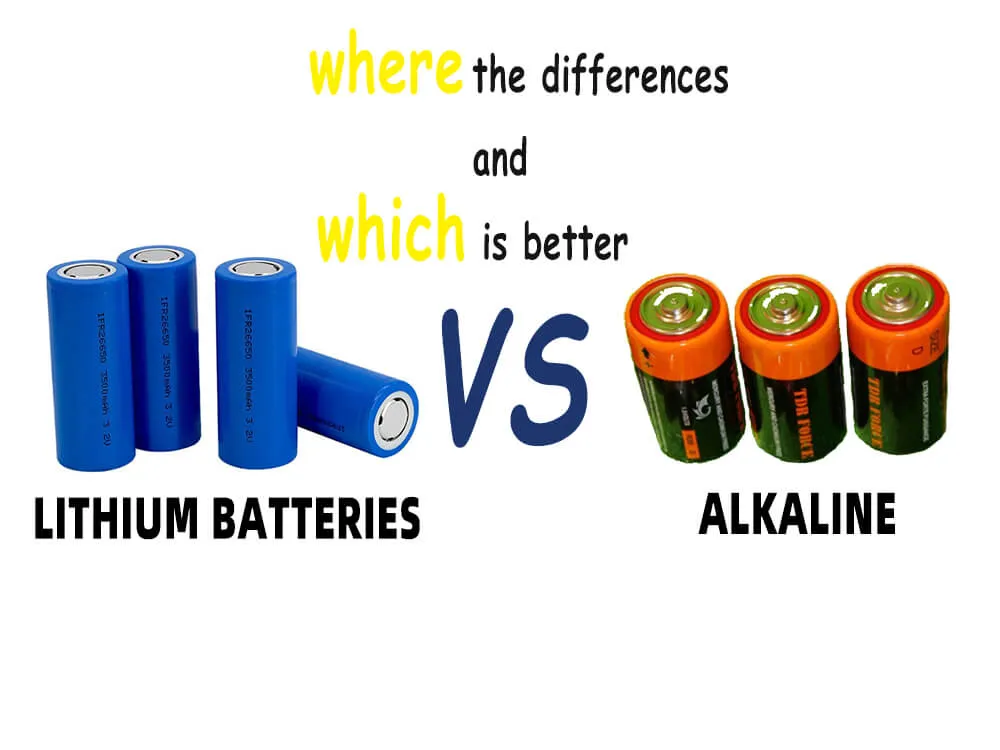
- Type of battery: service life is significantly impacted by battery type. Because lithium ion batteries are more resilient to repeated charging cycles, they usually have a longer lifespan than lead-acid batteries.
- Usage frequency: the battery capacity can decreases more quickly with increased use. Battery backups that are frequently activated during power outages typically have a shorter service life than those that are rarely used.
- Connected power load: high-power devices, like servers or desktop PCs, will use up the battery more quickly. The backup time decreases with increasing load.
- Environmental conditions: excessive heat or cold can hasten the deterioration of batteries. The battery backup’s lifespan can be increased by storing it in an area with consistent temperatures and good ventilation.
- Routine maintenance and checks: the battery’s lifespan can be increased by carrying out basic maintenance like periodically recharging and checking the voltage. Battery backups that are properly maintained typically last longer.
- Product quality and brand: reputable brands typically use components that are more stable and long-lasting. The overall lifespan of battery backups is directly impacted by this feature.
Lithium Ion vs Lead-Acid: Typical Lifespans
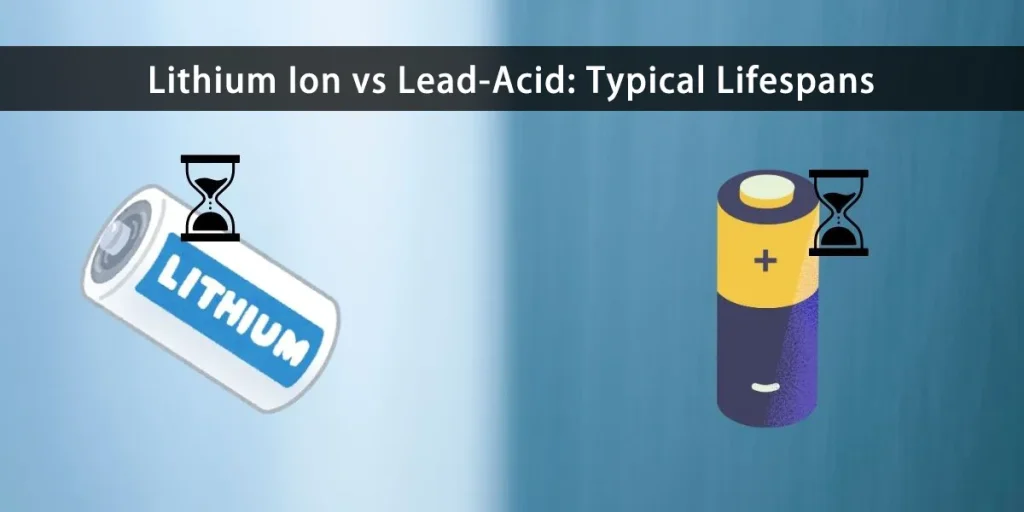
- Lithium ion battery backups
Backup battery systems that use lithium ion battery usually last 5 to 10 years. High efficiency, quick charging, and longer usage cycles are all features of this technology. So, if you want a backup system you can rely on in the long run, lithium-ion could be the best option. - Lead acid battery backups
Backup systems that use lead acid battery typically only last three to five years, in contrast to lithium-ion. Despite being less expensive, they need more frequent maintenance and are more susceptible to high or low temperatures. This type is still useful for home or small office use, but you will need to be ready for more frequent replacements.
You can read lead acid battery vs lithium ion for more detail
Usage Patterns and Their Impact on Longevity
The way you use your battery backup affects how long it lasts. Many people only consider power capacity, not understanding that daily usage patterns can also affect the long-term lifespan of battery backups.
Battery backups that are frequently used to power heavy devices like servers, printers, or gaming PCs, for instance, typically have a shorter lifespan than those that are only used for light devices like routers or modems. The battery undergoes increased stress each time the system exerts significant effort to deliver significant power, and eventually, its capacity to store power declines.
Additionally, the degradation process can be accelerated by continuously leaving the battery backup plugged into a power outlet. This device should ideally be allowed to “rest”. How long do battery backups last can be greatly impacted by charging too frequently or even letting the battery run entirely dead before charging.
The frequency with which power outages occur in residential areas is also important. The more frequently the battery backup is used to anticipate power outages, the faster the system’s performance declines.
Maintaining a balanced usage pattern will help the battery backup last longer and perform steadily over time by avoiding using it excessively frequently or leaving it idle for extended periods of time.
Signs Your Battery Backup Needs Replacement
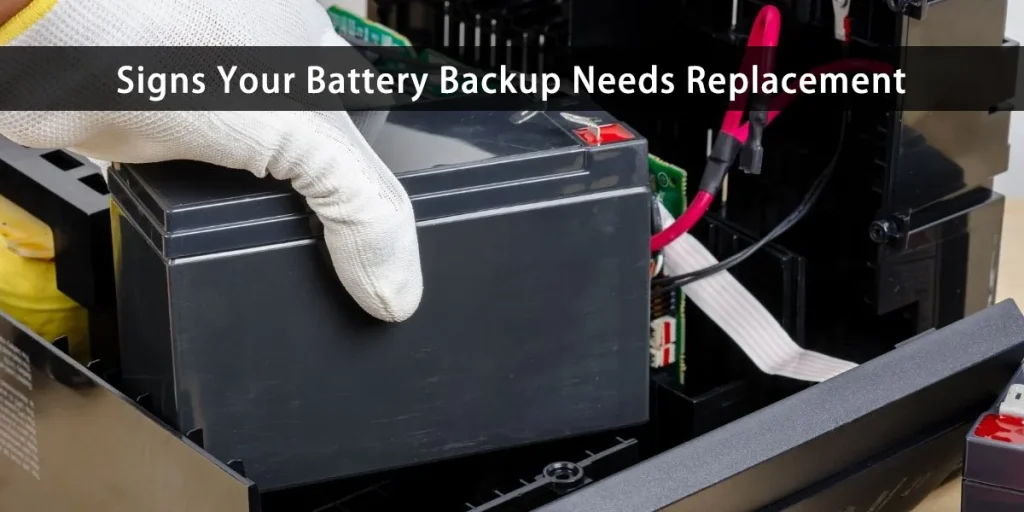
- Shorter backup duration: one of the most obvious indicators is a shorter backup time. Your device’s battery capacity has begun to deteriorate if it used to last 30 minutes during a power outage but now only lasts 10 minutes. When discussing the actual duration of battery backups, this decrease is frequently the most evident indicator.
- Noisy or excessive heat: typically, an old battery backup makes a clicking or humming noise or even feels hot while operating. This suggests that the system is exerting more effort to generate the same quantity of power and may indicate that its internal parts are beginning to fail.
- Error indicators or alarms: a lot of contemporary battery backups come with special alarms or indicator lights. It is obvious that the battery is nearing the end of its life if it keeps displaying warnings like “replace battery” or “battery low,” even though it has just been fully charged.
- Device fails to turn on during a power outage: this is the most serious symptom. Your unit’s battery backup life may have run out if, during a power outage, the system is unable to turn on the main device.
- More than 4–5 years old: even if there are no obvious symptoms, battery backups used for more than 4 or 5 years should be checked for performance. This age typically falls within the range of battery backups’ typical lifespan.
By observing the aforementioned indicators, you can replace or repair the device before it breaks down entirely. That way, the backup power system will always be dependable when you need it.
Recycling and Disposal of Old Battery Backups
After years of use, all battery backups will eventually degrade in performance and need to be replaced. So, now that you understood about how long do battery backups last, the next equally important step is to ensure they are properly disposed of or recycled.
Battery backups cannot just be thrown in the trash. They contain substances like lead, lithium, and electrolytes that, if not handled correctly, can be hazardous to the environment. Therefore, be sure to take them to an authorized recycling facility or e-waste collection program once their useful life is over.
Some major manufacturers even provide return services for old devices, allowing them to be safely recycled. This action guarantees the reuse of precious materials like copper and aluminum while also assisting in environmental protection.
Furthermore, before disposing of a battery backup, ensure that all electrical connections are disconnected and that any stored data or configurations are deleted. This easy step can stop power leaks or unintentional damage.
You can also read disposal of lihtium battery for more insight
Conclusion
Finding out how long do battery backups last involves more than just figuring out how long the device can last; it also involves knowing how to keep it in good working order. Battery backups typically last three to five years, though this can vary based on the battery type, usage frequency, and storage conditions. Longer battery life is correlated with improved maintenance and usage conditions.
The device’s lifespan is also significantly impacted by the type of battery used. Lead-acid batteries are less expensive but need more frequent maintenance than lithium-ion batteries, which are known to be more efficient and long-lasting. Whichever option you choose, the key to ensure the device is dependable each time the power goes out is to comprehend usage patterns and maintain a stable battery backup. In this manner, you can prolong the system’s lifespan and optimize its long-term performance.
However, all devices will eventually reach the end of their useful lives. In order to protect the environment, it is crucial to properly dispose of or recycle it when that occurs. As a result, knowing how long do battery backups last involves more than just power endurance; it also involves using and managing sustainable technology responsibly.
FAQS
What is the life expectancy of a battery backup?
On average, a battery backup can last around three to five years. However, its lifespan can be shorter or longer depending on the type of battery, the ambient temperature, and how often the device is used. For example, lithium-ion-based battery backups generally have a longer lifespan than traditional lead-acid types.
How often does battery backup need to be replaced?
Ideally, a battery backup should be replaced every three to five years, depending on its condition and performance. If you start to notice signs such as the backup power running out faster or the device frequently failing to turn on during a power outage, it is time to replace the unit or battery. Performing regular checks can also help determine the best time to replace it.
Can you replace the battery in a battery backup?
Yes, most battery backups allow battery replacement without having to replace the entire unit. Manufacturers usually provide guidelines or official spare parts to facilitate this process. But make sure you use a replacement battery that matches the device's specifications to ensure safety and maximum functionality. If in doubt, it is better to seek help from a technician or official service provider to avoid damaging the system.