 Skip to content
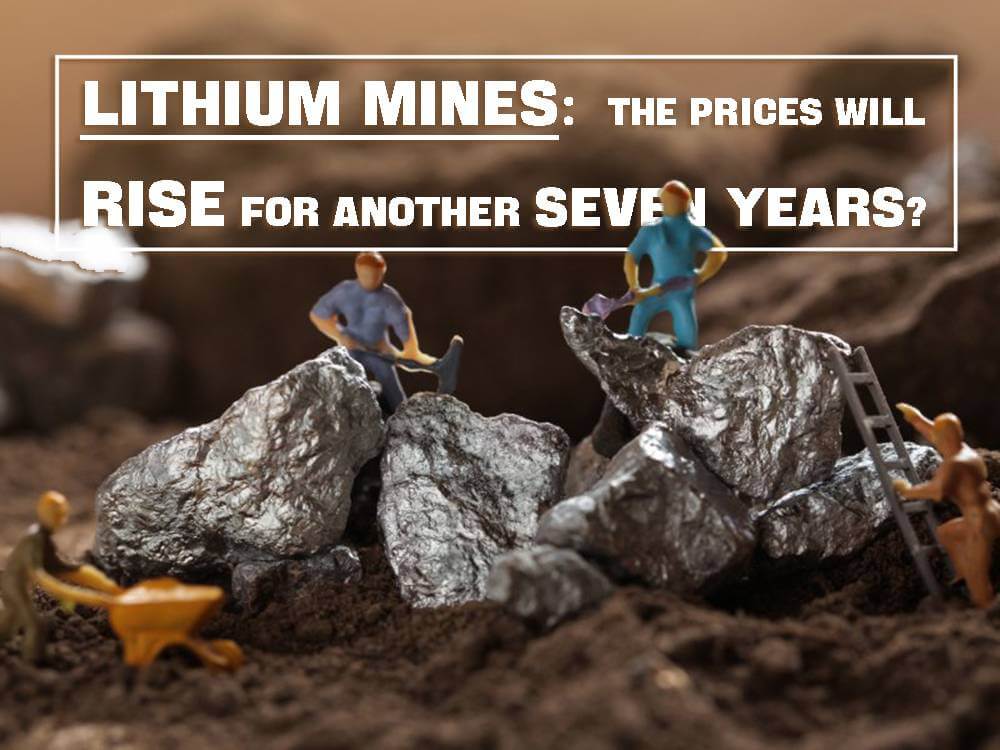

The market generally expects that due to the continued popularity of the industry, lithium mines investment will continue to increase in 2021.
It is estimated that by 2030, in order to meet the decarbonization and electric vehicle plans of various governments, the world will need 60 lithium mines, which will continue the large cycle of lithium prices expected by the market.
How much supply increase will lithium mines meet?
Supply and demand determine commodity price trends. Inventories, financial conditions and contingencies affect price volatility.
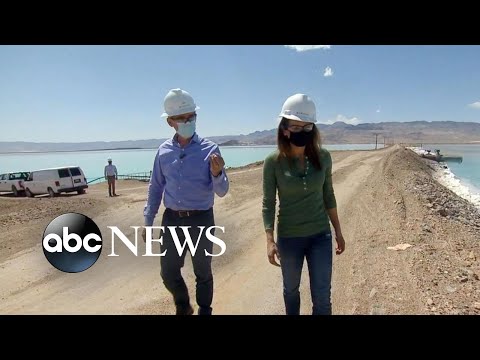
The whole cycle from excavation to final mining of lithium mines takes 6 years to start. The following is a review of the projects that have been clearly excavated and have planned production capacity.
Greenbushes: The sales volume in the first quarter of 2022 is 270,000 tons, and the planned production capacity in 2022 and 2025 is 1.62 million tons and 2.14 million tons per year, respectively.
TRP was completed and put into operation in February, producing 1,030 tons of primary lithium concentrate, and achieved an output of 14,600 tons in March.
Currently in the ramp-up stage of production capacity, it is expected to produce an average of 280,000 tons of chemical grade lithium concentrate per year in the next five years.
Mt Marion: The sales volume in the first quarter of 2022 is 94,000 tons, and it is expected to increase to 900,000 tons of mixed grade per year by the end of 2022, equivalent to 600,000 tons of SC6 (6% lithium concentrate).
However, it is worth noting that production and sales in the first quarter of this year were lower than the previous guidance due to the decline in ore grades.

The industry expects that the global lithium mine production will increase to 931,000 tons of LCE in 2025, and by 2032, it will further reach 1.347 million tons of LCE.
The stage with the highest growth rate of lithium ore supply is concentrated in 2022-2026, with an annual growth rate of more than 25%. From then on until 2032, it will maintain a low growth rate of 1.3%.
Consumer-grade batteries and energy storage, how about the downstream space?
At present, the lithium demand for rechargeable lithium batteries accounts for the largest proportion. Back in 2015, 50% of lithium consumption came from consumer-grade batteries.
However, in 2021, this number has risen to 73%, taking the median of consensus expectations, and will increase to 92% in 2032. In 2021, the two largest passenger electric vehicle markets are China and the United States.
In 2021, China’s domestic sales of new energy vehicles will exceed 6 million. The industry believes that by 2032, it will exceed 20 million per year, while the global sales of new energy vehicles are expected to reach 55 million.
In addition to consumer-grade batteries, energy storage is also the main demand scenario for another downstream terminal of lithium.
Relevant data show that the capacity of grid energy storage systems will exceed the installed capacity of off-grid energy storage (meaning that the power generation system does not depend on the grid and operates independently) systems in 2020.
The application of lithium-ion technology in the grid and utility sector is critical. Because the energy deployed by a single utility-scale project is expected to be on the order of hundreds of megawatt-hours.
In 2021, there will be a total of 19.8 GWh of off-grid energy storage system battery usage globally and 32.2 GWh of grid usage. Between 2022 and 2026, the use of grid applications is expected to have a compound annual growth rate of 44.2%.
As the penetration rate of grid energy storage continues to increase, it will reach 138,000 tons of LCE per year in 2032.
Therefore, from the perspective of the future supply of lithium ore, although the production of lithium chemicals continues to increase, there will still be a shortage of supply in 2022.
The growing oversupply gap is expected to peak in 2026 at 231,000 tonnes of LCE. Then again the shortage of supply will continue until 2032.
Strictly speaking, the demand for lithium carbonate in power batteries is divided into the production of cathode materials and the recovery of lithium carbonate from retired batteries.
Because the decommissioned battery only recycles the lithium carbonate that has been used, it does not involve the use of new lithium mines.
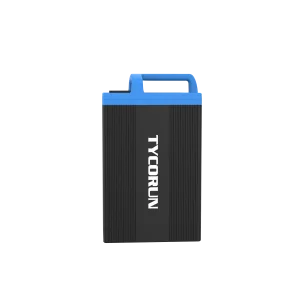
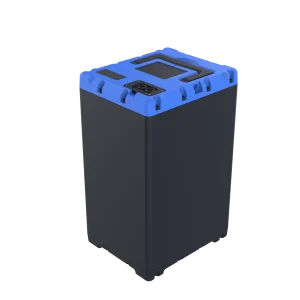
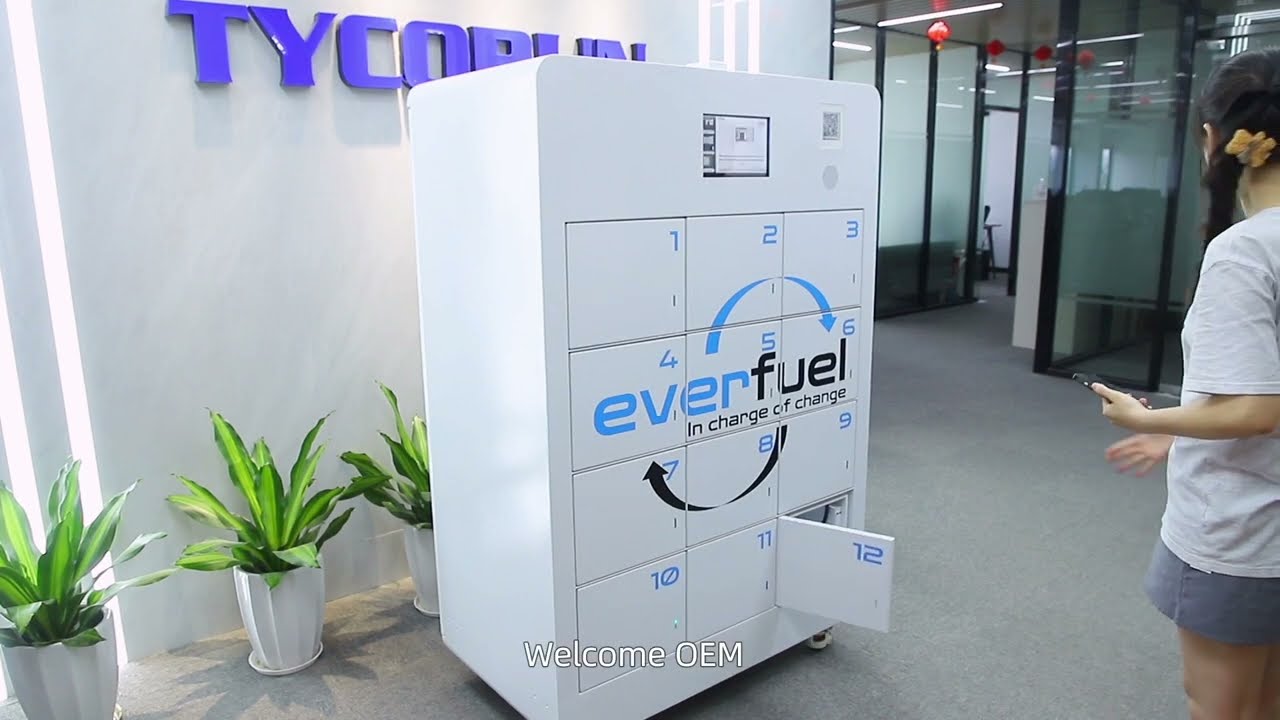
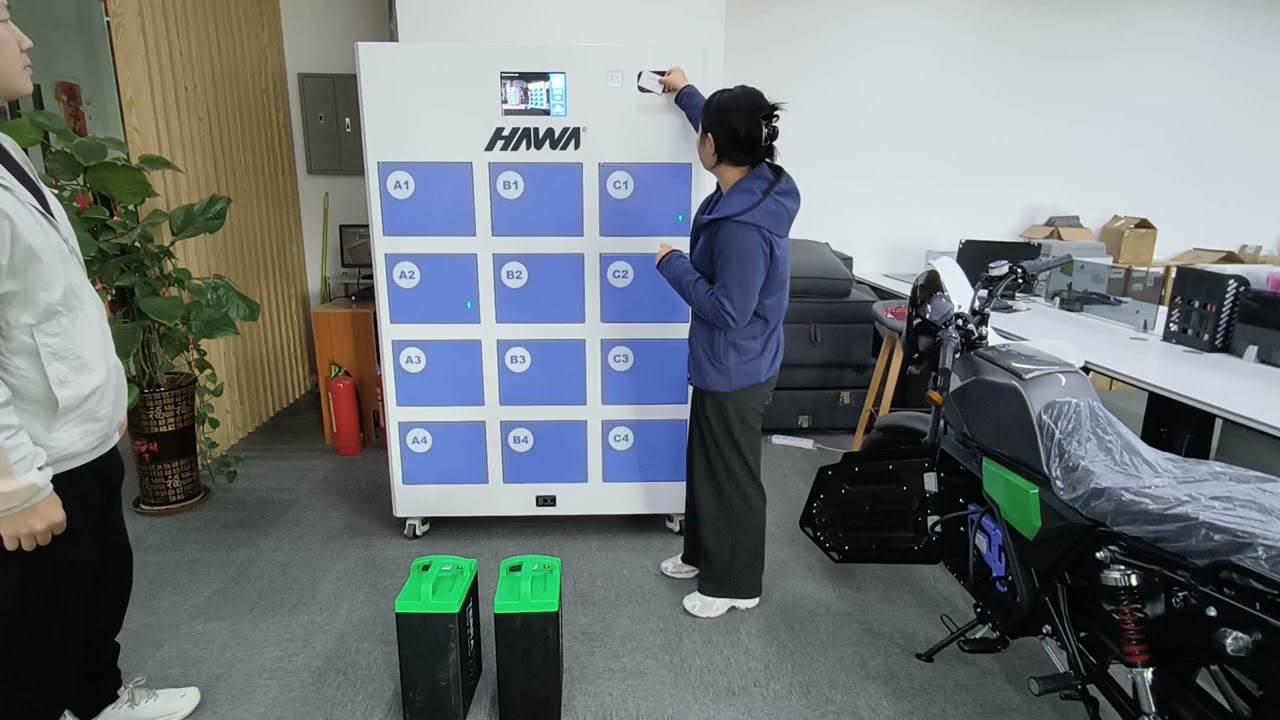
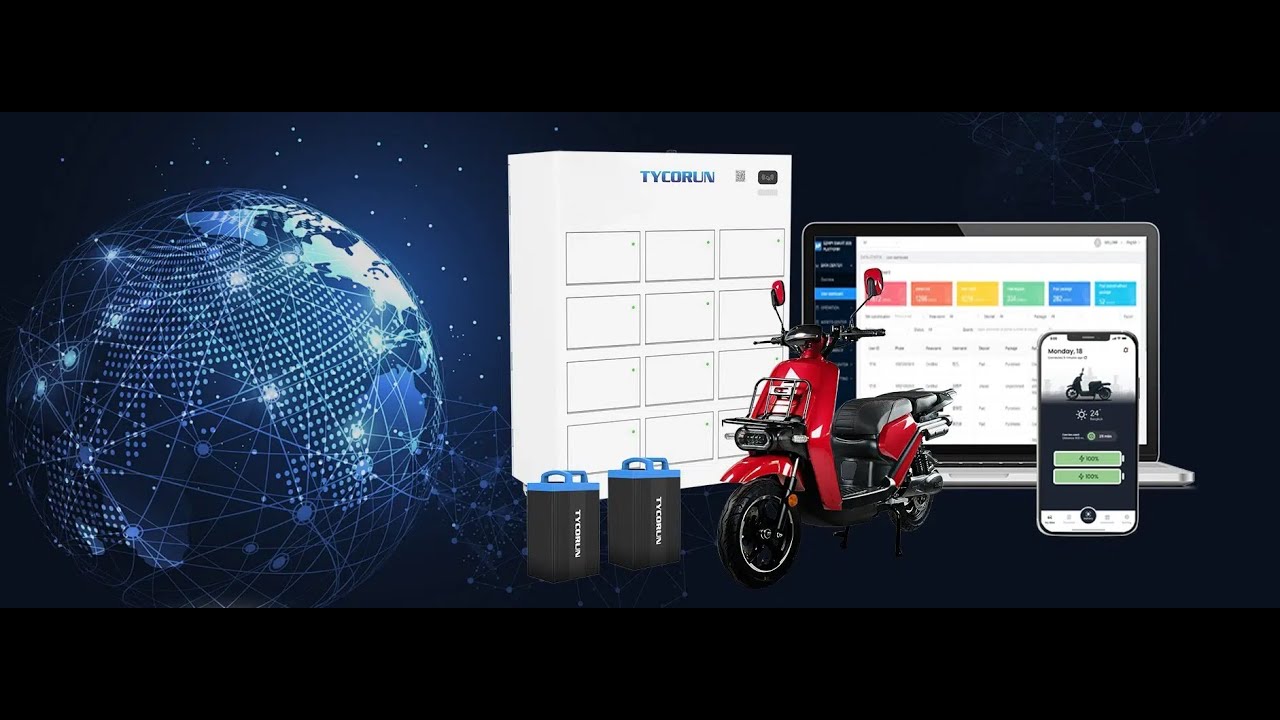
 Click the image to learn more about energy storage products
The output of the cathode plant corresponds to the demand for new lithium carbonate. And the demand for battery-grade lithium carbonate is not battery sales or installed capacity multiplied by an adjustment factor.
As it does not include scrap rates and losses during customer testing, this assumption is somewhat underwhelming. Later, as new battery factories come online, this disparity is likely to widen, along with higher initial production scrap rates.
Therefore, as the most direct downstream of lithium, that is, the midstream of the entire industry chain, the output of cathode manufacturers will be a more intuitive high-frequency tracking data.
Disturbance factors for lithium mines
The above estimates of supply and demand are based on linear extrapolation in the industry. However, since 2021, frequent disturbance factors on the supply side have also been affecting the supply of lithium mines. Labor shortage caused by anti-globalization.
Since March 20, 2020, Australia has closed its borders until March 2022 due to the need for epidemic prevention. During this period, it is difficult for overseas workers to enter Australia, which directly results in a shortage of labor supply.
The labor shortage is likely to cause the output of lithium mines to fall short of expectations. One has to think about whether this phenomenon will also appear on the supply side of lithium mines under the situation of anti-globalization.
● Environmental protection limited production
Recently, the European Commission is evaluating a proposal by the European Chemicals Agency (EHCA) to classify lithium carbonate, lithium chloride and lithium hydroxide as materials hazardous to human health.
A final decision on this proposal will be in late 2022 or early 2023. This decision will not only affect ALB’s German plant on the one hand, but also the expansion of European lithium mines on the other.
● Greenfield project commissioning delays become the norm
Greenfield projects are projects completed in green areas (undeveloped land). A brownfield project is a project completed on land that has been used for other purposes.
For a highly polluting mining industry like lithium, there may be some challenges in reusing the land because it has been developed in the past. Like the existing building, there are parts that can be found but are less obvious, such as contaminated soil.
Greenfield projects are more obvious. Because there is no basis for development and project establishment, there is no reference to the impact of historical project pollution indicators on the soil environment.
Therefore, starting from 2021, the greenfield projects have been increasing from the approval, mining, and commissioning of all links below expectations.
It has to be mentioned that the newly added lithium ore projects in the next few years will basically be greenfields, which will increase the probability that the capacity expansion will not be as expected.
● Differentiation of lithium carbonate and lithium hydroxide
In the case that the industry only pays attention to the price of lithium, another major difference in expectations comes from the difference in lithium chemicals, that is, lithium carbonate and lithium hydroxide.
According to the different raw materials used, the production of lithium hydroxide is mainly divided into two routes: spodumene to prepare lithium hydroxide and salt lake to prepare lithium hydroxide.

Spodumene can directly produce lithium hydroxide in one step, while salt lakes need to produce industrial-grade lithium carbonate first, and then causticize to produce lithium hydroxide.
Lithium hydroxide and lithium carbonate are similar in that they are both lithium salts. But the difference is that currently lithium carbonate is mainly used to produce lithium iron phosphate and medium and low nickel cathode ternary materials.
Also, you can know more about cathode ternary material by reading top 5 cathode ternary material companies in China. Lithium hydroxide is mainly used to produce high nickel cathode materials in ternary materials.
According to the current market research, overseas battery factories mainly focus on high-nickel ternary batteries, and the trend of high-nickel ternary batteries in China is also accelerating.
Therefore, the differentiation of lithium chemicals is also a point that needs attention in the future. There is a high probability that there will be a reversal of the shortage of lithium ore in 2023, but based on linear extrapolation, the situation that the supply side caused by emergencies is not as good as expected still exists.





4 thoughts on “Lithium mines – the prices will rise for another seven years?”
Wow, incredible blog format! How long have you been running a blog for? you make running a blog glance easy. The entire look of your web site is wonderful, as well as the content!
Thx for the tips you provide in your blog.
Oh my goodness! an incredible article dude. Thank you
I really like it when folks come together and share views.
Great site, continue the good work!
Comments are closed.