Skip to content
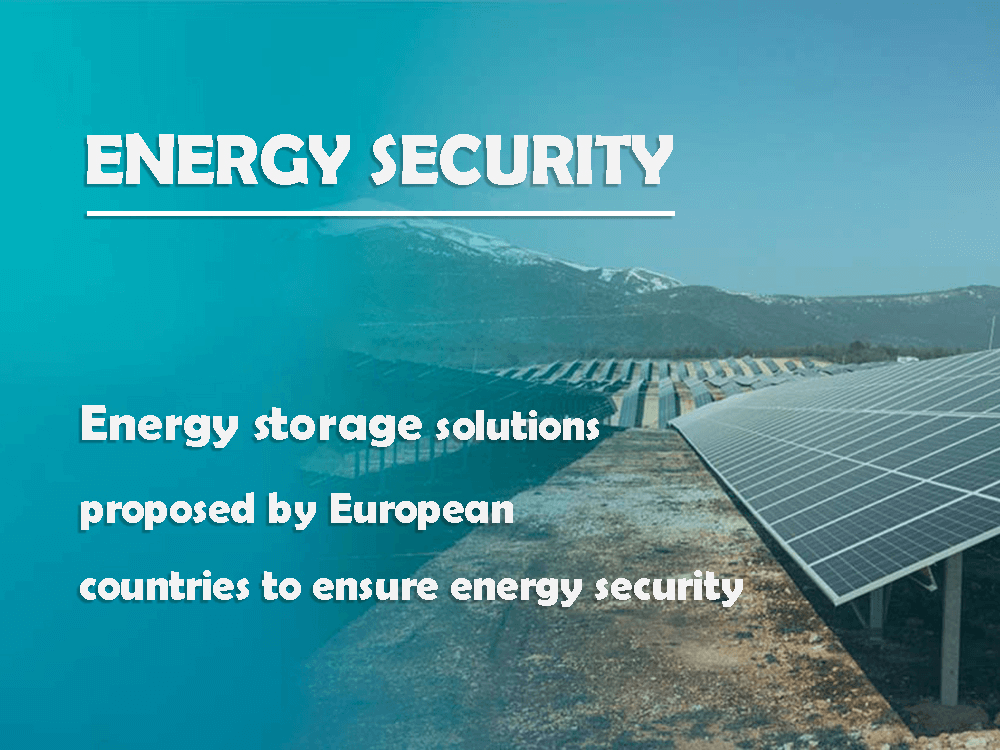


From traditional lithium-based “super-large” batteries, to flow batteries, silicon phase change batteries, molten salt batteries, iron-air batteries, gravity batteries, carbon dioxide expansion batteries, etc., countries have tried various methods to store energy. In recent years, European natural gas prices have soared due to changes in the international situation, affecting Europe’s energy security. In response to climate change and the energy crisis, European countries have also proposed various energy storage solutions.
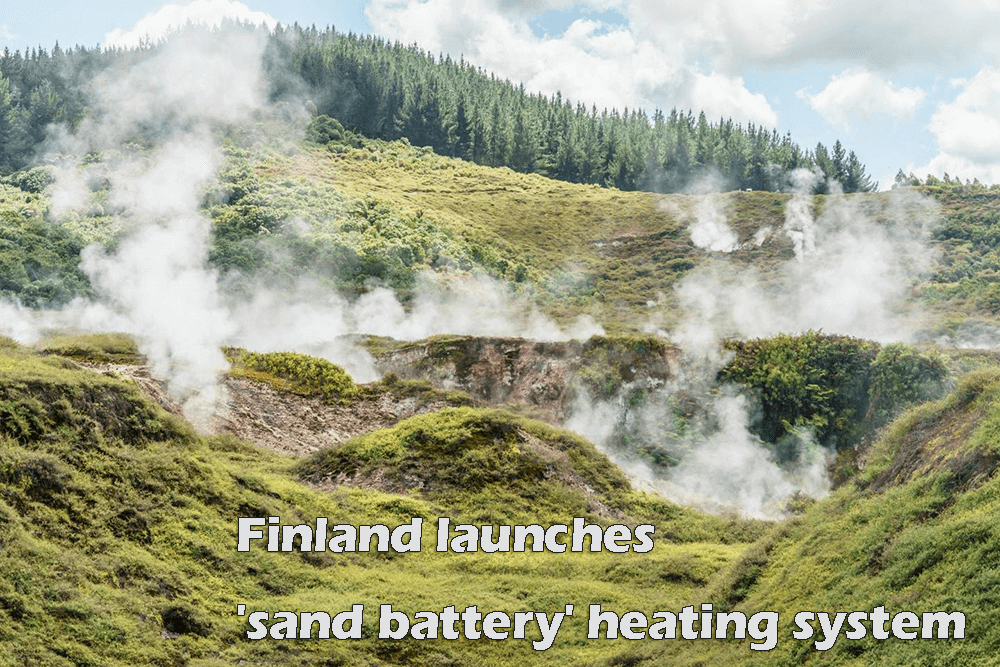
Finland launches ‘sand battery’ heating system
Sand is durable, inexpensive, and is a very efficient medium for storing heat with little heat loss over time. Finnish startup Polar Night Energy and energy utility Vatajankoski have jointly built the world’s first “sand battery” that can be powered by solar and wind energy – a commercial sand-based high-temperature heat storage system. In the “sand battery”, a steel container with a width of about 4 meters and a height of about 7 meters has an automatic heat storage system and contains about 100 tons of sand.
A sand battery, as the name suggests, is a device that uses sand to store energy. Whenever there is excess solar and wind energy, the “sand battery” uses these energy heating resistors to bring the sand temperature to 500 degrees Celsius, which makes the sand reach 500 degrees Celsius, thereby generating hot air. At the same time, the presence of heat exchangers allows hot air to circulate continuously in the sand.
Sand batteries are known for their thermal energy, so in winter, when energy prices are more expensive, the heat in sand batteries can heat homes, replacing current power generation technologies that rely on fossil fuel combustion as the main means. Polar Night Energy claims the sand’s high-temperature seasonal thermal storage technology could reduce emissions by more than 100 million tonnes of carbon dioxide equivalent per year, equivalent to 3% of EU carbon emissions.
In addition, the developers say their device allows the sand to store a lot of heat at temperatures of 500-600 degrees Celsius for months. The heat storage system can release up to 100 kilowatts of heat and electricity, with an energy storage capacity of 8 megawatts. It provides energy during Finland’s long winters, keeping homes, offices, factories and even the local swimming pool warm.
Germany prepares giant hot water tower for heating
In order to get rid of its dependence on external energy, Berlin, Germany has prepared a huge “thermos” to help people warm up this winter. This huge “thermos” is actually a hot water tower, which stores not electricity, but heat. Vattenfall, who built the hot water tower, said the thermal energy storage facility is 45 meters high and can hold 56 million liters of hot water. Its huge insulated water tank keeps the water hot for up to 13 hours. Regarding energy storage, you can read the Top 5 energy storage battery companies on our website for more information on the energy storage industry.

The “thermos” can alleviate the problem of fluctuating renewable energy supply by converting excess heat generated by renewable energy into thermal energy for storage and releasing energy as needed. The €50 million facility, with a thermal capacity of 200 megawatts, stores thermal energy that keeps large quantities of water at near-boiling temperatures without interruption, enough to meet most of Berlin’s hot water needs in summer or winter heat. About 10% of the water demand.
“It’s a giant ‘thermo bottle’ that stores heat when we don’t need it and releases it when we need it.” The head of Vattenfall’s German heating department said that the “thermos” can utilize and preserve other heat sources, such as the extraction and preservation of thermal energy from high-temperature wastewater in industrial production. Because of its location, the Berlin region is more dependent on exotic fossil fuels than the rest of Germany, one of Berlin’s top climate officials said.The international situation and the energy crisis make them need to speed up the construction of such thermal storage systems.
Norway builds concrete-based commercial heat storage system
As demand for electric vehicle batteries and energy storage batteries increases, experts predict that by 2030, the EU will demand 18 times as much lithium and five times as much cobalt as it did in 2020. By 2050, the EU will demand 60 times as much lithium and 15 times as much cobalt as it did in 2020. But today Europe has only one lithium mine in Portugal. Meanwhile, cobalt supply is highly concentrated in a few markets, with the Democratic Republic of Congo having more than half of the world’s cobalt reserves and Australia having 20%. Solving supply chain issues is key to Europe’s energy transition.
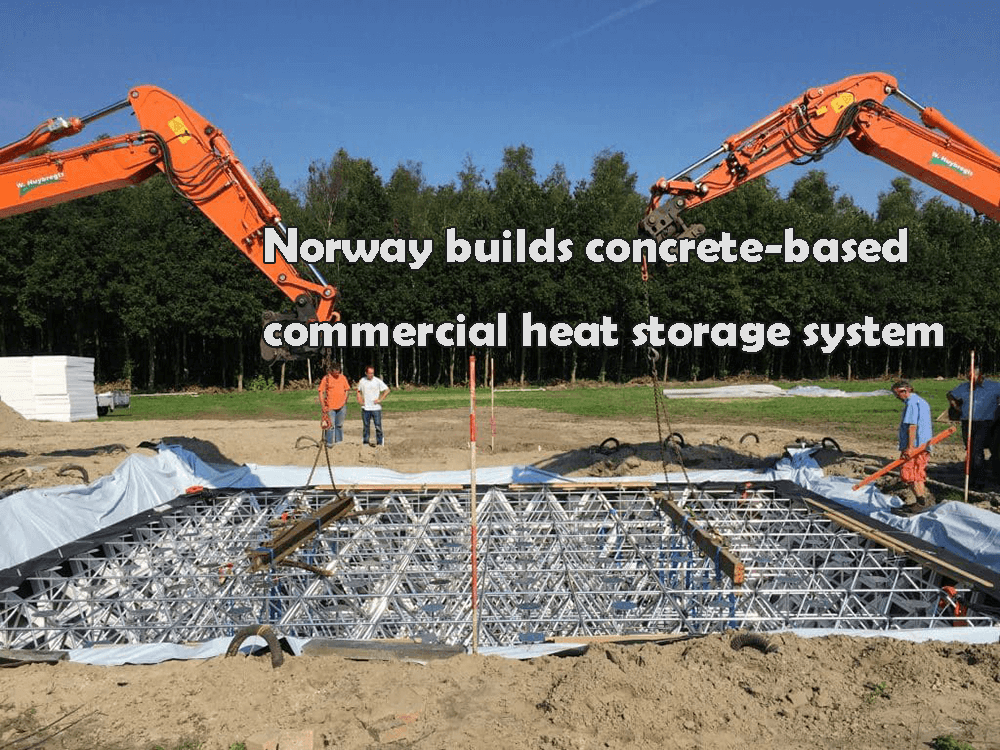
EnergyNest, a Norwegian thermal energy storage technology manufacturer, was established in 2011. It developed a “thermal battery”, a concrete-based heat storage system, to support decarbonization in industrial processes. The “thermal battery”, called Heatcrete, stores heat primarily through the use of specially formulated concrete, which the company claims is very low-cost and can be recycled harmlessly. According to EnergyNest’s official website, the material can last for 30 to 50 years without degrading.
A high temperature heat transfer fluid (HTF) can be injected into the “hot cell” through the steel pipe to heat the concrete, then as the “battery” discharges, the cold HTF flows into the bottom of the “battery” unit and the heat flows out from the top. The “thermal battery” uses a modular design and is installed in a modular steel pipe about 6 meters long. The system is economical and compact, with high energy density, low heat loss, and capacity expansion from megawatt-hours to gigawatt-hours.
In 2016, the heat storage system achieved its first demonstration application on the solar thermal power generation platform of the Masdar Institute in Abu Dhabi. In 2021, EnergyNest received a €110 million investment from an infrastructure equity investor. Currently, the company is building the first commercial “thermal battery” in Sicily, Italy. The company’s ‘thermal battery’ could be decisive for the industry to move away from natural gas and decarbonize in general. After learning about the energy storage technologies of European countries, you may want to know about the relevant layout of China. The Top 10 solar battery manufacturers on our website will provide you with specific introductions about the leading solar battery manufacturers in China.