Good safety performance
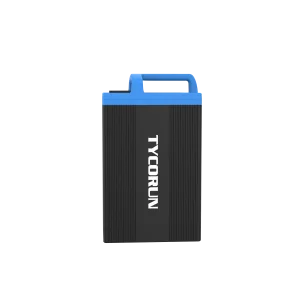
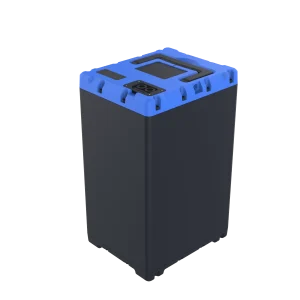
Safety comes from the stability of the cathode material and reliable safety design, lithium iron phosphate battery packs have been rigorous safety testing, even in violent collision will not produce an explosion.
Long cycle life
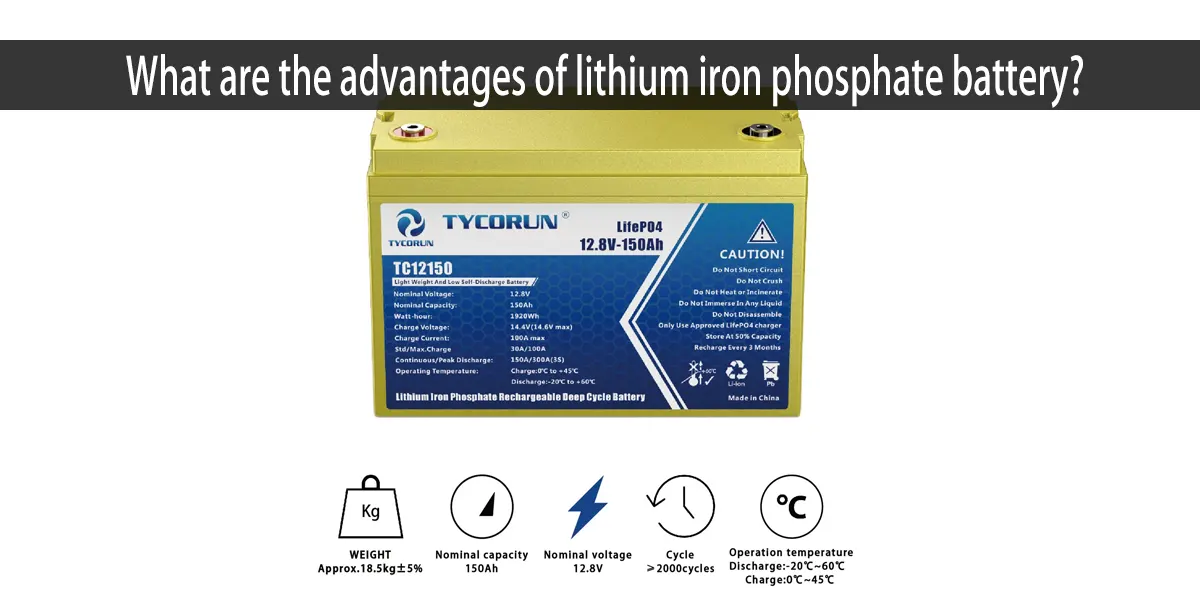
Lithium iron phosphate battery 1C cycle life is generally up to 2,000 times, or even more than 3,500 times, and for the energy storage market requires more than 4,000-5,000 times, higher than other types of lithium battery
High temperature performance
Lithium iron phosphate batteries can reach 350-500 ℃ peak thermal value, a wide range of operating temperatures (-20 ~ +75 ℃), high temperature (60 ℃) can still release 100% capacity.
Fast charging
Using special charger, 1.5C charging can make the battery full in 40 minutes.
Green and environmental protection
Lithium iron phosphate batteries are green, non-toxic, non-polluting, with a wide range of raw materials and cheap.
Lithium iron phosphate battery voltage
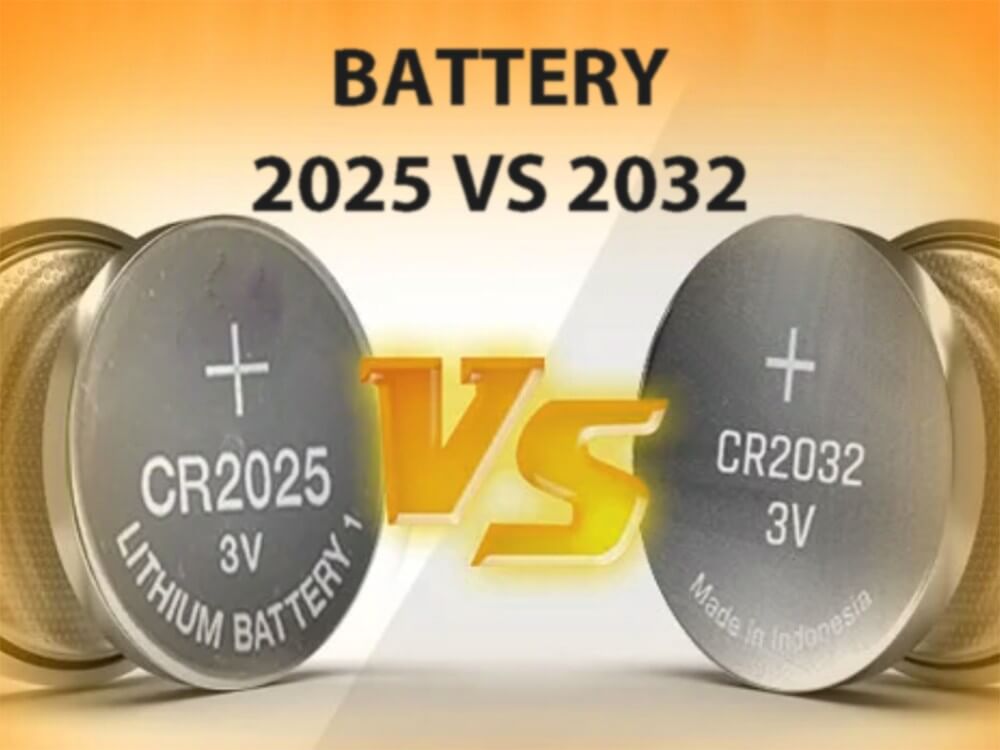
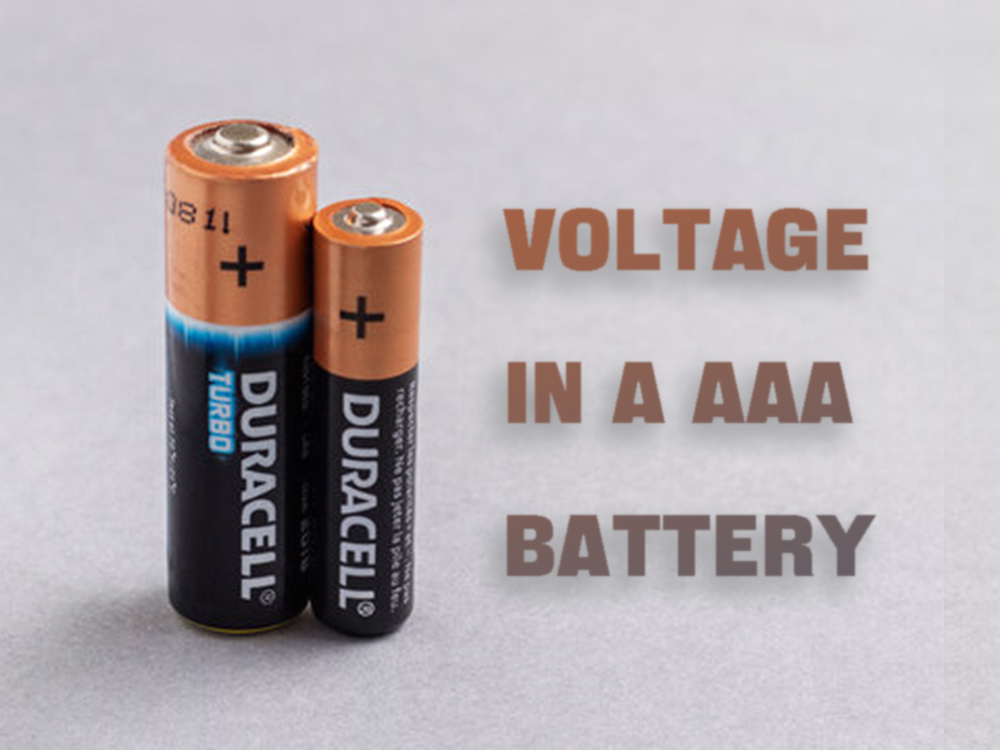
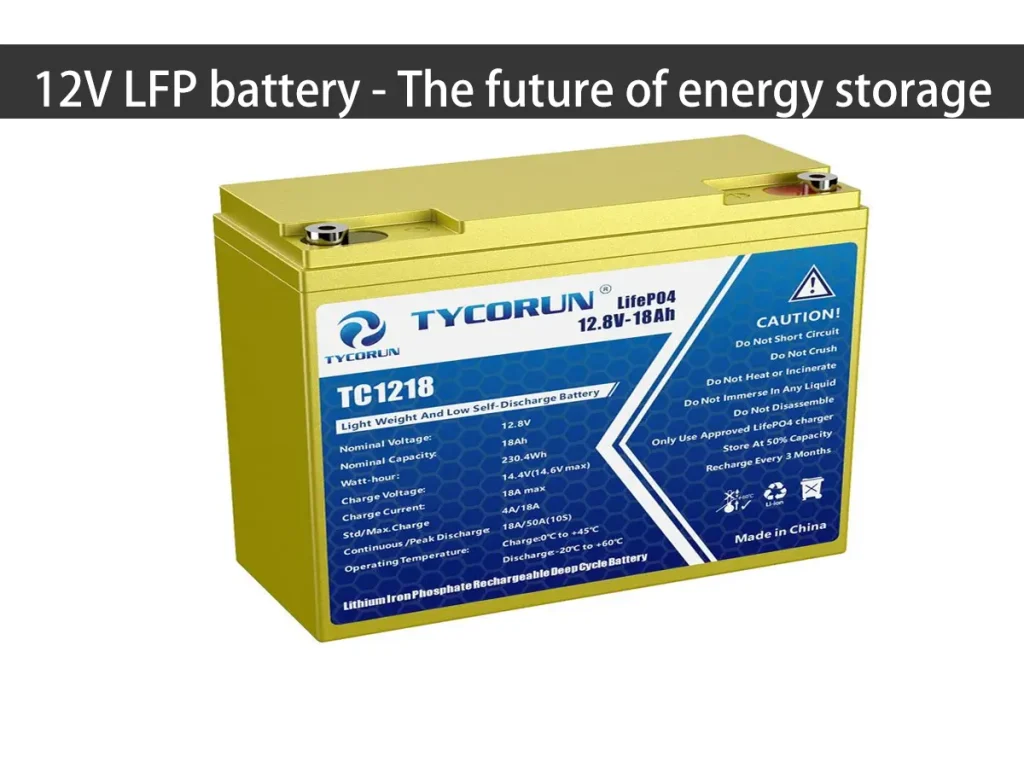
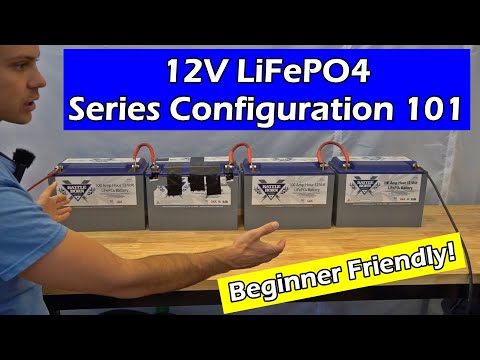
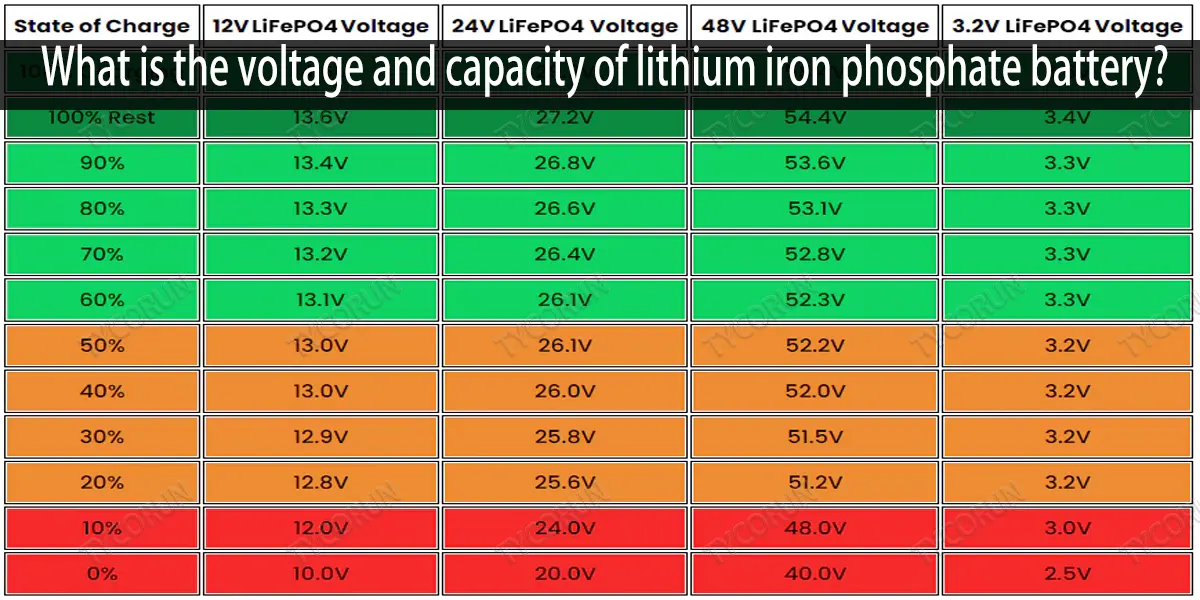
The nominal voltage of single lithium iron phosphate battery is 3.2V, charging voltage is 3.6V, and the discharge cut-off voltage is 2.0V.The lithium iron phosphate battery pack achieves the voltage required by the equipment through the series combination of the battery cells, and the voltage of the battery pack = N*series number. Commonly used lithium iron phosphate battery pack voltages are as follows.
- 12V lithium iron phosphate battery
- 24V lithium iron phosphate battery
- 36V lithium iron phosphate
- 48V lithium iron phosphate battery
Lithium iron phosphate battery capacity
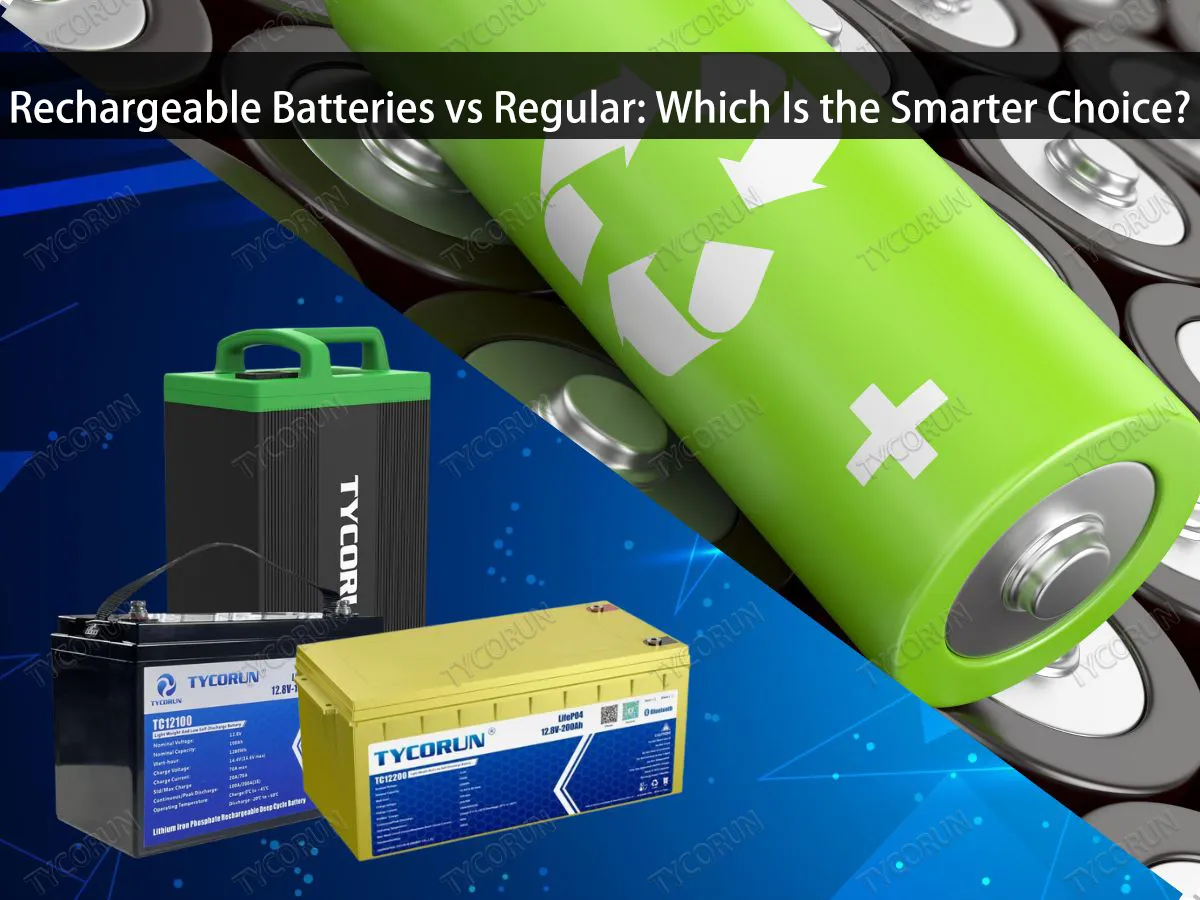
The capacity of lithium iron phosphate battery pack is based on the capacity and number of cores connected in parallel, generally based on the specific requirements of the power equipment, the more lithium iron phosphate cores connected in parallel, the greater the capacity. Common lithium iron phosphate battery packs have a capacity of 10ah, 20ah, 40ah, 50ah, 100ah, 200ah, 400ah and so on.
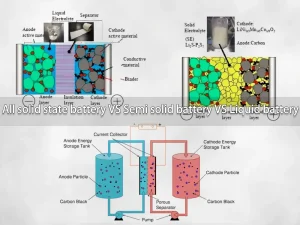
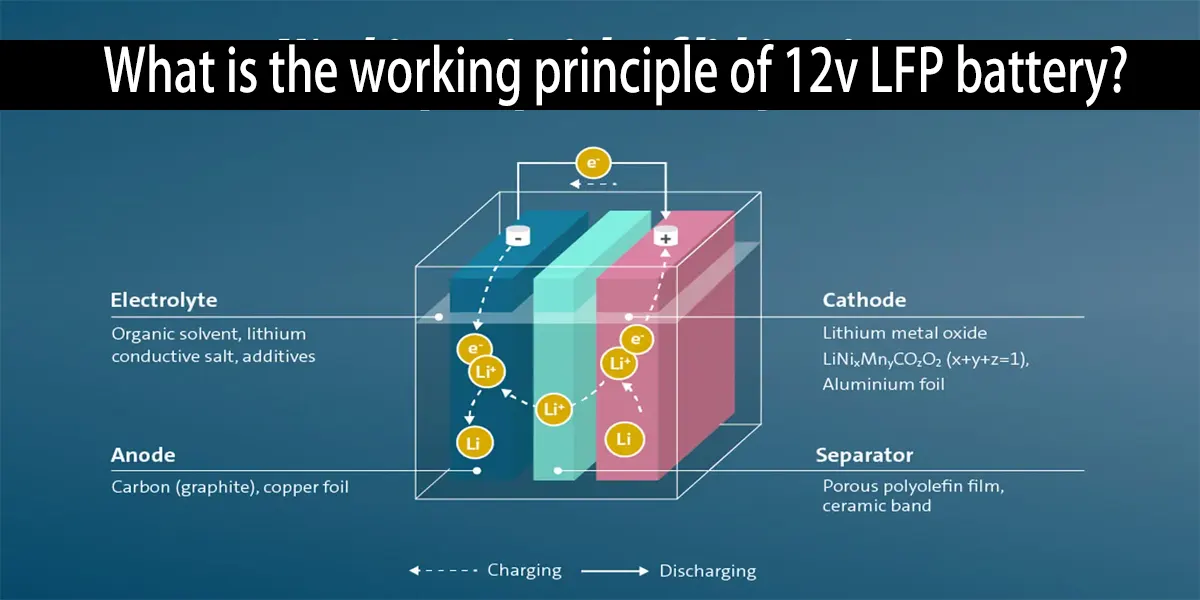
The working principle of lithium iron phosphate battery mainly involves the migration of lithium ions (Li+) during the battery charging and discharging process
Charging process
During charging, lithium ions (Li+) in the positive electrode migrate to the negative electrode through the polymer diaphragm. During this process, Li+ migrates from the surface of the lithium iron phosphate crystals to the inside of the crystals, making the positive electrode positively charged and the negative electrode negatively charged, thus completing the charging process.
Discharge process
During discharge, lithium ions (Li+) from the negative electrode migrate to the positive electrode through the diaphragm. During this migration, Li+ migrates from the negative electrode to the positive electrode, releasing energy to supply external circuits to drive external devices.

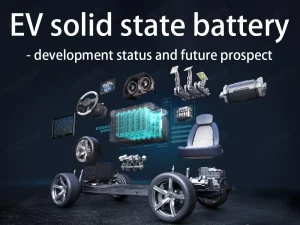
Electric Vehicles: Lithium iron phosphate is one of the main cathode materials for power batteries used in electric vehicles, which has the advantages of long mileage and high power.
Energy storage system: lithium iron phosphate batteries are widely used in the field of electric power storage, and can be used in distributed energy systems such as wind power generation and solar power generation.
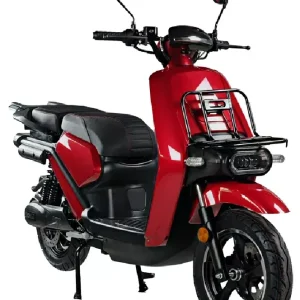
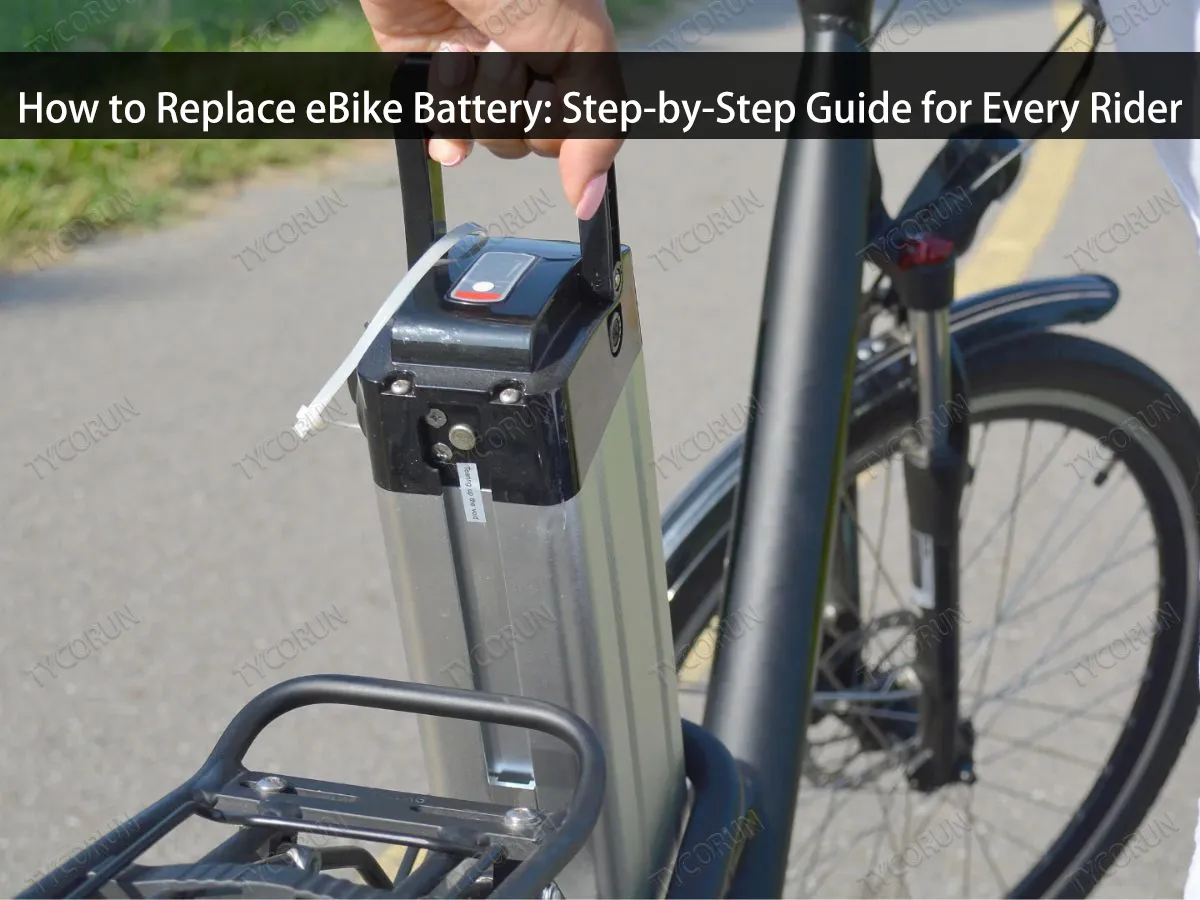
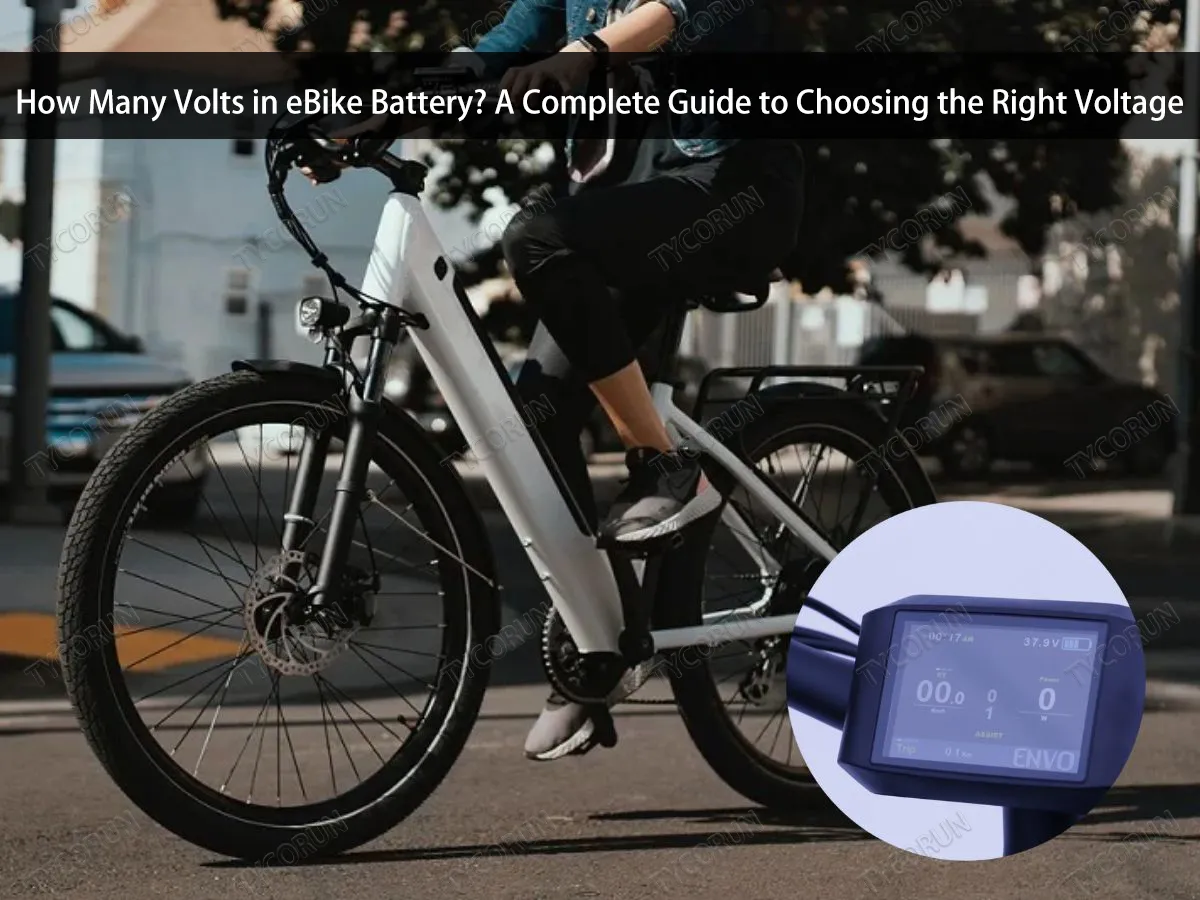
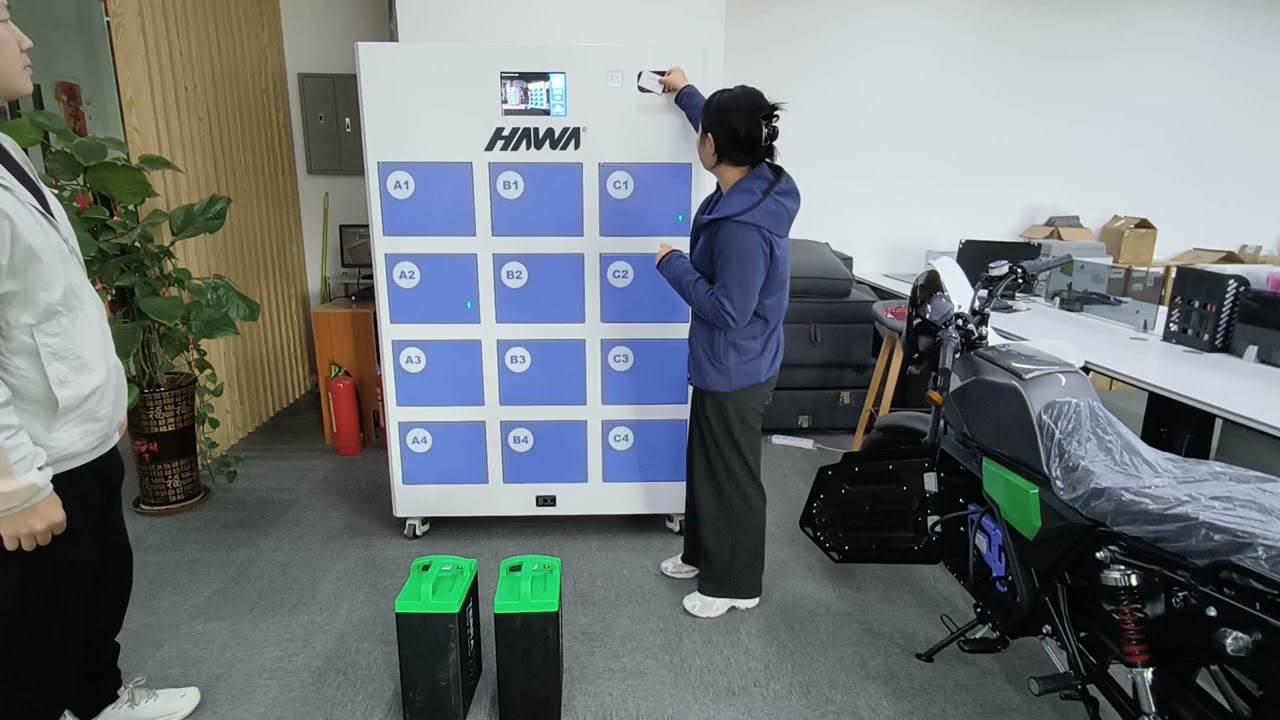
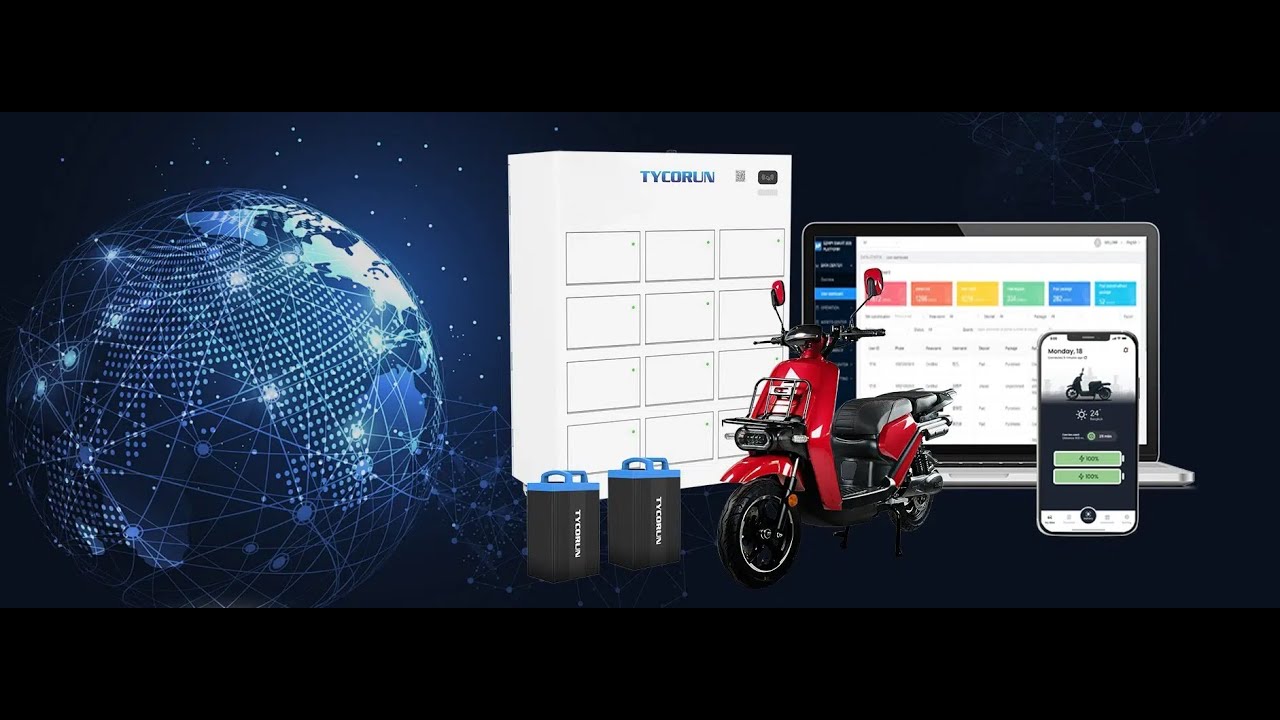
Light electric vehicles: including electric locomotives, electric bicycles, recreational vehicles, golf carts and so on. The high energy density and long life of LiFePO4 batteries make these vehicles have longer driving distance and lower maintenance cost.
Small equipment: lithium iron phosphate batteries are also used in a variety of small electronic devices, such as medical equipment (e.g., electric wheelchair vans), toys (e.g., remote-controlled electric airplanes, cars, boats) and so on.