Skip to content
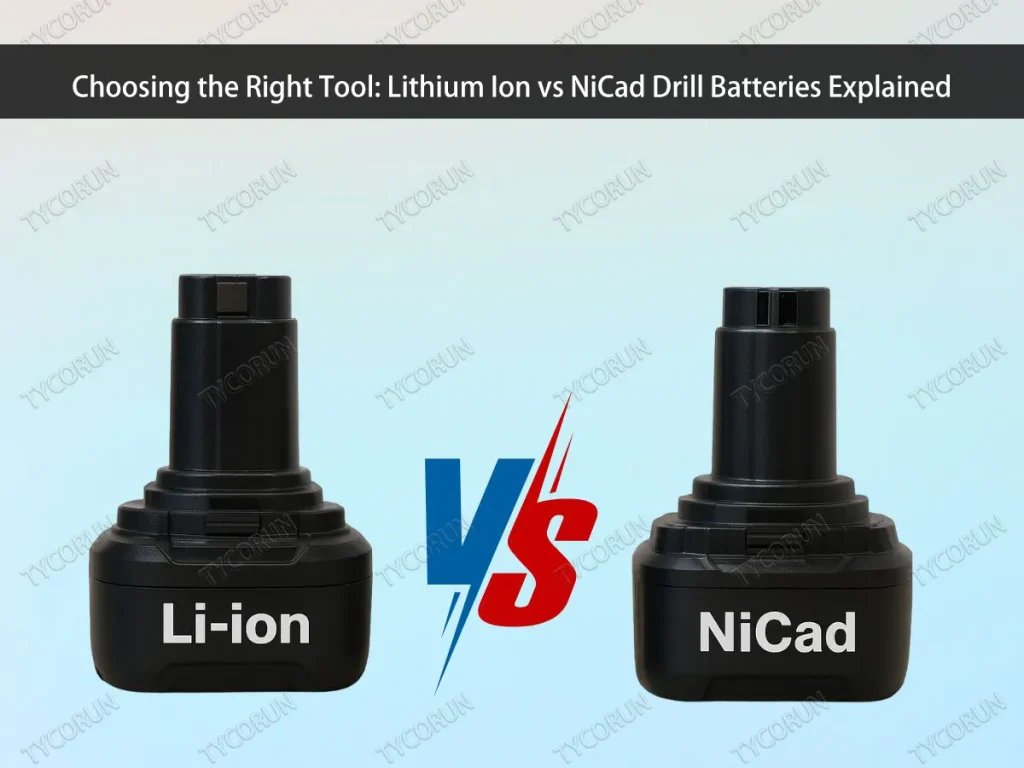
Choosing the Right Tool: Lithium Ion vs NiCad Drill Batteries Explained
Cordless drills have become one of the most dependable tools for both professionals and Do-it-yourself enthusiasts at home. The type of battery used is one of the most crucial elements affecting this tool’s performance. Due to their differing benefits, the comparison of lithium-ion and NiCad drill batteries has been a popular topic for years.
Lithium-ion batteries are known for being lighter, faster to recharge, and requiring less maintenance, whereas NiCad batteries are still considered durable and reliable for heavy-duty work. It makes sense that when someone wants to purchase or replace their cordless drill, conversations concerning lithium-ion vs NiCad drill batteries frequently come up.
Understanding the fundamental differences between lithium-ion and NiCad drill batteries entails not only following technological trends, but also selecting the solution that best meets your requirements. Users can make longer-term decisions that are more appropriate, safe, and efficient by being aware of each one’s features.
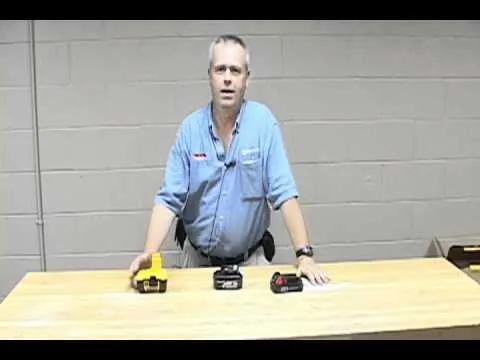

Overview of Lithium ion and NiCad Drill Batteries
Before comparing further, it is important to first understand the fundamental differences between lithium-ion and NiCad drill batteries. Both serve as power sources for cordless drills, but their technology, performance, and maintenance requirements are clearly different. Understanding the fundamental characteristics of each battery allows us to more easily identify their advantages and disadvantages, which will be discussed in the following section.
Lithium Ion batteries
When discussing lithium-ion vs NiCad drill batteries, lithium ion battery is frequently referred to as the modern option for cordless drills. Because of their cutting-edge technology, these batteries are lighter, recharge more quickly, and have a longer energy storage lifespan than their predecessors.
Another advantage is that lithium-ion batteries have almost no memory effect, so their capacity remains constant even after frequent recharges. Users can now work more productively without worrying about the battery dying too soon. It is no wonder that lithium-ion batteries are frequently regarded as the best option for both personal and professional applications.
NiCad drill batteries
However, the technology known as NiCad, or nickel cadmium battery, has been applied to power tool manufacturing for many years. Despite its seems ‘vintage’, NiCad still has advantages that are hard to match. These batteries are known for their durability in extreme conditions, resistance to heavy use, and lower cost compared to lithium-ion.
In the lithium-ion vs NiCad drill batteries debate, people who require steady power for demanding work environments or heavy-duty tasks tend to choose NiCad. Users continue to trust NiCad because of its demonstrated dependability, despite the fact that they are heavier, larger, and require more attention because of the memory effect.
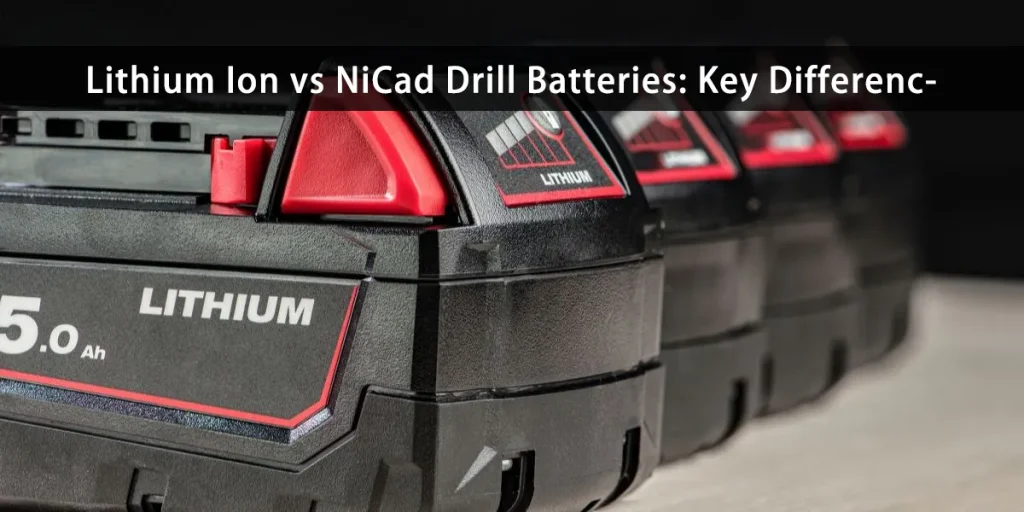
Lithium Ion vs NiCad Drill Batteries: Key Differences
- Weight and Size
Lithium-ion batteries are smaller and significantly lighter than NiCad batteries. This improves the drill’s comfort level for extended use, especially when working overhead or in confined spaces. However, NiCad batteries are typically heavier and larger, which can make them more burdensome for the user. - Durability and Charging Cycles
Lithium-ion drill batteries are better than NiCad batteries because they have more charging cycles and hold their capacity for longer. Although NiCad batteries are long-lasting, improper maintenance can cause their capacity to decrease more quickly. - Memory Effect and Maintenance
NiCad batteries are known to be susceptible to the memory effect, which causes a decrease in capacity when recharged before they are completely depleted. Lithium-ion batteries hardly experience this issue, making them more useful for users who frequently recharge their batteries while on the job. - Performance and Power Output
NiCad batteries are often praised for their ability to provide stable power output for heavy-duty work. Lithium-ion batteries are also powerful, but they are more consistent in the long run and do not lose power quickly as their capacity decreases.
You can also read these articles for more insight:
lithium battery vs other batteries
li-ion vs ni-mh battery
agm battery vs lithium
How Lithium-ion Changes the Drill Experience
In the debate between lithium-ion vs NiCad drill batteries, lithium-ion technology has proven to provide a different experience for cordless drill users. Some of the most noticeable changes include:
- First, lithium-ion batteries are much lighter than NiCd batteries. This means that cordless drills do not tire the hands as quickly, particularly when used for extended periods of time.
- Because there is no memory effect, users can recharge whenever they want. This difference is frequently a significant advantage when debating lithium-ion vs NiCad drill batteries, as NiCad batteries must be completely drained before recharging.
- In addition, lithium-ion batteries can provide consistent power until their capacity is nearly depleted. NiCad batteries have a tendency to deteriorate gradually, whereas drills stay at full power for longer.
- Furthermore, users can return to work faster because charging times are shorter. For individuals who require high productivity, this is a significant benefit when comparing lithium-ion and NiCad drill batteries.
What Today’s Users Expect from Drill Batteries?
Choosing the Right Battery for Your Drill
Choosing the right drill battery is not just a matter of price, but also how the battery supports your daily work needs. In the context of lithium-ion vs NiCad drill batteries, the decision usually depends on a combination of performance, durability, and user comfort.
For users who prioritize light weight, consistent power, and fast charging, lithium-ion is clearly the top choice. This technology offers higher efficiency, making it suitable for long-term work and intensive projects. Conversely, NiCad can still be an option for those looking for a lower initial cost or who already have older equipment that is compatible with this type of battery.
However, market trends indicate that the comparison between lithium-ion and NiCad drill batteries is increasingly favouring lithium-ion. Many users now view investing in lithium-ion batteries as a smarter long-term decision, whether for professional or hobbyist use. Ultimately, the best choice depends on specific needs, usage frequency, and personal preferences.
Safety Considerations When Using Drill Batteries
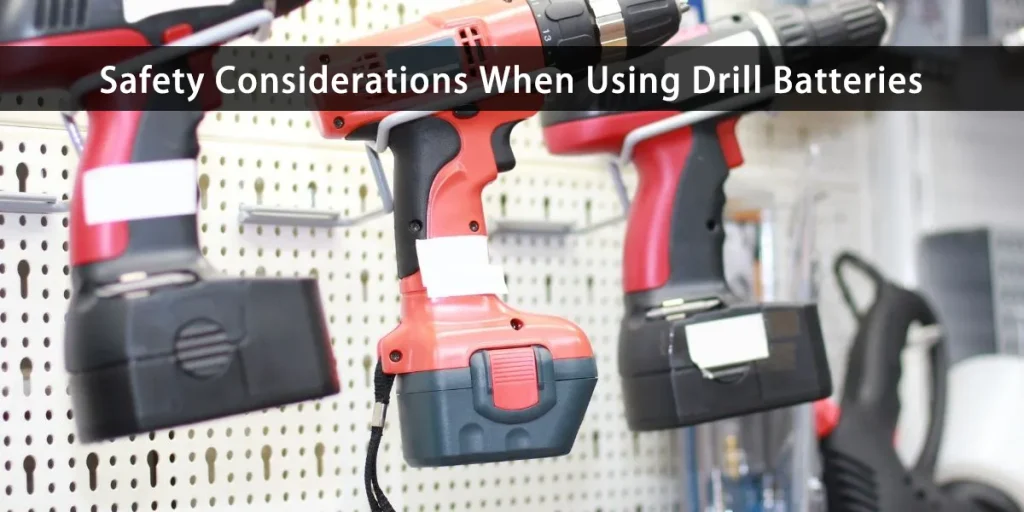
- Charging: make use of the original charger or one that satisfies the requirements. NiCad batteries can be harmed by prolonged emptiness, whereas lithium-ion batteries are more vulnerable to overcharging.
- Storage: lithium-ion and NiCad drill batteries have different storage requirements. Whereas NiCad batteries are more resilient to harsh environments but still susceptible if left unfilled for an extended period of time, lithium-ion batteries should be kept partially charged at room temperature.
- Temperature and ventilation: avoid using batteries in extremely hot environments. NiCad batteries typically perform poorly at low temperatures, whereas lithium-ion batteries have the potential to overheat.
- Routine maintenance: lithium-ion batteries are more practical because they do not need to go through a full cycle, which involves a complete discharge and recharge, as NiCad batteries occasionally do.
Understanding these safety differences allows users to extend battery life while reducing risk. This knowledge is crucial, particularly for people who frequently use drills for work-related or personal purposes.
Conclusion
It can be concluded that a comparison of lithium-ion vs. NiCad drill batteries shows that both have their own advantages and limitations. NiCad is still known to be durable for heavy-duty work and resistant to extreme conditions, while lithium-ion offers modern convenience through its light weight, fast charging, and minimal maintenance.
However, the trend clearly points toward a shift toward lithium-ion as the primary choice for modern cordless drills. By understanding the fundamental differences between the two batteries, users can make more informed, safe, and efficient decisions, whether for professional needs or everyday use.
FAQS
Can you replace a NiCad battery with Lithium-ion?
Yes, but only if the drill is designed to be compatible with lithium-ion batteries or if there’s a proper conversion kit. Using the wrong type can damage the tool or create safety risks.
Which battery lasts longer in storage?
Lithium-ion generally lasts longer because it holds its charge better over time, while NiCad tends to self-discharge more quickly.
Are Lithium-ion drill batteries worth the higher price?
For most users, yes. The longer lifespan, lighter weight, and faster charging usually make the investment worthwhile, especially for frequent or professional use.