Skip to content
How Many Volts in eBike Battery? A Complete Guide to Choosing the Right Voltage
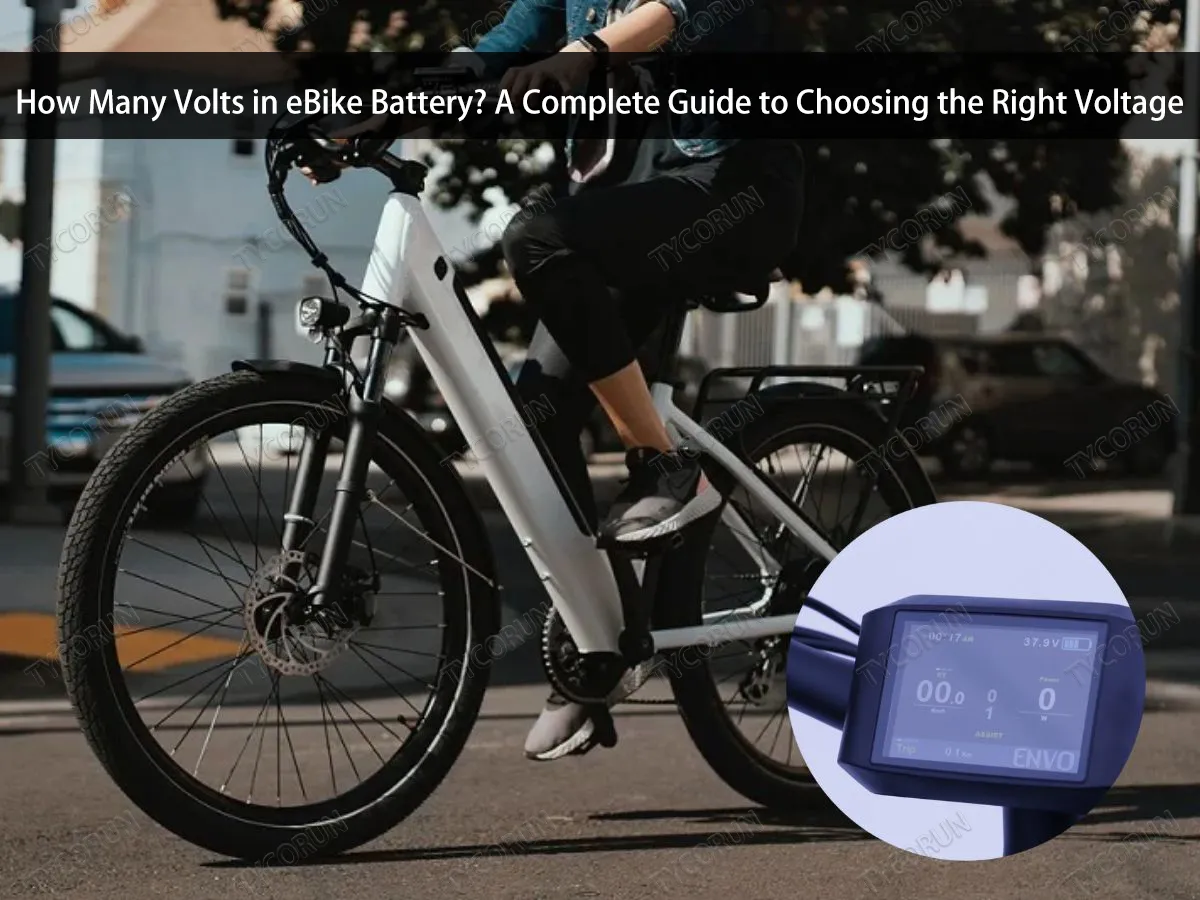
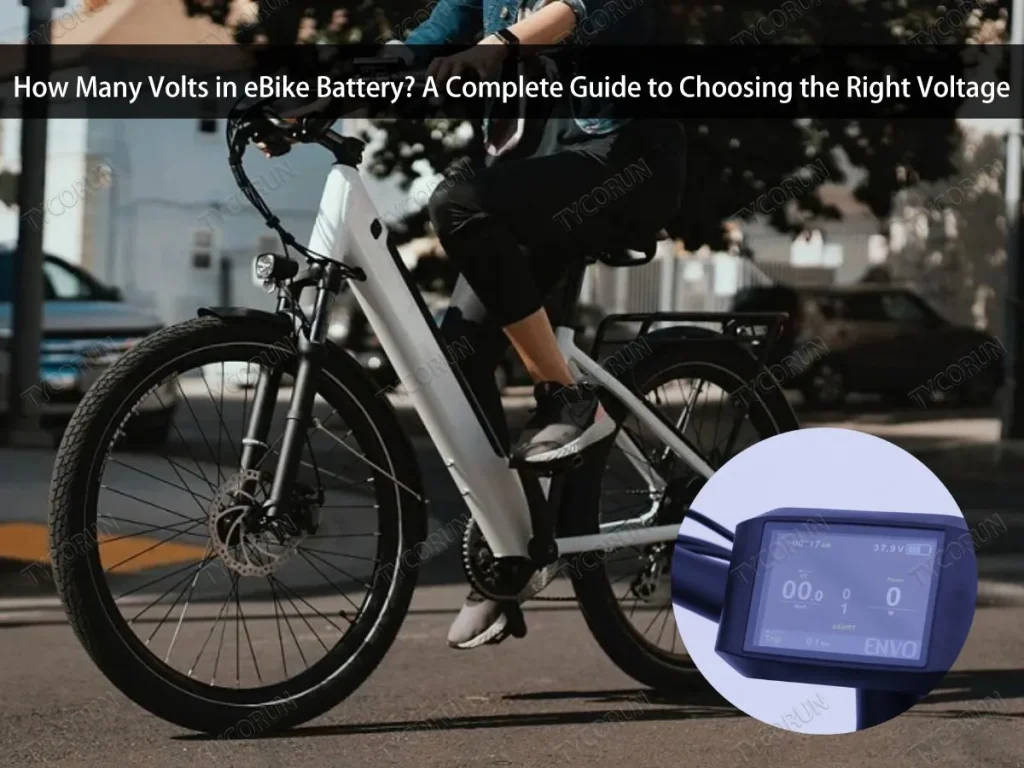
Understanding how many volts in eBike battery can have a big impact on performance. Battery voltage controls how much power the motor receives, which influences acceleration, maximum speed, and climbing capabilities. Each eBike has a varying voltage requirement, depending on whether it is for mild city use, long distances, or high performance on off-road conditions.
Knowing the various voltage options and how they affect your eBike will allow you to make informed decisions when purchasing, changing, or repairing your battery. Understanding this will improve your riding experience and allow you to use your ebike battery more efficiently and for longer periods of time.


What Does Voltage Mean in eBikes?
Before determining how many volts in eBike battery, it is necessary to first define voltage in an electric bicycle power system. In simple term, voltage refers to how much “electrical pressure” goes from the battery to the motor. The higher the voltage, the more power can be provided to the eBike motor. Power depends on the combined effect of voltage and current (P = V × I). A higher voltage system allows more power to be delivered to the motor if the current is sufficient.
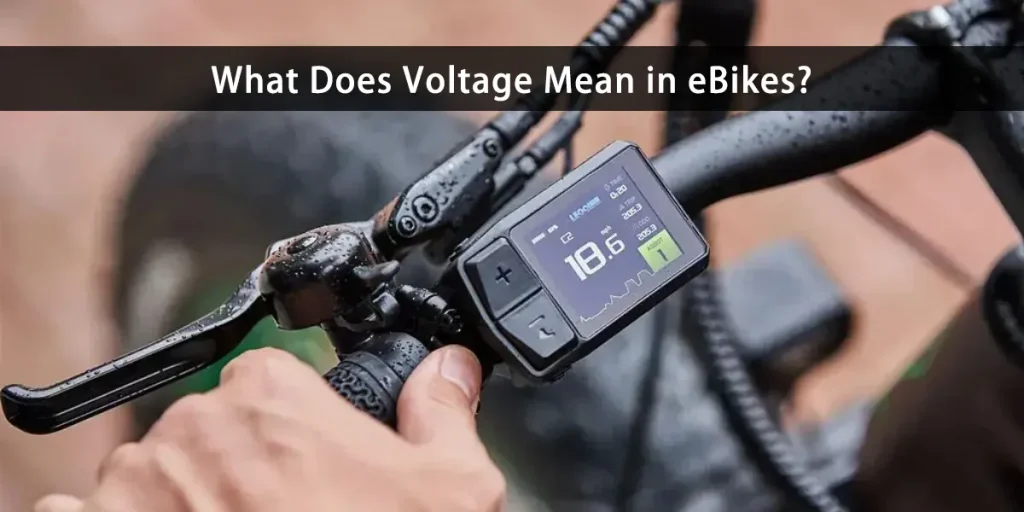
This voltage is critical in defining the overall characteristics of an eBike, including speed, acceleration, and power efficiency. Higher voltage e-bikes typically provide more responsive performance and are appropriate for fast speeds or hilly terrain. Meanwhile, eBikes with lower voltages are more energy efficient and suitable for leisurely use in cities. You may select the battery type that best fits your daily requirements and riding style by learning how voltage functions.
How Many Volts in eBike Battery: Common eBike Voltage Types
How many volts in ebike battery? Most modern ebike battery voltage come in three different battery voltages: 36V, 48V, and 52V. Each offers unique benefits and features that fit the user’s requirements and riding preferences.
- 36V eBike
The majority of entry-level eBikes have a voltage of 36V. While retaining energy economy to extend battery life, the power produced is adequate for cycling on level terrain or mild inclines. These e-bikes are appropriate for everyday commuters or recreational riders who value durability and comfort. - 48V eBike
The 48V model offers more power without compromising effectiveness. It is appropriate for riders seeking a more powerful riding experience and slightly more difficult terrain. - 52V eBike
52V eBikes provide a better balance of power and speed due to their greater voltage. For riders who like long-distance touring or exploring steep terrain, its power offers fast acceleration and higher top speeds. - 72V eBike
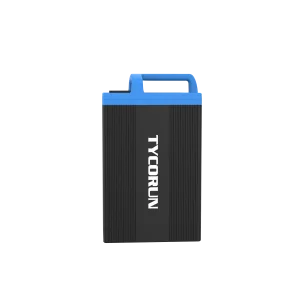
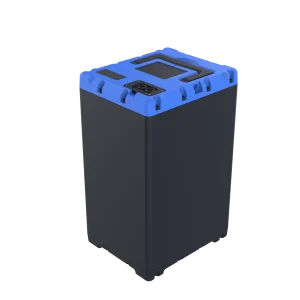
The 72V eBike category is one of the most powerful, and it is usually found in high-performance e-bikes, e-mopeds, or off-road models. This high voltage offers immense power for rapid acceleration and high speeds. The 72V lithium battery from TYCORUN is among the best examples; it is made with great durability and good efficiency to enable optimal performance. This battery is appropriate for e-bikes that need a lot of power without sacrificing system stability and safety.
You can also read 48 vs 52 Volt Ebike Battery for more insight.
What Are the Differences Between Each Voltage Level?
After determining how many volts in eBike battery, it is critical to understand what defines each voltage level. Voltage variations have a significant impact on performance, efficiency, and even the whole riding experience, despite the fact that the numbers in the specs may appear like technical details. Here are some key differences between each eBike voltage level:
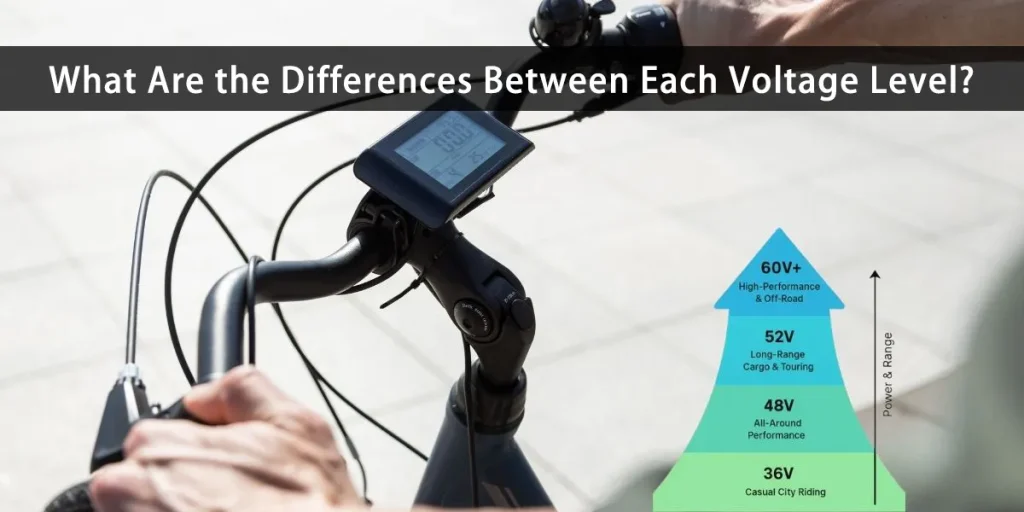
- Power Output: the eBike is more powerful when riding or climbing at high voltages such as 52V or 72V.
- Top Speed: compared to 36V systems, high-voltage systems allow the motor to deliver higher speed and torque.
- Acceleration: the eBike responds to the throttle and reaches its optimal speed more quickly when the voltage is higher.
- Range: while high voltages are typically more wasteful when used frequently at fast speeds, low voltages, such as 36v, are typically more energy-efficient and appropriate for extended excursions.
- Heat & efficiency: high voltage systems with higher power output (current × voltage) generate more heat, requiring improved power management and cooling.
- Component strength: to guarantee stability and safety, ebikes with 72v batteries need stronger motors, controllers, and bms.
In general, higher voltage increases the power and responsiveness of the eBike, but it also necessitates a more powerful electrical system and components. Therefore, it is critical to select the voltage level based on your requirements and the capabilities of your bike. You may also read low voltage vs high voltage battery for more insight.
How Voltage Determines Riding Experience
An eBike’s voltage has a significant impact on how powerful the motor is and how the bike feels while riding. So, when you find out how many volts in eBike battery, you also learn how fast, responsive, and efficient your electric bike is on the road. Voltage is more than simply a technical figure; it plays a major role in determining an eBike’s performance and personality.
Riding eBikes with low voltages, such as 36V, feels smoother and quieter. For regular use and relaxed trips, the throttle pull is not overly forceful. However, when the eBike is switched to 48V or 52V, it begins to exhibit more power-faster acceleration and better climbing performance. Provided the electrical system is properly designed, it can also maintain stability and responsiveness. Many riders believe that this level strikes the optimal blend of power and efficiency.
Meanwhile, at high voltages such as 72V, the riding experience changes dramatically. The motor’s tremendous power makes it feel incredibly robust and reactive, making it ideal for riders looking for high performance or riding hard terrain. However, high voltages necessitate a more powerful electrical system and precise control. Higher voltage increases available power and responsiveness, but requires appropriately rated components to ensure safety and system stability.
The Role of Lithium Batteries in eBike Voltage
Almost all modern eBikes use lithium batteries because they provide reliable power delivery, are lower in weight, and have a higher energy efficiency than previous battery types such as lead-acid or nickel-cadmium.
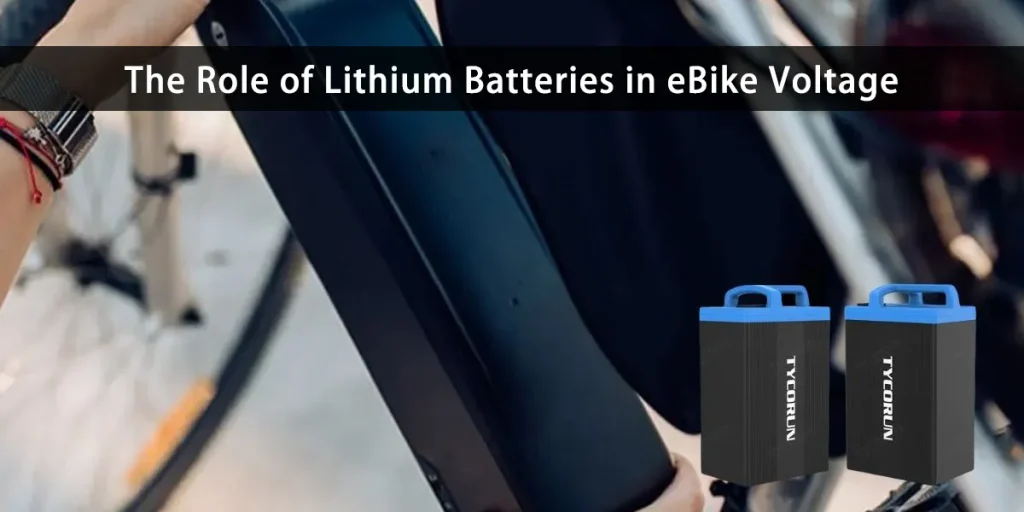
One of the primary benefits of lithium battery is their ability to maintain relatively stable voltage throughout most of the discharge cycle. In 48V or 52V eBikes, lithium batteries keep the motor running until the battery is nearly depleted. Furthermore, this kind of battery is better at controlling heat and electrical current, which is crucial for preserving the functionality and security of high-voltage systems such as 72V.
With these characteristics, lithium batteries play a significant role in deciding the performance, efficiency, and riding comfort of eBikes at voltage levels ranging from 36V to 72V.
Can You Upgrade to a Higher Voltage Battery?
Many riders ask if it is safe or effective to upgrade their eBike batteries with higher voltages. The eBike technology itself determines the response. Before upgrading, it is crucial to understand how many volts in eBike battery are compatible with the motor and controller because an excessively high voltage might overload components and endanger the electrical system.
Replacing the battery with a higher voltage can enhance acceleration, climbing capability, and maximum speed if the eBike system is upgradeable. However, there are a number of factors to take into account: riders need to be ready for a more aggressive riding style, the motor and controller need to be compatible, and the cables and connectors need to be able to handle higher currents.
However, an increase in voltage also implies that the system will have to work harder, which increases the importance of safety and heat management. In other words, an update may result in improved performance, but only if every component is built to withstand the higher voltage. Comprehending the eBike system’s limitations is essential to optimizing power without causing harm to the bike.
How to Choose the Right Voltage for Your eBike
Choosing the correct voltage is critical to ensuring that your eBike works for your needs and riding style. When determining how many volts in eBike battery are suitable, various aspects must be considered.
- Terrain type and distance travelled
Low voltages, such as 36V, are quite effective for everyday use on flat roads. Select middle voltages such as 48V or 52V for steep terrain or if you want more responsive acceleration. - Motor and system compatibility
The motor and controller capacities must be compatible with the voltage. A voltage that is too high might overload the system and hasten component deterioration. - Efficiency and battery life
Although high-speed use can shorten the distance travelled per charge, higher voltages offer more power. - Riding style
Consider whether you are more concerned with comfort and efficiency, or performance and acceleration. Your daily requirements should be taken into consideration when selecting the appropriate voltage.
Conclusion
How many volts in eBike battery? The majority of contemporary eBikes use 36V, 48V, 52V, and 72V. Because they are more comfortable and energy-efficient, lower voltages, like 36V, are appropriate for daily commuters or leisure riders. Because they provide a balance between power, acceleration, and efficiency, medium voltages, such as 48V or 52V are appropriate for riders looking for more responsive performance or for slightly hilly terrain.
Meanwhile, higher voltages, such as 72V, provide maximum power and rapid acceleration, making them ideal for high-performance eBikes or rough terrain, but necessitate a more robust electrical system and components.
Understanding these voltage differences allows riders to select the best battery for their riding style, terrain, and daily requirements, resulting in a more optimal, safe, and efficient riding experience.
FAQS
What are the most common voltages for eBike batteries?
Most eBikes use 36V, 48V, 52V, and 72V batteries. Lower voltages like 36V are common for casual or daily commuting, 48V–52V provide a balance of power and efficiency, and 72V is typically used in high-performance or custom-built eBikes.
Does higher voltage mean a faster eBike?
Yes, generally higher voltage allows the motor to produce more power, which can improve acceleration, climbing ability, and top speed. However, actual speed also depends on the motor, controller, and overall bike design.
Why do most eBikes use lithium batteries?
Lithium batteries are preferred because they are lightweight, efficient, and can maintain a stable voltage throughout the ride. They also manage heat better and support high-voltage systems, making them ideal for modern eBikes.