Skip to content

Complete Guide to Ebike Battery Voltage: Types, Safety, and Best Options
Selecting the appropriate ebike battery voltage has a direct impact on how well your electric bike works when riding, making it more than just a technical consideration. One of the main components that affects the riding experience is voltage, which affects everything from the maximum speed you may reach to the quantity of power you get on steep climbs.
In order to understand why the maximum and minimum operating voltages are important for durability and safety, we will examine what ebike battery voltage actually means in this article. You can choose the proper voltage for your ebike with confidence if you’re a beginner trying to learn the basics or an experienced user thinking about upgrading.


What is Ebike Battery Voltage?
The amount of electrical pressure that forces current from the battery to the motor is known as the ebike battery voltage. Your e-bike motor might use more power at greater voltages, which typically results in sharper acceleration and faster speeds.
Voltage and capacity (measured in amp-hours, Ah) are not the same thing, although the fact that many people mistake them. Voltage establishes how much power is available at any particular time, whereas capacity indicates how long the battery can provide power. For instance, a 48V ebike battery will usually provide you with higher speed and torque than a 36V ebike battery, even though they may have the same amp-hour capacity.
It’s also important to remember that for an e-bike to work securely, the voltages of the battery, motor, and controller must match. The incorrect ebike battery voltage may damage parts or impair functionality. Therefore, the first step in choosing the best battery type for your vehicle is to understand what battery voltage means.
Common Ebike Battery Voltages

- A 24V ebike battery
A 24V system, usually seen in entry-level e-bikes, offers sufficient power for light use, flat terrain, and quick journeys. Although it is not especially fast, it is reasonably priced and energy-efficient. - A 36V ebike battery
The present most popular eBike battery voltage. For daily commuters and city riders, a 36V system provides an excellent mix of speed, range, and affordability. - A 48V ebike battery
well-liked by riders who require more speed and power. You can ride longer without wasting the battery, accelerate faster, and manage hills more easily with a 48V battery. - 52V and 72V ebike batteries
Usually, performance or customized e-bikes use these higher volts. They produce a great deal more torque and speed, but they also need motors and controllers that can manage the increased power safely. Although this degree of performance is not necessary for many riders, it may change the riding experience for enthusiasts.
Lithium Batteries and Voltage in Ebikes
Our understanding of ebike battery voltage is completely different as a result of the increasing popularity of lithium-ion batteries in today’s e-bikes. Lithium batteries are lighter, more effective, and able to produce more voltage without adding significantly to weight, in contrast with regular lead-acid batteries. They are therefore the ideal companion to electric bikes.
The nominal voltage of each lithium-ion cell is between 3.6 and 3.7 volts. These cells are connected in series to form a complete battery pack. For examples:
- A 36V ebike battery is usually constructed by connecting 10 cells in series (10 × 3.6V).
- A 48V e-bike battery is constructed by connecting 13 cells in series (13 × 3.6V).
Understanding ebike battery voltage is important because of this cell structure; it’s not just a random figure; rather, it’s a product of the battery’s engineering.
Lithium battery also provide the benefit of improved voltage maintenance during a ride. They offer stable power delivery in contrast to older battery types, so your ebike won’t feel tired during the ride.
Of course, there are risks related to growing ebike battery voltage. A battery management system, which avoids overcharging and deep draining and maintains the voltage within suitable operating limits, is therefore always included with lithium batteries.
You can also read these articles for more insight:
36V lithium ion battery
48V lithium ion battery
72V lithium-ion batteries
Maximum and Minimum Operating Voltage
There is a maximum and minimum operating range for each ebike battery voltage to ensure battery efficiency and safety. Since lithium-ion batteries power the majority of ebikes nowadays, the general rule is simple: each cell has a minimum of 3.0V when drained and a maximum of 4.2V when completely charged. The battery could suffer permanent damage if these limits are reached.
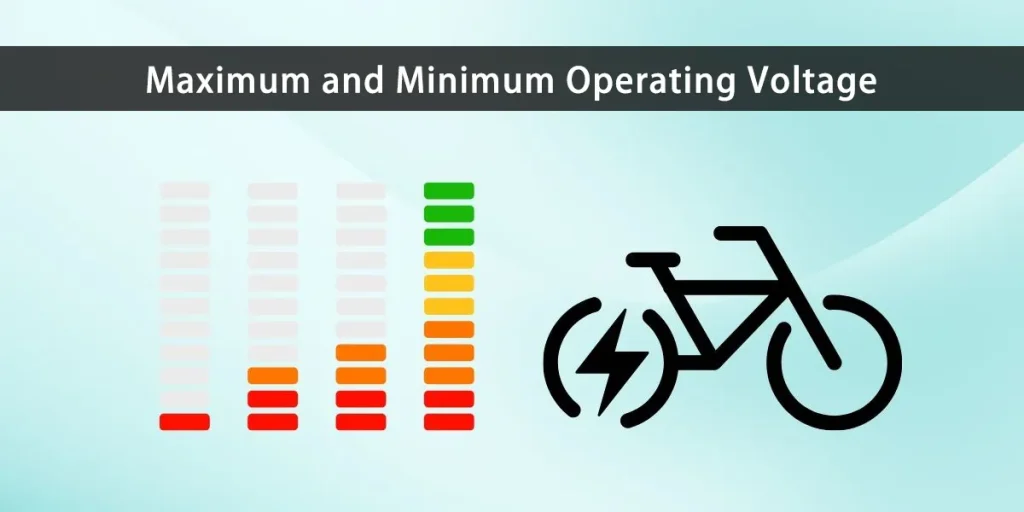
- A 36V ebike battery (10 cells in line) has a maximum voltage of approximately 42V and a minimum safe voltage of around 30V.
- A 48V e-bike battery (13 cells connected in series) should not be discharged below 39V and will fully charge up to approximately 54.6V.
- Higher-voltage packs, such as 52V or 72V, use the same idea; simply double the number of cells by the voltage per cell.
Every pack comes with a battery management system to maintain your ebike battery voltage within this safe range. Your battery will last longer and be safer thanks to the battery management systems protection against deep draining and overcharging.
How Ebike Battery Voltage Affects Performance
Your choice of ebike battery voltage impacts the performance of your electric bike. Basically, a greater voltage gives the motor more power, which impacts a variety of ride characteristics:
- Top Speed
Higher ebike battery voltage helps the motor to spin faster, increasing the top speed. For example, you can usually ride faster with a 48V system than with a 36V system that uses the same engine. - Torque and Acceleration
The speed at which your bike speeds also has an impact by voltage. It will be easier to start from a stop and climb slopes if the wheels receive greater torque from a higher-voltage battery. - Range and Effectiveness
While battery capacity (Ah) greatly impacts range, efficiency is influenced by voltage. Sometimes, especially over difficult terrain, a higher ebike battery voltage system can use energy more efficiently, providing you with better performance per charge. - Consistency of power
Higher voltage packs provide the major benefit of greater performance maintenance during the ride. A well-designed system maintains output smoothness until the pack hits its minimal voltage, preventing a sluggish feeling as the battery declines.
However, higher voltage is not always preferable. The selected ebike battery voltage must work with the motor, controller, and other parts. Overheating or even permanent damage could result from using the incorrect match.
Choosing the Right Voltage for Your Ebike
- Riding Style and Needs
For short rides, a 36V ebike battery will usually enough if you ride primarily on level city roads. However, a 48V system is a better option if you want longer rides, more climbing strength, or stronger speed. 52V and higher can provide exciting speed for enthusiasts or performance riders, but they are not required for daily use. - Component Compatibility
The ebike battery voltage must be matched by your motor and controller. When a 48V battery is used with a 36V system, it may overheat or damage the system. Before upgrading, always review the manufacturer’s specifications. - Budget Considerations
In addition to the battery, higher voltage systems usually cost extra for suitable motors, controllers, and chargers. Verify that the advantages justify the additional cost for your riding habits. - Regulations and safety
The maximum power or speed that ebikes can reach are limited in some areas. Knowing the local regulations are important because selecting a higher ebike battery voltage could cause your bike to exceed permitted limits.
Maintenance & Safety Tips
Just as important as selecting the right ebike battery is maintaining its voltage. You can prolong the battery’s life, ensure stable performance, and ride safely every day if you adopt the proper behaviors. Here are some useful tips:
- Charge Properly
Use a charger that is compatible with the eBike battery voltage at all times. Using the incorrect charger or overcharging might reduce battery life and possibly create safety hazards. - Avoid Deep Discharge
Maintaining the charge above 20–30% helps maintain long-term health, however most lithium ion packs turn off at their lowest voltage. - Store in a Safe Place
Keep your battery in a cool, dry location with 50–60% charge if you won’t be riding for a time. The consistency of your ebike battery voltage may be impacted by extreme temperatures. - Check Connections Regularly
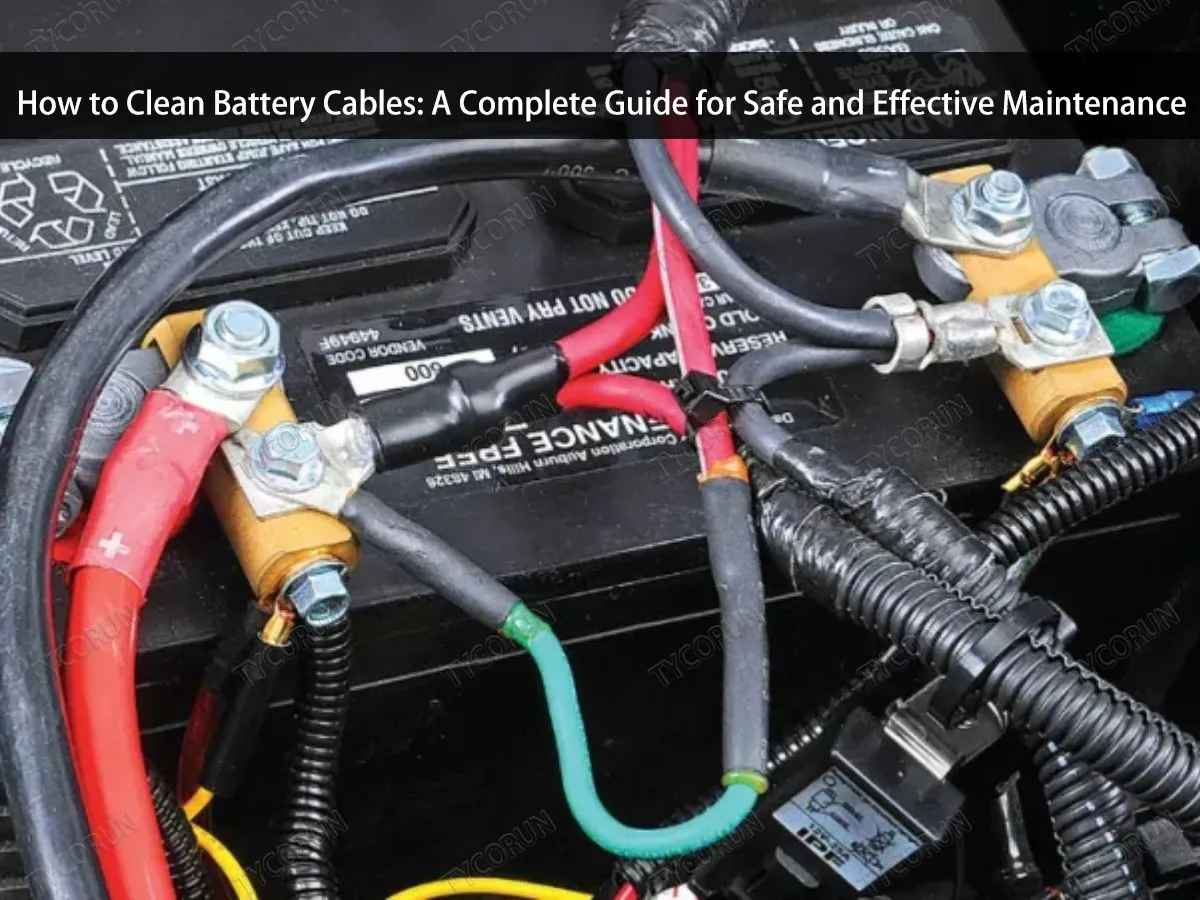
Voltage drops and reduced performance might result from weak or corroded connections. Verify that the plugs, wires, and terminals are safe and clean. - Rely on the battery management systems
By maintaining the maximum and minimum working voltage, the Battery Management System is intended to safeguard your pack. It’s the safety net for your eBike battery voltage, so don’t disregard it or circumvent it.
These easy steps will help you maintain a long-lasting, safe battery that will give your e-bike its greatest performance on every ride.
Conclusion
Finding the balance between power, speed, efficiency, and safety is more important than simply calculating the ideal ebike battery voltage. Every voltage level has a distinct function, ranging from 24V systems for recreational riders to 72V packs for performance fanatics. Modern ebike batteries use lithium-ion technology with a battery management system to provide reliable power while guarding against deep drain and overcharging.
Knowing how ebike battery voltage impacts top speed, torque, range, and longevity can help you make more informed decisions about ebike maintenance and upgrades. Maintaining safe charging practices, taking into account your individual riding needs, and balancing the battery voltage with your motor and controller are important. Your ebike battery will operate at its highest efficiency and last the longest with the correct setup.
FAQS
Can I upgrade ebike battery voltage?
Yes, you can upgrade an ebike battery's voltage, but it's important to ensure your motor and controller are compatible with the higher voltage to prevent damage and ensure safe, efficient operation.
What is the best voltage for ebike battery?
A 36v for casual commuters on moderate terrains and casual hill climbing, 48v for longer distances and hill climbing, and 52v for high performance riding and off-road adventures.
Will a higher voltage battery make my ebike faster?
The more voltage your Ebike battery has, the more energy it transfers to the motor, making the wheels spin faster.