Skip to content


China is rich in natural graphite reserves, but the natural large flake graphite suitable for making graphene is relatively small, less than 5 million t. In addition, when natural graphite is directly used as an electrode material, it is sensitive to electrolytes and has poor high-current charge-discharge performance. And during the discharge process, due to the chemical reaction of the electrolyte or organic solvent, a solid electrolyte interface film will be formed on the surface of the anode electrode.
In addition, with the intercalation and deintercalation of lithium ions, the volume of graphite sheets expands and contracts continuously, which is easy to cause graphite pulverization. Therefore, the irreversible capacity of natural graphite is high, and the cycle life needs to be further improved.
The artificial graphite has good compatibility with the electrolyte, good charge-discharge performance and cycle performance, and the reversible charge capacity reaches 350 mA h/g, and the irreversible capacity is much lower than that of natural graphite. And under the premise that the performance is not much different and the production process is similar, the raw material price of artificial graphite is more than half lower than that of natural graphite, so in practical applications, more emphasis is placed on the use of artificial graphite.

At present, graphene material or carbon materials for high-performance energy storage are limited by raw materials and preparation processes, resulting in high costs and high market prices. Therefore, the development of low-cost, high-volume fabrication technology is the key to graphene material energy storage applications. This article mainly introduces the application of graphene material in lithium-ion batteries and supercapacitors, as well as the current status of graphene preparation technology.
Application of graphene material in the field of electrode materials
Graphene material has many uses. It can be used as a display screen for various electronic products, an environmental protection material, and is also widely used in the energy field as an electrode material for lithium-ion batteries and supercapacitors.

There are many application scenarios for graphene-based lithium-ion batteries. It can be applied to distributed base stations, making the backup power unit lightweight and miniaturized, and adapting to high temperature extreme environments such as the equator, desert, and direct sunlight; It can also be applied to drone battery and fuel cell vehicles to complete the endurance and safe operation in high temperature environments.
As a promising energy storage device, graphene material supercapacitors can increase the energy density while retaining the high specific surface area of electrode materials.It can provide high-power power supply for wearable electronic devices such as smart watches, flexible electronic screens, and foldable mobile phones.
In the future, it can not only be used in communication, rail transit, start-stop control and other fields that require high power output alone, but also complement the battery to achieve high energy density and high power density at the same time in electric vehicles, transportation and renewable energy fields.
Lithium-ion battery materials
High-energy-density lithium-ion batteries are the direction that governments and leading battery companies compete for layout and focus on research and development. The macroscopic bulk structure of graphene material is formed by overlapping micron-sized graphene material sheets with good electrical conductivity, and has an open macroporous structure.
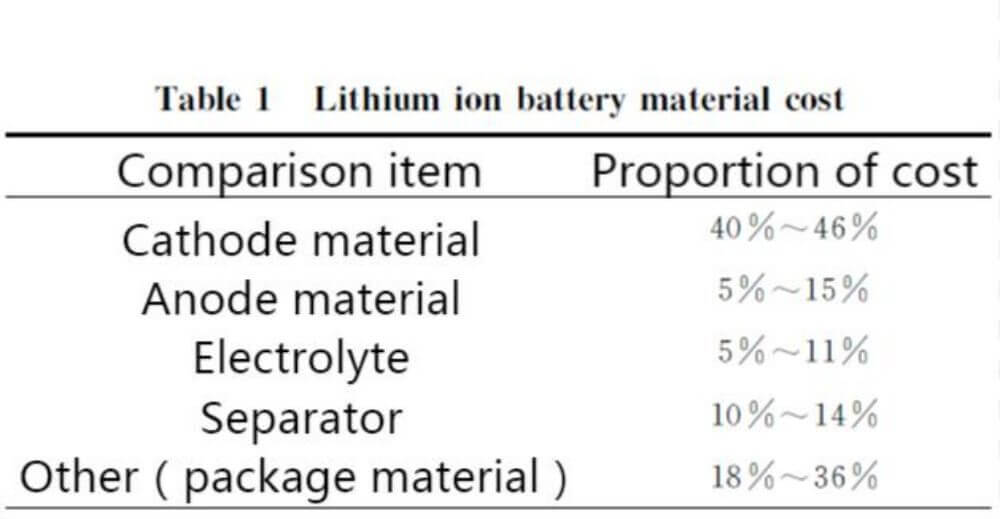
The structural characteristics of graphene material determine the lithium storage behavior of graphene material. Lithium ions have high lithium storage capacity in graphene material, and the open macroporous structure also provides a channel with extremely low barrier for the entry of electrolyte ions. It can ensure that the graphene material has good power characteristics as a lithium-ion battery material.
Lithium-ion battery anode material
Generally, the anode material of lithium ion battery should have the following characteristics: easy intercalation reaction, fast deintercalation and high reversible capacity, stable charge-discharge performance, good cycle performance, environmental protection, etc. Commonly used anode materials include carbon, lithium titanate, silicon materials and transition metal oxides, among which graphite is the most commercialized material.
Graphite has good electrical conductivity and complete lamellar structure, which is conducive to the intercalation and deintercalation of lithium ions, so it was selected as a anode material more than 40 years ago. Until now, graphite is still the most widely used electrode material.
However, graphite has a low capacity and cannot meet the increasing capacity requirements of lithium-ion batteries, while graphene material have a large specific surface area and higher capacity, and can replace graphite as a anode material for lithium-ion batteries.
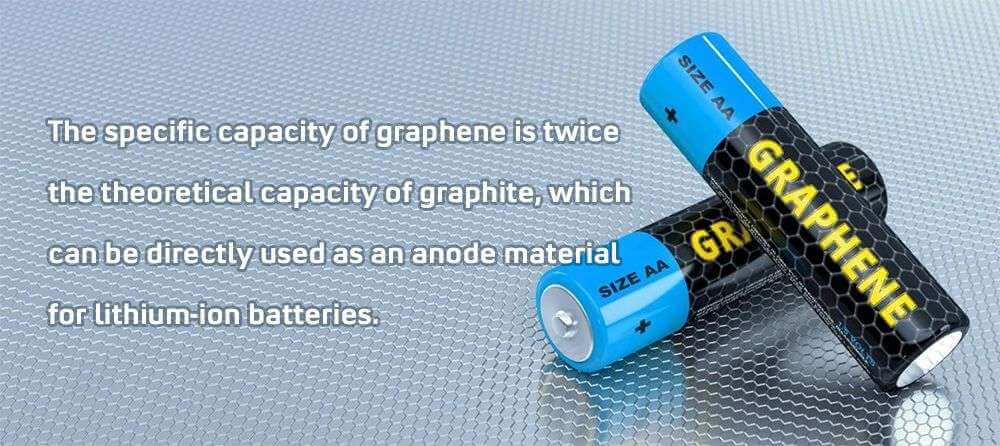
The specific capacity of graphene material is twice that of the theoretical capacity of graphite, and it can be directly used as a anode material for lithium-ion batteries. The high specific capacity of graphene material is mainly due to the existence of a large number of defects at the edge of graphene material and the good electrical conductivity of graphene, and its electrode sheet resistance is extremely low, only 1Ω.
If the graphene anode and the lithium iron phosphate positive electrode are combined to form a full battery, a theoretical energy density of 380 W·h/kg and an actual energy density of 190 W·h/kg can be achieved.
However, the use of graphene material as a anode material for lithium-ion batteries has the problem of low cycle life. When graphene material is used as an anode material, its cycling stability mainly depends on the re-aggregation induced by lithium ions during intercalation and deintercalation, and this effect is more pronounced when graphene oxide is used.Because the electrochemical reaction that occurs will cause graphene material to lose oxygen-containing functional groups, which makes it easier to re-aggregate between graphene sheets, the electrode capacity is reduced, and the electrode performance is deteriorated.
Lithium-ion battery cathode material
Lithium battery cathode materials mainly include ternary materials, lithium iron phosphate, lithium cobaltate, lithium manganate, etc. If you want to know more about lithium iron phosphate cathode material companies and cathode ternary material companies, you can click on the links for related information. However, lithium iron phosphate has the disadvantages of low specific capacity, general rate performance, and poor low temperature characteristics.
Lithium cobaltate has low mass specific capacity and high cost. Although lithium manganate has the advantages of good low temperature performance, low price, abundant resources, simple process, low pollution, and excellent safety performance, its low specific capacity, poor high temperature performance, and low cycle life limit its application range. Ternary materials have become a research hotspot in recent years due to their high energy density, high capacity, and rich system composition.
In order to reduce the production cost of ternary materials with high rate performance and high tap density, the safety performance of ternary batteries can be changed by doping coating process. In the cathode material, adding graphene material with a special structure of two-dimensional high specific surface area and excellent electron transport ability can greatly improve the conductivity of the cathode material and effectively improve the diffusion and transport ability of lithium ions in the cathode material.Compared with traditional conductive additives, graphene material has the advantages of less addition and better electrochemical performance.
Graphene material also has high lithium storage activity at high potential, so it can also be used as a cathode material for lithium ion batteries. Its electrochemical performance is mainly derived from the reversible redox reaction between surface oxygen-containing functional groups and lithium ions at high potential.
The lithium iron phosphate cathode material currently used in electric vehicles has poor charge transport properties, and the capacity will decay rapidly under high rate conditions. The addition of graphene material to the lithium-ion cathode material can greatly improve this situation.
Research results show that the charging rate of the battery can be greatly improved by adding only 1.5% graphene material in the electrode material of the battery, and the battery can be charged to a specific capacity of 137 mA h/g within 172 s. It is equivalent to charging to 89% in less than 3 minutes, and can retain 90% of the initial capacity after 500 cycles of charging and discharging under this condition.

Supercapacitors
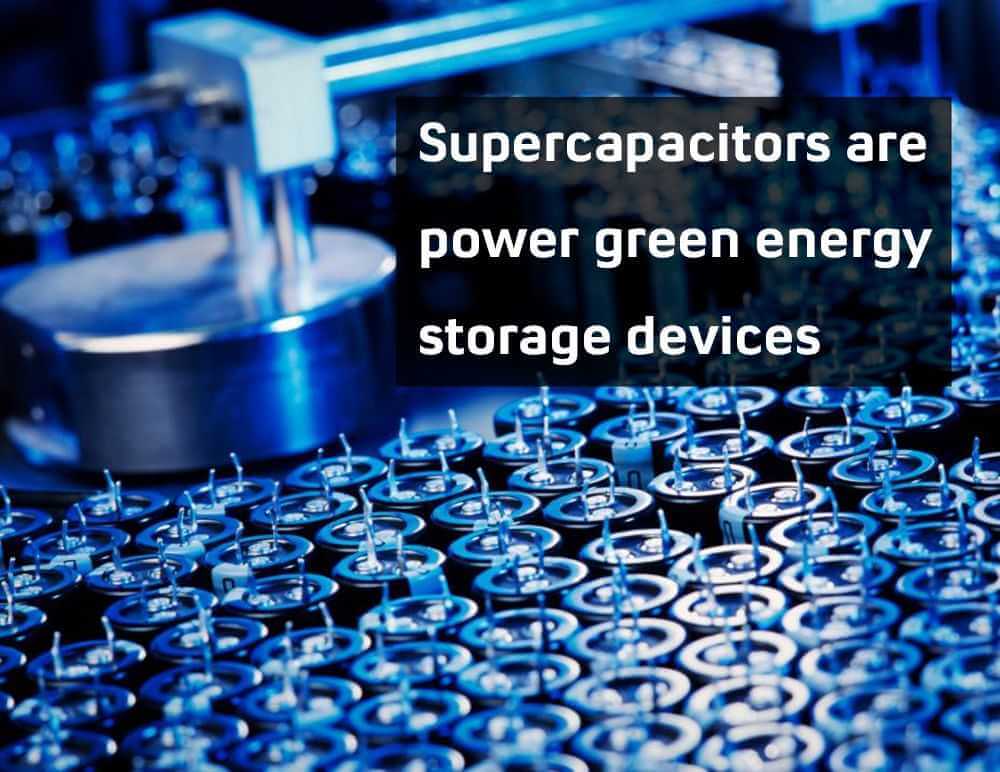
Supercapacitors are power-type green energy storage devices, which have the characteristics of high power density, long cycle life, fast charging and discharging speed, wide temperature range, safety and reliability.
It is used in scenarios that need to suppress the instantaneous fluctuation of renewable energy power generation and start high-power motors.
Electrode materials are the key to supercapacitors and determine the main performance indicators of the energy storage device, such as energy density, power density, and cycle stability.Among many electrode materials, porous carbon materials have become a research hotspot and have been commercialized due to their advantages of low cost and easy availability, electrochemical stability, good electrical conductivity, and high specific surface area.
However, the energy density of carbon-based supercapacitors is still low, about 1/20 of that of commercial lithium-ion batteries, which is difficult to meet the needs of practical applications of energy storage devices.Increasing the specific surface area of carbon-based materials, adjusting the particle size, improving the pore size distribution and modifying the surface shape are the key factors to improve their energy density.
Graphene energy storage material has a huge, ion-accessible specific surface area and good charge transport properties, and its application in supercapacitors can greatly improve its energy density. Unlike lithium-ion batteries, supercapacitors store energy through surface redox reactions or adsorption of charges on the surface of active materials. Because both surfaces of single-layer graphene can be used to store charges, the theoretical capacity of graphene is larger.
However, due to the very low packing density of graphene, it encounters a bottleneck in the preparation of high-power or high-energy density supercapacitors. As a result, although graphene supercapacitors have a high weight specific capacity, the volume specific capacity is small.
By simply filtering the electrolyte, the electrolyte content between graphene layers can be adjusted to achieve the goal of controlling the packing density to a certain extent.Such graphene supercapacitors can achieve power densities that are an order of magnitude higher than conventional capacitors and reach energy densities close to lead-acid batteries.
Graphene with high specific surface area is an effective way to develop high-performance supercapacitors, and when various pseudocapacitive active materials are combined with graphene with high conductivity and high specific surface area, it is expected to obtain supercapacitors with higher capacity.
It is worth noting that when this active material is combined with the graphene preparation process, the process flow and production cost of the energy storage device will be greatly reduced.
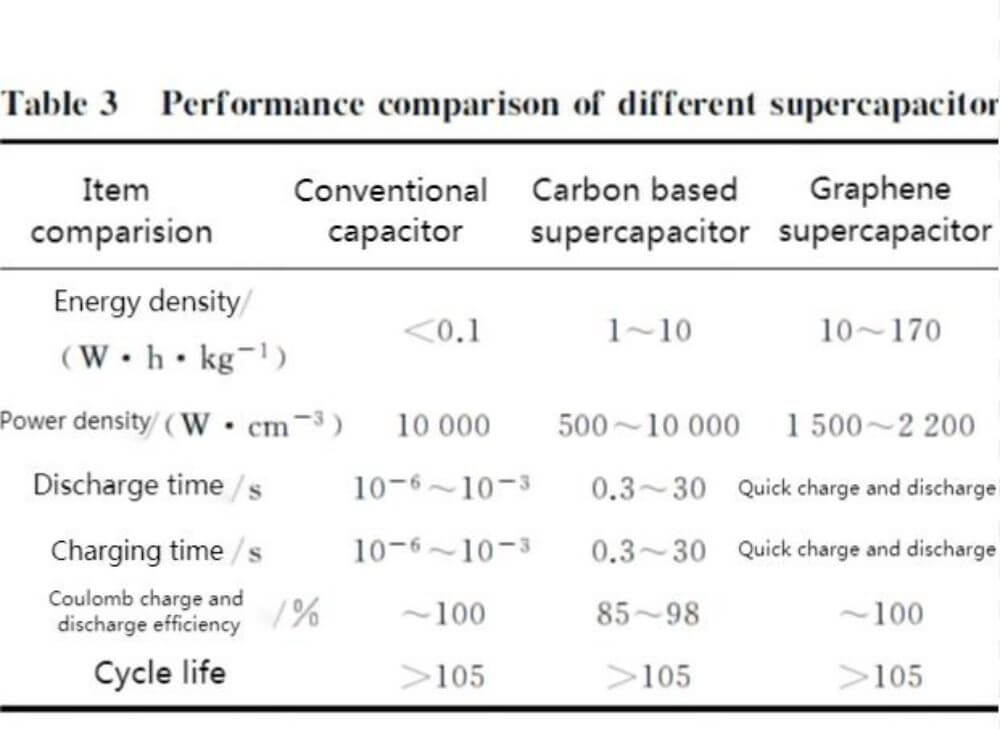
Status of graphene material preparation technology
Graphite materials have many special properties such as high temperature resistance, thermal conductivity, electrical conductivity, chemical stability, plasticity, lubrication, and thermal shock resistance. With the continuous breakthrough of graphite deep processing technology in recent years, the physical and chemical properties of graphite have been further developed, and it has become a key material in strategic emerging industries such as new energy vehicles, environmental protection, new materials, and energy storage.
At present, the most commercialized way is to use natural graphite to prepare graphene process. The rapid development of graphene industry has directly triggered the development boom of graphite resources.
Most of the graphene currently used in China comes from graphite ore, which is expensive to produce. Graphene can be obtained from relatively cheap low calorific value coal raw materials, and the extraction ratio is about 3:1, that is, 3t of low calorific value coal can extract about 1t of graphene.If this process is commercialized, it will greatly reduce the production cost of graphene, and make graphene products more widely used and more economic benefits.
Tsinghua University has proposed a low-cost, large-scale and continuous graphene preparation method suitable for different application scenarios, using natural graphite as the precursor material,graphene, graphene oxide, graphite block and other powder materials with stable properties and good homogeneity have been obtained by small batch preparation in laboratory.

In 2017, the 100-ton scale pilot plant of graphene built by ENN (Inner Mongolia) Graphene Materials Co., Ltd. has successfully produced graphene. The product has the characteristics of ultra-high specific surface area, few layers, and can be adjusted as needed. It also enables low-cost, clean production and can be used in composite materials such as energy storage, heat conduction, electricity conduction and wave absorption, as well as gas adsorption, storage and separation.
The existing graphene preparation methods include gas phase synthesis method, REDOX method and liquid phase stripping method. Among them, liquid phase stripping method is considered to be one of the important methods for large-scale preparation of high-performance graphene, but the preparation efficiency and yield are still low. Based on the preparation of graphene by liquid phase stripping method, it is innovatively proposed to use graphite derivatives as dispersants.
A pilot production line with an annual output of 1t was built by using high-speed aqueous phase shear method to solve the problems of low efficiency of the process and difficulty in scaling up the scale preparation. Verified by the production line, the process is green and environmental friendly, with water as the solvent, under atmospheric pressure, no surfactant and other organic ingredients, harmless to the environment; The cost of graphene is less than 500RMB/kg;
The product is mainly obtained by peeling method, with few defects and low layer number, mostly within 7 layers, and the diameter of the slice is 3-5 μm. Because no surfactant is added, the product has no pollution, high purity, and the conductivity is close to 50S/km, reaching the international leading level.
Conclusion and prospect
Graphene materials are considered to have an impact on the future industrial development. The realization of large-scale preparation of graphene with high performance, low cost and high stability is the premise and guarantee of its application, and is the focus of current academic attention and research.

Currently, graphene material is the most commonly used conductive additive in the Li-ion battery industry. Due to the large market share of Li-ion battery electric vehicles and start-stop battery hybrids, the demand for graphene material as a conductive additive in Li-ion batteries is still large.
However, when used as the main electrode material of supercapacitors, there are still some problems such as low purity of graphene material, easy stacking between layers, and large liquid absorption. Based on the research status of graphene material application and preparation technology, the following research directions can be carried out in the future:
(1) Although coal-based graphene material has been applied in engineering, the macro quantitative preparation of graphene powder and thin film has been achieved from the perspective of production capacity, but the coal quality and process route have great influence on the structure and characteristics of graphene.
Different application scenarios have different requirements on the structure and performance of graphene. Therefore, targeted research is needed to develop graphene materials suitable for specific application scenarios according to different requirements.
(2)Researches on the electrochemical characteristics of coal-to-graphene electrode materials, coal-to-graphene based lithium-ion batteries and supercapacitors are few and lack of systematicity, which can be further explored in the above directions in the future.
(3) Compared with artificial graphite, the structural characteristics of natural graphite are not conducive to the manufacture of lithium ion battery electrodes. In practical application, artificial graphite is more emphasized. For example, in 2018, the anode material of lithium battery in China adopts artificial graphite, accounting for 64%, and natural graphite accounts for 24%.
At present, the demand for graphene material in lithium battery conductive agent in China is about 230,000 t, and it continues to rise with the development of new energy vehicles and other industries. In the future, more research should be done on the process of making graphene from artificial graphite to meet the growing demand for graphene material.