Skip to content


What does UN3480 mean
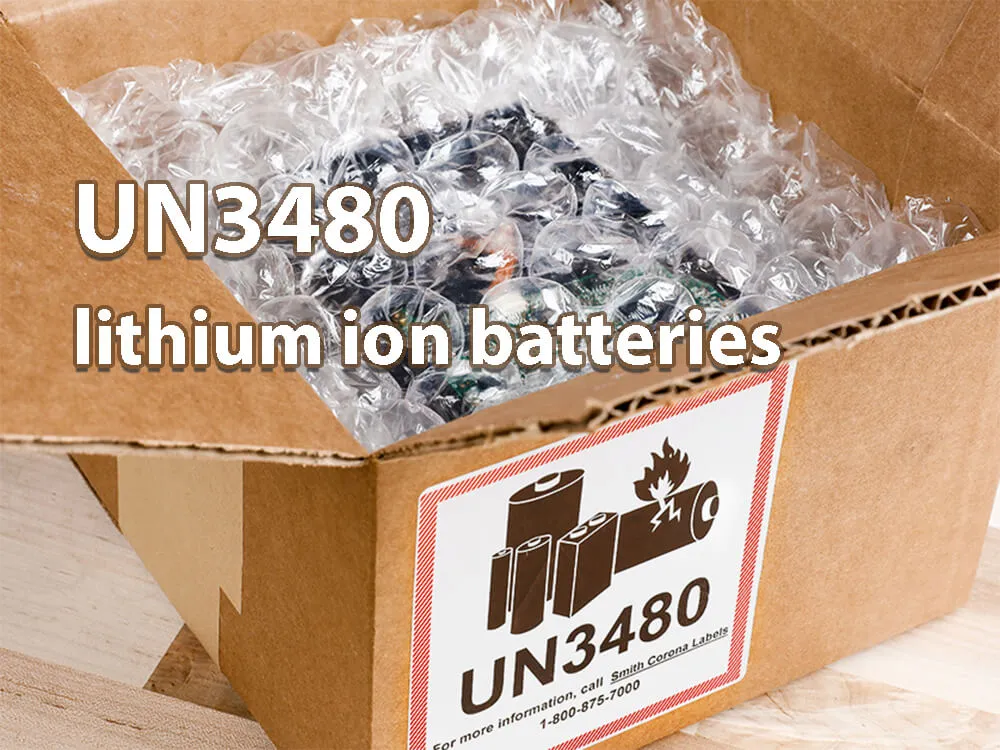
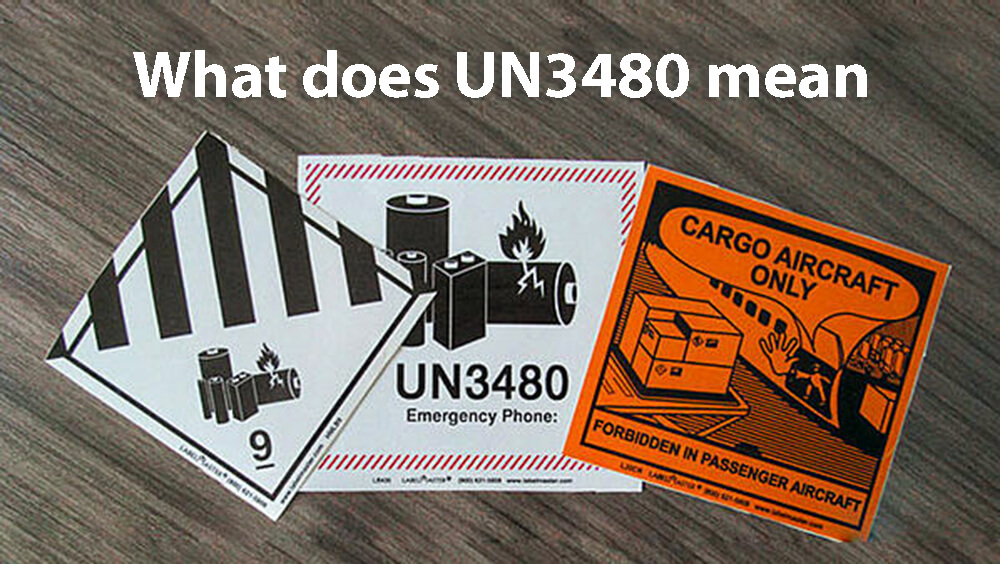
Lithium-ion battery packs are classified as dangerous goods in Class 9 UN3480. Lithium batteries are packaged in three ways: individually, packaged with equipment, and installed in equipment. UN is the abbreviation of United Nation, and the UN number is the number formulated by the United Nations “Recommendations on the Transport of Dangerous Goods” for dangerous goods, such as the UN number of lithium batteries: UN3480, UN3481, UN3090 UN3091.
● UN3480,ithium ion batteries(Lithium-ion polymers are included)
● UN3481,lithium ion batteries packed with equipment
● UN3481,lithium ion batteries contained in equipment
● UN3090,lithium metal batteries
● UN3091,lithium metal batteries packed with equipment
● UN3091,lithium metal batteries contained in equipment
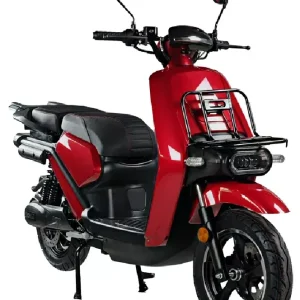
Tips:”Equipment” in the proper shipping name means a device powered by lithium cells or batteries for operation, vehicles powered entirely by lithium batteries (such as electric bicycles, electric wheelchairs, balance scooters) should be transported in accordance with UN3171 “Battery-Powered Vehicles”. And UN3480 refers to the lithium-ion battery that is only transported as a battery, not the lithium-ion battery in the device.
What is the proper shipping name for UN3480
While UN3480 is the designated tag used to identify lithium ion batteries for shipping, for the purpose of those who are not familiar with the United Nations shipping codes and regulatory tags, the proper name for them are UN3480 lithium ion batteries. The use of this full name ensures that there are no confusions as to the type of battery being shipped and ensures these batteries are handled and packaged appropriately.
Can you ship UN3480 lithium ion batteries
Yes, although lithium-ion batteries have transportation risks and are considered the ninth class of hazardous substances, UN3480 lithium ion batteries can be shipped across long distances. But before this can be done the batteries must first satisfy all outlined regulatory conditions set out by the United Nations manual of Test and Criteria as well as the standards set by the country in which the shipment is to be received.
These tests are to be carried out by the manufacturer before packaging and the manufacturer must be ready to make available, upon request, these Quality Assurance Certificates to prove the test were indeed carried out to satisfaction. These tests must follow and fulfill the requirements of the United Nations Model Regulations as well as other standard test guidelines.
Shipping requirements of UN3480 lithium ion batteries
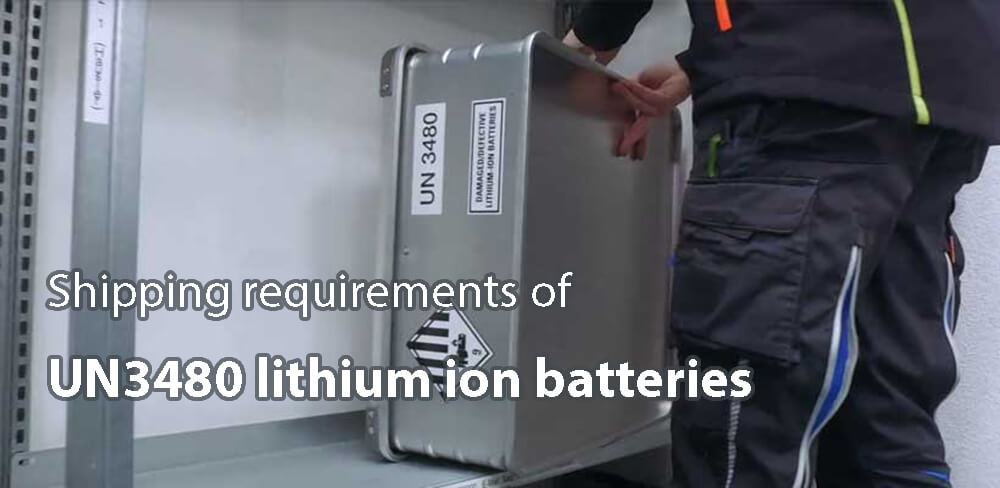
There are regulations put in place for the proper shipping of UN3480 lithium ion batteries as they can be dangerous and hazardous if transported improperly. The transportation methods of lithium-ion batteries include air transportation, water transportation, and land transportation.
● All UN3480 lithium ion batteries must pass all the applicable UN tests and standards before they can be shipped.
● It is recommended that each battery cell remain within the protective manufacturer packaging but also ensure that all terminals are covered and protected to avoid short circuits. Also the appropriate outer and inner packaging should be used for double layers of protection.
● All UN3480 lithium ion batteries to be shipped must be tagged with the appropriate labels and marks designated for that product for easy identification and sorting.
● All necessary/required documentation and certificates must be completed and made available upon request by the odm lithium ion battery pack manufacturer.
● Standalone UN3480 lithium ion batteries which are not within any equipment or device are not allowed to be transported as cargo on any passenger aircraft. Lithium batteries not packaged within a device or equipment can not be shipped alongside other cargo in a passenger plane as it may cause a fire risk, instead they must be shipped on cargo planes and not passenger aircrafts.
What are UN3480 lithium ion batteries used for
Since UN3480 lithium ion batteries are shipped as standalone batteries, they can be used for a wide array of applications. On reaching their destination, these batteries can be used with electric vehicles, as backup batteries for solar inverters, home appliances, power tools, flashlights and other lithium battery applications.
Now lithium-ion batteries can replace various applications of original lead-acid batteries as lithium battery replacement lead acid products, like lithium golf cart batteries, RV batteries, trolling motor battery.
Are UN3480 lithium ion batteries fully regulated
Indeed they are. Since UN3480 lithium ion batteries are classified as hazardous materials, they are fully regulated as dangerous goods under United Nations regulations, the International Air Transport Association and other international regulatory bodies as well.
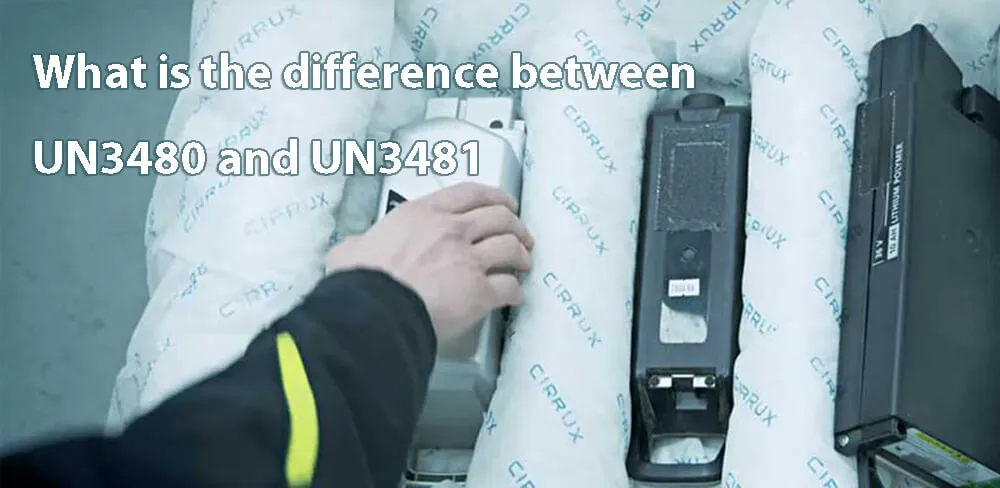
What is the difference between UN3480 and UN3481
The difference in the designations of these batteries is that, if lithium ion batteries are intended to be shipped as standalone materials not placed within a device or equipment, then they are tagged UN3480 lithium ion batteries. But if they are packaged within equipment or other electronic devices then they are given the designation UN3481.
UN3480 is subject to the packing instructions of PI965, and UN3481 is subject to the packing instructions of PI966 (packaged with the equipment) or PI967 (lithium batteries installed in the equipment). For lithium-ion batteries, the watt-hour rating exceeds 20W·h, and for lithium-ion battery packs, the watt-hour rating exceeds 100W·h.
How do I get UN38.3 certified
UN38.3 refers to Clause 38.3 of Part 3 of the United Nations Manual of Tests and Criteria for the Transport of Dangerous Goods specially formulated by the United Nations for the transport of dangerous goods. In order to ensure the safety of air transportation and meet the transportation needs of customers for goods containing lithium batteries,
According to the relevant provisions of the IATA “Dangerous Goods Regulations”, the lithium battery operation specification, that is, the test of UN38.3 (UNDOT), has been formulated. It requires that the lithium battery must pass high simulation, high and low temperature cycle, vibration test, impact test, 55°C external short circuit, impact test, overcharge test, and forced discharge test before transportation to ensure the safety of lithium battery transportation.
If the lithium battery is not installed with the equipment, and each package contains more than 24 cells or 12 batteries, it must also pass the 1.2 m free drop test.