Skip to content
Danger of Lithium Batteries: What You Need to Know
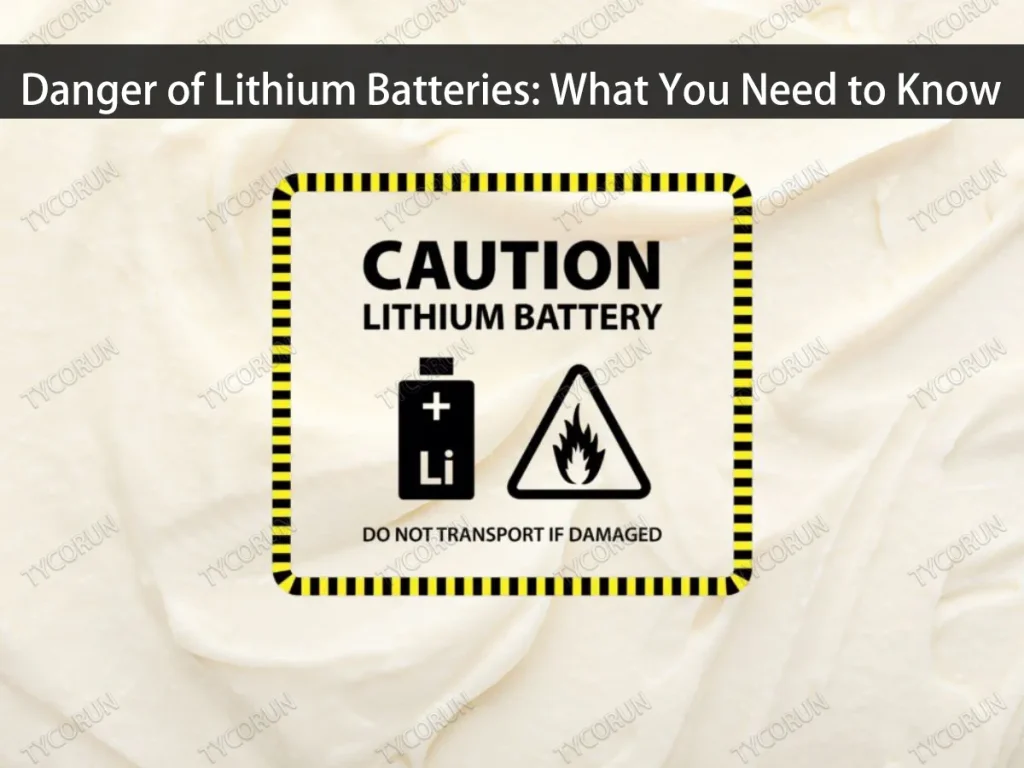
In this advanced era, almost everything we use on a daily basis, from electronics to electric vehicles, is powered by lithium batteries. Although this technology is incredibly effective, there is a significant risk that is usually disregarded: the danger of lithium batteries.
The problem is not just about manufacturing defects. Even batteries that appear normal can be dangerous if handled improperly. Therefore, understanding the danger of lithium batteries is not just the responsibility of technology experts, but also every user. With the proper understanding and caution, we can take advantage of the many benefits of this technology while not overlooking its safety concerns.

What Makes Lithium Batteries Different?
Lithium battery has advantages that distinguish them from other types of batteries, including the ability to store significantly more energy than conventional batteries. Because of this, lithium batteries are frequently found in contemporary devices like laptops, cell phones, and electric vehicles. However, the danger of lithium batteries is a possible risk that arises specifically from their high efficiency.
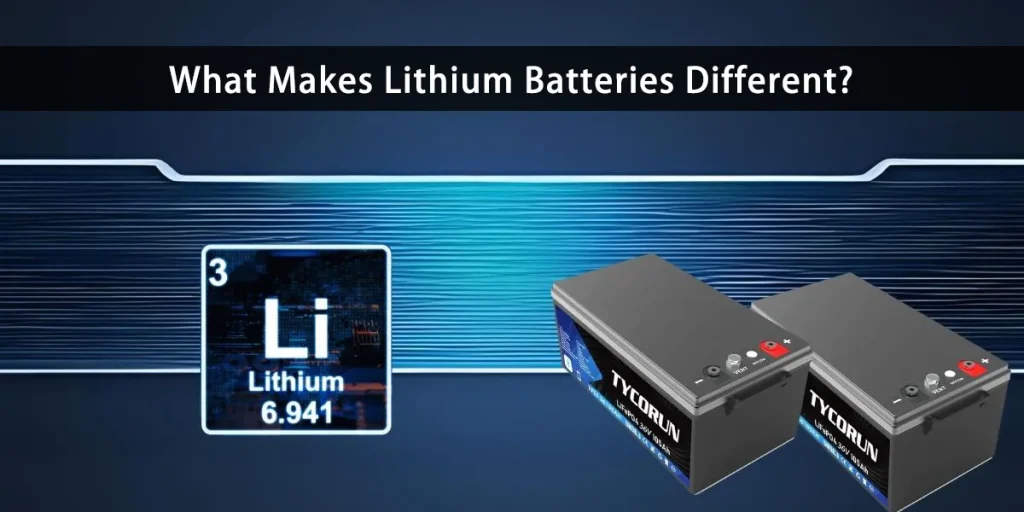
In contrast to more traditional batteries like NiCad or alkaline batteries, lithium batteries employ chemicals that are extremely reactive. Although these reactions allow the batteries to generate significant power, they can also cause issues in the event of damage or overheating.
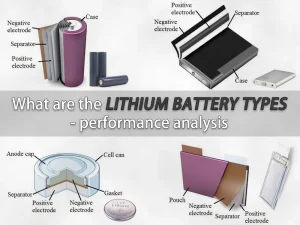
The structure of a lithium battery is also quite complex. Inside, there is flammable electrolyte fluid and a thin layer of separator between the anode and cathode. If the separator layer is damaged, leaks, or the battery is compressed, the chemical reaction may spiral out of control. This is one of the primary reasons why lithium batteries are dangerous, and users typically are ignorant of it.
Furthermore, understanding its properties and operation is the first step toward avoiding the dangers of lithium batteries in everyday use.
You can also read these articles for more insight:
lithium battery vs other batteries
Lithium Ion vs NiCad Drill Batteries
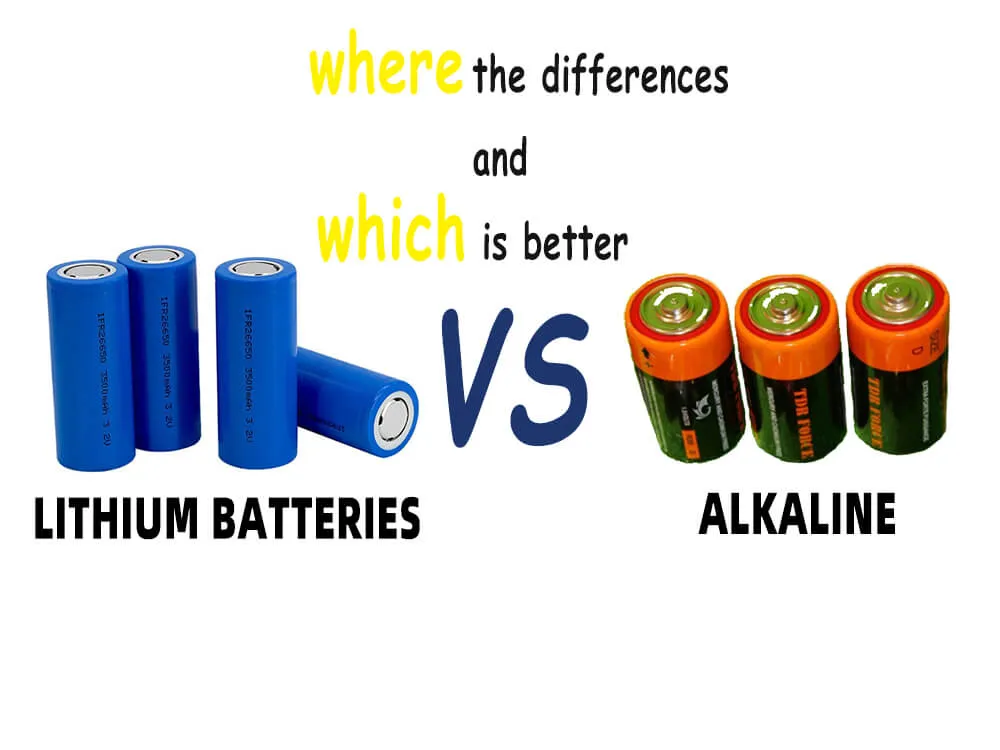
Lithium vs alkaline batteries
Why Lithium Batteries Can Be Dangerous?
Lithium batteries are dangerous because they store a large amount of energy in a small space. Errors like overcharging, impact, or excessive heat can cause the internal chemical reactions to become unstable, putting lithium batteries at risk. If this condition is not treated right away, it may result in excessive heat or even fire.
In addition to usage, lithium batteries can be dangerous due to poor manufacturing quality. Batteries that are manufactured with poor safety standards or that have manufacturer defects are susceptible to internal short circuits. Environmental elements like high humidity and temperatures can also hasten damage and raise the risk.
The danger of lithium batteries stems primarily from a combination of reactive chemicals, high energy, and uncontrolled environmental conditions. Thus, it is essential to know how to use and store them correctly to guarantee that this technology is safe to use without sacrificing its functionality.
You can also read overcharging battery for more insight
Common Danger of Lithium Batteries
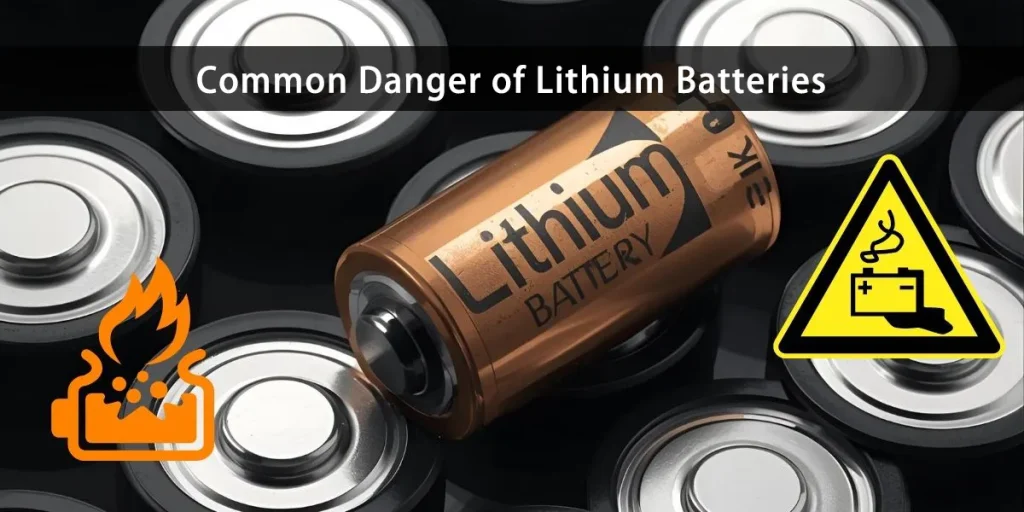
- Overheating: this occurs when the battery is exposed to high temperatures or is charged for an extended period of time. Overheating can set off a series of chemical reactions, potentially resulting in a fire.
- Short circuit: This can result in an extremely high surge in electrical current. This is one of the primaries causes the dangers of lithium batteries, which frequently results in an explosion.
- Physical damage: batteries that are punctured, dropped, or crushed by heavy objects can harm the separator layer within. When this occurs, chemical reactions become uncontrollable, posing a risk to lithium batteries.
- Manufacturing defects: Batteries with concealed defects are frequently produced by companies that do not adhere to safety regulations. Even when used properly, this condition makes lithium batteries more dangerous.
- Poor quality chargers: Inappropriate charger use may result in power imbalance or overcharging. This habit hastens damage and increases the risk of lithium batteries in the long run.
Warning Signs You Should Not Ignore
Early warning signs of danger in lithium batteries frequently appear before more serious issues arise, but many users are unaware of them. In fact, identifying minor symptoms early on can help to avoid major risks like fire or explosion. Here are some signs that should not be ignored:
- The battery heats up quickly even when used normally.
Excessive heat can indicate unstable chemical reactions inside the battery, and it is one of the primary causes of lithium battery failure. - The battery surface bulges or changes shape.
This indicates gas pressure within the battery cell. It may result in leaks or minor explosions if unchecked. - There is a strange smell, like burning plastic.
This strong smell may be the result of electrolyte that is beginning to degrade, which is a common warning indication of lithium battery danger that needs to be addressed immediately. - Discoloration or stains appear around the battery.
Blackening or liquid stains indicate electrolyte leakage. This situation is extremely dangerous because the substance is corrosive. - The battery makes a hissing or crackling sound.
This sound is a warning sign of a dangerous lithium battery: the release of gas as a result of an uncontrollable chemical reaction.
If any of the warning signs listed above appear, stop using the battery and keep it away from heat sources. Small actions like this can avert big dangers and guarantee the security of the device and its users.
How to Handle Lithium Batteries Safely?
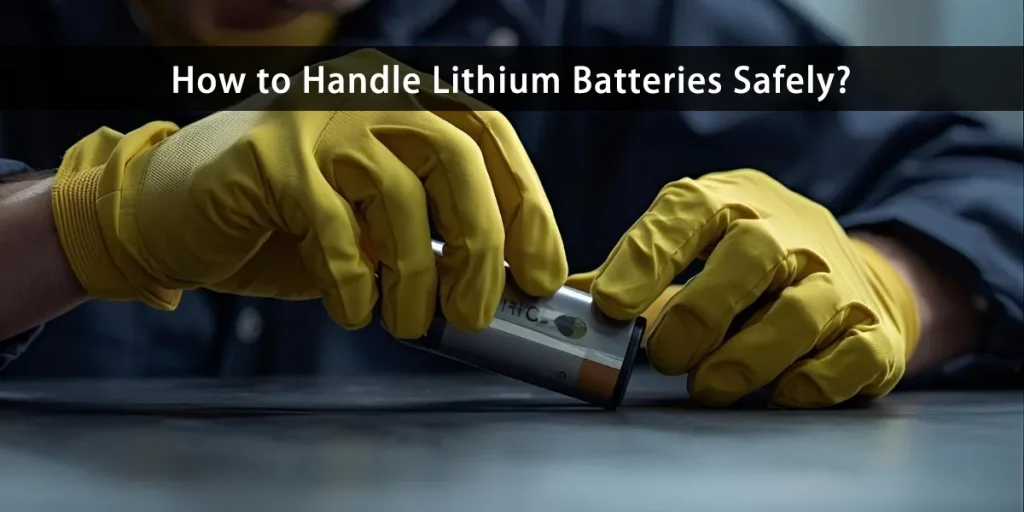
- Use an original charger that meets the specifications: using a fake charger can result in overcharging, which raises the risk of lithium battery damage because the electric current is unpredictable.
- Avoid direct exposure to heat: do not expose the battery to direct sunlight for an extended period of time, or place it near heat sources like stoves or car dashboards. Chemical reactions within the battery cells can be accelerated by high temperatures.
- Store in a cool, dry place: high humidity can damage the battery’s internal structure. Storing it in a well-ventilated area can help to avoid the dangers of condensation on lithium batteries.
- Do not drop or press the battery: hard impacts can damage the internal protective layer, resulting in a short circuit, which is one of the primary causes of lithium battery hazards.
- Remove the battery if the device is not used for a long time: improper storage can cause the battery to leak or degrade in performance, increasing the risk when used again.
Simple habits like those listed above can significantly reduce the risk of lithium batteries while maintaining convenience. Every time you charge, store, or dispose of batteries, awareness and good practices are crucial.
Recycling and Disposal: The Often-Overlooked Risk
One aspect that is frequently overlooked when discussing the danger of lithium batteries is how to dispose of and recycle them. Because they are no longer in use, many people believe that used batteries are safe, but in reality, this is when the biggest risk can occur.
If lithium batteries are discarded carelessly in regular trash cans, they can break or leak due to pressure and heat at the disposal site. Sparks and even large fires can result from the chemical reactions inside, which is a real example of the risks associated with lithium batteries that are frequently overlooked.
Furthermore, heavy metals and chemicals found in batteries can contaminate soil and water if not properly managed. As a result, it is critical to always dispose of batteries at designated recycling facilities or drop boxes provided by electronics stores and service centers. This small action shields the environment from long-term harm while also assisting in lowering the risk associated with lithium batteries.
Conclusion
In conclusion, even though lithium batteries have greatly advanced modern life-from laptops and cell phones to electric vehicles-we must not overlook their possible dangers. The danger of lithium batteries is caused not only by manufacturing flaws, but also by improper use, storage, and disposal.
Awareness is critical in addressing these risks. Understanding how lithium battery dangers can arise allows every user to take simple precautions, such as using the appropriate charger, avoiding extreme temperatures, and disposing of batteries at official recycling centers.
With the proper knowledge, we can continue to reap the many benefits of this technology while protecting our personal safety and the environment.
FAQS
Is it safe to store lithium batteries in the house?
Yes, storing lithium batteries at home is generally safe if done correctly. Keep them in a cool, dry place and away from direct sunlight or heat sources. Improper storage can increase the danger of lithium batteries, so handling them with care is essential.
Can humidity affect lithium batteries?
Yes, high humidity can damage the battery’s internal structure and corrode terminals. Over time, this can increase the danger of lithium batteries, potentially causing short circuits or leakage. Storing batteries in a dry, ventilated area helps reduce these risks.
Can lithium batteries be exposed to rain?
No. Exposure to water can lead to internal short circuits or chemical reactions, increasing the danger of lithium batteries such as fire or explosions. If a battery gets wet, stop using it and dispose of it properly at a certified recycling center.