Skip to content
Do Portable Chargers Have Lithium Batteries? Here Is Everything You Need to Know
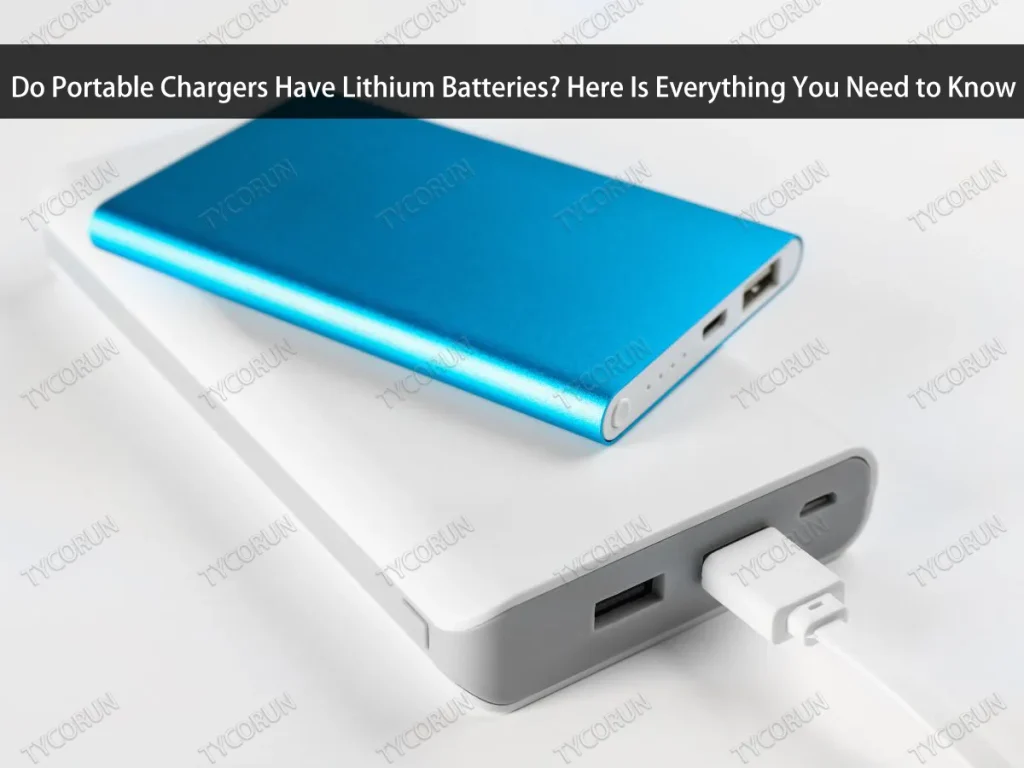
Many people, particularly those who regularly use smartphones, tablets, or other electronic devices, now carry portable chargers with them everywhere they go. The device ensures that your devices are always charged, whether you are traveling long distances or spending the entire day away from the office. No wonder many people ask: do portable chargers have lithium batteries?
Actually, the answer is: almost all modern portable chargers use lithium ion battery. This kind of battery is perfect for portable devices because of its large capacity, quick charging, and lightweight design. Understanding the technology underlying portable chargers will help us better comprehend how effectively these devices store and distribute energy.


What Is Inside a Portable Charger?
Portable chargers appear simple on the outside, but inside, they contain several critical components that work together to store and distribute energy. Since the battery stores electrical power, it is obviously the most important component. Many people ask; do portable chargers have lithium batteries? and the answer is almost always yes. Most modern portable chargers use lithium-based batteries, either li ion or li polymer battery, because they have a high capacity, are lightweight, and efficient.
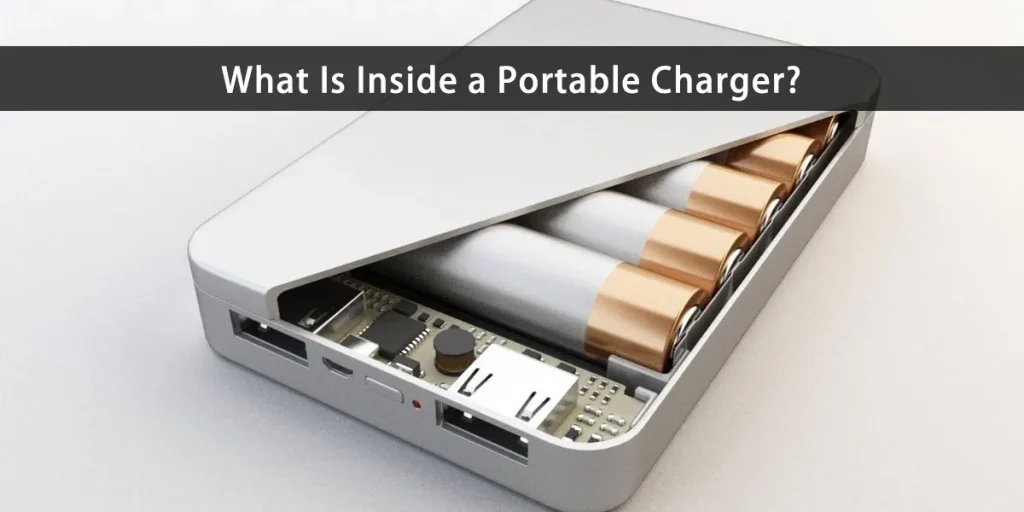
In addition to the battery, a safety circuit controls the flow of electricity. This circuit ensures that the battery charges safely, preventing overcharging, overheating, and short circuits that could harm the device. While the output port distributes energy to smartphones, tablets, and other devices, the input port enables the internal battery to be recharged from a power source. All of these components are enclosed in a protective casing to ensure the device’s safety and portability.
To put it simply, the lithium battery starts to safely charge our device by supplying power through the circuit and output port when we press a button or plug in a cable.
Do Portable Chargers Have Lithium Batteries?
Almost all portable chargers on the market today use lithium-ion batteries. Therefore, the answer to the question, “Do portable chargers have lithium batteries?” is nearly always in the affirmative. For a number of reasons, lithium batteries-both lithium-ion and lithium-polymer-have established themselves as the industry standard and are perfect for portable electronics.
First, lithium batteries have a high energy density, which allows them to store more power in a small and lightweight package. This preserves the charging capacity of portable chargers while making them small and lightweight. Second, lithium batteries have a long battery life and a fast rate of recharge, which is obviously crucial for users who depend on their devices all day.
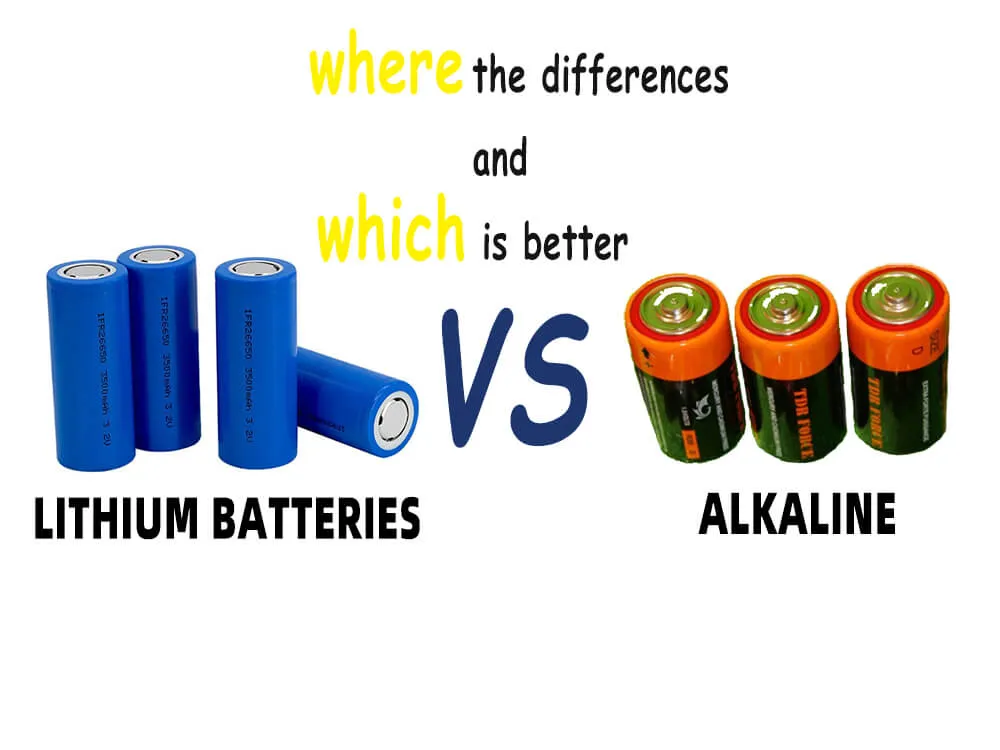
Furthermore, compared to other battery types like NiMH or alkaline, lithium batteries are more resilient. In other words, when people inquire about the long-term quality and functionality of their portable chargers, they are also asking if portable chargers contain lithium batteries. Portable chargers with lithium batteries are more dependable and efficient for daily use.
Why Lithium Batteries Are the Industry Standard?
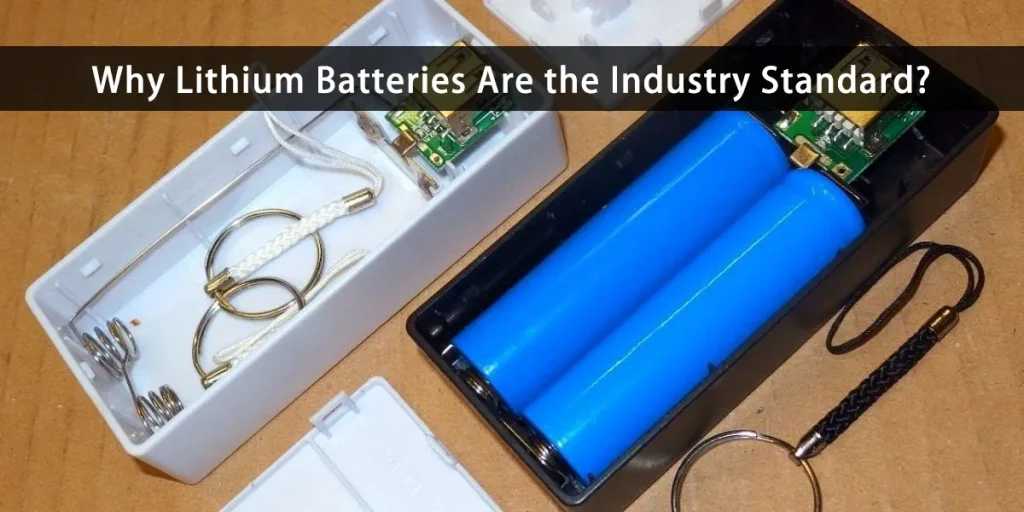
Lithium batteries’ high energy density is a major factor in their status as the industry standard. As a result, portable chargers are convenient to carry around because these batteries can store more power in a comparatively small and lightweight package. Users do not need to replace their portable chargers frequently because lithium batteries have a long service life and can hold their capacity even after repeated use.
The rate of charging is another crucial element. For users who require immediate power, lithium batteries’ ability to recharge more quickly than conventional batteries are unquestionably advantageous. These elements clarify why this kind of battery is consistently the best option due to its dependability and steady performance in addition to its efficiency.
Lithium-Ion vs Lithium-Polymer: What Is the Difference?
Do portable chargers have lithium batteries? Actually, lithium-ion and lithium-polymer batteries are the two most popular varieties of lithium batteries, as you may have heard. Although they may sound similar at first, there are a number of significant differences that impact the portable charger’s functionality and appearance.
Lithium-ion batteries are renowned for their remarkable efficiency and large energy capacity. This kind of battery is appropriate for high-capacity portable chargers because it can store a lot of power in a small package. To reduce the chance of overheating, these batteries need extra safety measures because they are relatively heat-sensitive.
Meanwhile, lithium polymer provides a more flexible shape and lighter weight. This kind is typically utilized for modern, slim portable chargers. Because of its more compact and leak-proof structure, lithium-polymer offers stability and safety benefits despite having a slightly lower energy capacity.
As a result, the answer to the question of whether portable chargers use lithium batteries is more complicated than just saying “yes.” Though they are separated into lithium-ion and lithium-polymer types, each of which has unique benefits and is suited to the needs of the user, portable chargers do use lithium-based batteries.
You can read these articles for more insight:
Signs of Battery Degradation in Portable Chargers
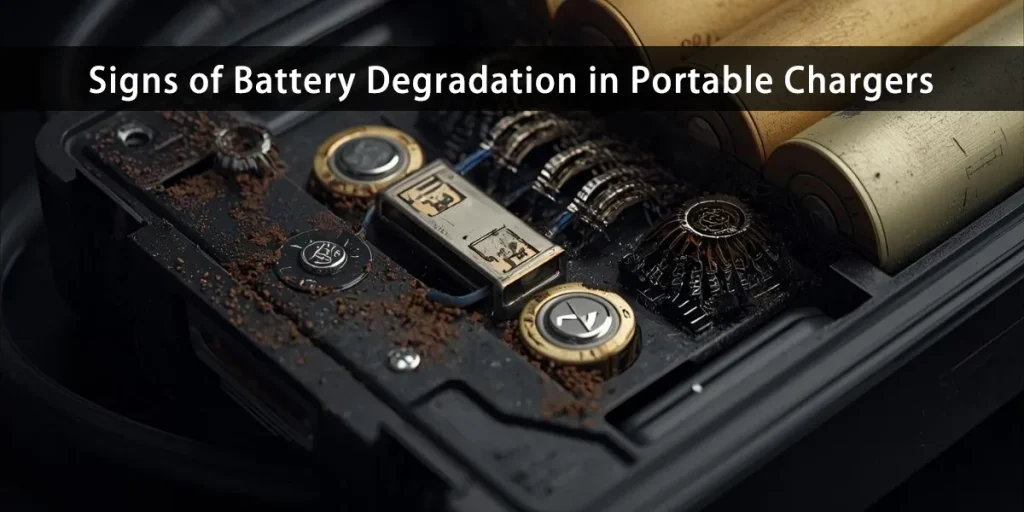
- Drastic reduction in capacity: the lithium battery inside your portable charger may have lost some of its capacity to store power if it can now only fully charge one device instead of the two it once could.
- Longer charging time: when charging the portable charger or other devices, a longer charging time is a typical indicator that a lithium battery is beginning to degrade.
- Excessive heat when in use: while operating, portable chargers may get a little warm, but if the temperature feels higher than normal, the lithium battery cells may be degrading internally.
- Unstable performance: portable charger occasionally has unexpected shutdowns or inaccurate power indicators. This might indicate that the internal battery components aren’t functioning correctly anymore.
Recognizing these signs is important, especially if you want to extend the life of the lithium battery in your portable charger. Understanding how the lithium battery in your portable charger works, you can be more alert to the early signs of performance decline before it completely fails.
How to Take Care of Your Portable Charger
After discovering the answer to the question: do portable chargers have lithium batteries? Understanding how to take good care of lithium batteries is crucial. Lithium batteries are used in practically all contemporary portable chargers, so how you handle them will have a big impact on how long they last and function. Here are a few easy yet efficient ways to maintain the longevity and usability of your portable charger:
- Avoid charging to 100% continuously: when charged to about 80 – 90%, lithium batteries have a longer lifespan. Continuous full charging can speed up the degradation process.
- Keep away from extreme temperatures: the biggest threat to lithium batteries is heat. Avoid leaving your portable charger in the sun or in your car; instead, keep it somewhere cool and dry.
- Use high-quality cables and adapters: lithium batteries power portable chargers, so a steady electrical current is necessary for the charging process. Internal circuits may be damaged or overheated by subpar cables.
- Recharge before it is completely empty: do not allow the portable chargers’ battery to run out completely. Recharging it when the capacity is between 20 and 30 percent is ideal.
- Store it half-charged if not used for a long time: charge the portable charger to roughly 50% if it won’t be used for weeks. This preserves the internal lithium battery’s health.
Conclusion
It can be concluded, the answer to the question do portable chargers have lithium batteries? Is clear: almost all modern portable chargers use lithium-based technology. These batteries, whether lithium-ion or lithium-polymer, are selected due to their ability to combine durability, light weight, and high energy density.
Understanding how these batteries work allows users to see why lithium has become the industry standard. However, you can greatly increase the lifespan of your portable charger by learning how to take care of it and recognizing the symptoms of battery deterioration.
FAQS
Are There Non-Lithium Alternatives?
Yes, but they are quite limited. Some battery types like nickel-metal hydride (NiMH) or alkaline can technically be used, but they are heavier, store less energy, and take longer to recharge. Because of these drawbacks, most manufacturers prefer lithium batteries for portable chargers, as they’re more efficient and practical for everyday use.
Can lithium portable chargers explode?
While it is technically possible, it is very rare with modern devices. Portable chargers today come with built-in protection circuits that prevent overcharging, overheating, or short circuits. As long as you use certified products and avoid exposing them to extreme heat, lithium power banks are very safe to use.
Can I put a portable charger in checked luggage?
No, you should not. Airlines classify lithium batteries as hazardous materials, so portable chargers must be carried in hand luggage. This allows cabin crew to respond quickly in the unlikely event of a malfunction. Always check your airline’s specific rules, but in general, power banks are not allowed in checked baggage.