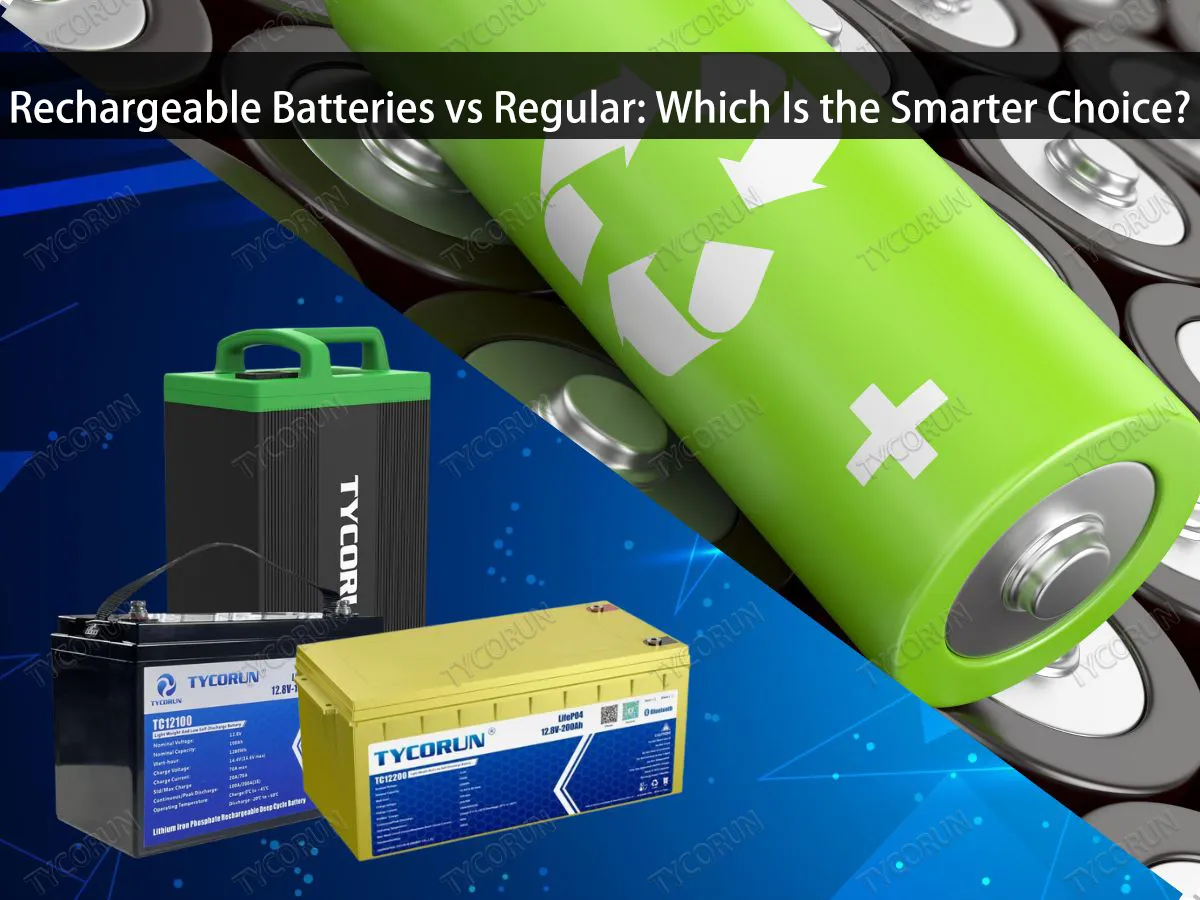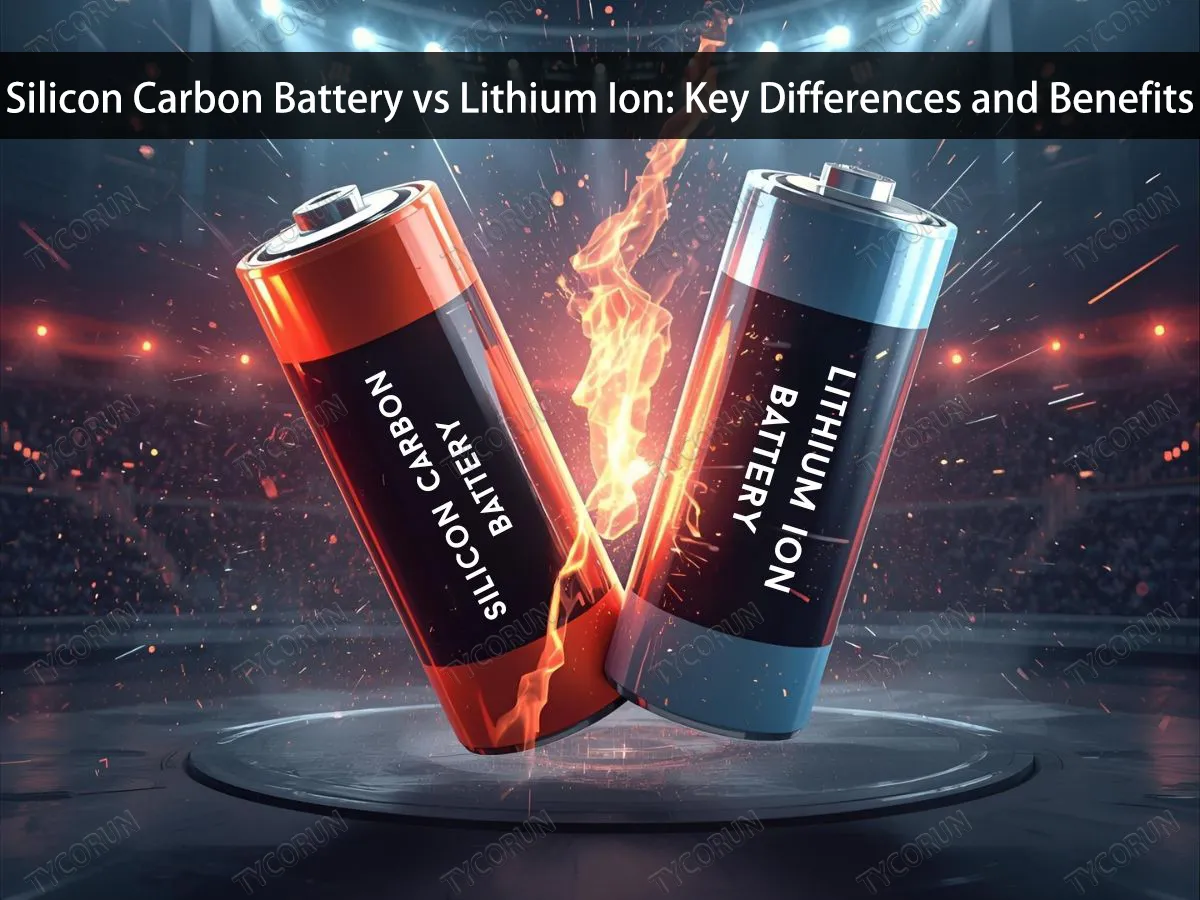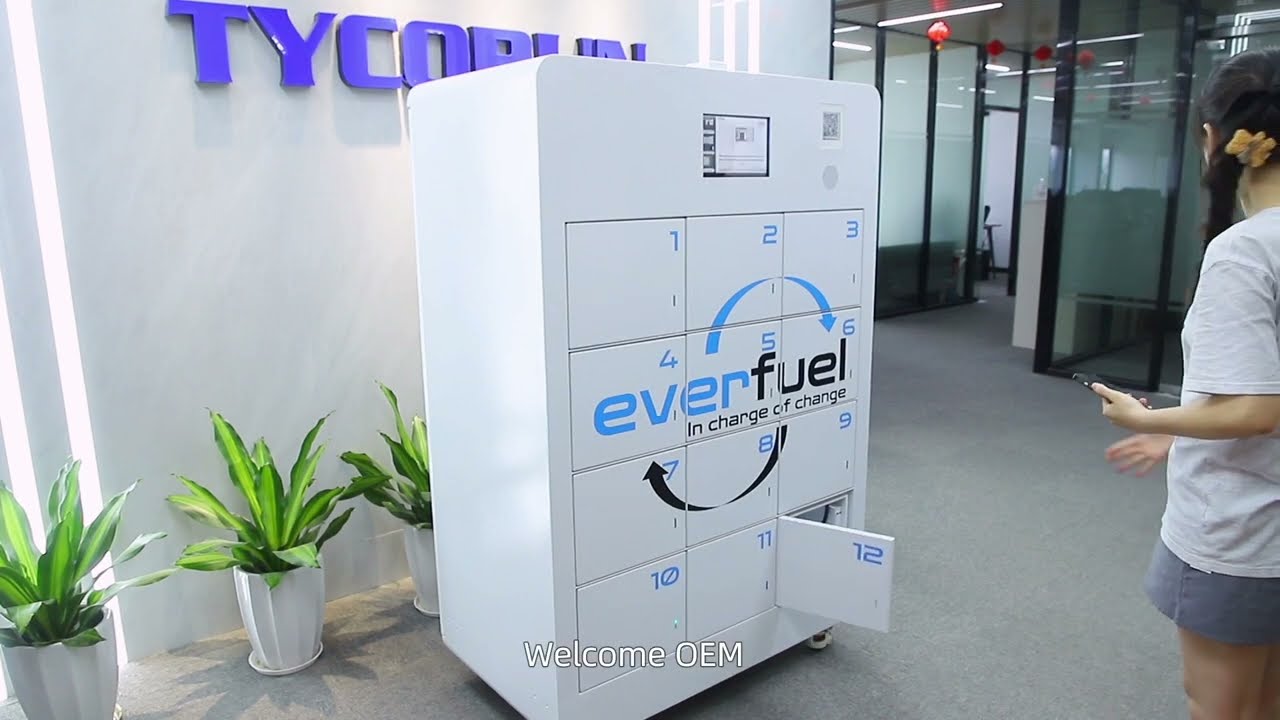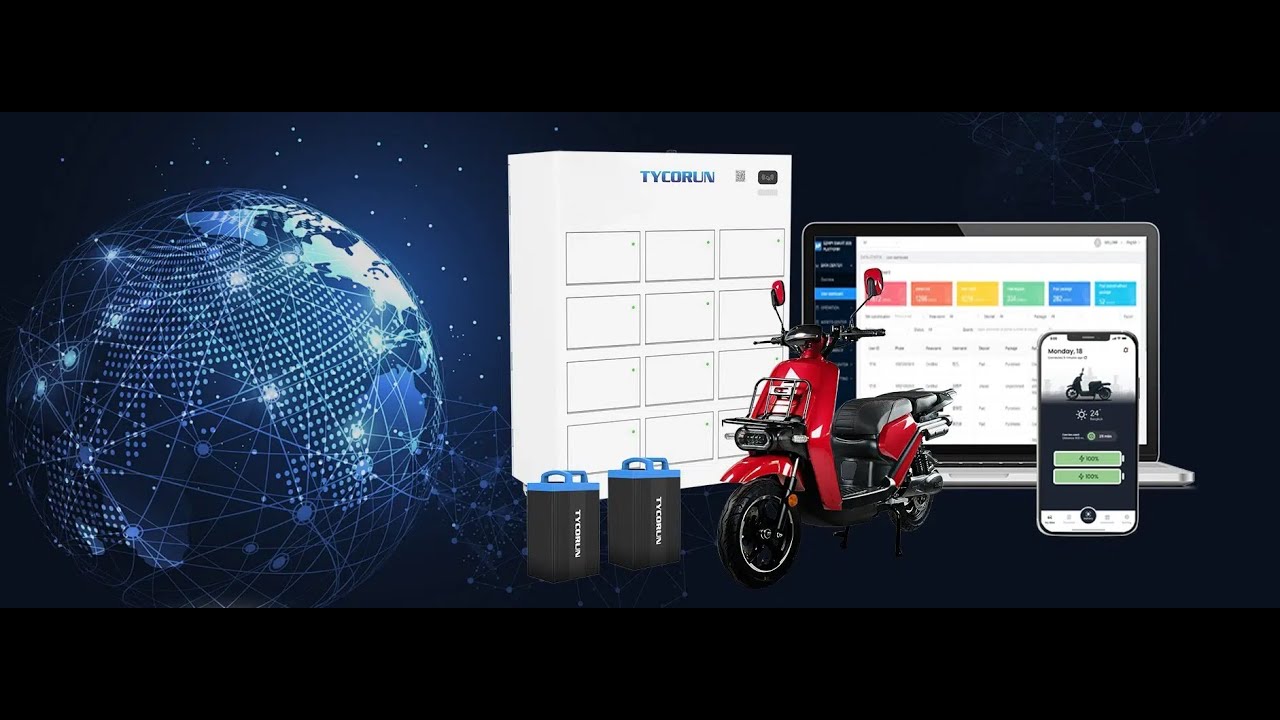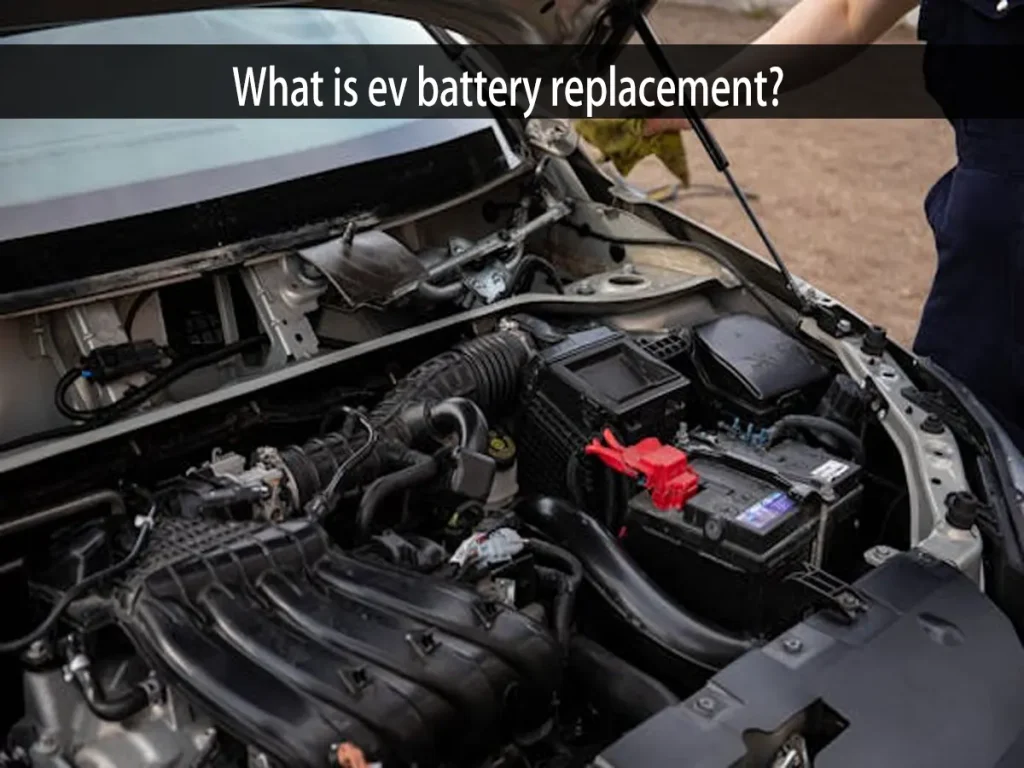

Battery Electric Vehicles (BEVs) and Hybrid Electric Vehicles (HEVs/PHEVs) typically use the following four types of EV batteries, lithium-ion, nickel-metal hydride, lead-acid battery, supercapacitor batteries, and ev solid state battery.
Lithium-ion batteries are the most common type of EV battery and are also found in consumer electronics such as smartphones, tablets, and laptops. Lithium-ion batteries are preferred because of their high energy per mass compared to other batteries. They also offer high power density, high energy efficiency, stable performance at high temperatures and low self-discharge. Lithium-ion batteries are 1/3 the weight of lead-acid batteries, have three times the cycle life and three times the power of lead-acid batteries. Li-ion batteries have an energy density advantage of 140+ Wh/kg.

NiMH batteries have moderate energy density and power performance. It is also used in computers and medical devices. Nickel-metal hydride batteries have a longer service life than lead-acid batteries.
Lead-acid batteries are the oldest battery for electric vehicles. It lead acid batteries are inexpensive, safe and reliable. However, they also suffer from high weight, low energy density, poor performance in cold environments, and short life cycles.
Supercapacitor batteries differ from other electrochemical batteries in that they store a polarized liquid between the electrodes and the electrolyte. The larger the surface area of the liquid, the greater the energy storage capacity.
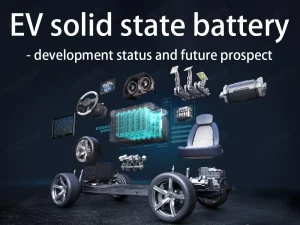
The overall structure of a solid-state battery is very similar to that of a conventional lithium-ion battery, but without the liquid, the density and volume of the battery are greatly reduced. EV solid state battery are discharged and recharged in a similar manner to traditional lithium-ion batteries.
Electric vehicle battery replacement varies by model and battery quality. Some EV battery replacements are typically 3-5 years, while some EV replacements are in the 6 to 8 year range, which is mainly related to the quality of the battery and driving habits. Generally speaking, the frequency of electric car battery failure will increase after 6 years of use, and there will be a decline in range, low storage capacity, slow charging and other problems, so the battery of the electric car needs to be replaced in time after 6 years of use, to avoid some unnecessary trouble because of the car’s battery when driving.
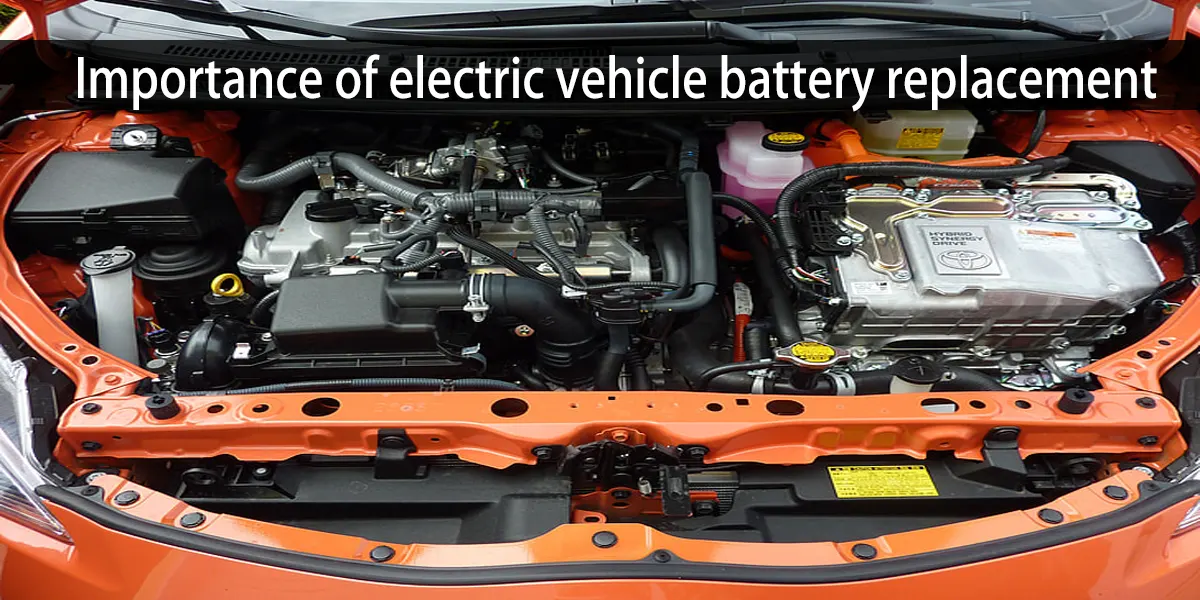
In addition, the battery capacity drops below eighty percent of the initial and the EV battery pack also needs to be replaced. Because the life of the battery pack is related to the nature of the battery, car charger, charger use habits, and environmental factors such as high temperatures. Electric vehicles use lithium batteries, and the service life of lithium batteries is closely related to their frequency of use, use habits, and other factors.
The process of ev battery replacement is as follows.
Prepare the toolbox and the corresponding type of battery, lower the left front door window, turn off all the electrical appliances, pull out the key and place it on the dashboard.
Use a detector to check the old battery, confirm that the battery is no longer usable, and then dismantle the battery.
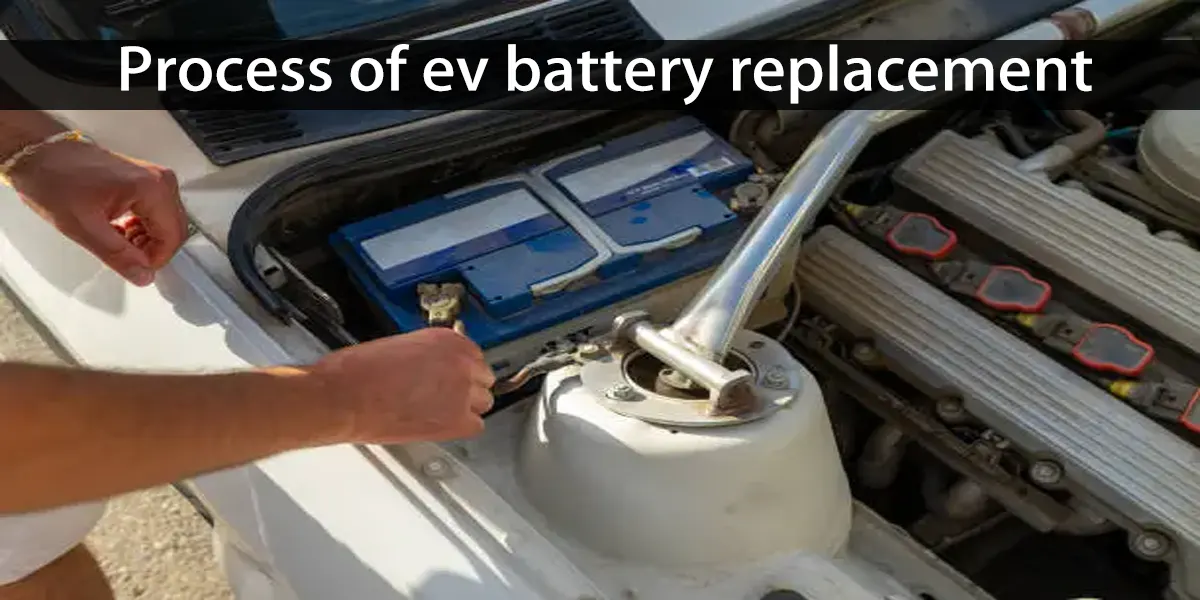
In order to prevent vehicle scratches, fender shroud measures; first remove the negative battery, then remove the positive terminal, solid seat bottom, slowly remove the old battery.
Check again whether the model is the same, cover the dust cover, clean the contact surface of the pile head and the bottom, and put in the new battery.
Fix the battery in the order of connecting the positive terminal first, then connecting the negative terminal and fixing the bottom, and use petroleum jelly to apply on the position of the post head to avoid oxidization.
With the car, check whether the battery can start normally, with the car to confirm the normal, and then use the detector again to detect whether the battery and generator are operating normally, after confirming that the check is correct, remove the protective measures for the body, close the engine compartment or luggage compartment cover, the battery installation is complete.
There are basically two factors affecting the replacement cost of electric vehicle batteries.
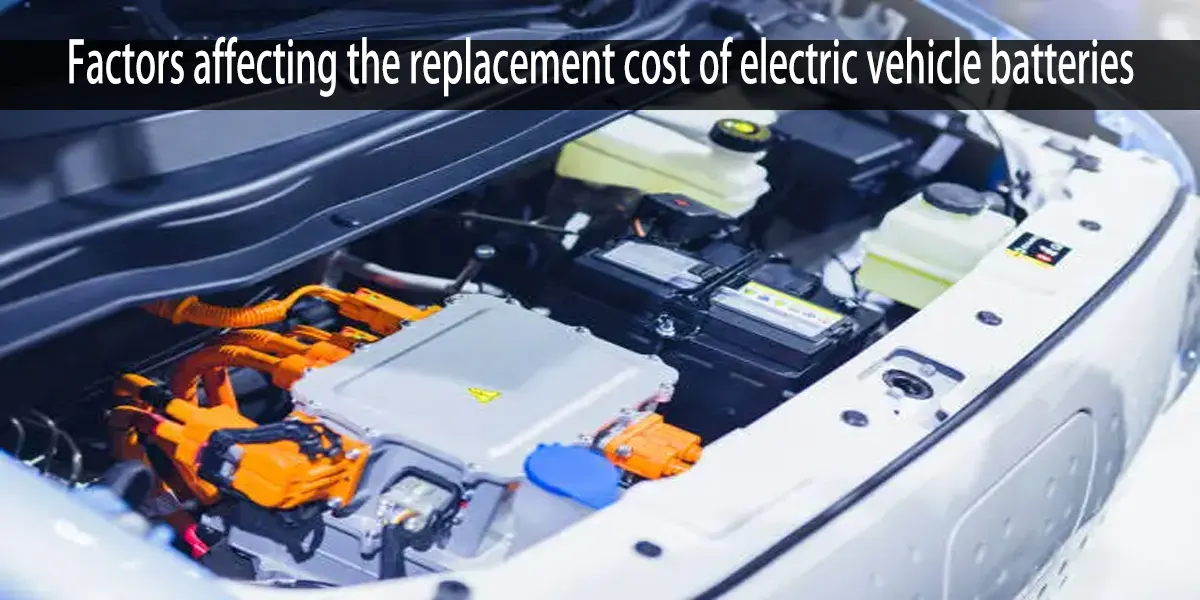
Technical cost is the main reason
Power battery is the most core component of new energy vehicles, involving chemistry, materials, thermal management and other technical fields. Taking lithium iron phosphate battery as an example, the core raw materials such as cathode materials, diaphragm, electrolyte and so on occupy more than 60% of the cost.
Industry chain factors
Raw material price fluctuations, production process requirements, R & D investment and other factors will affect the battery cost. Take nickel-cobalt-manganese ternary batteries as an example, the price of nickel, cobalt and other metals has risen in the past two years, which directly pushes up the battery cost.
According to a recent report by Goldman Sachs, it is predicted that by 2026, the cost of electric vehicle batteries will drop by nearly 50%, and the price is expected to fall from $149/kWh in 2023 to $80/kWh. By 2030, that figure could drop to $60/kWh. The cost reductions, combined with energy density breakthroughs and smarter production methods, are driving the popularity of electric vehicles to levels previously thought impossible. 
Factors driving down the cost of electric vehicle batteries
First, technological innovation. A number of new battery products have been introduced, with about 30% higher energy density and lower costs,. The second driver is the continued decline in battery-related metal prices. About 60% of the battery cost comes from metals such as lithium and cobalt. About 40% of the drop has come from falling raw material costs alone.