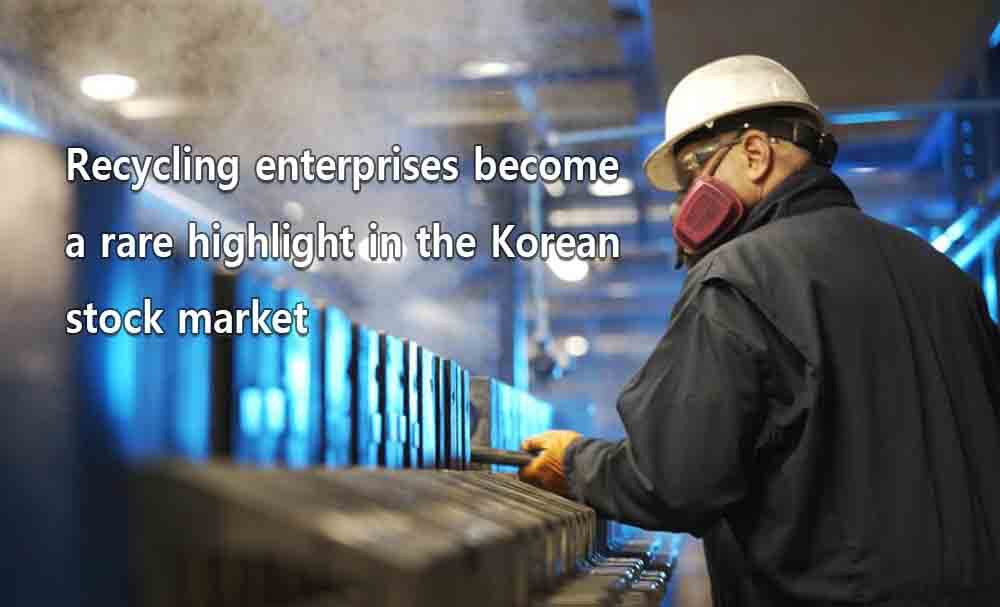
Recycling enterprises become a rare highlight in the Korean stock market
In addition, the Zhongzhou factory of W-SCOPE, the second largest battery diaphragm manufacturer in South Korea, is scheduled to be listed at the end of September. South Korea is home to three of the world’s top ten battery manufacturers: LG, Samsung SDI and SK On.
The video comes from the network. Please contact us in case of infringement
Relevant recycling enterprises in Korea can easily obtain waste from battery manufacturing industry and find customers who buy these recycled materials. As battery manufacturers are eager to reduce risks in obtaining key materials, battery recycling is becoming more important in terms of energy security.
The report pointed out that, as auto manufacturers accelerate their transformation to more environmentally friendly cars, for investors, recycling enterprises have become a rare bright spot in the Korean stock market. Investors are betting on the growth potential of these recycling companies, as metal prices are soaring again against the backdrop of strong sales of electric vehicles.
The shares of SungEel HiTech and Sebit Chem were oversubscribed, with the subscription rate exceeding that of LG, the world’s second largest electric vehicle battery manufacturer. In January this year, LG conducted the largest initial public offering (IPO) in South Korea, raising 12.8 trillion won (about 9.8 billion US dollars).
Founded in 2000, SungEel HiTech has developed recycling technology based on a large number of second-hand portable electronic equipment, and has become one of the most advanced enterprises in the world to recycle old and defective lithium batteries. The company currently recycles batteries from major Korean car manufacturers and battery manufacturers.
According to the report, the company plans to triple its processing capacity by 2024 with the funds raised from the IPO. At present, SungEel HiTech has 9 recycling plants in the world, including 3 in South Korea and the rest in India, Malaysia and Eastern Europe.
Industry insiders said that as (environmental, social and corporate governance) became more important, the demand for battery recycling was growing rapidly. This year, the company needs to build a new factory to meet the surging demand.
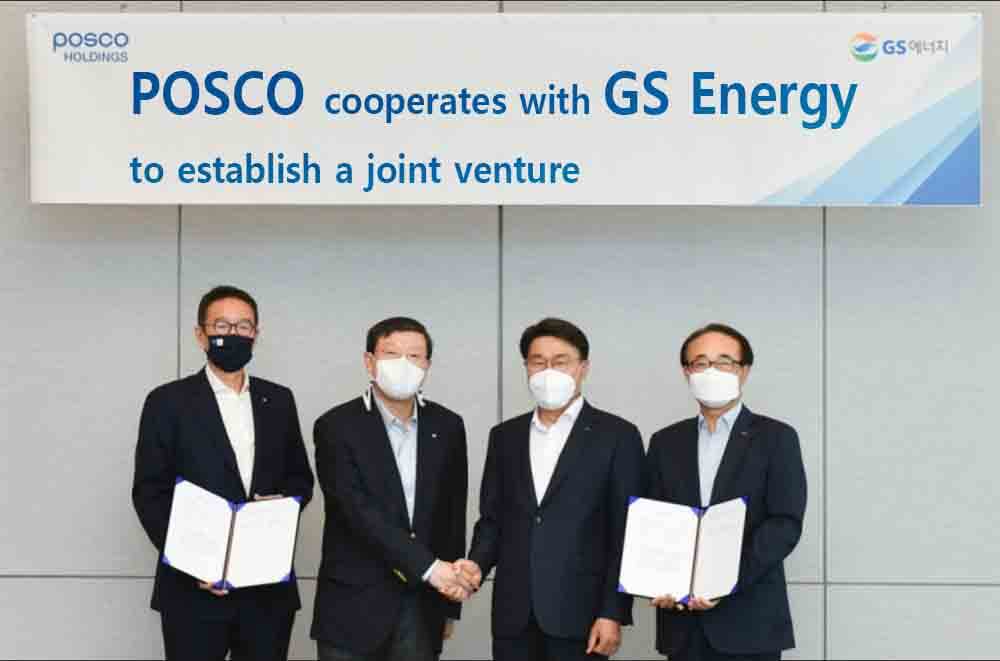
POSCO cooperates with GS Energy to establish a joint venture
According to media reports, POSCO, a Korean steel manufacturer, has reached a cooperation with GS Energy, the energy department of GS Group, to extract rare metals from discarded electric vehicle batteries. The two sides will establish a joint venture before the end of 2022, with a total investment of about 170 billion won.
POSCO will hold 51% of the shares of the joint venture and GS Energy will hold the remaining shares. POSCO hopes to achieve good cooperation with GS Group not only in obtaining stable waste batteries, but also in establishing a new industrial ecosystem related to secondary battery recycling.
It is predicted that with the mandatory use of recycled raw materials in Europe from 2030, the battery recycling market will grow. However, lithium-ion battery driven vehicles have just entered the global mass market, so battery manufacturers are developing technologies to recycle electric vehicle battery packs.
When the service life is reached, the battery pack can be collected, disassembled and shredded to produce black matter, which contains a large amount of lithium, manganese, cobalt and nickel metal, so key materials can be extracted from it and reused in the production of new batteries.
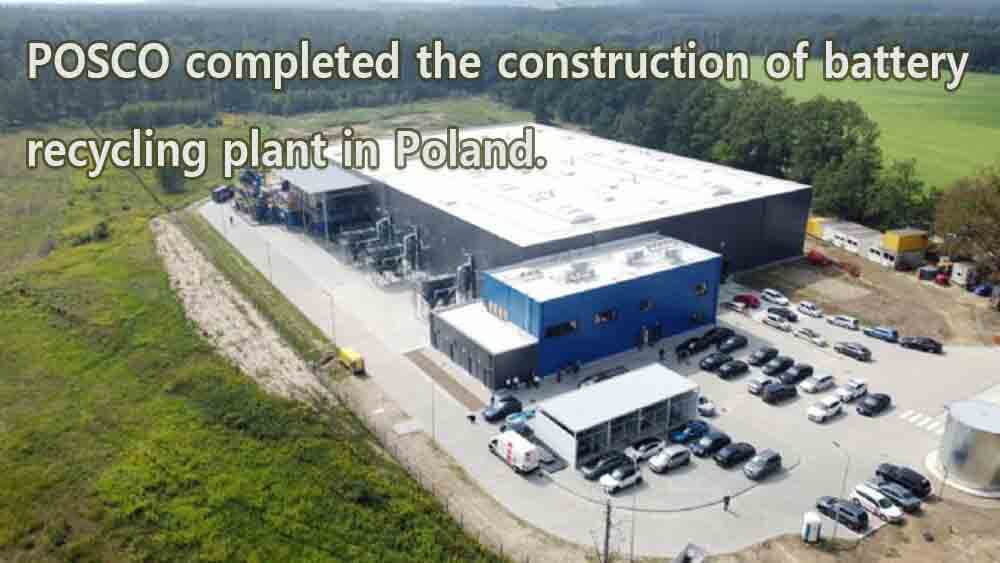
POSCO completed the construction of battery recycling plant in Poland
In August this year, POSCO completed the construction of a battery recycling plant in Poland. The plant will crush waste batteries and waste materials collected in Europe to produce waste materials, also known as black matter. This black material will be supplied to POSCO and POSCO HY Clean Metal.
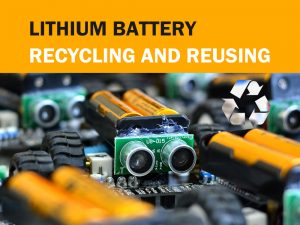
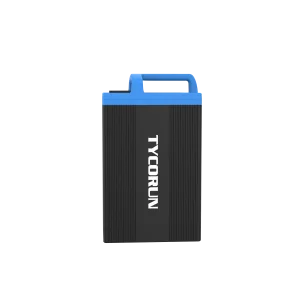
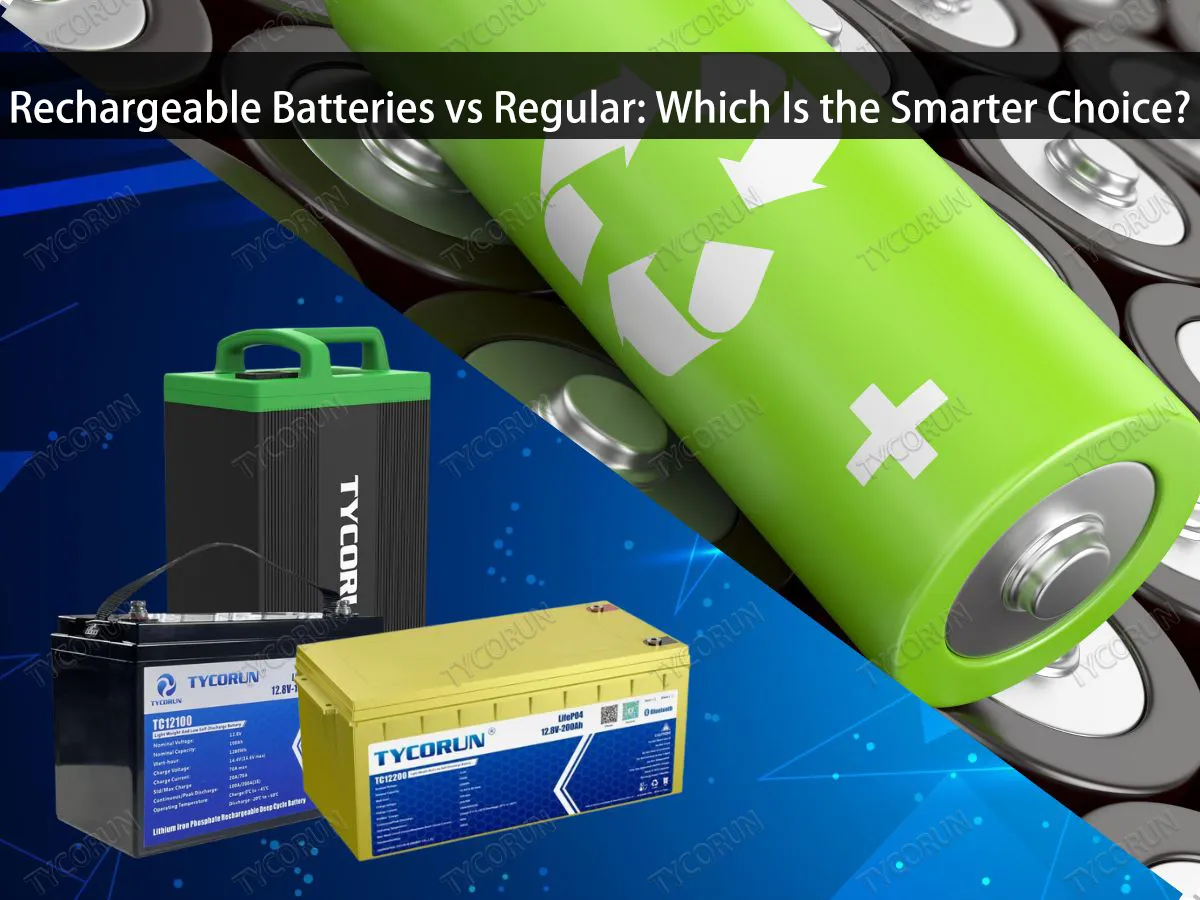
Secondary batteries, also known as rechargeable batteries, including lithium-ion batteries like 12v 100ah lithium ion battery, have become a key industry in shaping the future of renewable energy. Waste lithium ion batteries with large capacity can be decomposed into black materials with high sustainable value. This black material contains large amounts of lithium, manganese, cobalt and nickel metals, which can be extracted and used again to produce new batteries.
Battery recycling can reintroduce key metals such as nickel, cobalt, copper and lithium into the battery supply chain, reduce dependence on raw materials from mines, thus alleviating potential supply shortages and reducing the price of these metals. The waste to be recycled can come from the battery production process and waste batteries.
Korean battery recycling companies will gradually expand their global business scale
With the rising price of power battery raw materials, the economic value of battery recycling has increased significantly. From last year to this year, the prices of upstream battery materials, including lithium carbonate, cobalt and nickel, have increased significantly, and lithium carbonate has increased 10 times, highlighting the greater value of battery recycling.
In China, it is estimated that the market value of nickel, cobalt, manganese, lithium and other metals will exceed 40 billion RMB from 2021-2025. As the production and sales of new energy vehicles continue to hit new highs, the contradiction between supply and demand of raw materials has become increasingly prominent.
It is predicted that the global electric vehicle battery recycling market will increase to 21 trillion won in 2030. And the market size in 2020 will be only 400 billion won. This expected growth was supported by the actions of the European Union and the United States. When it is difficult for China’s mining projects to obtain permits, the European Union and the United States have taken strong legislative measures to support recycling to ensure the supply of strategic minerals.
 Korean battery manufacturers are preparing to benefit from the incentives contained in the US President Biden’s Inflation Reduction Act. According to the law, if a certain amount of raw materials used by an American automobile manufacturer to manufacture electric vehicles come from the United States, its free trade partners or recycling processes, the automobile manufacturer can obtain tax credits for these electric vehicles.
In July this year, SK On and Ford Motor Company established a joint venture to build three battery plants in the United States. In May this year, Hyundai Motor Corporation announced that it would invest 5.5 billion dollars to build its first specialized electric vehicle factory and battery manufacturing facility in Georgia, USA.
Earlier this year, LG and General Motors announced an investment of $2.6 billion to build the third joint venture factory in Michigan. Industry insiders predict that Korean battery recycling enterprises will gradually expand their global business scale to be closer to the factories of battery manufacturers like powerwall manufacturers in the West.