Skip to content

Opportunities in the South African household energy storage market
South Africa is facing a severe power crisis, with frequent outages of up to 10 hours, making backup power a household necessity.
The South African energy storage market is growing rapidly, and Chinese energy storage companies have also set their sights on this emerging market.
In this article, we will explore the potential of the home energy storage market in South Africa, the competition among manufacturers, and the main application scenarios for energy storage systems in the region.
Table of Contents
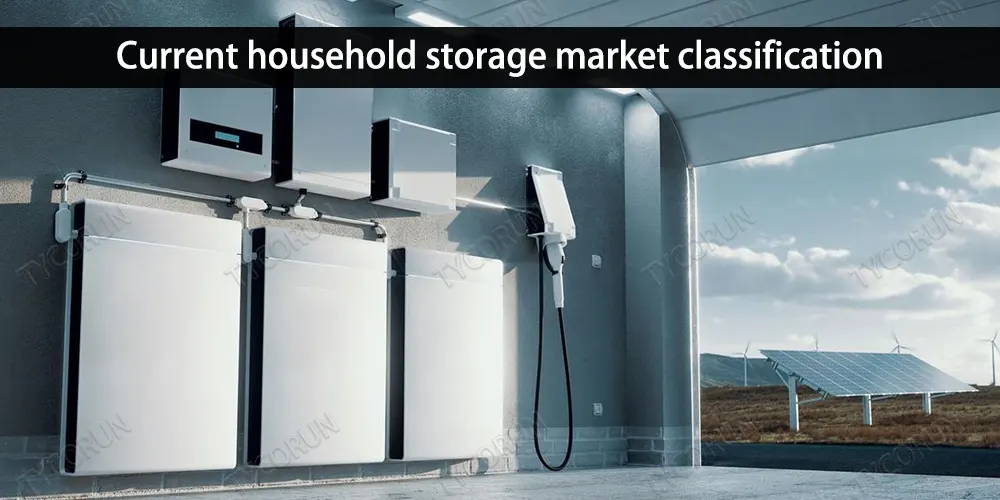
Current household storage market classification
At present, the household storage market is mainly divided into two categories.
The first category is regions with high electricity prices represented by Europe and the United States.
The main purpose of installing household solar storage in households is to realize the economy of electricity consumption. Last year, the European household storage market exploded, and a large number of suppliers flooded into it.
As a result, its market is still in the stage of destocking this year, coupled with factors such as energy and electricity prices falling, and large-scale strikes by workers, the pace of development has slowed down significantly.

The other category is emerging household savings markets represented by Africa, Southeast Asia, and the Middle East.
In these areas, due to the instability of the power grid, the on-off grid switching capability of the inverter directly affects the user experience of residents, and the inconvenience of off-grid power consumption in islands and other places, there is a rigid need for backup power.
For the top 10 powerwall manufacturers in the world, the main market of household storage is in the world, and seeking global development is the only way.
However, in the case of the “great cooling” of household storage in Europe, household storage manufacturers have turned their attention to South Africa, a major African country.
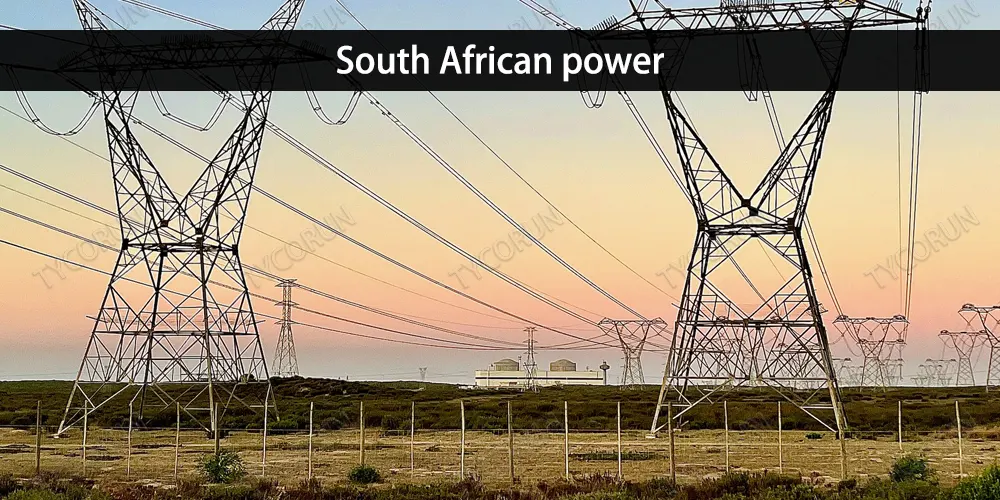
South African power
At present, the South African market mainly relies on diesel generators (referred to as “diesel generators”) and household solar storage to achieve self-use of electricity.
Judging from their respective advantages and disadvantages, the initial investment of diesel generators is relatively small, and there is no need to purchase lithium batteries and inverters.
In addition, most portable diesel generators do not require installation fees, but the later maintenance costs are high and they are not environmentally friendly. Although household optical storage has a large initial investment, it is more environmentally friendly and has a longer warranty period.
It is worth mentioning that the backup time of household optical storage is limited.
Therefore, household storage installers need to pay attention to achieving a reasonable ratio as much as possible through photovoltaic modules, battery capacity, and inverter power when providing energy storage solutions to residential owners.
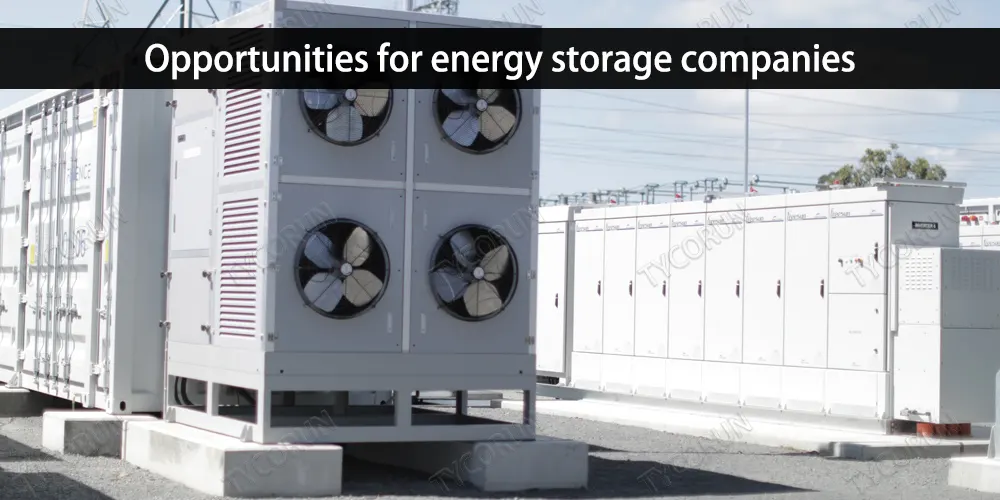
Opportunities for energy storage companies
From a practical point of view, the power grid infrastructure in Africa is poor. According to related reports, the current power shortage in South Africa is very serious, and its national power company (Eskom) has to frequently post warnings about power cuts, and the power outages sometimes last as long as 10 hours.
This is done to prevent the accelerated collapse of aging coal-fired power plants that would bring down the entire power system.
At the same time, in order to alleviate the power crisis and reduce residents’ electricity consumption, the South African government recently announced that it will increase the national electricity price in 2023 and 2024 by 18.56% and 12.74% respectively.
From this point of view, firstly, the lives of South African people are plagued by power cuts, and they just need energy storage; secondly, the government encourages the development of energy storage; thirdly, due to geographical location, South Africa is the country with the largest share of renewable energy power generation in the world.
Multiple factors such as the market, energy, and policies have jointly created broad prospects for the development of the energy storage industry in South Africa.
Challenges for energy storage companies
Different from other markets driven by subsidy policies, the demand for household storage in the South African market comes from backup electricity, a rigid demand that affects people’s livelihood.
It can be confirmed from the overall upward trend of its installed capacity data in recent years, and it is not like the huge fluctuations in demand in the market driven by subsidy policies.
For most household storage companies, South Africa has become a “golden” territory that they have to set foot in. Top 10 energy storage battery companies in China have launched their own batteries and inverters, driving the South African market into a period of rapid development.
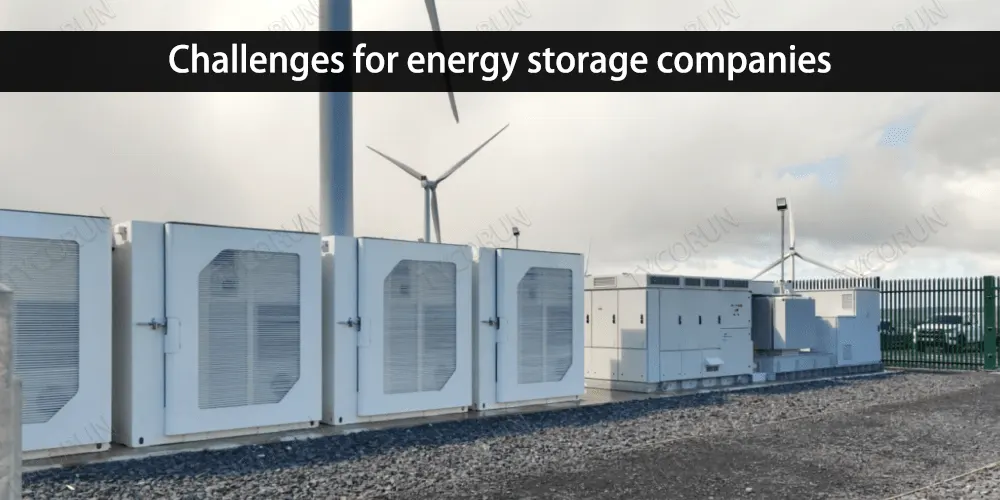
At the same time, there is also a fierce “price war” among household storage manufacturers.
Although end customers in the South African market are more pursuing the ultimate cost performance, if some small and medium-sized manufacturers use B-products or echelon cells to reduce costs to seize the market and disrupt market order, it may bring greater safety hazards.
However, judging from the market situation, South Africa, as an emerging household storage market, has great opportunities for new and old enterprises.
First, the competitive landscape is uncertain, leading companies have great potential, and new energy storage manufacturers can easily compete for a place.
Second, in the initial stage of product introduction, the entry threshold is low, and they can quickly enter the market; Higher acceptance, and it is easier to obtain excess profits when entering the early stage of market development.
Summary
Every market in a different region has its own primary application scenario requirements for the same type of product. For the South African market, the demand for backup power is the first rigid demand, and load shedding must be directly addressed.
In scenarios where frequent power outages occur, the inverter’s on-grid switching capability will affect whether household appliances can run smoothly in the event of grid outages, and is a key indicator that directly affects residents’ experience, including on-grid switching time, off-grid Instantaneous overload capability, off-grid parallel capability, etc.
Moreover, in the African market, the price of a household energy storage system of the same capacity is only half of the price in the European market. How to highlight the ultimate cost performance is the key to winning the next stage of the South African household energy storage market.