Skip to content


 BYD, one of the members of the top 10 power battery companies, released the blade battery in March 2020.
A blade battery refers to a lithium-ion battery cell that is slender and flat like a blade. The interior adopts a lamination process. The cell is directly integrated into the bottom of the battery pack, eliminating the need for a module structure.
The core of the blade battery is a minimalist design, which maximizes the use of the battery pack space and achieves high battery life.
Specifically, the blade battery has a high volume utilization rate, with a volume utilization rate of 75.6%; the cell size is customized, the arrangement direction is flexible, and it can be highly compatible.
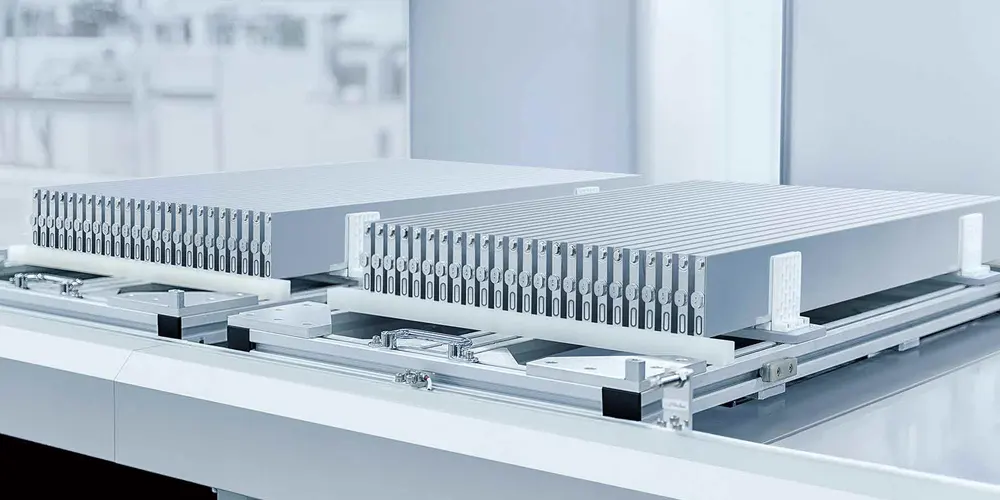
The battery volume energy density exceeds 310 Wh/L, and the maximum cruising range reaches 1000km above; extremely simplified design, increased production efficiency by 60%; reduced parts and components by 45%, and reduced overall cost by more than 30%.
In terms of safety, the blade battery has also successfully passed the “Mount Everest” in the field of battery safety testing – the acupuncture test, and successfully challenged the extreme strength test – the 46-ton heavy truck rolling test.
At present, BYD’s electric vehicles are basically equipped with blade batteries, and many other car companies have also adopted BYD’s blade batteries, such as Toyota and Tesla, which has recently publicly stated that it will purchase.
However, blade batteries also have certain drawbacks. For example, poor discharge performance is prone to occur at low temperatures. At the same time, it is difficult to repair the battery after a collision. If one battery cell has a problem, the rest of the battery cells in series will also be affected.

 The short blade battery is a power battery developed by SVOLT. After years of development, SVOLT has become a force that cannot be ignored in the power battery market. SVOLT’s current outstanding product is the short blade battery.
The battery debuted at the Shanghai Auto Show in April 2019, and the internal codename of the short-blade lithium iron phosphate battery is “L600”.
It is understood that the development time of the short blade battery is similar to that of BYD’s blade battery. The actual size of the honeycomb short knife L600 product that has been mass-produced is 574*21.5*118mm.
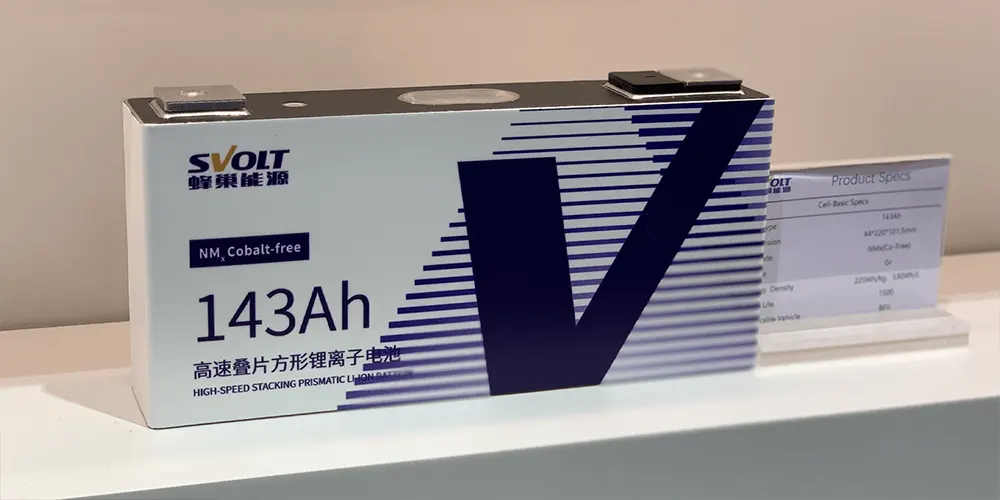
Compared with the traditional square battery, the main advantage of the short blade battery is that the space utilization rate and energy density of the battery pack are greatly improved, and the internal resistance of the battery is reduced.
At the same time, it is convenient for the heat preservation and heat dissipation of the battery, and can achieve the purpose of greatly increasing the cruising range of the electric vehicle and improving the safety performance and life of the battery.
The design of the short blade battery also fully considers the adaptability in the market. Take the L600 battery shown by SVOLT as an example.
Its actual length is actually 574mm, which is a little smaller than the commonly used 590 module in the market. Basically, it can be adapted to quite a lot of electric vehicles without changing the outer envelope.
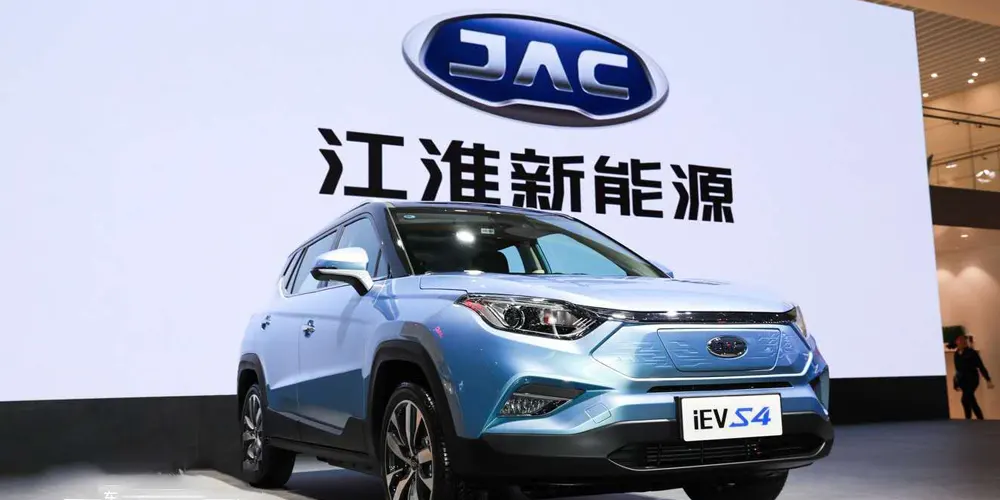 The honeycomb battery is the latest achievement developed by JAC group after 14 years of research and development. It is characterized by safety, all-weather availability and higher energy.
The report of “honeycomb battery” first appeared in March 2020. It is a power lithium battery specially developed for electric vehicles.
The cellular battery uses a 4.8Ah 21700 small cylindrical battery cell, and the high-nickel 811 ternary lithium material first ensures the energy density, which is as high as 240Wh/kg.
Compared with the general power lithium battery, the “honeycomb battery” fully draws on the bionic design of the honeycomb structure. It adopts the design of multiple independent cells and combines them through the structure of the honeycomb.
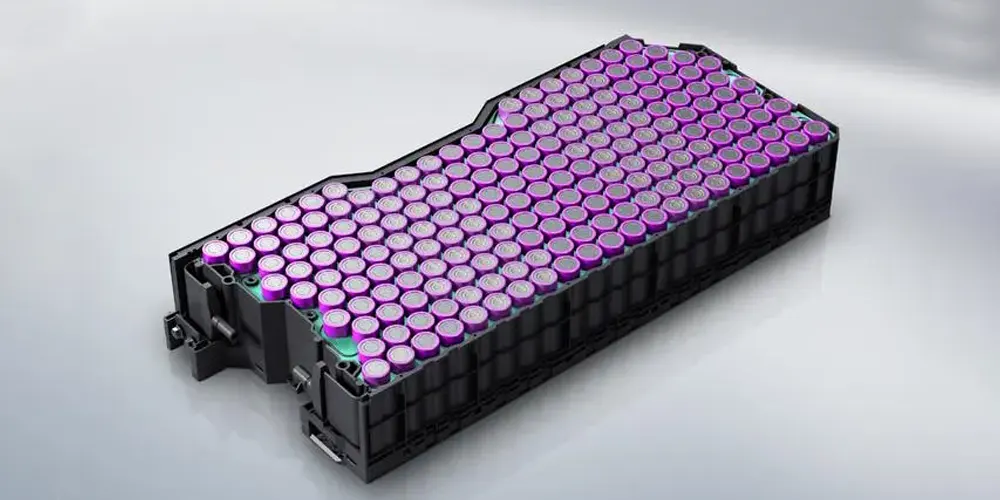
Even if a cell experiences thermal runaway, Because of this structure, the entire battery pack can also be prevented from catching fire, and the safety is higher.
At the same time, because the size of the overall battery cell is smaller, the module structure is more flexible, and the combination of the honeycomb structure greatly improves the maximum energy of the battery pack.
The energy density of the battery is higher than that of the general power lithium battery, and the corresponding battery life Mileage is also higher.
In addition, the cellular battery has also passed extreme safety verifications such as -40~80°C temperature and humidity cycle, 130s fire, 200KN extrusion, and 1m water depth for 12h continuous immersion, with excellent performance.

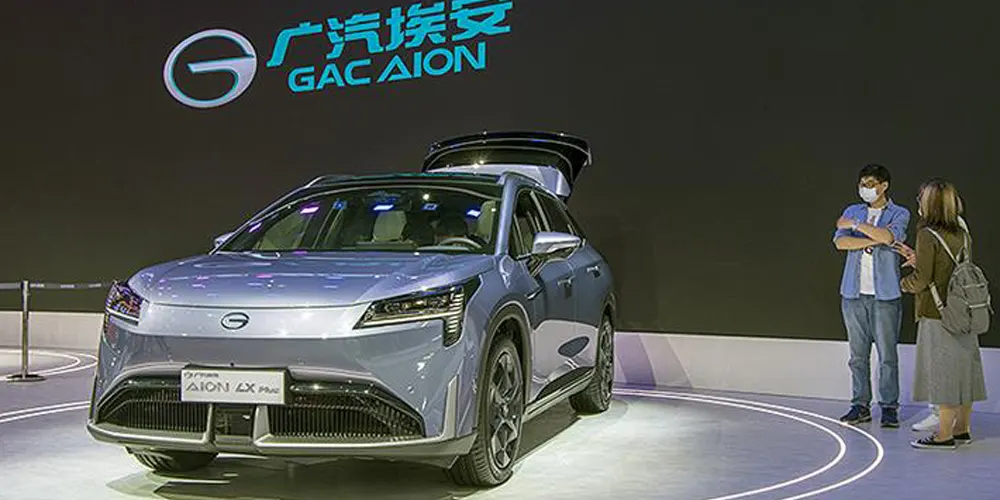 In March 2021, GAC Aian released a new generation of power battery safety technology-magazine battery system safety technology, which can be applied to battery packs made of lithium iron phosphate and ternary lithium.
The reason why it is named as a magazine battery is because each battery cell of the battery pack is protected by a high-temperature resistant shell similar to a magazine.
This “magazine battery” system has four core technologies: ultra-high heat-resistant and stable battery cells, super-insulated battery safety cabin, three-dimensional cooling system, and the fifth-generation battery management system.
For the first time in the industry, the entire pack of ternary lithium batteries has been needle-punched without fire, ensuring the safety of the batteries.
At the same time, the magazine battery system has been fully optimized in terms of cooling system, battery design, and package layout.

Compared with ordinary battery packs, the volume energy density is increased by 9.4%, the weight energy density is increased by 5.7%, and the cost is reduced by 10%. %, which also takes into account the endurance requirements of electric vehicles.
The battery technology is also constantly improving. In March 2023, GAC Aian held a magazine battery 2.0 shooting test conference.
Based on the technology of the original products, the new generation of products has developed a series of original safety technologies such as ultra-stable electrode interfaces, heat-resistant phase-change materials, and battery fire extinguishing systems.
It realizes that the whole pack of batteries does not catch fire when shot, and solves battery safety problems in extreme environments such as instantaneous short circuit and explosive damage of multiple batteries.

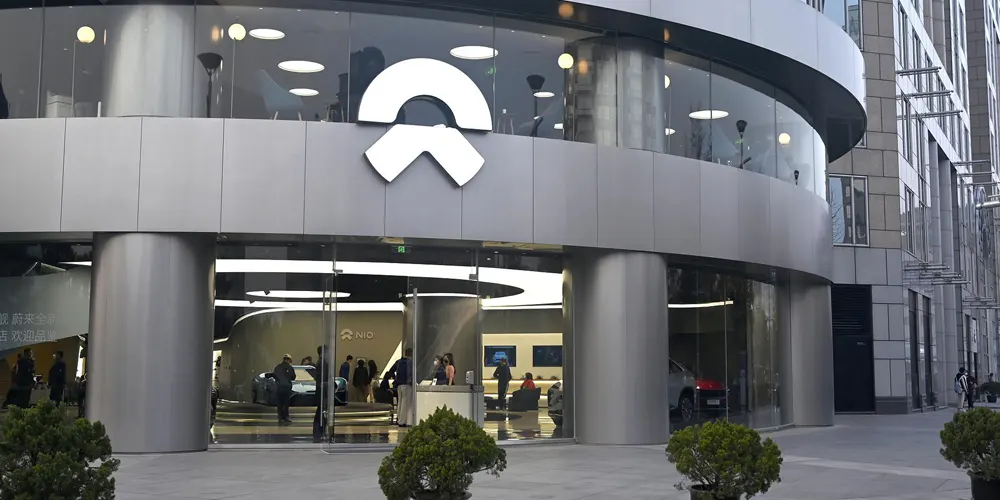 In September 2021, NIO released a 75kWh ternary iron-lithium mixed standard battery pack for battery life.
The battery module composed of lithium iron phosphate battery and ternary lithium battery are integrated into a mixed battery pack in a mixed arrangement, and the ternary lithium cells are distributed around the battery pack.
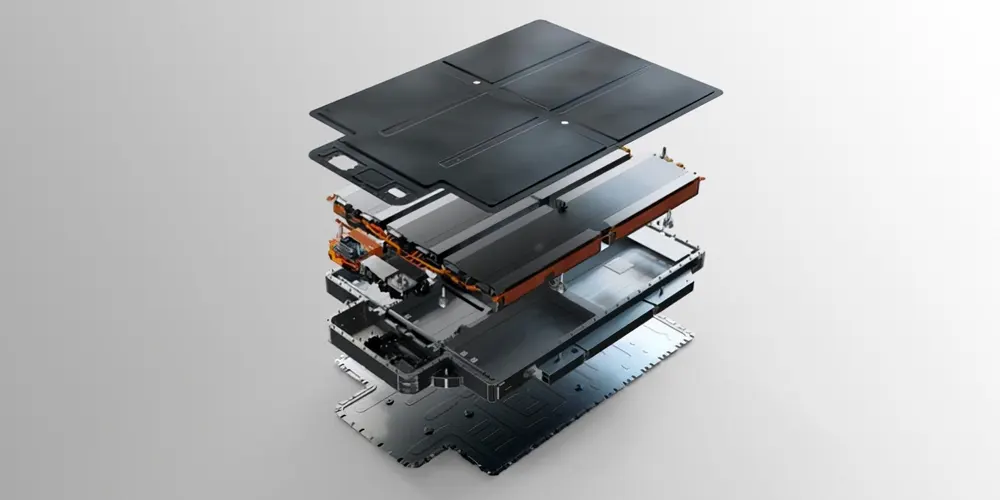
Through the insulation design of the battery pack, dual-system algorithm control, active thermal compensation and other solutions, the battery pack can reduce the battery life loss at low temperature by 25%, and the power estimation error is reduced from 10% of the lithium iron phosphate battery to less than 3%.
Due to the application of a new generation of CTP technology, the manufacturing and assembly of battery packs is simplified by 10%, the volume utilization rate is increased by 5%, and the energy density is increased by 14%, reaching 142Wh/kg.
At present, most of NIO models are equipped with ternary iron-lithium mixed battery packs.

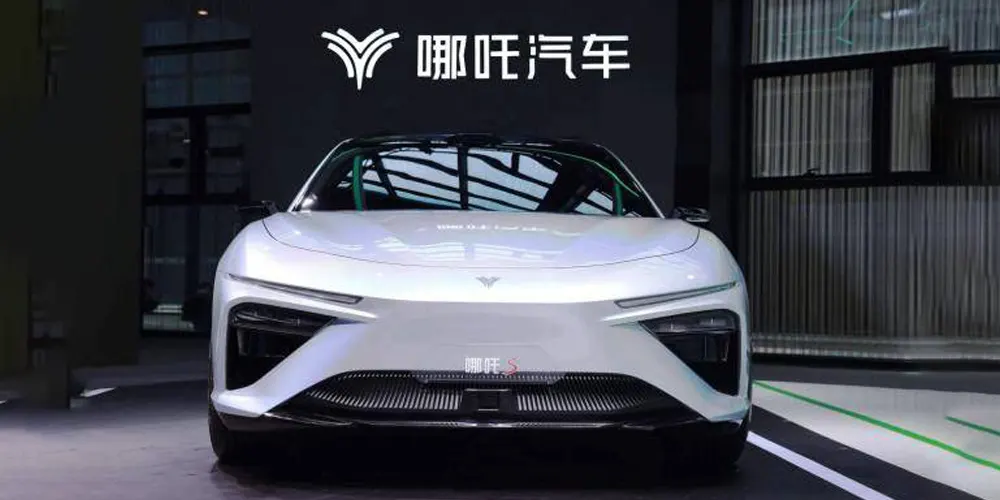 Tiangong battery adopts a grid-style module design and a closed-cabin battery pack design. The battery cells are made of aerospace-grade flame-retardant materials, and the heat insulation temperature is above 1000°C.
The electrical protection reaches the military level, and adopts the insulation redundancy design above 800V, the short circuit redundancy design, and the module level short circuit redundancy safety design.
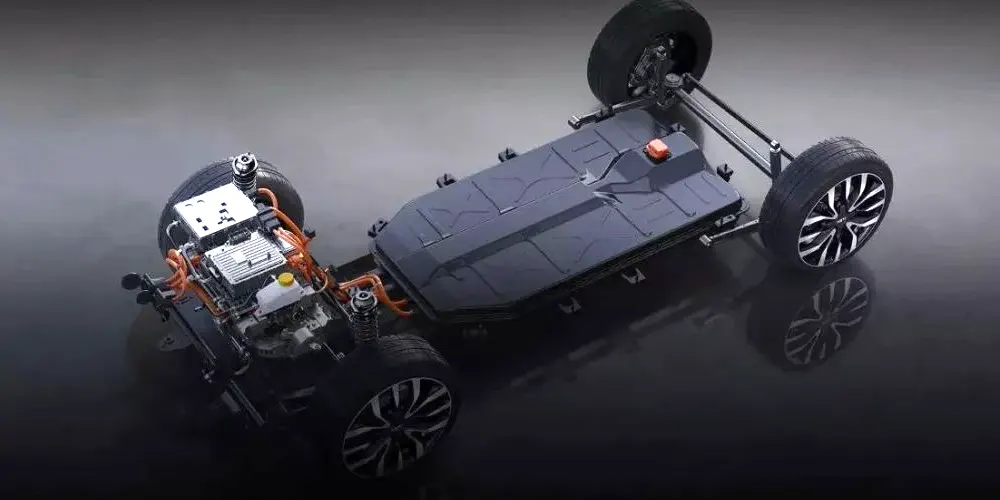
Tiangong Battery adopts a heat pump thermal management system to carry out multi-heat source driving heating/insulation, which increases the mileage of the vehicle in winter by 20%.
In terms of battery life cycle management, forward-looking thinking is adopted to conduct closed-loop management of batteries. In this way, it is safe, efficient and energy-saving.
At present, the Tiangong battery has been installed in the Nezha S model.
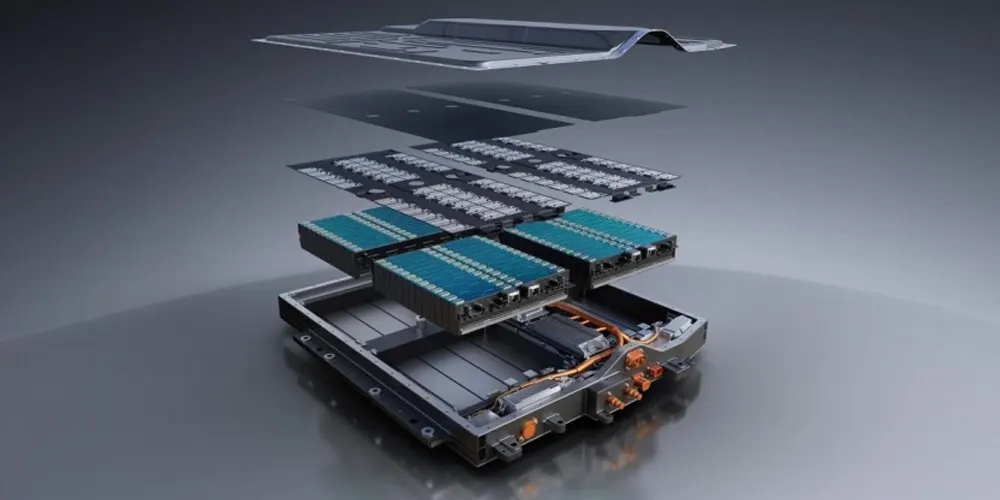
 The Rubik’s Cube battery adopts a standard battery pack design, with uniform length and width dimensions of 1300mm and 1690mm; there are three thicknesses, 110mm, 125mm and 137mm.
By increasing or decreasing the number of cells + different cell material systems, this standardized battery pack can achieve different performances, with an energy range ranging from 44kWh to 150kWh.
The biggest technical feature of the Rubik’s Cube battery is the layout of the lying battery. By reshaping the layout of the battery cell, the battery cell after “laying flat” can achieve the three major advantages of ultra-high integration, ultra-long life, and “zero thermal runaway” safety protection.

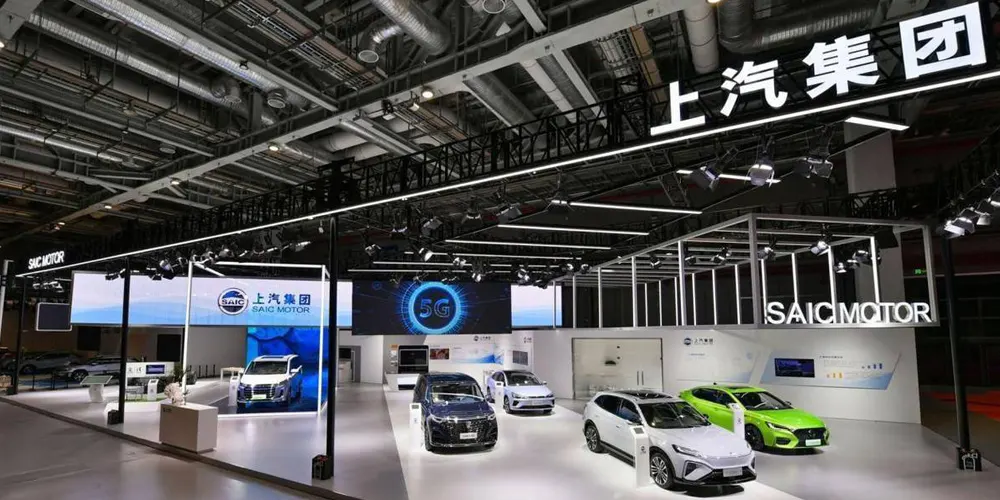
At present, some of the Zhiji L7 and MG MULAN that have been delivered are equipped with “Rubik’s Cube” batteries. At the same time, the power batteries of SAIC’s new models will be developed on the basis of this new battery architecture.
In addition, the peripheral design of the Rubik’s Cube battery pack is the same, including high and low voltage connections, cooling connections, unified lifting positions, and fixed positions.
Embedded based on such the same design, it means that the Rubik’s Cube battery pack can be quickly replaced and interchanged, and the battery can be replaced for the vehicle.
This will also promote the development of electric vehicles and at the same time facilitate the development of battery swapping models.

 Geely Aegis battery is a ternary lithium-ion battery, which adopts a unique “trinity” structure, combining the positive electrode, negative electrode and separator to form a compact structure with high energy density, fast charging, safety, reliability and features such as long life.
The energy density of the Geely Aegis battery has reached more than 200Wh/kg, which is nearly 10 times higher than that of traditional batteries, and can provide a longer driving range.
It supports fast charging technology, which can charge 80% of the battery in 30 minutes. It adopts multiple safety protection designs, including thermal management system and single intelligent control.
Respond quickly when the battery is abnormal to avoid dangerous accidents such as explosions and fires. The service life is as long as more than 1,000 times, far exceeding the life of traditional batteries.
Geely Aegis batteries have broad application prospects in fields such as electric vehicles, household energy storage equipment, light electric vehicles and automotive backup power.
In conclusion, these top 8 electric car manufacturers investing in battery technology are pushing the envelope with innovative designs and advanced technologies. As electric vehicles become more mainstream, the development of battery technology will continue to advance, making electric cars more efficient, cost-effective, and safe.