What is a Sulfated Battery and Can It Be Fixed?
What is a sulfated battery, and why does it cause batteries to degrade so quickly are questions that many people frequently ask. Lead sulfate crystals build up on the battery plates, causing sulfation, a common issue with lead-acid batteries that lowers capacity and makes recharging challenging. The battery may lose its functionality and eventually become unusable if it is not checked.
In this article, we will explored what is a sulfated battery, causes and symptoms, impact, until how to repair and avoid sulfated batteries. Also talk about can lithium battery experience sulfation? and what can be done if the battery has already been affected by sulfation.


What is a Sulfated Battery?
What is a sulfated battery and why does it often result in batteries losing their performance so quickly are questions that many people have. To put it simply, a sulfated battery is one that has lead sulfate crystals formed on its plates. These batteries are often lead-acid types. In batteries, this process is called sulfation.
The regular battery chemical reactions are disrupted with when sulfation takes place. As a result, the battery runs out faster, has trouble retaining energy, and is even challenging to recharge. To put it another way, a sulfated battery is one that is no longer functioning at its best due to sulfate crystals blocking the energy flow.
This condition is common of lead acid battery that often remain drained or rarely used. Mild sulfation is still repairable, but severe sulfation usually requires replacing the battery.
What’s the different with battery corrosion? you can also read that for more insight.
Causes and Effects of Battery Sulfation

- Sulfate crystals build up more quickly in batteries that are often left empty or not fully charged, which makes it harder for the battery to hold energy.
- Rarely used batteries increase sulfation and accelerate battery capacity loss by forcing chemical reactions inside the cells to stall.
- The chemical reactions that cause sulfation can be increased by storage or extreme conditions (such as extremely hot or cold temperatures), which will cause the battery to lose power more quickly.
Symptoms of a Sulfated Battery
It’s important to understand the signs of a sulfated battery so that you can promptly identify the early warning signals before the battery suffers permanent damage. Usually the symptoms show in the following ways:
- The battery fails to fully charge: because the indicator remains low even after a lengthy charge, which indicates that sulfate crystals block the charging process.
- Rapid voltage drop: the battery instantly loses power after being taken out of the charger, a sign that its capacity has been significantly reduced.
- The power source is unstable, which results in a reduction in engine or device performance, making the vehicle or device feel less powerful.
- The most visible sign that the battery has experienced sulfation is the presence of white or gray crystals on the battery plate.
You can also read this for more insight:
Can Lithium Batteries Experience Sulfation?
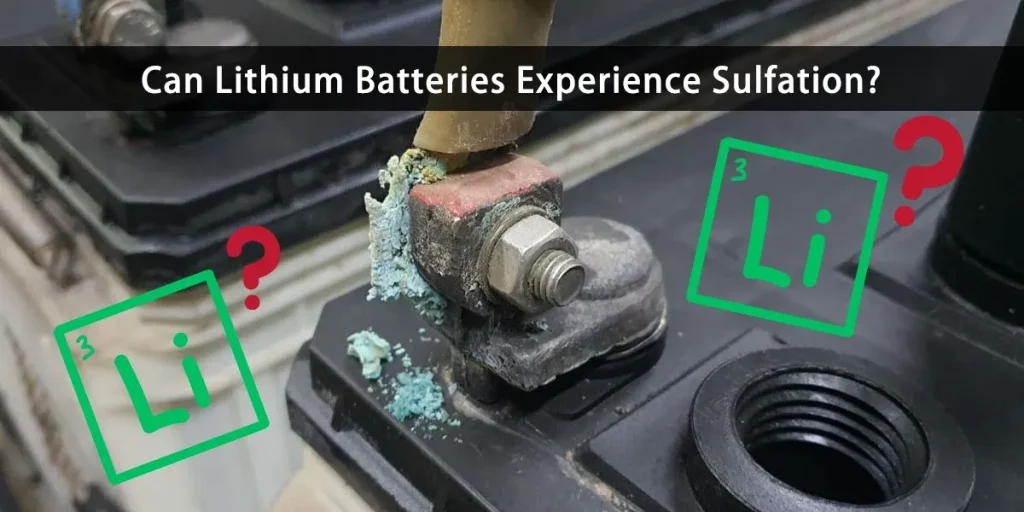
This does not imply that lithium batteries are free of problems though. If not properly maintained, this kind of battery may also suffer from other problems like capacity loss, overheating, or even overcharging. The difference is that issues with lithium batteries usually have to do with charging control and degradation of cells rather than sulfation.
Lithium batteries may therefore be a more sensible option than lead-acid batteries if you’re searching for a battery that is stronger and has a lower chance of sulfation.
Can a Sulfated Battery Be Fixed?
After knowing what is a sulfated battery, understand about this topic is also important. Repairing sulfated batteries is still possible, though the result may differ depending on how serious the sulfation is.
- Mild sulfation: It can still be fixed by desulfation techniques, such as using a specialized charger made for dissolving sulfate crystals. In order to remove the sulfate coating from the battery plates, some users also experiment with chemical additions.
- Heavy sulfation: It is nearly impossible to recover the battery if the crystals have grown and hardened over an extended period of time. The best course of action in this situation is to get a new battery.
Repairing a battery that is too bad is usually a waste of time; instead, it is safer to get a new battery or think about switching to a lithium battery that doesn’t include sulfation.
How to Prevent Battery Sulfation
- Avoid leaving the battery uncharged for extended periods of time. Make sure the battery is always charged, even if it is not used often.
- Regularly completely charge the battery since this helps keep sulfate crystals from growing inside the cells.
- Use the right charger to guarantee steady voltage, pick a charger with a maintenance mode or smart charging capability.
- A regular temperature is ideal for storing the battery; exposure to extremes of heat or cold can speed up the sulfation process.
- Regularly check the battery’s condition. A quick check with a multimeter might identify performance issues early.
Conclusion
This situation can be described as the buildup of lead sulfate crystals in a lead-acid battery that blocks the internal chemical reactions. This is the answer to the question, “What is a sulfated battery?” The effects are apparent: decreased capacity, trouble charging, and possibly permanent battery degradation if left ignored.
While serious conditions typically need replacing the battery with a new one, mild sulfation can still be fixed with desulfation techniques and a specialized charger. Thus, the most important strategy is prevention: use an appropriate charger, maintain the battery fully charged, and store it in a controlled temperature location.
Since lithium batteries don’t sulfate and have a longer lifespan than lead-acid batteries, they are a more sensible option for a long-term solution.
FAQS
Can you still charge a sulfated battery?
Yes, you can typically charge a sulfated battery, but it requires more time and may involve using a special desulfating charger, as standard chargers may be ineffective.
Is a sulfated battery ruined?
A sulfated battery is not necessarily completely ruined, but severe and prolonged sulfation leads to permanent damage, reduced capacity, and eventual failure
Can a sulfated battery explode?
Yes, a severely sulfated lead-acid battery can explode, but it's often the result of overcharging or other factors that lead to the build-up of explosive hydrogen and oxygen gases within the battery case.