Skip to content

What is mAh for Battery? Key Insights for Choosing the Right Capacity
When discussing batteries in electronic devices, the term mAh is frequently encountered. This term is typically found in the specifications of smartphones, power banks, and laptops, and is often used as a reference for assessing battery life. However, many people still do not fully understand what mAh means and how it affects the performance of a device.
In this article, we will thoroughly examine; what is mAh for battery? how it works? and its role in determining battery capacity and usage duration. Understanding the concept of mAh is essential for selecting a battery or device with the appropriate capacity for your needs. This ensures that the device’s performance remains optimal in the long term.


What is mAh for Battery?
In simple terms, mAh stands for milliampere-hour, which is a unit used to measure the energy storage capacity of a battery. The mAh number indicates how long the battery can supply electrical current before it runs out, so it is frequently used as an indicator of endurance. The higher the mAh value, the greater the energy capacity that the battery can store.
If people are wondering what is mAh for battery? the answer is that it is a technical measurement that represents the battery’s storage capacity. For example, a battery with a capacity of 3,000 mAh can supply a current of 3,000 milliamps for one hour, or 1,500 milliamps for two hours. In other words, mAh helps users understand how long a device can operate before it needs to be recharged.
How mAh Affects Battery Performance?
mAh value plays an important role in determining battery performance. The higher the mAh number, the longer the battery can supply power to the device. However, it is important to understand that large capacity does not always guarantee a better user experience, because battery performance is also influenced by other factors such as device power consumption, system efficiency, and daily usage conditions.
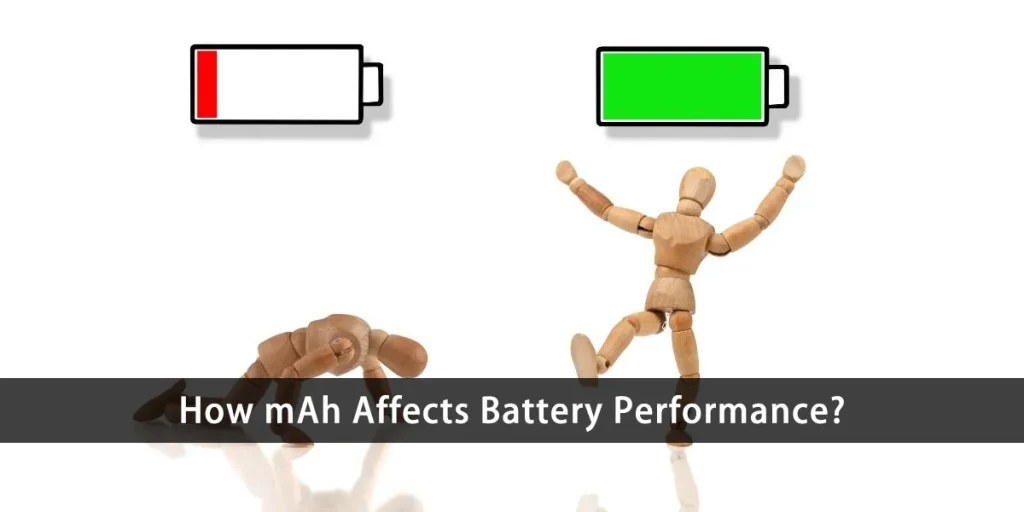
In the context of ‘what is mAh for a battery?’ mAh can be considered an initial guide for estimating battery life. For example, a smartphone with a 5,000 mAh battery may last longer than one with a 3,000 mAh battery, but if the device has a large screen, a faster processor, or other heavy features, the power will drain quickly. This means that actual performance depends not only on capacity but also on the balance between a device’s energy requirements and its power management efficiency.
mAh in Lithium Batteries
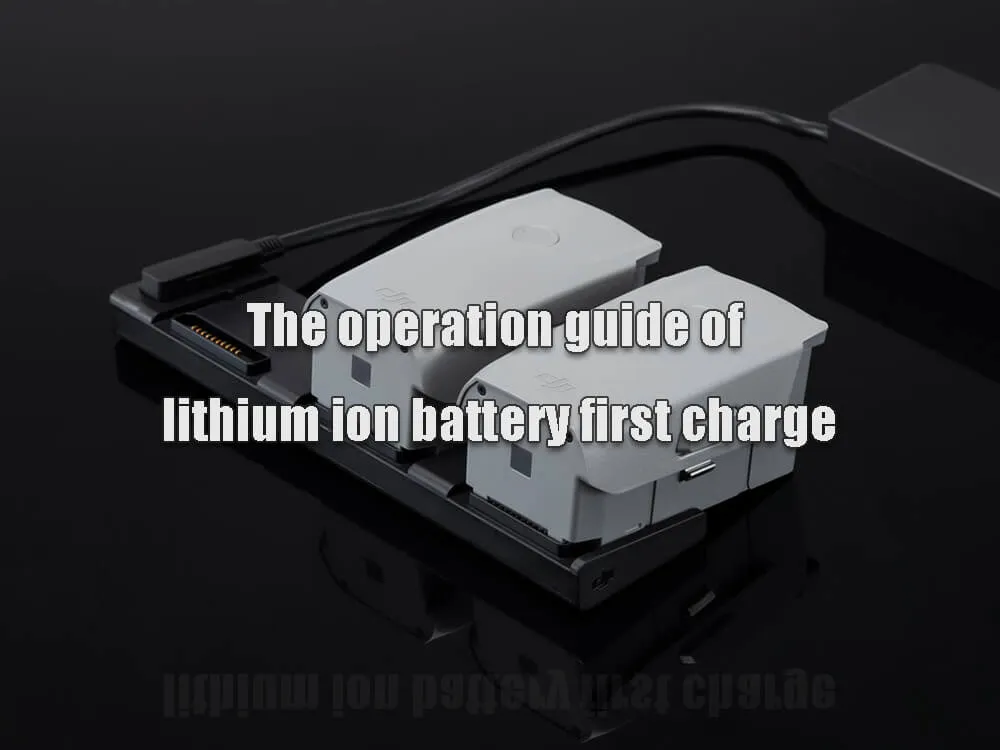
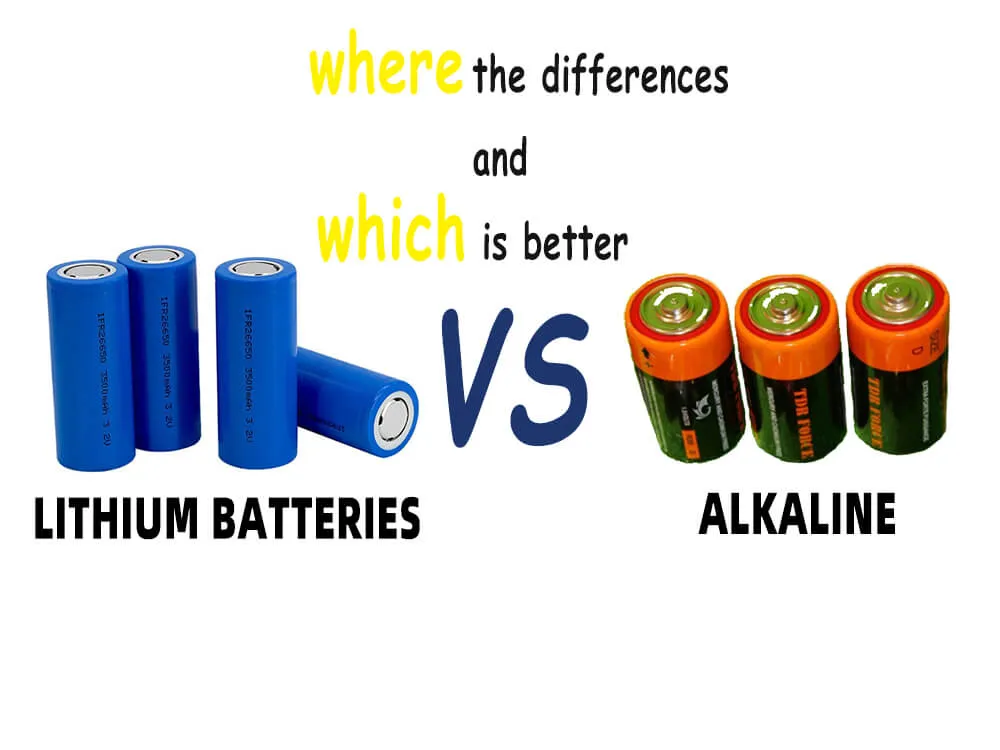
Lithium batteries, particularly lithium ion battery and lithium-polymer, are currently the main standard in various modern electronic devices. Their advantages lie in their high energy density, light weight, and ability to store large capacities in relatively small sizes. For this reason, lithium batteries typically have higher mAh ratings than conventional batteries.
When discussing ‘what is mAh for battery?’ in the context of lithium, mAh serves to indicate how long the battery can power a device before it needs to be recharged. For example, a laptop with a 6,000 mAh lithium battery generally lasts longer than a smartphone with a 3,000 mAh battery, although a direct comparison must also consider the power consumption of each device. This proves that mAh in lithium batteries is not just a number, but an important indicator in determining everyday usability.
You can also read these articles for more insight:
100ah lithum battery
50ah lithium battery
20Ah lithium battery
Common Misconceptions About mAh
It is not uncommon for people to misinterpret the mAh number on a battery. A common misconception is that the mAh capacity of a device directly correlates to its power. It is crucial to note that mAh only measures energy storage capacity; it does not measure the power or voltage produced. Therefore, a high mAh number does not automatically indicate a more powerful device; it only suggests that the battery can last longer under certain conditions of use.

Another common misconception that arises when discussing the mAh rating for batteries in comparisons between different devices is the misunderstanding of the mAh rating’s significance. For instance, a tablet with a capacity of 7,000 mAh does not necessarily indicate greater durability compared to a smartphone with 5,000 mAh, as tablets generally require more power for their screens and other components. Factors such as device efficiency, power management technology, and daily usage are just as important as the mAh number itself
Examples of mAh in Everyday Devices
The concept of mAh is very easy to find in everyday life because almost all electronic devices use batteries as a power source. In smartphones, for example, a capacity of 4,000–5,000 mAh is standard, which is typically sufficient for a full day’s use. Meanwhile, power banks frequently display figures of 10,000 to 20,000 mAh, indicating how much energy can be transferred to other devices before they need to be recharged.

These real-life examples make it clearer, what is mAh for battery? A laptop with a 6,000–8,000 mAh battery will offer a different usage duration than a digital camera with a 1,200 mAh battery, even though the capacity numbers seem significant.
Even on a larger scale, electric vehicles use batteries with very high capacities-typically measured in thousands of mAh or even kilowatt-hours (kWh)-to ensure optimal range. This again emphasizes that mAh provides an indication of capacity, but the power consumption of the device remains the determining factor for actual endurance.
Choosing the Right mAh for Your Needs
In understanding ‘what is mAh for battery?’, choosing the right capacity should be tailored to your needs. Here are some key considerations:
- Light Use: For routine activities such as browsing, chatting, or emailing, medium battery capacity is sufficient.
- Heavy Use: For activities that require more power, such as gaming, streaming, or video editing, it is recommended to use a battery with a higher mAh rating.
- High Mobility: If you travel frequently and do not have access to a charger, it’s advisable to choose a device or power bank with a high mAh capacity for added convenience.
- Device Compatibility: Please ensure that the capacity aligns with the manufacturer’s specifications, as high mAh does not guarantee maximum performance without the appropriate voltage.
- Electric Vehicles (EVs): For large-scale applications, batteries with capacities ranging from thousands of mAh to kWh are required. However, power management efficiency remains a key factor.
You can also read ev battery pack for more insight - Battery Life: To ensure optimal performance and longevity, it is essential to use and recharge the battery according to the manufacturer’s recommendations.
Conclusion
From the discussion above, which addresses the question, “What is mAh for battery?”, it is obvious that this is very crucial for anyone who uses electronic devices, from smartphones to electric vehicles. mAh is not merely a numerical value in specifications; it is a metric that indicates the battery’s capacity. This capacity helps estimate the duration before the device requires recharging, making it a vital factor in the effectiveness and convenience of electronic devices.
By understanding the meaning and function of mAh, users can make smarter choices when selecting devices or batteries based on their needs, whether for everyday light use or applications requiring high capacity. A comprehensive understanding of mAh is essential for maintaining energy efficiency, optimizing device performance, and prolonging battery life.
FAQS
Is mAh related to battery voltage?
Not directly. mAh measures energy storage capacity, while voltage indicates the electrical “pressure” output by the battery. Both complement each other to determine performance.
Does higher mAh mean longer battery life?
Generally, yes. Because greater capacity means the battery can last longer. However, actual endurance also depends on device energy consumption and system efficiency.
Can two batteries with the same mAh last differently?
Yes. Factors such as battery quality, voltage, device efficiency, and daily usage can result in different usage durations even if the mAh capacity is the same.