Skip to content

So It Doesn't Run Out Quickly: The Secret to a Long Car Battery Lifespan
Have you ever used your car yesterday but still had problems starting it? A poor battery is, in fact, one of the most frequent causes. Every battery has a finite lifespan, something that many people frequently overlook. This is known as the car battery lifespan.
It’s important to know how long an automobile battery can survive. Because it could be a major inconvenience if you put off replacing it for too long. The lifespan of a battery can actually differ based on its type.
This article will explain the car battery lifespan, including what it is, what affects it, why lithium batteries have a longer lifespan, and useful advice for extending battery life.

What Is Car Battery Lifespan?

What Factors Can Affect Car Battery Lifespan?
Each person’s car battery has a different lifespan. The standard car battery lifespan might be shortened or even increased by a number of factors. The main factors are as follows:
- Climate and weather
The battery’s most fatal opponent may be extremely high or low temperatures. The battery’s internal fluid may evaporate fast if it gets too hot, which could decrease performance. However, starting the engine in cold conditions takes more effort from the battery. The battery’s lifespan may be shortened by either of these circumstances. - Driving habits
Do you often turn on the engine for a short while and then shut it off again? Or do you hardly ever leave the garage with the car? The battery may quickly weaken as a result of such behaviors. The alternator must have enough time to recharge the battery. The battery can run out more quickly if the vehicle is not used frequently. - Quality of batteries
Batteries are not all manufactured to the same standards. Premium batteries, especially those made of lithium, last longer than low quality batteries, which usually run out more quickly. - Maintenance practices
The lifespan of the battery can be increased by routinely inspecting the battery terminals, electrolyte fluid (for wet batteries), and making sure there is no corrosion. Ignoring these inspections, however, may result in an early battery death. - Using 0ther electronic equipment
If not balanced with a suitable electrical system, installing car parts like big music systems or extra lighting can potentially cause the battery to drain more quickly.
Differences in Car Battery Lifespan Across Different Types

- Lead acid battery (wet battery)
This battery type is the most widely used and reasonably priced. It usually lives for 2 to 4 years. It does, however, need more frequent maintenance, like cleaning the terminals and checking the electrolyte fluid. - AGM (Absorbent Glass Mat) Battery
Modern cars with start-stop systems frequently use this kind of battery. It is more resistant to shocks and high temperatures, and its lifespan can be extended to around 4–6 years. - Gel battery
Using gel as the electrolyte, it is comparable to AGM. Although it is usually more costly, its longevity is fairly good, lasting 4 to 6 years on average. - Lithium ion battery
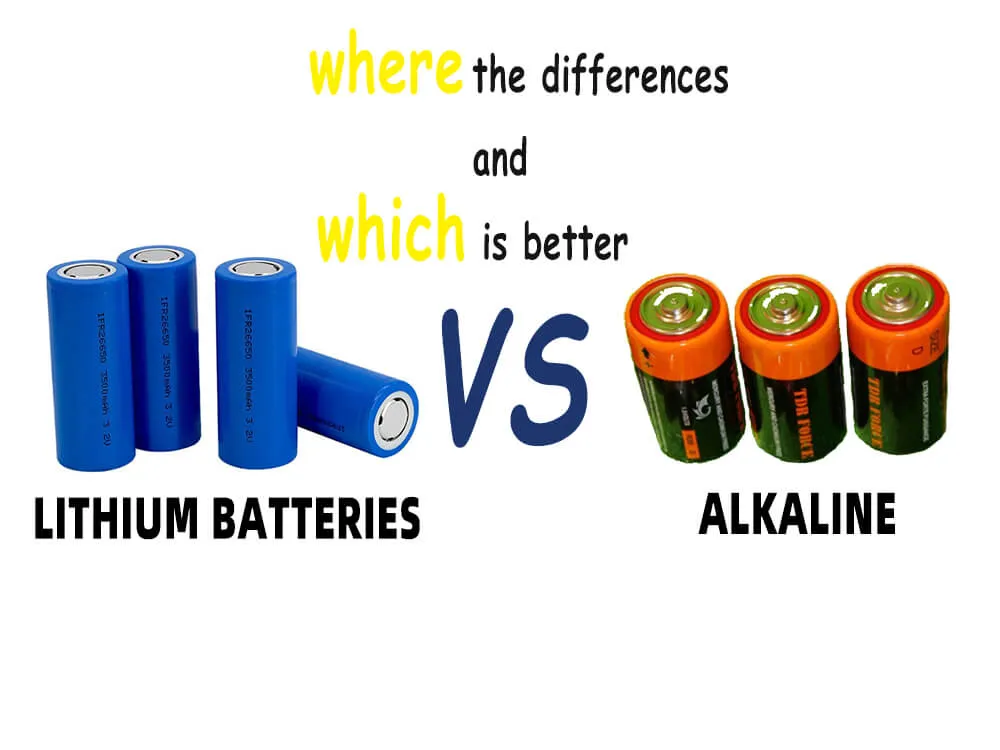
Everyone is talking about this one. With good maintenance, its lifespan can extend to 8 to 10 years. Although lithium batteries are obviously more expensive than conventional batteries, they are also more efficient and lighter in addition to being long-lasting.
You can read these article for more info about those batteries:
Why Is Lithium Car Battery Lifespan So Long?
Lithium batteries are becoming more and more popular because of their significantly longer lifespan compared to standard batteries. Lithium car batteries can last 8 to 10 years or longer, whereas standard batteries only last 3 to 5 years. However, why is that?
- Improved materials and technology
More stable materials and modern equipment are used in lithium batteries. This improves the efficiency of charging and discharging, avoiding damage to the battery cells. - More durable through charge-discharge cycles
The frequency of recharges and full discharges (charge-discharge cycles) affects a battery’s lifespan. Lithium batteries are naturally more durable than lead-acid batteries since they have thousands more cycles. - Consistent at various temperatures.
Lithium batteries show more resistance to extremes of temperature. Lithium batteries can therefore last longer than standard batteries, which quickly lose their charge, if you stay in a location with harsh weather. - Low maintenance
Lithium batteries need almost minimal maintenance, in contrast to wet batteries that need frequent fluid checks. Their constant performance over the years can also be explained by this.
How to Extend Car Battery Lifespan
With the right care, you can extend the life of your car battery even if they have a limited lifespan. Your car battery can last longer and not drain as quickly if you follow these easy steps:
- Get your car warmed up or use it frequently.
Batteries in infrequently used cars quickly deplete since the alternator is not used to recharge them. To keep the battery in good condition, warm up the car at least two or three times every week. - Check the battery terminals’ condition
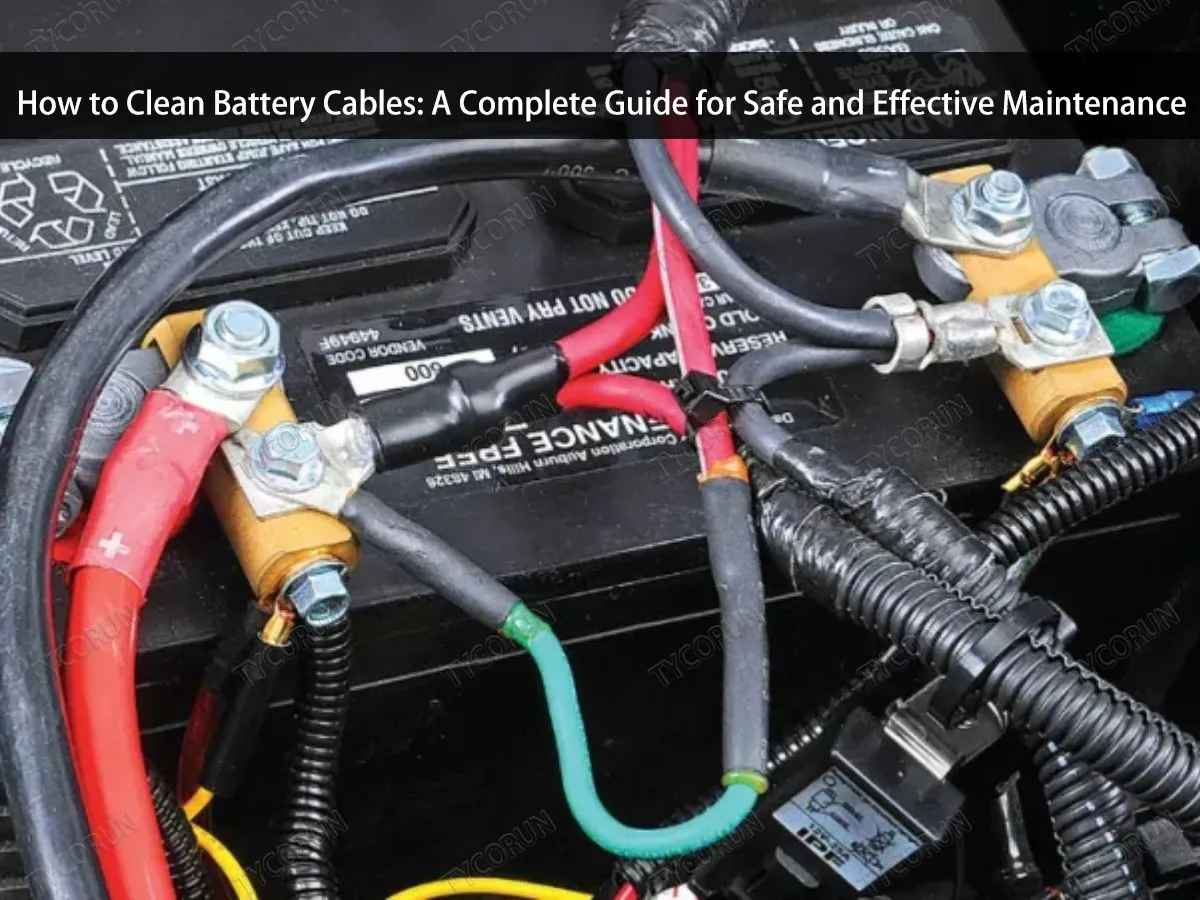
Electrical flow may be hindered by corrosion on the terminals. Use a soft wire brush and baking soda solution to remove any dirt or corrosion from the battery terminals on a regular basis. - Ensure that the battery is still charged.
When the engine is off, don’t forget to switch off the lights and electronics. The battery might quickly run out of power due to minor factors like these. - Be aware of parking location and temperature
Heat may decrease the battery’s longevity if you park in direct sunshine a lot. Use a car cover or park in a shaded spot if you can. - Use additional devices wisely
While adding extra lights, music systems, or other electronics may make the car look more stylish, but they can strain the battery. Make sure the electrical system in the car is capable of handling them if you decide to install them. - Conduct continual tests
Frequent workshop maintenance can assist in identifying battery problems before they become serious. Technicians are able to check the battery’s physical state, voltage, and current.
Common Myths About Car Battery Lifespan

In actuality, a battery’s lifespan is determined by its kind, quality, and usage. While some (like lithium batteries) can last 8–10 years, others only last 2-3 years. Therefore, there is no one-size-fits-all solution.
Second, Batteries in Rarely Used Cars Last Longer
Although it makes sense, the contrary is actually true. Rarely used cars don’t get recharged, which may speed up battery degradation.
Third, if the battery is still functional, there’s no need to maintain it.
Many people believe that the battery is still in good condition as long as the car can start. Nevertheless, the battery’s state may worsen without any noticeable signs. In order to avoid unexpected failure, routine maintenance is still important.
Fourth, the battery may live longer if it is overcharged.
In actuality, overcharging, or charging too much, speeds the degradation of the battery cells. This can lead to electrolyte evaporation and internal component damage, especially in lead-acid batteries.
Conclusion
In conclusion, every car battery has an identifiable lifespan. Car batteries usually last between 3 to 5 years, though this might vary based on the battery type, quality, usage, and maintenance. Another important factor is battery type, ranging from lithium batteries that can last 8 to 10 years with little maintenance to lead-acid batteries that need frequent maintenance to AGM and gel batteries that are more resistant.
The good news is that you can extend the battery’s life by taking a few easy steps: drive the car often, check the battery and terminals often, avoid overcharging, and use other electronics sensibly. By doing this, you can avoid the inconvenience of a breakdown while driving in addition to saving money on replacement costs.
FAQS
What shortens the life of a car battery?
A car battery's life is shortened by extreme temperatures (especially heat), frequent short trips, prolonged inactivity, leaving lights or accessories on, a faulty alternator, corrosion, overcharging, and simply the passage of time.
Should I replace my car battery before it dies?
Yes, you should replace your car battery before it dies to avoid being stranded, potential damage to other electrical components, and safety risks.
Is it good to keep a car battery fully charged?
No, it is not good to continuously keep a car battery fully charged, especially when the vehicle isn't being used regularly, as this can lead to overcharging, heat, and reduced battery life.