Skip to content
How to Replace a Car Battery? Step-by-Step Guide!
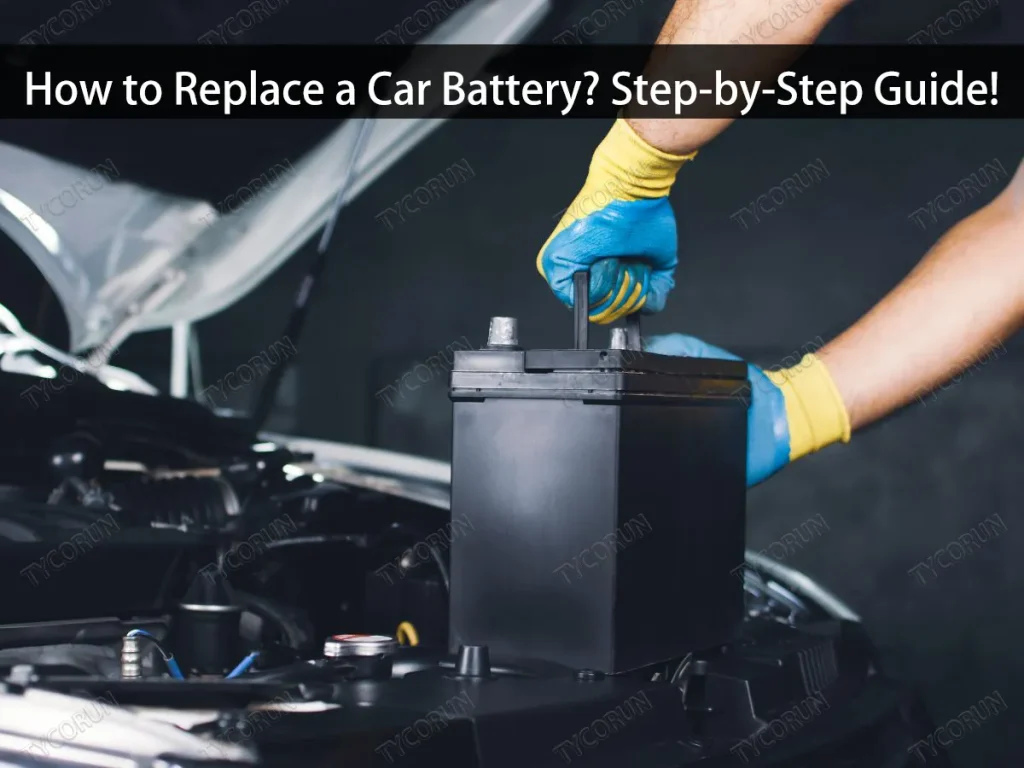
Although replacing a car battery may seem difficult at first, with a little help, you can actually do it yourself. A dead battery can occur at any time, frequently when you least expect it, so knowing how to replace a car battery is a necessary skill for any driver. You can avoid the inconvenience of waiting for roadside help and save time and money by following the right procedures.
You can rapidly replace a car battery at home if you have the necessary equipment and follow some simple safety guidelines. This article will help take you through the safe and efficient car battery replacement procedure, so you can keep your vehicle running smoothly and stress-free.
What Tools and Materials Needed
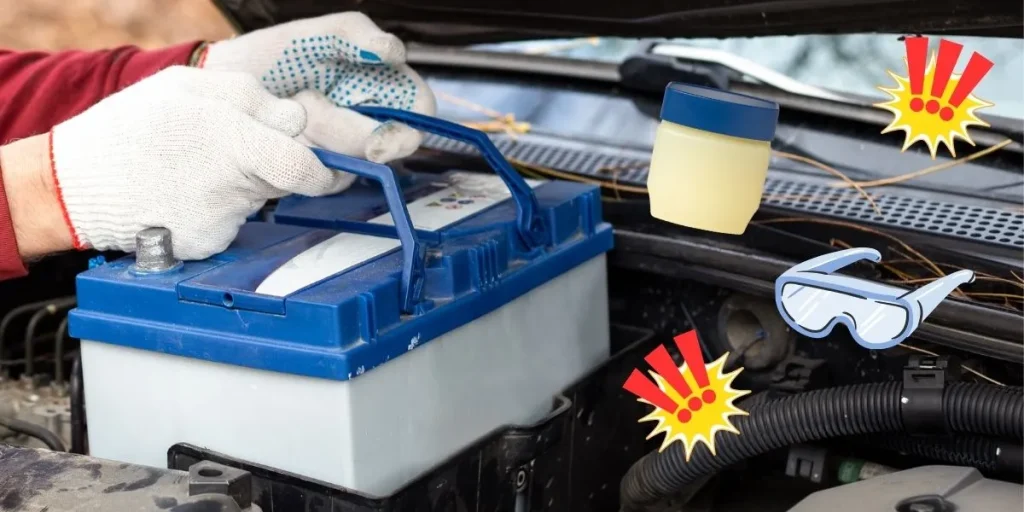
- Always select a new car battery that fits the dimensions and requirements of your car. The performance of your car may suffer if you use the incorrect kind of battery.
- Wrench or socket set – Needed for loosening and tightening the battery terminals securely.
- When detaching the battery, protective gloves and safety glasses shield you from any acid spills, grime, and tiny sparks.
- Before installing a new battery, battery corrosion buildup on the terminals can be removed with a wire brush or battery terminal cleaner.
- Applying a tiny bit of petroleum jelly or grease to the terminals will help prolong battery life and stop corrosion in the future.
How to Know When to Replace a Car Battery?
- Slow engine crank: Your battery may be failing if the engine starts more slowly than usual or if turning the key produces a sluggish sound.
- Electrical problems and dim headlights: A failing battery may be indicated by weak or flickering headlights, slower-moving power windows, or the radio shutting off.
- Dashboard warning light: When the system detects issues with charging, the battery-shaped warning light on the dashboard of many cars turns on.
- Swollen battery case: Overheating is typically the cause of a bloated battery, which indicates that a replacement is necessary.
- Often jump-starts: If you discover that you have to jump-start your car more frequently, it’s a dead giveaway that the battery isn’t holding charge well.
What Battery Does My Car Need?
Before learning how to replace a car battery, you need to be aware of the type of battery your vehicle requires. Selecting the appropriate car battery can significantly impact both performance and safety because not all of them are created equally. Even if you know how to replace a car battery, you risk installing the incorrect kind that does not fit your vehicle’s specifications if you skip this step. Before replacing the battery, make sure to check the following key factors:

- Size and fit: There are various group sizes for car batteries. Ensure that the new battery always fits the battery tray precisely.
- Cold Cranking Amps (CCA): This demonstrates how effectively the battery can start your car in cold weather. Easy beginning is indicated by a higher CCA.
- Reserve Capacity (RC): This tells you how long your battery will last in case the alternator fails.
- Type of battery: When determining how to replace a car battery, some of the most popular choices you’ll come across are;
a) Lead-acid: The most popular and reasonably priced option for a lot of cars.
b) AGM (Absorbent Glass Mat): AGM was created for contemporary automobiles with start-stop systems and greater electrical requirements.
c) EFB (Enhanced Flooded Battery): A more powerful form of lead acid, suitable for vehicles with start-stop systems.
d) Lithium-ion: Long-lasting and lightweight, it is mostly used in hybrid and electric vehicles. Not common for normal cars that run on gasoline or diesel. - Manufacturer’s recommendations: To avoid selecting the incorrect type, always consult your vehicle’s handbook.
You can also check these article for more insight:
How to Replace a Car Battery: Step-by-Step Guide
Removing old battery
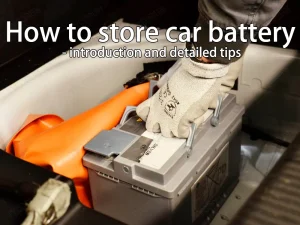
- Park the vehicle and turn off the engine. Take the keys out of the ignition, park on a level spot, and apply the parking brake. When learning how to replace a car battery, safety comes first.
- Find the battery by opening the hood; it is often located close to the front of the engine bay
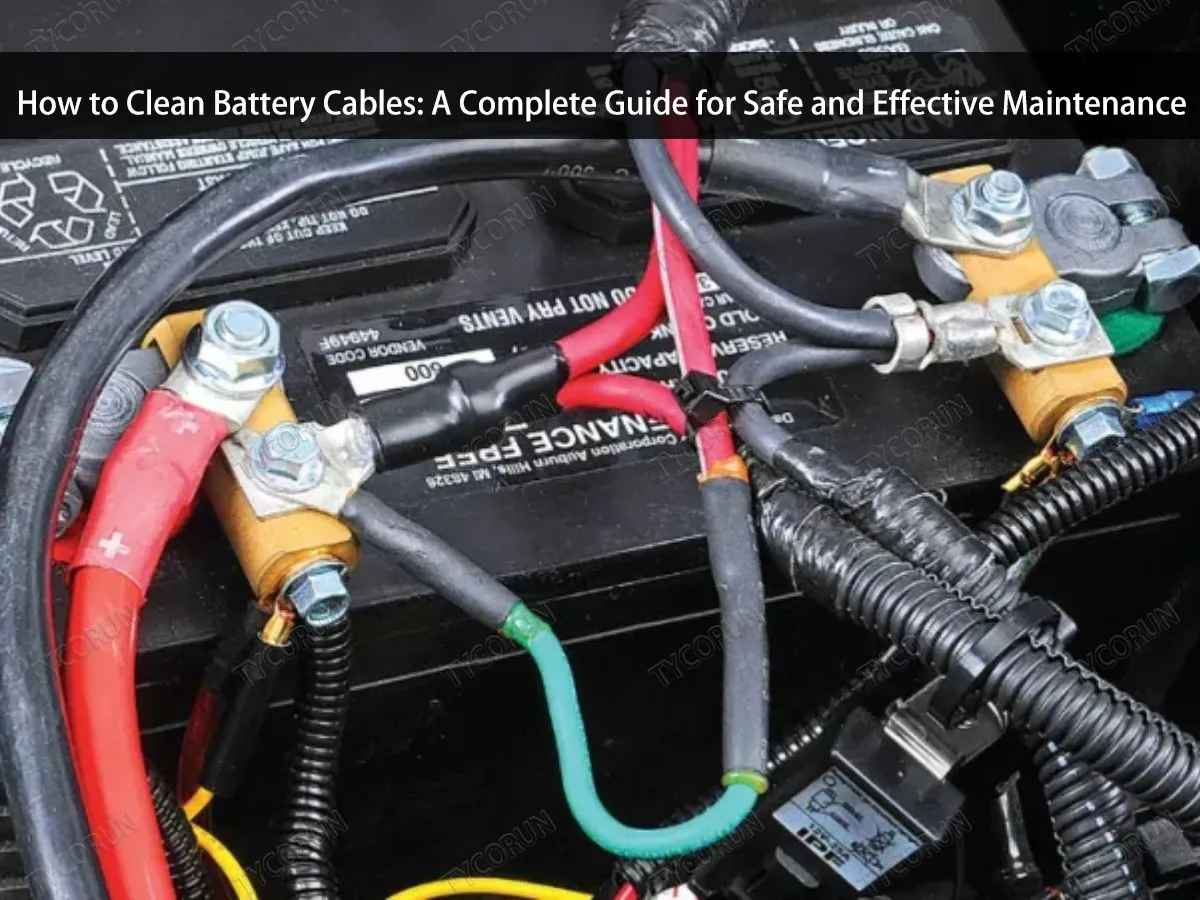
- Ensure that you start with the black cable and disconnect the negative terminal (-). Sparks and unintentional short circuits are avoided with this technique.
- After removing the negative, loosen and separate the red cable, then disconnect the positive terminal (+).
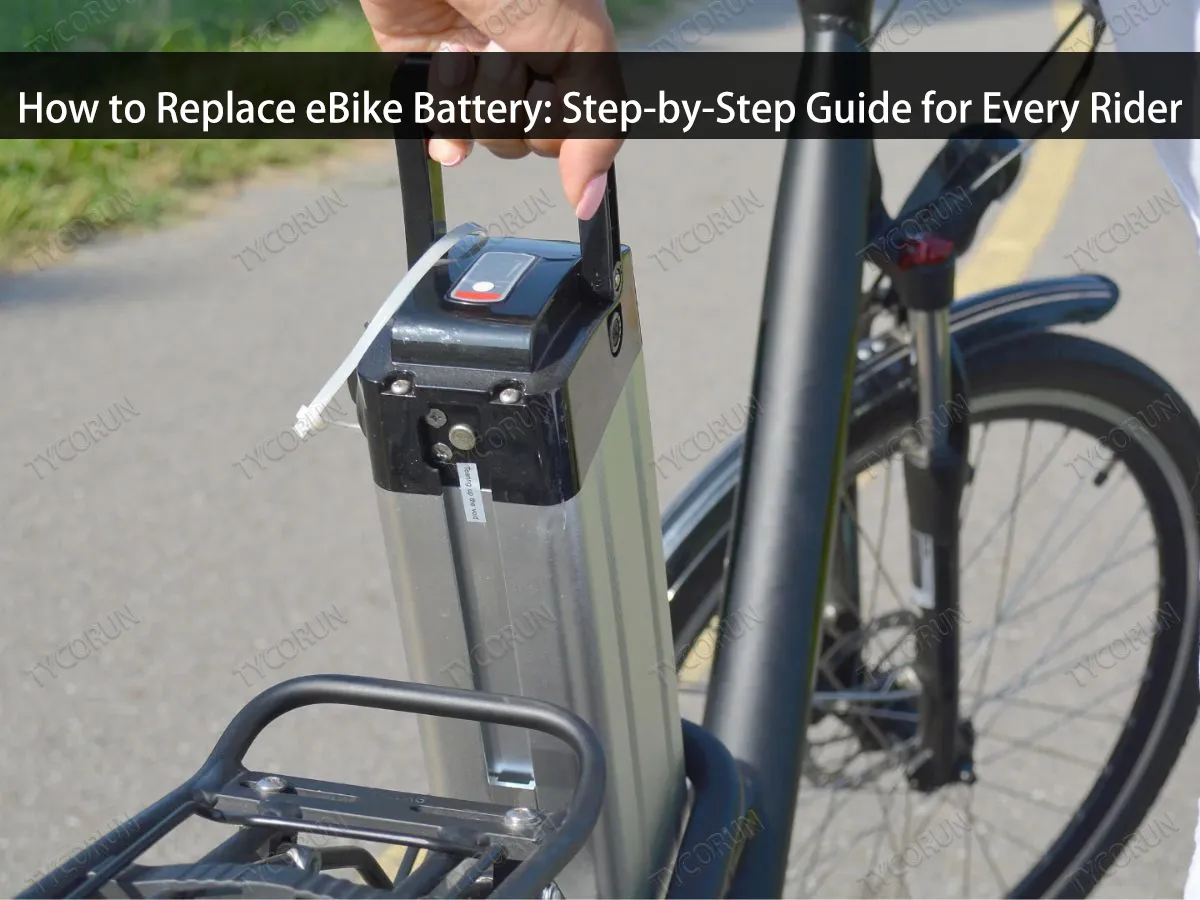
- The majority of batteries are held in place with a clamp or bar; remove the bracket or hold-down. To loosen it, use a wrench.
- Because car batteries can be heavy proceed with caution when removing the old battery.
Installing new battery
- Ensure that the new battery is properly oriented and sits firmly in the tray.
- Secure the battery to prevent it from moving while driving by reattaching the hold-down bracket.
- In order to avoid electrical hazards, connect the positive terminal (+) first.
- Once the positive terminal is in position, connect the negative terminal (-) and tighten it firmly.
- Verify the connections by giving the cables a little wiggle to ensure they are snug.
- Applying grease or petroleum jelly is optional, but it helps keep the terminals from corroding
How Long Does a Car Battery Last?
It’s important to know how long a car battery typically lasts, even if you already know how to change it. Most auto batteries have an average lifespan of three to five years, though this can vary depending on factors such as usage and climate:
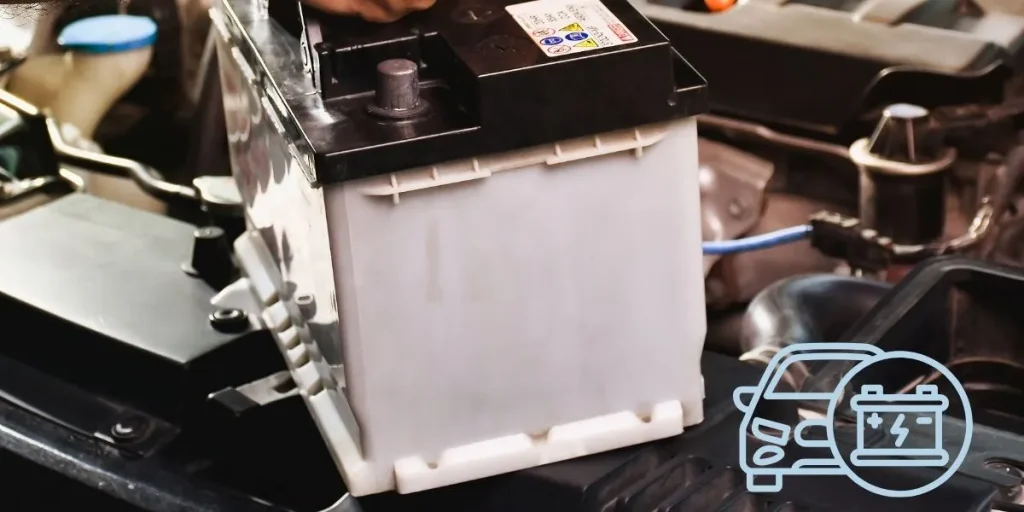
First, short excursions might reduce the alternator’s lifespan by not allowing it enough time to properly recharge the battery.
Second, a battery experiences increased stress in particularly hot or cold regions, which accelerates its wear and tear.
Third, a longer battery life can be achieved by making sure the battery is securely fastened and by routinely inspecting the terminals for corrosion.
Fourth, with the right maintenance, AGM or lithium-ion batteries can last longer than conventional lead-acid batteries, which normally last three to four years.
It is a good idea to have your battery evaluated as part of routine maintenance if it is older than three years. In this manner, you won’t be surprised by a dead battery. Knowing how to replace a car battery will also help you avoid stress and save money when the time comes.
Conclusion
FAQS
What happens if I remove the positive terminal first?
If you remove the positive terminal before the negative terminal, the battery will continue to discharge. Removing the positive terminal first will cause it to touch the chassis through a spanner or wrench or some other metal tool, creating the same effect as putting both battery terminals together.
Which one do I disconnect first, black or red?
When disconnecting a car battery, disconnect the black (negative) terminal first. This is because the negative terminal is typically connected to the chassis, and removing it first eliminates the risk of sparking or short-circuiting if your wrench touches the car body while disconnecting the positive terminal.
Which terminal should I connect first?
When installing a car battery, always connect the positive terminal first, then the negative terminal. When disconnecting, the negative terminal should be disconnected first. This sequence minimizes the risk of accidental short circuits or sparks during the process.