Skip to content
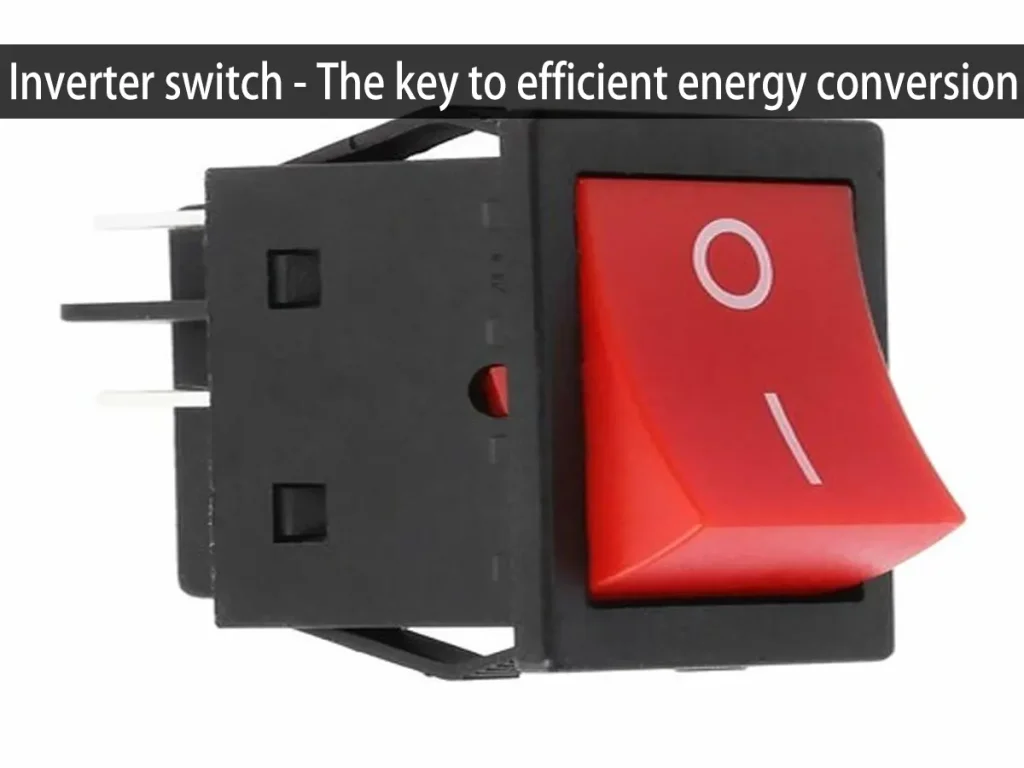

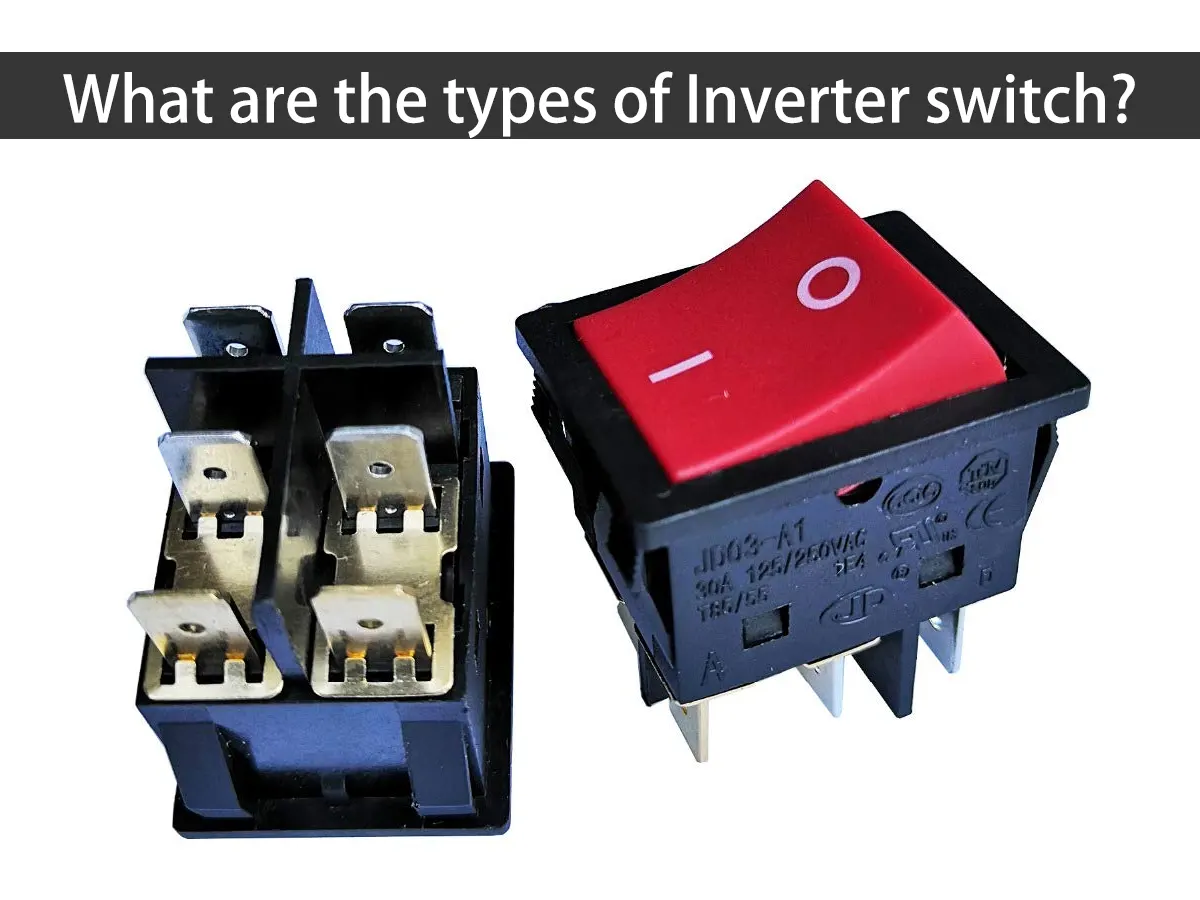
Mechanical type
- Knob type: This kind of Inverter switch usually changes the connection state of the circuit by rotating the knob. For example, in some simple inverter devices, the knob can switch different output voltage steps. The knob design makes the operation intuitive and users can easily adjust it according to their needs.
- Toggle type: It has a toggle lever, and the circuit can be turned on or off or switched by turning the lever to different positions. This type is more common in small inverters or some experimental circuit devices, simple structure, high reliability.
Electronic
- Transistor type: The characteristics of transistors are used to realize the switching function. The transistor can quickly switch between on and off states, enabling high-frequency switching operations. In some inverter circuits that require precise control, the transistor-type Inverter switch can precisely control the on-off time of the circuit by controlling the base current, thus realizing precise adjustment of the output waveform.
- Relay type: Relay as a kind of electromagnetic control switch is also used in Inverter switch. When the relay coil is energized, a magnetic field is generated to close or break the contacts, thus realizing the switching of the circuit. This type of switch can withstand higher current and voltage and is suitable for some inverter devices with higher power.
Renewable energy systems
- Solar power generation: In solar photovoltaic power generation system, Inverter switch is an indispensable component. It is located between the solar panel and the power grid or load, and is responsible for converting the DC power generated by the panel into AC power, and through the control of the switch, the output power and power quality can be adjusted according to the actual needs to meet the needs of different users or to adapt to the access requirements of the power grid.
- Wind power: The power generated by wind turbines also needs to be converted into AC power by inverters, and the Inverter switch plays a role in controlling the conversion and transmission of power in this process, ensuring that the wind power system can supply power to the grid or to the local loads in a stable and efficient manner.
Industrial
- Motor drives: Inverter switches are used in conjunction with inverters in motor drive systems that require variable speed control. It can control the inverter to output AC power of different frequencies and voltages, thus realizing precise control of motor speed. This kind of application is very widely used in various motor equipments in industrial production, such as conveyor belt motors and fan motors in factories.
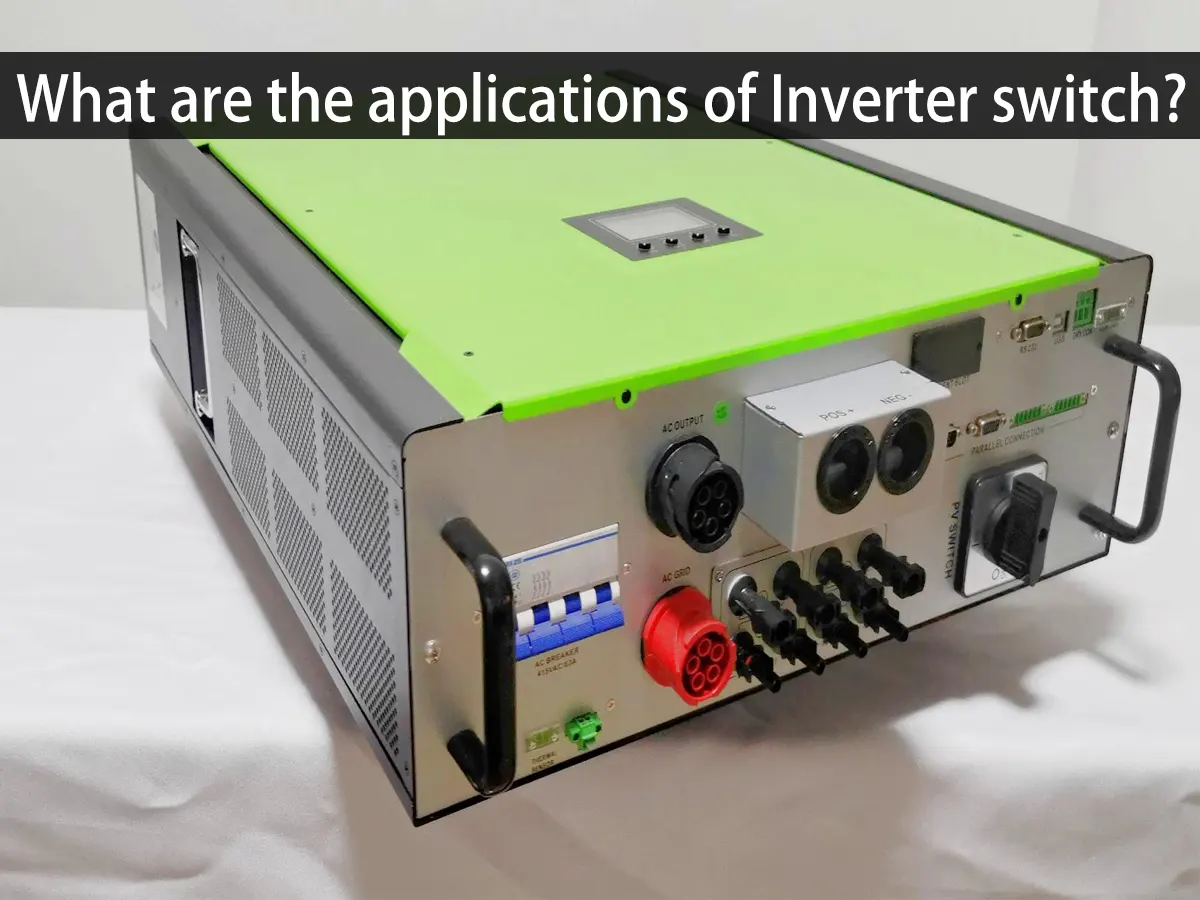
- Industrial automation equipment: In automated production lines, Inverter switch can be used to control the power supply and operation status of various electric equipment. For example, in some automated processing equipment, the Inverter switch controls the inverter to provide suitable power for the equipment, and can switch the operation mode of the equipment according to the different stages of the production process.
Household appliances
- Air conditioners: Inverter switch is used inside some inverter air conditioners to control the operating status of the inverter. This allows the speed of the air conditioning compressor to be precisely adjusted according to changes in indoor temperature, thus realizing energy saving and precise temperature control.
- Refrigerators: Some high-end refrigerators also use inverter technology, in which the Inverter switch plays a role in regulating the operation of the compressor and fan motor, which helps to improve the energy efficiency ratio of the refrigerator and reduce energy consumption.
Precise control
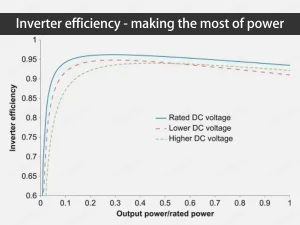
- It can achieve precise control of the inverter output. For example, in motor drive applications, by precisely controlling the voltage and frequency of the inverter output, the motor can operate at optimal efficiency under different loads and reduce energy loss. Simultaneously,the output of the inverter can be adjusted according to the actual needs of the load to avoid energy waste under the traditional fixed frequency and fixed voltage power supply mode, thus improving energy efficiency. This dynamic control also enhances inverter efficiency, ensuring that the system operates with minimal energy loss, maximizing performance while reducing overall energy consumption.
Protection function
- Overload protection: Some inverter switches can monitor the current in the circuit. When the current in the circuit exceeds the preset overload current value, the switch can automatically disconnect the circuit to prevent the internal components of the inverter from being damaged due to overload.
- Short circuit protection: If a short circuit occurs in the circuit, the inverter switch can quickly cut off the circuit to prevent the short circuit current from causing serious damage to the inverter and other connected equipment.

- Improve power quality: By optimizing the design of the closing start circuit and the soft start circuit solution, the inverter main switch device can be effectively protected, the dynamic bias and saturation of the inverter main transformer can be suppressed, and the impact current during the closing process can be reduced, thereby improving the power quality of the system or device.
- Improve system reliability: High-quality inverter switches have good stability and durability, can operate stably in various complex working environments, reduce the probability of system shutdown or damage caused by switch failure, and improve the reliability of the entire inverter system.
- Wide range of applications: It can be applied to a variety of fields, such as renewable energy systems (solar power generation, wind power generation, etc.), industrial fields (motor drives, industrial automation equipment, etc.) and household appliances (air conditioners, refrigerators, etc.), to meet the needs of power conversion and control in different scenarios.
- Flexible and convenient operation: Whether it is a mechanical or electronic inverter switch, it is designed to be easy to operate and control, and users can easily perform switch operations and state switching according to actual needs. For example, the operation of mechanical knob or toggle switches is intuitive and simple, and electronic switches can be precisely controlled by remote control or automation systems.