Skip to content
Can You Charge a Damage Lithium Battery or Should You Replace It?
Lithium batteries are extremely popular in modern life. For many devices, they are the best option due to their great durability, low weight, and compact energy storage capacity. However, lithium batteries are susceptible to damage, just like other technologies. Batteries may swell over time or under specific circumstances, heat up rapidly, or fail to store power effectively.
In these situations, many people ask: can you charge a damage lithium battery? This question is often asked, particularly when a device stops working or dies unexpectedly. Some people might believe that the battery will “recover” as before recharging.
Before you decide to continue charging a damaged battery, you should understand what happens to a lithium battery when it is damaged, as well as whether a damaged lithium battery can be safely charged. Because, despite its apparent triviality, this decision can result in more severe damage to the device and even endanger the user’s safety.


How Lithium Batteries Work?
Lithium ion transfer between the positive and negative electrodes during charging or discharging is the basis for how lithium batteries operate. Because of this mechanism, batteries can store a lot of energy while still being small and light, which makes them perfect for portable electronics like laptops, smartphones, and electric cars. Nevertheless, this benefit has a sensitive side as well: excessive heat, pressure, or physical damage can readily upset the chemical structure inside lithium batteries.
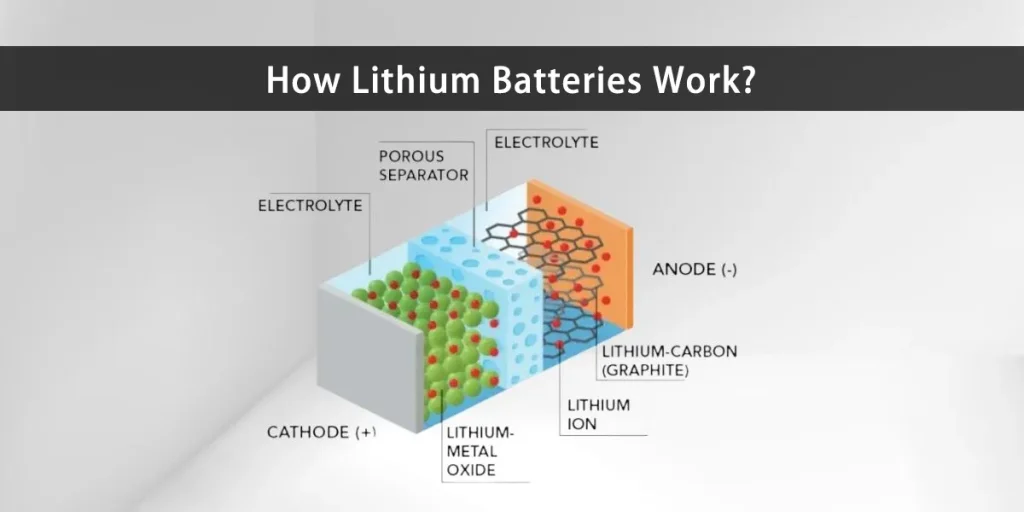
This basic understanding is important for anyone wondering about: can you charge a damage lithium battery? Question. When a battery experiences internal damage, the movement of lithium ions may be disrupted, reducing storage capacity and power stability. Recharging a battery in this state increases the risk of overheating, leakage, or even explosion because it can cause unstable chemical reactions in addition to just restoring power.
Knowing how lithium batteries work help us to understand why the question of “can you charge a damage lithium battery?” raises concerns about safety as well as power depletion. Attempting to recharge a battery without assessing its true condition can have major repercussions because a battery that seems normal on the outside may have already experienced internal degradation.
You can also read are lithium batteries safe for more insight
Common Signs of a Damaged Lithium Battery
- Swelling or bulging: when a battery begins to swell, it is a sign of elevated internal pressure brought on by erratic chemical reactions. Because of this condition, charging is extremely dangerous.
- Cracks, leaks, or discoloration: when the battery casing or cells sustain physical damage, electrolyte leaks may result, raising the possibility of short circuits or fires while the battery is charging.
- Drastic decrease in performance: a battery that drains quickly or a device that shuts down unexpectedly during use indicates that the cells within the battery have weakened.
- Cannot be fully charged: if the battery is unable to reach its maximum capacity even after a lengthy charge, there may be internal damage.
- Overheating during use or charging: unusually high temperatures suggest that the chemical reactions within the battery are not functioning properly.
- Chemical smell or strange odor: this is a sign of electrolyte leakage, which makes the question of whether a damaged lithium battery can be charged extremely risky.
- Device performance issues: if your smartphone or laptop frequently restarts, freezes, or shuts down unexpectedly, the battery may be damaged, even if it appears to be fine on the outside.
Can You Charge a Damage Lithium Battery?
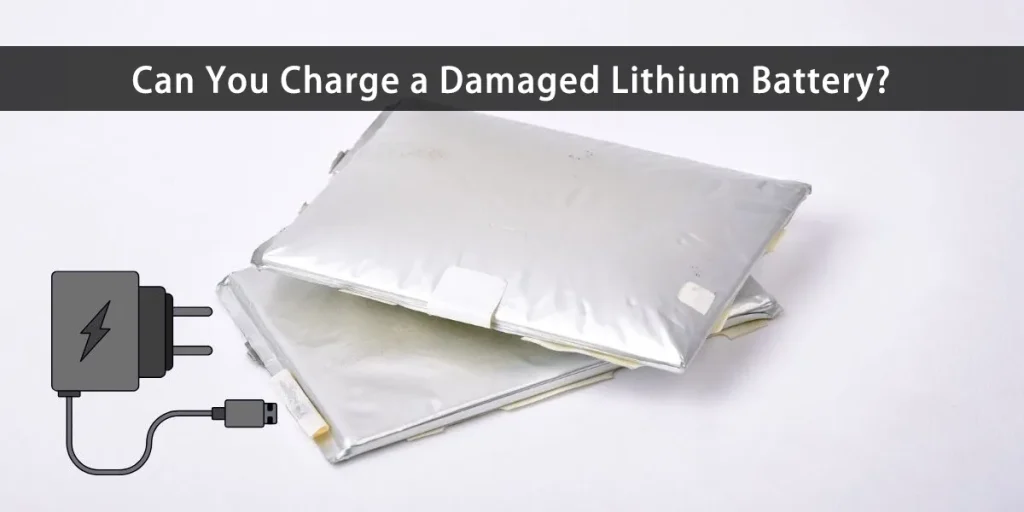
Some people may be tempted to charge a damaged battery because their device is still functional for a short period of time or the power runs out quickly. However, a technical understanding of the question “can you charge a damage lithium battery?” demonstrates that safety is just as important as battery capacity. Lithium ions stop moving normally in damaged batteries, which can lead to significant chemical instability during the charging process.
In addition to the potential for physical harm, trying to charge a damaged lithium battery may exacerbate the device’s damage. Unstable currents, overheating, and complete malfunction are all possible with electronic devices.
What Happens If You Charge It Anyway?
Even though it is obvious that it is not advisable to charge a damage lithium battery, some people attempt to do so. Unfortunately, the consequences can be serious. The chemical reactions within the cell may become unstable when a damaged battery is forced to charge. This could potentially harm the device by causing overheating, the emission of harmful gases, and even electrolyte leakage.
In addition to physical risks, batteries that are forced to recharge may experience internal short circuits. Unusual electrical currents have the potential to permanently harm or even destroy the device’s electronic components. Charging a damaged lithium battery in extreme conditions can result in a small explosion or fire, putting the user’s safety at risk.
Some people might believe that these dangers can be avoided by using contemporary chargers with security features. In practice, though, protection systems only function when the damage is not too great. When a lithium battery has been deformed, swollen, or internally leaked, the question of whether it can be charged becomes a serious safety concern.
You can also read battery charging system for more insight
What You Should Do If Your Lithium Battery Is Damaged
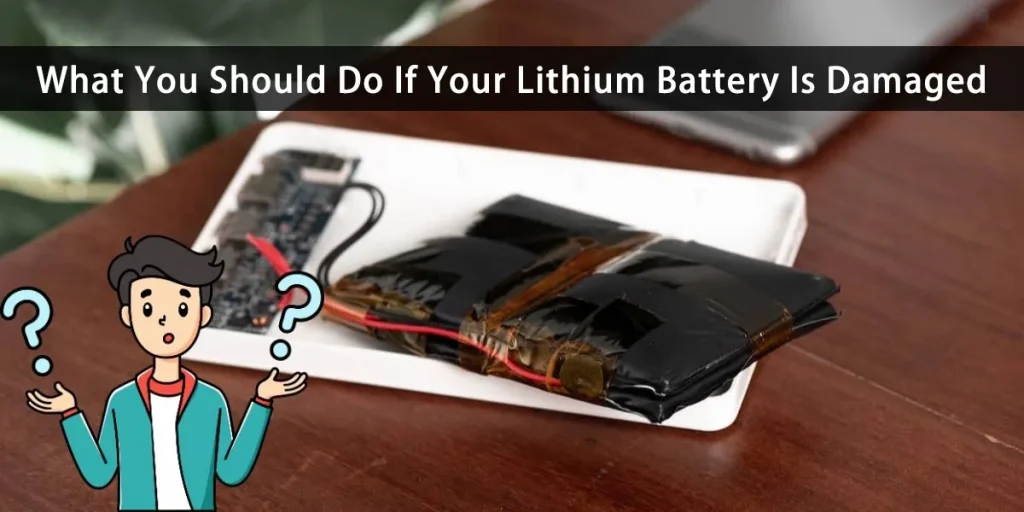
- Remove from the device: ensure the device is disconnected from any power sources and, if at all possible, take the battery out. Before you even consider whether a damaged lithium battery can be charged, this is the safest course of action.
- Store in a safe place: the battery should be kept away from combustible materials in a cool, dry location. Avoid pressing, bending, or puncturing the battery because, despite its seemingly normal appearance, the chemical reactions within could start at any time.
- Do not dispose of it carelessly: the battery should not be thrown in the trash. Lithium batteries that are damaged can pollute the environment or start fires.
- Take it to a recycling center or authorized service center: bring the battery to an authorized service center or recycling facility that is trained in the safe handling of battery waste.
- Use a suitable replacement battery: change it out for the original battery or the one the manufacturer suggests. Attempting to fix or recharge a damaged battery is far less effective and safer than replacing the battery.
How to Prevent Lithium Battery Damage?
Can you charge a damage lithium battery? It is far more important to understand how to prevent lithium battery damage than to ask that question. The rationale is that there are significant risks associated with battery damage, ranging from reduced performance to the possibility of fire. Preventive actions are therefore essential to ensure that batteries are safe to use and last a long time. Here are some effective ways to prevent damage to lithium batteries:
- Avoid overcharging: do not leave your device plugged into the charger after it has been fully charged. This behaviour quickly depletes the battery and may even cause damage. It is preferable to develop the practice of unplugging the charger as soon as the battery reaches 100% rather than worrying about whether you can charge a damaged lithium battery.
- Maintain an ideal temperature: extreme temperatures, both hot and cold, have the potential to accelerate battery cell damage. Keep the device out of direct sunlight and in a location with typical temperatures.
- Use the appropriate charger: unstable currents produced by fake or non-standard chargers have the potential to harm batteries. Use the original charger that came with your device at all times.
- Do not let the battery run completely out: frequently draining the battery to 0% can shorten its life. When the power level is between 20 and 30 percent, it is ideal to recharge.
- Pay attention to early signs of damage: if you notice that the battery is rapidly heating up, swelling, or losing power, stop using it right away.
You can also read these articles form more insight:
charging and discharging of lithium ion battery
overcharging battery
Conclusion
Finally, the question: can you charge a damage lithium battery? Is not only technical, but also safety-related. Despite their reputation for longevity and effectiveness, lithium batteries’ chemical makeup makes them extremely vulnerable to physical harm, heat, and pressure. When a battery exhibits symptoms of damage, like swelling, overheating, or leakage, trying to recharge it can actually make the situation worse and increase the risk of fire or minor explosions.
Instead of asking, the best course of action is to ensure safe use from the start, from avoiding overcharging to maintaining storage temperature and using original chargers. Repairing an unstable battery is risky; prevention is much more effective.
In conclusion, it is obvious that charging a damaged lithium battery is not advised and is dangerous. Maintaining your device’s functionality and durability without sacrificing safety can be achieved by changing a damaged battery with a new one and forming good usage habits.
FAQS
Can a swollen lithium battery still be used?
A swollen battery indicates pressure and unstable chemical reactions. So, do not try to charge a damaged lithium battery in this condition it is safer to immediately replace the battery and dispose of it at an official recycling center.
Is it safe to repair a damaged lithium battery at home?
No, it is not safe. Lithium batteries are highly sensitive and can easily explode if handled incorrectly. Instead of trying to repair or recharge it yourself, take it to a professional technician.
What is the best way to dispose of a damaged battery safely?
Dispose of it at an official recycling center or service. Do not throw it in the regular trash, as the chemicals can be dangerous.